Healthy Meal Planning for Seniors | Simple SG Meals
healthy meal planning for seniors
Healthy meal planning for seniors works best when it is simple, repetitive in a good way, and built around familiar foods. A senior doesn’t need complicated rules or “perfect” meals; they need steady protein, enough fibre, sensible portions, and meals that are easy to chew, digest, and repeat. This guide shows you how to build healthier routines without turning lunch into a spreadsheet.
If you’re looking for healthy meal planning for seniors, you’ll learn how to structure meals for better energy, stable blood sugar, and easier grocery shopping. I’ll also cover practical portioning, Singapore-friendly foods, shared family meal prep, and how to keep meals enjoyable without making the kitchen feel like a second job.
Why healthy meal planning for seniors should stay simple
The best meal plans for older adults are the ones they can actually follow on a Tuesday. I’ve seen too many people start with a beautifully printed plan, then abandon it when the pantry doesn’t match the plan or the recipe asks for seven obscure ingredients and a blender they don’t own.
For most seniors, the goal is not “dieting.” It’s consistency. That means meals should support muscle maintenance, blood sugar control, digestion, and hydration without adding unnecessary complexity. A plate built from familiar staples like eggs, tofu, fish, leafy greens, brown rice, oats, fruit, and soup is often more sustainable than anything marketed as “clean eating.”
If you’re helping a parent or grandparent, this is also where shared grocery habits matter. A single shopping list can reduce waste, save money, and make cooking calmer. For families managing several people’s needs, [INTERNAL LINK: family meal planning made easier] can keep everyone on the same page.
What matters most for older adults
A practical senior meal plan usually focuses on five things:
- Protein at every meal
- Fibre daily, ideally 20g+
- Enough fluids
- Moderate sodium
- Easy-to-chew textures when needed
Protein matters because older adults lose muscle more easily with age. The classic recommendation from groups like the European Society for Clinical Nutrition and Metabolism (ESPEN) and the PROT-AGE Study Group is generally higher protein intake than the bare minimum, especially for those who are less active or recovering from illness. You don’t need to memorise the papers; just remember that eggs, fish, tofu, Greek yoghurt, chicken, and beans deserve a regular spot on the plate.
How to build a senior-friendly plate without overthinking it
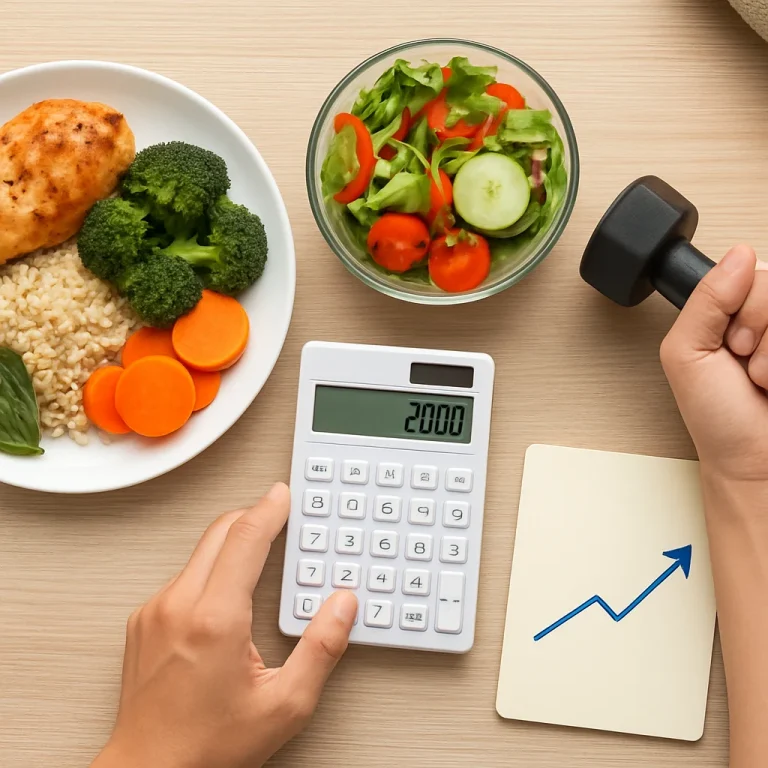
This next part is the practical core of healthy meal planning for seniors. The aim is a repeatable meal structure that works for breakfast, lunch, and dinner, with only small changes across the week.
A simple method is:
- 1 palm of protein
- 1–2 fists of vegetables
- 1 cupped hand of carbs
- 1 thumb of fats
That’s not a prison. It’s a starting point. If someone is underweight, recovering from illness, or very active, the carb and protein portions may need to be larger. If blood sugar is a concern, the carb portion may need more attention, but not elimination.
Protein options in Singapore that are affordable and easy to use:
- Eggs from NTUC FairPrice or Sheng Siong
- Tau kwa, tofu, and tempeh from wet markets and supermarkets
- Canned tuna or sardines in water or olive oil
- Frozen fish fillets, especially dory, salmon portions, or batang
- Skinless chicken thigh or breast
- Plain Greek yoghurt
- Edamame and chickpeas
Vegetables that hold up well in real kitchens:
- Chye sim
- Nai bai
- Spinach
- Cabbage
- Broccoli
- Tomatoes
- Cucumbers
- Bitter gourd, if the household doesn’t complain too loudly
For carb choices, older adults often do better with familiar foods in sensible portions:
- Brown rice mixed with white rice
- Sweet potato
- Oats
- Wholemeal bread
- Wholegrain noodles
- Fresh fruit like papaya, guava, or apple
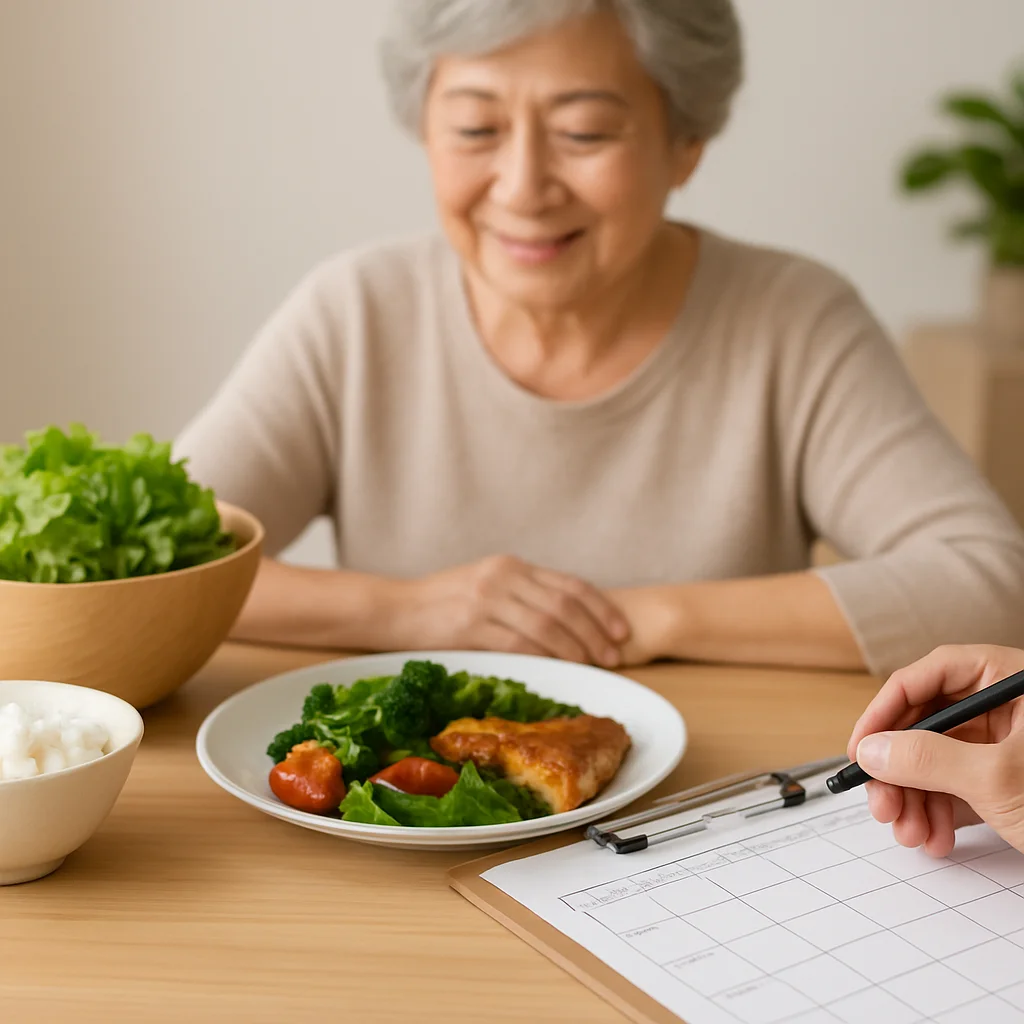
[IMAGE: Simple senior meal plate with protein, vegetables, and carbs | alt text: A balanced senior meal plate with fish, leafy greens, and rice]
Protein, fibre, and hydration: the three basics that do most of the work
Healthy meal planning for seniors gets easier when you stop chasing trends and focus on the boring stuff that actually helps.
Protein keeps meals steady
Older adults often benefit from spreading protein across the day instead of loading it all at dinner. A breakfast of two eggs with toast and fruit is often better than a small coffee and biscuits that leave someone hungry by 10 a.m.
Good easy protein meals include:
- Egg tofu with stir-fried greens
- Steamed fish with ginger and soy
- Chicken soup with vegetables
- Soft tofu with minced pork and mushrooms
- Plain yoghurt with oats and chopped fruit
A rough target for many seniors is 20–30g of protein per main meal, though individual needs vary. People with kidney disease, liver disease, or other medical issues should ask their clinician before changing protein intake.
Fibre supports digestion and blood sugar
Fibre helps with bowel regularity, fullness, and glucose control. A common target is 20g or more daily, and it’s easier to reach than most people think. One apple, half a bowl of brown rice, a serving of greens, and a handful of beans can already move the needle.
Ways I’ve seen fibre sneak into a senior meal plan without drama:
- Add chia seeds to yoghurt or oats
- Mix brown rice with white rice at first
- Serve vegetable soup before the main meal
- Add beans or lentils to minced meat dishes
- Keep fruit visible, washed, and ready to eat
Hydration is often forgotten
Older adults sometimes feel less thirsty, which is a problem when it leads to fatigue, constipation, or headaches. Water, unsweetened tea, clear soups, and fruit with higher water content can help. If someone is on fluid restrictions for heart or kidney conditions, follow medical advice instead of generic internet advice.
A helpful routine is a glass of water:
- on waking
- with each meal
- mid-afternoon
- after walks or light activity
That sounds basic because it is. Basic works.
Meal planning for seniors with diabetes or high blood pressure
This section is where meal planning gets more personal. For seniors with diabetes, prediabetes, or high blood pressure, the goal is not fear-based eating. It’s choosing meals that reduce spikes, support medication routines, and keep salt under control without making food miserable.
For blood sugar management, I often look at:
- Carb portions
- Meal timing
- Protein pairing
- Fibre intake
- Sugary drinks and snacks
A bowl of white rice alone hits differently than the same rice served with fish, vegetables, and tofu soup. Pairing carbs with protein and fibre tends to soften glucose spikes. Research published in journals such as The American Journal of Clinical Nutrition has repeatedly shown that meal composition affects post-meal blood sugar response, not just the carb count.
For blood pressure, the main habits are:
- Choose less processed food
- Use less salt, soy sauce, and sambal
- Rely on herbs, garlic, ginger, pepper, lime, and onion for flavour
- Watch hidden sodium in soups, canned foods, and instant noodles
Singapore’s hawker food can still fit. Just choose smarter:
- Fish soup, request less salty broth
- Yong tau foo, choose more tofu and vegetables, go easy on fried items
- Economy rice, pick steamed dishes and request less gravy
- Economic bee hoon, keep portions smaller and add eggs or vegetables
If you want a system that can build these kinds of meals automatically for multiple family members, [INTERNAL LINK: personalised meal planning for families] is worth a look.
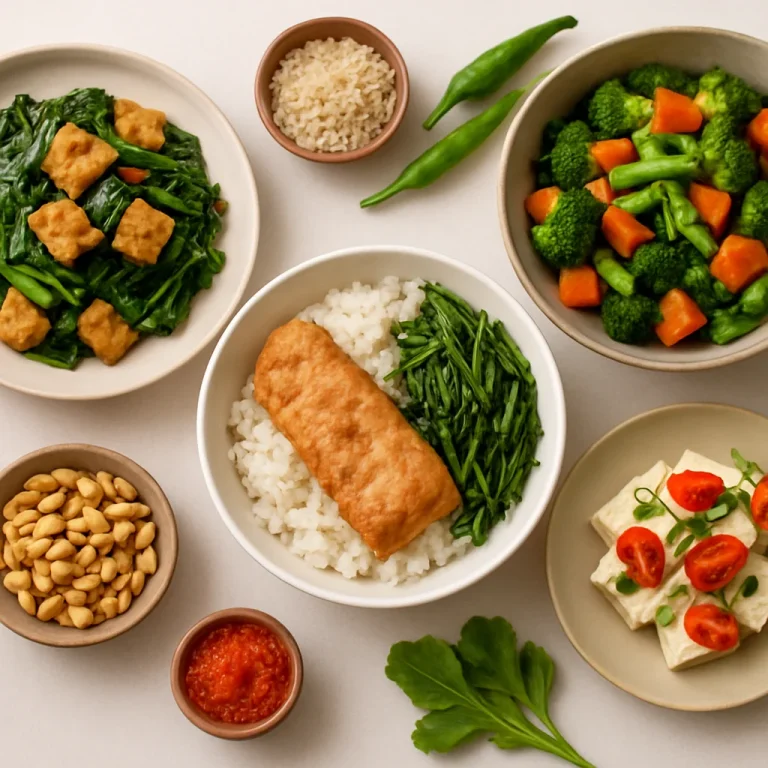
[IMAGE: Low-sodium senior meal options from local foods | alt text: Senior-friendly Singapore meals with fish, tofu, vegetables, and modest rice portions]
A weekly meal structure that actually works
A lot of meal planning fails because it tries to reinvent breakfast, lunch, and dinner seven times a week. That’s too much. A better method is to use a few repeatable templates and rotate ingredients.
Here’s a practical weekly structure:
Breakfast templates
- Oats with milk, banana, and peanut butter
- Eggs on wholemeal toast with cucumber
- Plain yoghurt with fruit and nuts
- Soft porridge with egg and greens
Lunch templates
- Brown rice, steamed fish, vegetables
- Soup, tofu, and sweet potato
- Chicken, cabbage stir-fry, and rice
- Yong tau foo with extra greens and fewer fried pieces
Dinner templates
- Stir-fried tofu with mushrooms and broccoli
- Minced chicken with tomato and egg
- Grilled fish, kangkong, and rice
- Lentil or bean soup with wholemeal toast
Snack ideas
- Fruit
- Unsweetened yoghurt
- Boiled eggs
- Small handful of nuts
- Edamame
- Crackers with hummus
A weekly rhythm like this reduces decision fatigue. It also makes shopping easier because you’re buying overlapping ingredients instead of one-off items that quietly rot in the crisper drawer.
Grocery shopping for seniors: affordable, local, and low-stress
Good healthy meal planning for seniors depends on groceries that are easy to find and budget-friendly. The best food plan is the one that fits both the kitchen and the wallet.
In Singapore, I’d start with places like:
- NTUC FairPrice
- Sheng Siong
- Cold Storage for occasional specialty items
- Local wet markets for leafy vegetables, tofu, and fresh fish
A sample low-fuss basket might include:
- Eggs
- Tofu
- Chicken thighs
- Frozen fish fillets
- Oats
- Brown rice
- Wholemeal bread
- Papaya
- Apples
- Cabbage
- Spinach
- Cucumbers
- Tomatoes
- Plain yoghurt
If you buy smart, you can build multiple meals from the same few items. That’s the secret. Not glamour. Repetition.
A rough budget example for one senior for a few days of basic cooking:
- Eggs: about S$3–6
- Tofu: about S$1–2 per pack
- Chicken: about S$5–10 depending on cut
- Vegetables: often S$1–3 per bunch or pack
- Fruit: around S$3–8 depending on type
Prices move, of course. Wet market spinach in one area won’t cost the same as packaged organic greens in a shiny neighbourhood supermarket. That difference is not a moral failing.
When chewing, appetite, or energy is low
Some seniors need softer meals, smaller portions, or more frequent eating. This is common after dental work, during recovery, or when appetite drops with age.
Try these adjustments:
- Choose soft textures like porridge, congee, yoghurt, tofu, mashed sweet potato, and steamed fish
- Add olive oil, sesame oil, or avocado in small amounts if extra calories are needed
- Use soups and stews to make food easier to swallow
- Offer smaller meals more often instead of forcing big plates
If chewing is painful, meals should be modified rather than skipped. A softer diet can still be nutritious. It just needs more intention, and maybe less ego about what “real food” looks like.
A simple one-day senior meal example
Here’s a practical day that works for many households:
Breakfast
- Oats with milk
- 1 boiled egg
- Half a banana
Lunch
- Brown rice
- Steamed fish with ginger
- Stir-fried nai bai
- Clear soup
Snack
- Plain yoghurt
- Papaya cubes
Dinner
- Tofu and minced chicken stir-fry
- Cabbage
- Small portion of rice
That day covers protein, fibre, and hydration without requiring an advanced culinary degree.
How families can make senior meal planning easier
This is where the family meal planning pillar becomes useful. When the whole household eats similar core foods, seniors don’t need a separate menu that doubles the workload.
A few tactics help:
- Cook a shared protein like chicken, fish, or tofu
- Serve different carb portions by person
- Keep vegetables common across the table
- Use sauces on the side
- Build meals from one grocery list
For example, the same batch of chicken can become:
- chicken rice for one person,
- chicken with vegetables and less rice for a senior,
- and chicken salad for someone cutting calories.
That’s efficient. It also reduces food waste, which matters more than many people admit.
If you’re juggling several family members with different needs, a structured planner can help keep portions and grocery lists aligned. [INTERNAL LINK: shared grocery list and meal prep tools] can make weekly planning much less chaotic.
Common mistakes to avoid
A lot of well-meaning meal plans go wrong in predictable ways.
- Too little protein: Leads to weak meals and poor fullness
- Too much salt: Common in soups, sauces, and processed foods
- Over-restricting carbs: Can reduce energy and make the plan unsustainable
- Ignoring fibre: Constipation is not a lifestyle brand
- Making meals too complicated: Seniors don’t need a lab project
Also, don’t assume “healthy” means expensive. Frozen vegetables, canned beans, eggs, tofu, and local greens are often excellent choices.
A practical note on medical conditions
Meal planning for seniors should respect medical realities. Kidney disease, swallowing problems, diabetes medication, heart failure, and dementia can all change what “healthy” looks like. A generic internet meal plan is not enough for those cases.
For seniors with kidney issues, protein, potassium, phosphorus, and fluid needs may need medical guidance. For those with diabetes, meal timing and medication coordination matter. If there’s weight loss that wasn’t planned, that deserves attention quickly.
This article is informational, not medical advice. If you’re unsure, speak with a doctor or dietitian before making major changes.
Final thoughts
Healthy meal planning for seniors doesn’t need to be fancy, strict, or full of rules nobody remembers by Wednesday. The best plans are built from familiar foods, steady routines, sensible portions, and grocery habits the whole family can maintain.
Start with protein, add vegetables, keep carbs measured, and make the process easy enough to repeat. That’s what keeps meals healthy over time. Not perfection. Repetition with enough flexibility to survive real life.
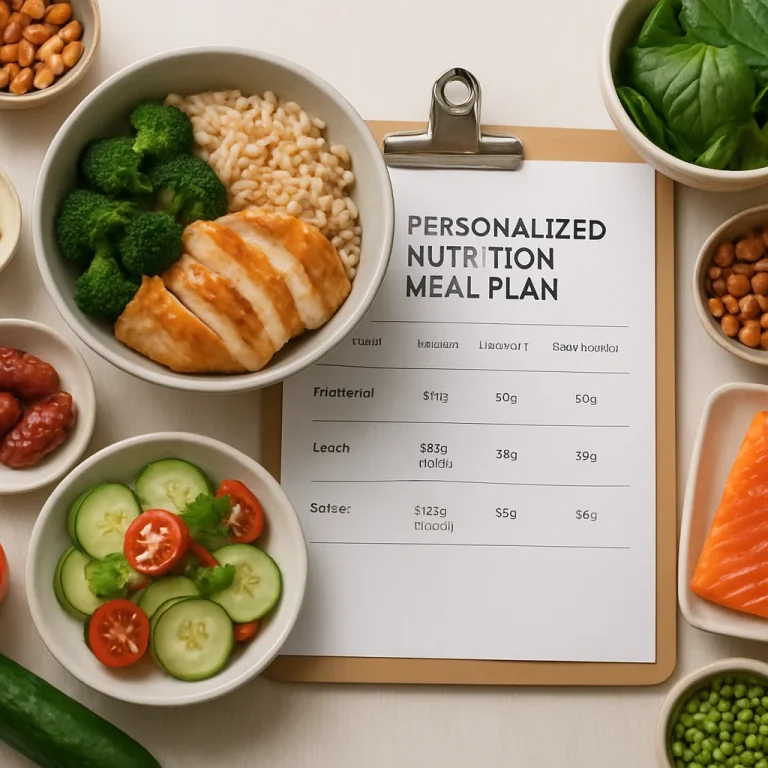
If you want help turning these ideas into a weekly system for a parent, grandparent, or the whole household, KnowMeal can help build simple personalised meal plans with shared grocery lists and easy macro tracking.
FAQ
Q: What is the best breakfast for older adults? A: The best breakfast usually includes protein, fibre, and a little carb. Good examples are oats with yoghurt, eggs with wholemeal toast, or porridge with egg and fruit.
Q: How much protein should seniors eat? A: Many older adults do better with protein at each meal rather than only at dinner. A practical target for many people is about 20–30g per main meal, but kidney disease or other conditions may change that.
Q: Is rice okay in healthy meal planning for seniors? A: Yes, rice can fit well, especially when portions are moderate and paired with protein and vegetables. Brown rice, mixed rice, or smaller servings of white rice are all workable options.
Q: How can seniors eat healthier if they don’t like complicated cooking? A: Use repeatable meal templates and a short grocery list. Simple foods like eggs, tofu, fish, oats, greens, and fruit can cover most needs without complicated recipes.
Q: What foods should seniors limit? A: Highly processed foods, very salty soups, sugary drinks, and frequent fried snacks are the main ones to watch. That said, food should still be enjoyable, not miserable.
Q: Can family members eat the same meals as seniors? A: Yes, and that’s usually the easiest approach. Keep the core meal the same, then adjust portions of rice, protein, or sauces by person.
[PRIMARY CTA] Want a simpler way to plan meals for an older parent, spouse, or the whole family? Try KnowMeal to build personalised senior-friendly meal plans, shared grocery lists, and easy weekly routines that fit real life.
Key Takeaways
- Keep meals simple and repeatable
- Prioritise protein, fibre, hydration
- Use familiar Singapore-friendly whole foods
- Adjust portions, not whole household menus
- Shared grocery lists reduce waste
- Simple routines beat complicated meal plans
Frequently Asked Questions
Q: What is the easiest healthy meal structure for seniors?
How do I plan meals for a senior with diabetes?
What are good senior-friendly foods in Singapore?
How can I make meals softer for seniors with chewing issues?
Should seniors follow low-carb diets?
Can KnowMeal help with senior meal planning?
Want a simpler way to plan meals for an older parent, spouse, or the whole family? Try KnowMeal to build personalised senior-friendly meal plans, shared grocery lists, and easy weekly routines that fit real life.
—ARTICLE END—