TDEE Calculator Singapore: Set Calories and Macros
TDEE calculator Singapore
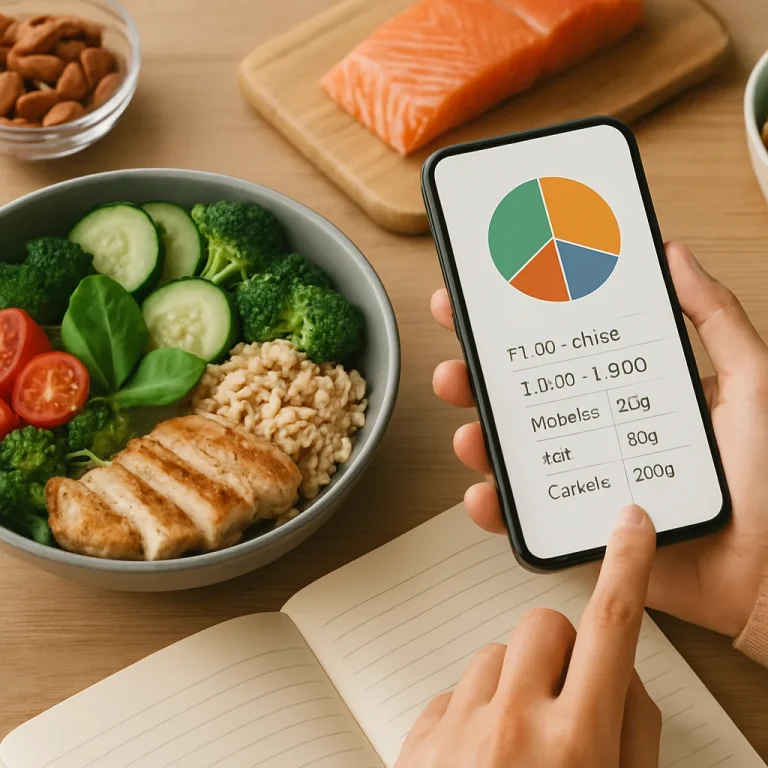
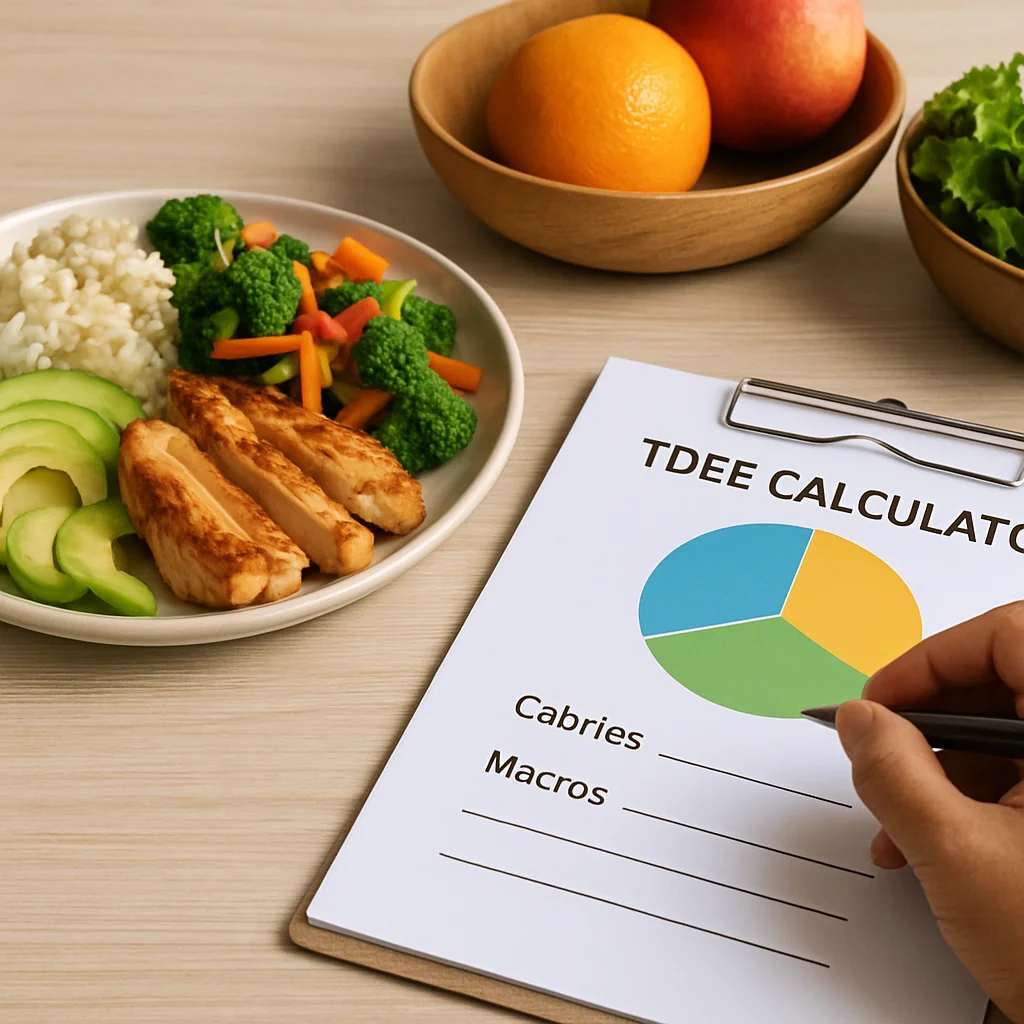
A TDEE calculator Singapore helps you estimate how many calories you burn in a day, then turns that number into a practical eating target for fat loss, muscle gain, or maintenance. The useful part is not the calculator itself; it’s learning how to budget calories and set macros so you can actually follow the plan on a Tuesday night when your schedule is messy and dinner still needs cooking.
This guide shows you how TDEE works, how KnowMeal’s component-based activity calculation gives a more realistic result than a basic 1-to-5 activity scale, and how to turn your calorie target into simple meals using real foods from Singapore supermarkets and wet markets. You’ll also learn how to plan protein, carbs, and fats without overcomplicating it.
What TDEE means, and why it matters
TDEE stands for Total Daily Energy Expenditure. It’s the total calories your body uses in a day from basic functions, movement, exercise, and digestion. If you eat around your TDEE, your weight tends to stay stable over time.
If you eat below TDEE, you create a calorie deficit. If you eat above it, you create a surplus. That sounds mechanical because it is. Bodies can be messy; calorie balance still runs the show.
For anyone using a TDEE calculator Singapore to plan meals, the goal isn’t perfection. The goal is a target that’s close enough to use consistently.
A practical way to think about it:
- Fat loss: eat below TDEE
- Muscle gain: eat above TDEE
- Body recomposition: eat near or slightly below TDEE, with high protein
- Maintenance: eat around TDEE
[IMAGE: Simple TDEE flow diagram showing intake vs output | alt text: Diagram explaining TDEE, calorie deficit, calorie surplus, and maintenance]
How KnowMeal calculates TDEE differently
Most calculators ask for an activity level like sedentary, lightly active, or very active. That’s easy, but it’s blunt. A desk worker who lifts weights 4 times a week is not the same as someone who sits all day and only walks to the kopitiam.
KnowMeal uses a component-based activity calculation that looks at:
- Work type: desk job, standing, walking, manual work
- Exercise sessions: frequency, duration, and intensity
- Daily movement: steps, errands, and routine movement
This gives a more realistic estimate for Singapore users, especially those whose weekday activity doesn’t match their gym routine. Someone might train hard 45 minutes a day, then sit through 9 hours of meetings. The body doesn’t politely ignore the sitting.
A more detailed activity model helps with:
- Better calorie targets
- Less under-eating
- Less overestimation of exercise burn
- More stable fat loss and energy
For people managing insulin resistance, high blood pressure, or a history of yo-yo dieting, that accuracy matters. Too aggressive a deficit often backfires because hunger, fatigue, and weekend overeating show up like clockwork.
How to use a TDEE calculator Singapore the right way
A calculator is a starting point, not a verdict from Mount Olympus. Use it to estimate your intake, then adjust based on real-world results over 2 to 4 weeks.
Here’s the process I’d actually use:
- Enter your stats
– Age – Sex – Height – Weight
- Choose your activity carefully
– Use work type plus exercise sessions, not just “moderate activity”
- Set your goal
– Fat loss, muscle gain, recomposition, or maintenance
- Review the calorie target
– Keep it practical, not heroic
- Track trends
– Use weekly average weight, not one random Monday weigh-in after salty hotpot
A good TDEE calculator Singapore should give you a number that feels doable. If your target looks so low that you’re already planning your cheat meal by lunch, it’s probably too aggressive.
A real-world example
A 34-year-old woman in Singapore, 160 cm and 62 kg, works at a desk, walks about 6,000 steps a day, and does two 45-minute strength sessions weekly. A basic calculator might label her “lightly active” and overestimate her needs. A more specific model that separates sedentary work from actual exercise often produces a more realistic calorie target.
That difference can be the gap between steady progress and two weeks of “Why am I starving?” followed by a pantry raid.
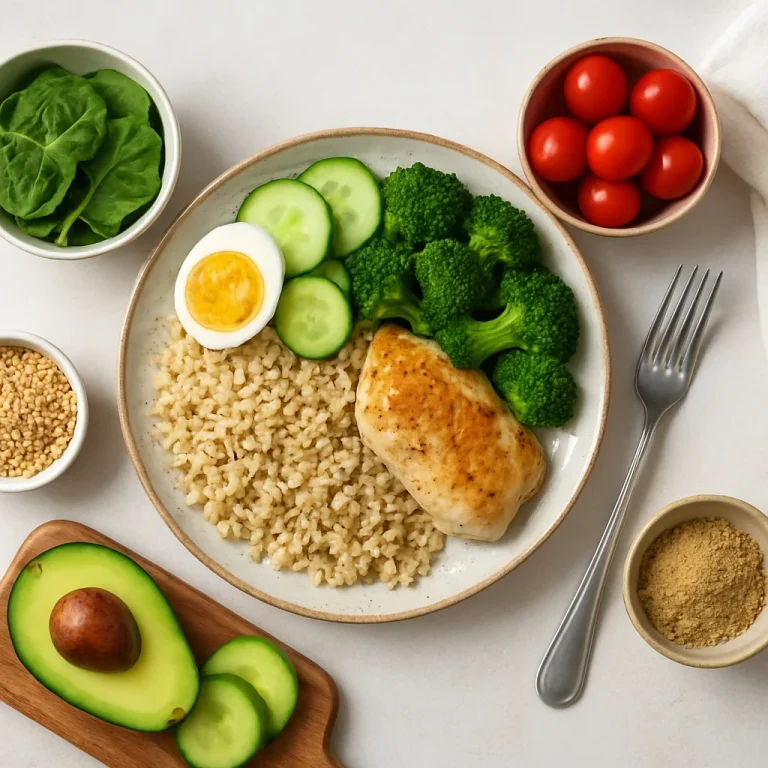
[IMAGE: Singapore plate meal with rice, chicken, vegetables, and egg | alt text: Balanced Singapore meal with protein, carbs, and vegetables for calorie budgeting]
Turning calories into macros
Calories matter. Macros make the plan workable.
The three main macros are:
- Protein: supports muscle repair and satiety
- Carbs: fuel training, movement, and daily energy
- Fat: supports hormones, brain function, and absorption of fat-soluble vitamins
You don’t need a PhD in food labels. You need a plan you can repeat.
Simple macro setup
For most adults using a TDEE calculator Singapore for fat loss or body recomposition, a practical starting point is:
- Protein: 1.6–2.2 g per kg body weight
- Fat: about 0.6–1.0 g per kg body weight
- Carbs: the remaining calories
That range is backed by sports nutrition research and is widely used in body recomposition planning, including recommendations from the International Society of Sports Nutrition for protein intake during training and dieting phases. Higher protein helps preserve lean mass when calories drop.
If you want a simpler method:
- Protein first
- Set fat minimums
- Use carbs to fill the rest
That order makes meal planning easier, especially for Southeast Asian meals where rice, noodles, and sauces can quietly add up.
Why protein deserves the spotlight
Protein helps with muscle retention, recovery, and hunger control. For someone trying to lose fat without looking softer and smaller, it’s the macro that protects the result.
Affordable protein sources in Singapore include:
- Eggs
- Chicken breast and thigh
- Canned tuna in water
- Greek yogurt
- Tofu and tempeh
- White fish like dory, ikan merah, or batang
- Prawns
- Edamame
A 2020 review in the British Journal of Sports Medicine supported higher protein intake as helpful for preserving lean mass during resistance training. That doesn’t mean more is always better, especially for people with kidney disease, but it does explain why “just eat less” usually fails.
Calorie budgeting without making meals miserable
Calorie budgeting is simply deciding where your calories go before the day eats them for you.
A solid approach is to divide your budget into meals and snacks you can repeat. Example:
- Breakfast: 300–400 kcal
- Lunch: 450–600 kcal
- Dinner: 450–600 kcal
- Snack: 100–250 kcal
Those ranges depend on your TDEE and goal. A smaller person cutting fat may need tighter portions. A taller, more active male trying to gain muscle will need more.
The point is consistency. Not punishment.
A sample calorie budget for fat loss
If your target is 1,800 kcal/day, a simple split could look like this:
- Breakfast: 350 kcal
- Lunch: 500 kcal
- Dinner: 600 kcal
- Snack: 350 kcal
If you prefer two bigger meals and a snack, that works too. What matters is total intake and enough protein.
Sample macro budgeting
For a 1,800 kcal target:
- Protein: 150 g = 600 kcal
- Fat: 60 g = 540 kcal
- Carbs: 165 g = 660 kcal
That adds up neatly. Real life won’t always be neat, so KnowMeal uses transparent tolerance ranges: calories ±50, protein ±10 g, carbs ±8 g, fat ±5 g. That’s realistic enough for planning without pretending every grain of rice needs a lawyer.
[INTERNAL LINK: macro planning guide]
How to choose foods that fit Singapore life
The best plan is the one you can shop for at NTUC FairPrice, Giant, Cold Storage, Sheng Siong, or your neighbourhood wet market without needing a special delivery window or imported magic berries.
For sustainable meal planning, build around foods like:
- Brown rice or white rice
- Oats
- Sweet potato
- Eggs
- Chicken
- Tofu
- Tempeh
- Leafy greens
- Cucumber
- Tomatoes
- Mushrooms
- Papaya, guava, apples, or oranges
- Sardines or mackerel
- Plain yogurt
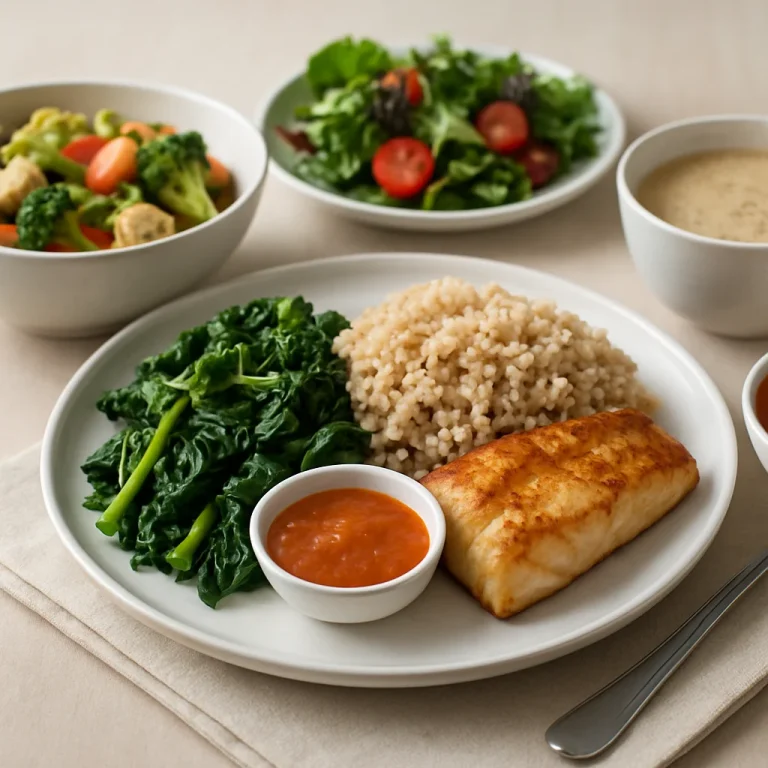
These foods are affordable, flexible, and easy to portion. They also work well in Singapore-style cooking.
Easy meal examples
Breakfast
- Oats with Greek yogurt, chia seeds, and banana
- Eggs with wholemeal toast and tomato
Lunch
- Chicken rice-style bowl with less rice, more cucumber, and extra greens
- Tofu stir-fry with brown rice
Dinner
- Fish soup with rice and vegetables
- Lean minced pork, kailan, and steamed sweet potato
When planning with a TDEE calculator Singapore, think in templates, not complicated recipes. Templates are what survive real life.
[IMAGE: Grocery basket with tofu, eggs, greens, rice, and fish | alt text: Affordable Singapore whole foods for calorie and macro meal planning]
Special considerations: insulin resistance, blood pressure, and kidney health
People often ask whether a calorie target is enough on its own. Sometimes yes. Sometimes not quite.
Insulin resistance
If you have insulin resistance or prediabetes, calorie control helps, but food quality matters too. Higher protein, more fibre, and fewer ultra-processed foods usually improve satiety and blood sugar control.
Practical moves:
- Aim for 20 g+ fibre daily
- Pair carbs with protein and vegetables
- Choose rice portions deliberately, not accidentally
- Spread carbs across meals if that helps energy
A 2023 review in Nutrients discussed how higher-fibre, minimally processed eating patterns support glycaemic control. That doesn’t mean carbs are the enemy. It means your plate deserves structure.
High blood pressure
For blood pressure management, food choice and sodium matter. Singapore meals can get salty fast, especially with sauces, processed meats, and broth-heavy dishes.
Helpful habits:
- Limit frequent use of very salty sauces
- Add vegetables to increase potassium intake
- Choose fresh proteins over processed ones more often
- Watch portion sizes for hawker meals with heavy gravy
Kidney health considerations
If someone has kidney disease, protein targets may need medical supervision. A general high-protein fat loss plan is not automatically appropriate. This is where internet confidence should take a seat.
If kidney concerns exist, work with a doctor or renal dietitian before setting protein goals. KnowMeal can still help with meal structure, but medical needs come first.
Family meal prep and why alignment matters
Family planning is where most people discover that separate meals are the fast lane to burnout. KnowMeal’s family mode solves this by aligning meals so everyone eats the same food at the same meal, with portions adjusted by person.
That means:
- One shopping list
- One cooking session
- Less decision fatigue
- Fewer “I don’t want that” negotiations
A family of four in Singapore can prep a week of lunches using:
- Chicken thigh trays
- Tofu blocks
- Mixed vegetables
- Rice or sweet potato
- Fruit for snacks
If you’re batch cooking on Sunday, keep it simple. I’ve seen too many people plan a six-dish meal prep like they’ve hired a staff kitchen. By Wednesday, everyone is ordering cai png anyway.
For busy households, this is where a TDEE calculator Singapore becomes useful beyond personal dieting. It helps each member eat appropriately without making the family cook like a restaurant.
[INTERNAL LINK: family meal planning in Singapore]
How fitness professionals can use TDEE planning with clients
Personal trainers and coaches need more than a generic calculator. They need something they can explain quickly and adjust without rebuilding the plan every week.
KnowMeal supports up to 100 clients for trainer workflows, with branded PDF exports and meal plans that look professional enough to send directly. That matters when you’re onboarding clients who want clarity, not spreadsheets that look like tax returns.
For client use:
- Start with TDEE estimate
- Set goal-based calorie target
- Build macro targets
- Choose repeatable meals
- Adjust every 2 weeks based on trend data
A clean calorie and macro plan can improve compliance because clients understand what they’re aiming for. When people understand the target, they’re less likely to treat every social meal like a moral failure.
Common mistakes with TDEE calculators
A good calculator is useful. A bad interpretation is where trouble starts.
Mistake 1: Choosing the wrong activity level
A desk job plus three weekly workouts is not “very active.” That mistake inflates calories and slows fat loss.
Mistake 2: Copying someone else’s macros
Your friend’s 2,100 kcal plan is irrelevant if your body size, schedule, and goals differ.
Mistake 3: Ignoring weekly trends
Daily weight changes from water, salt, and sleep. Use a 7-day average.
Mistake 4: Setting protein too low
Low protein usually means more hunger and poorer body composition results.
Mistake 5: Trying to eat “perfectly”
Good plans are repeatable, not theatrical.
If you’re using a TDEE calculator Singapore and nothing changes after 2 to 4 weeks, adjust by 100–150 kcal before making bigger moves. Small corrections work better than dramatic overreactions.
How KnowMeal turns your TDEE into meals
This is where the math becomes practical.
KnowMeal uses your calorie budget, macro targets, and food preferences to generate daily meal plans from a curated whole-food database. It also supports:
- Max-2-per-food variety to keep meals from becoming repetitive in weird ways
- Must-have foods for non-negotiables
- Calorie-budget-aware meal generation
- Drag-and-drop meal slot customisation with real-time macro updates
That means you can move foods around without guessing whether your dinner still fits the day. The platform recalculates as you go, which is exactly the kind of boring useful feature people remember after their first successful week.
FAQ
What is a good TDEE calculator Singapore users should trust?
A good calculator should ask for more than just “active” or “sedentary.” It should account for work type, exercise frequency, and session duration so the estimate reflects real daily movement.
How accurate are TDEE calculators?
They’re estimates, not lab tests. Most people should treat them as a starting point and adjust based on 2 to 4 weeks of weight trend data and energy levels.
How many calories should I eat for fat loss?
A common starting point is a 250–500 kcal deficit from your estimated TDEE. The right number depends on your body size, appetite, and how aggressive you want the cut to be.
How much protein do I need?
A practical target is 1.6–2.2 g per kg body weight for most people trying to lose fat or build muscle. If you have kidney disease or other medical concerns, get personalised medical advice first.
Can I use a TDEE calculator for family meal planning?
Yes. You can estimate each person’s needs and then align meals so everyone eats the same food with different portions. That’s often simpler than cooking separate dishes.
Do I need to track every calorie forever?
No. Tracking is a tool, not a life sentence. Many people use it for a few weeks to learn portions, then switch to a repeatable meal structure.
Final thoughts
A TDEE calculator Singapore is most useful when it helps you make calmer decisions about food. Once you know your calorie target, the next step is building meals that fit your life, your kitchen, and your schedule.
If you want a simpler way to turn calorie targets into real meals, KnowMeal can do the heavy lifting for you with macro-based planning, family mode, and trainer-friendly exports. Start with your TDEE, then let the meal plan do the unglamorous work.
Key Takeaways
- TDEE is your daily calorie burn estimate.
- Activity accuracy changes your calorie target.
- Protein helps preserve muscle during dieting.
- Fibre supports fullness and blood sugar control.
- Family meal planning reduces cooking friction.
- Adjust calories after 2–4 weeks of trends.
Frequently Asked Questions
Q: What is a good TDEE calculator Singapore users should trust?
How accurate are TDEE calculators?
How many calories should I eat for fat loss?
How much protein do I need?
Can I use a TDEE calculator for family meal planning?
Do I need to track every calorie forever?
Use KnowMeal to calculate your TDEE, set your macros, and build simple whole-food meal plans for yourself or your family. Start with a personalised plan that fits Singapore eating habits, supports your goals, and keeps meal prep manageable.