
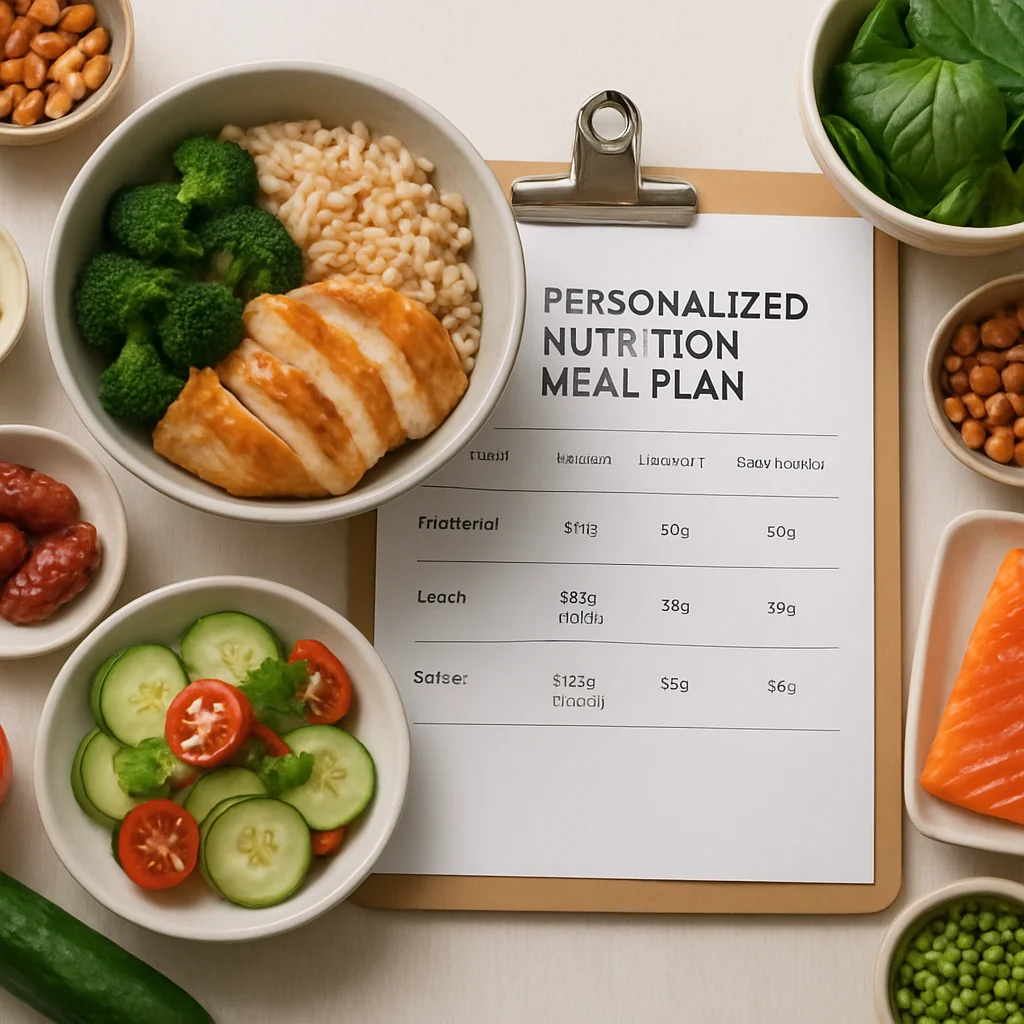
Personalised Nutrition Meal Plan for Singapore
personalised nutrition meal plan
A personalised nutrition meal plan matches your calories, protein, carbs, and fat to your goal, then turns that target into meals you can actually cook and repeat. It’s how you move from “I should eat better” to a plan that fits your workday, family schedule, training, and appetite without guesswork.
This guide explains how personalised meal plans work, who benefits most, and how KnowMeal turns TDEE-based targets into daily meals using Singapore-friendly whole foods. You’ll also see how macros work in plain English, how family mode keeps shared meals practical, and why small details like fibre, sodium, and food variety matter when you’re managing weight, insulin resistance, or body recomposition.
What a personalised nutrition meal plan actually does
A good meal plan is not just a list of chicken breast and sadness. It starts with your TDEE — total daily energy expenditure — then adjusts calories for your goal, whether that’s fat loss, muscle gain, maintenance, or recomposition.
From there, the plan sets macros:
- Protein supports muscle repair and satiety
- Carbs provide training fuel and day-to-day energy
- Fat supports hormones and helps meals feel satisfying
That sounds simple, but the hard part is execution. A personalised nutrition meal plan has to translate numbers into food that works in real life, not just on paper. If you’ve ever tried to eat “healthy” only to end up under-eating at lunch and raiding the pantry at 10 p.m., you already know why.
KnowMeal does that translation by using a curated whole-food database and calorie-budget-aware meal generation. It’s designed for people who want structure without turning dinner into a spreadsheet hobby.
[IMAGE: Macro-balanced meal plate with rice, fish, greens, and fruit — alt text: Balanced personalised nutrition meal plan with protein, carbs, and vegetables]
Who benefits most from a personalised nutrition meal plan?
A personalised nutrition meal plan helps when generic advice keeps failing. The same 1,800-calorie template won’t suit a 50-year-old office worker in Singapore, a gym-goer cutting body fat, and a family trying to cook one dinner for everyone.
It’s especially useful for:
- Adults managing weight loss or maintenance
- People with insulin resistance or prediabetes
- Those with high blood pressure who need meal consistency
- Fitness clients aiming for body recomposition
- Families doing weekly meal prep
- Personal trainers managing multiple clients
- Seniors who want simpler, healthier eating patterns
For clients managing blood sugar, a personalised nutrition meal plan can reduce the “randomness” that often makes eating feel chaotic. Lower-GI carbs, adequate protein, and enough fibre can help with steadier meals, though individual response still varies.
For body recomposition, the difference is usually in precision. A slight calorie surplus or deficit, paired with enough protein and training, gives you a much better shot at changing body composition than vague clean eating ever will.
How KnowMeal calculates calories and macros
The biggest problem with many apps is that they treat activity like a toy scale: sedentary, lightly active, active, very active. Real life is messier than that.
KnowMeal uses a component-based activity level calculation that looks at:
- Work type: desk job, standing, manual labour
- Exercise frequency: sessions per week
- Exercise duration: how long each session lasts
That matters because a person who sits all day but lifts five times a week is not the same as someone who walks 12,000 steps at work and never touches a dumbbell. A personalised nutrition meal plan should reflect that difference.
Once calories are set, KnowMeal builds meals around your target and tolerance ranges:
- Calories: ±50
- Protein: ±10g
- Carbs: ±8g
- Fat: ±5g
Those tolerances keep the plan practical. Food labels vary, cooked rice absorbs water differently, and nobody wants to weigh lettuce leaves like they’re trading gold.
A simple example
If your target is 2,000 calories with higher protein for recomposition, KnowMeal can distribute that across breakfast, lunch, dinner, and snacks while keeping meal variety manageable. A day might include:
- Greek yogurt with oats and fruit
- Chicken rice bowl with brown rice and vegetables
- Tofu soup with eggs and greens
- A snack of edamame or a boiled egg
That’s not “diet food.” That’s food.
How meal generation works without making your week chaotic
A personalised nutrition meal plan only works if the meals are practical enough to repeat. KnowMeal’s meal generation is built around a few rules that matter more than people realise.
1) Max-2-per-food variety
This keeps the plan from becoming a shopping list nightmare. If you buy salmon, tofu, eggs, cabbage, and brown rice, you can use them across multiple meals without wasting ingredients.
2) Must-have foods
Users can set foods they want included, such as:
- eggs for breakfast
- white rice for family acceptance
- chicken thigh instead of breast
- papaya or guava for fruit intake
That flexibility matters because nutrition fails fast when the user hates the food.
3) Calorie-budget-aware logic
If lunch goes a bit heavier, the rest of the day adjusts. That prevents the common “perfect breakfast, broken evening” pattern where one meal eats the whole budget.
4) Whole-food prioritisation
KnowMeal focuses on affordable ingredients commonly available in Singapore supermarkets and wet markets, such as:
- Eggs
- Chicken breast and thigh
- Tuna
- Tofu and tempeh
- Brown rice and oats
- Sweet potato
- Kai lan, spinach, bok choy, lettuce
- Bananas, apples, papaya, guava
- Mackerel, sardines, salmon when budget allows
A personalised nutrition meal plan shouldn’t require imported powders or boutique ingredients you can only find after three MRT transfers.
[INTERNAL LINK: macro meal planning basics]
Why macros matter more than “clean eating”
Macro tracking gets a bad reputation because people associate it with obsession. But used properly, it’s just a cleaner way to understand food.
Protein
Protein helps preserve lean mass during fat loss and supports muscle gain during training. For many active adults, a higher-protein personalised nutrition meal plan also makes hunger easier to manage.
Good protein sources in Singapore include:
- Eggs
- Greek yogurt
- Chicken
- Fish
- Tofu
- Tempeh
- Cottage cheese, if tolerated
- Lentils and beans
Carbs
Carbs aren’t the enemy. They’re the reason you can train hard, focus at work, and not turn into a cranky version of yourself by 4 p.m. Rice, oats, sweet potato, wholemeal bread, fruit, and noodles can all fit depending on the calorie budget.
Fat
Fat supports hormones and helps meals feel complete. Sources like avocado, peanuts, sesame, olive oil, and fatty fish can fit easily into a personalized plan, though portions matter because fats are calorie-dense.
For insulin resistance, the combination of adequate protein, fibre, and controlled carb portions often works better than extreme carb avoidance. Research over the years has consistently supported high-fibre, lower-energy-density eating patterns for weight management and glycaemic control, including guidance from groups like the American Diabetes Association and the World Health Organization on healthy dietary patterns.
Family mode makes dinner less annoying
Family meal prep is where most well-meaning plans collapse. One person wants lower carbs, another needs more calories, the kids refuse “that green stuff,” and everyone acts personally attacked by broccoli.
KnowMeal’s family mode solves this by aligning meals across up to 5 members so everyone eats the same food at the same meal. Portions can differ, but the base meal stays shared. That makes grocery shopping easier and saves time in the kitchen.
Why this matters:
- Less separate cooking
- Shared grocery lists
- Easier batch prep
- Fewer leftovers going stale in the fridge
- Better consistency for kids and seniors
A realistic example: a family can share a lunch of grilled chicken, rice, cucumber, and stir-fried kailan, then adjust portions by member. One adult may get extra rice, a child gets a smaller protein serving, and a senior may get softer vegetables or reduced sodium.
That’s a personalised nutrition meal plan that respects the household, not just the macro calculator.
[IMAGE: Family meal prep containers with rice, chicken, vegetables — alt text: Family personalised nutrition meal plan with shared meal prep containers]
How the drag-and-drop meal builder helps you stay consistent
The best meal plan is the one you keep using. KnowMeal lets users drag and drop meal slots so breakfast, lunch, dinner, and snacks can be swapped in real time while macros update immediately.
This is useful when:
- lunch meetings happen
- you train later than planned
- you’re eating out at hawker centres
- your child didn’t finish dinner and now your own meal got delayed
Instead of restarting the whole plan, you can make one adjustment and see the numbers update. That keeps the plan flexible without turning it into free-for-all mode.
For many users, this is the difference between “I tried a meal plan once” and “I actually followed one for six months.”
How to make a personalised meal plan sustainable
A personalised nutrition meal plan should feel boring in the right way. Not dull. Just reliable.
Practical habits that make it stick:
- Keep 8–12 core ingredients on rotation
- Cook protein in batches twice weekly
- Use one grain base per week
- Pre-wash vegetables
- Freeze extra portions
- Keep fruit visible
- Set a realistic fibre goal of 20g+ daily
Fibre matters more than people think. It supports digestion, satiety, and blood sugar steadiness. Local foods that help include okra, leafy greens, chia seeds in small amounts, guava, pears, lentils, and barley. You do not need a perfect gut-health routine. You need dinner that includes vegetables most days.
Also, watch sodium if you’re managing blood pressure. Hawker food can fit, but sauces and soups add up fast. A bowl of fish soup or cai png can be smart if you choose steamed or braised options, go easy on gravy, and add vegetables.
A realistic meal-prep setup
For a Singapore household, a Sunday prep might cost roughly S$40–S$70 for a few days of staples, depending on proteins and fruit choices. That could cover:
- Eggs
- Chicken thighs
- Tofu
- Brown rice
- Spinach
- Cabbage
- Bananas
- Apples
That’s usually cheaper than three impulse deliveries and a bubble tea habit that has developed a personality.
Who should be careful with personalised meal plans?
A personalised nutrition meal plan is powerful, but it’s not one-size-fits-all medicine.
People with kidney disease, advanced diabetes complications, or complex medical conditions may need protein, potassium, phosphorus, sodium, or fluid adjustments. Seniors on multiple medications may also need more cautious planning. In those cases, the plan should sit alongside guidance from a qualified doctor or dietitian.
There’s also a trade-off with tracking. Some people find it freeing. Others get tired of logging every bite. That’s why KnowMeal uses rounded calorie counts and tolerances, which keeps tracking simpler and less obsessive.
The goal is better decisions, not nutritional bureaucracy.
[INTERNAL LINK: how to track macros without stress]
What KnowMeal adds beyond a basic meal planner
A standard meal planner can give you recipes. A personalised nutrition meal plan platform should do more than that.
KnowMeal adds:
- TDEE-based calorie targeting
- Component-based activity calculations
- Smart meal generation
- Family meal alignment
- Client management for personal trainers up to 100 clients
- Professional PDF export with logo and branding
- Real-time macro updates through drag-and-drop planning
For trainers, this means less time rebuilding plans in spreadsheets and more time coaching. For families, it means fewer separate dinners. For individuals, it means meals that match the goal without forcing an overhaul of the entire kitchen.
If you’ve been trying to do this with notes apps, screenshots, and memory, you already know how that ends.
Final thoughts: the plan has to fit real life
A personalised nutrition meal plan works when it respects your goal, your schedule, and your food preferences. The best plans are not the most complicated. They’re the ones that fit your kitchen, your budget, and your patience on a Tuesday evening.
KnowMeal is built for exactly that: practical whole-food meal planning, simple macro targets, family-friendly cooking, and enough flexibility to keep life moving. If you want structure without the usual diet drama, that’s the right place to start.
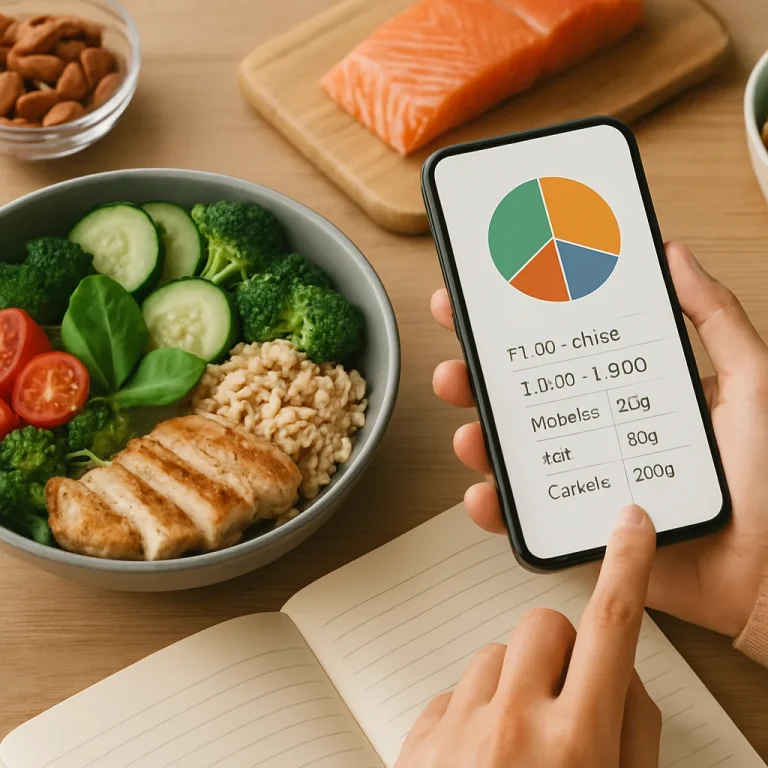
[IMAGE: Planner dashboard with meals and macros — alt text: Personalised nutrition meal plan dashboard showing calories and macros]
Soft CTA: If you’re ready to see what a tailored plan looks like for your own goal, try building one with your actual routine instead of guessing from a generic calculator.
FAQ
What is a personalised nutrition meal plan?
A personalised nutrition meal plan is a food plan built around your calorie needs, macro targets, and health goals. It adjusts for your activity level, body composition goal, and food preferences so the meals are easier to follow.
Is macro tracking necessary for weight loss?
Not strictly, but it helps a lot. Macro tracking makes portion sizes clearer and helps you keep protein high enough to support fullness and muscle retention.
Can a personalised meal plan work for family meal prep?
Yes. Family mode is especially useful because everyone can share the same meal while portion sizes adjust for each person. That makes cooking faster and reduces food waste.
What foods are best for insulin resistance?
Whole foods with high fibre, adequate protein, and controlled portions of carbs usually work well. Examples include eggs, tofu, fish, vegetables, oats, brown rice, and low-sugar fruits like guava or apples.
How much fibre should I aim for?
A practical target is 20g or more per day for most adults. You can get there with vegetables, fruit, legumes, oats, and whole grains without needing extreme dietary changes.
Is this a medical treatment?
No. A personalised nutrition meal plan is informational and should not replace medical advice. If you have kidney disease, diabetes medication changes, or other medical concerns, speak with a qualified healthcare professional.
[PRIMARY CTA] Build a personalised nutrition meal plan with KnowMeal and turn your calorie and macro targets into simple daily meals you can actually follow. Start with your goal, your schedule, and your food preferences — then let the plan do the heavy lifting.
Key Takeaways
- Personalised plans match calories to real goals.
- Macros make meals simpler to manage.
- Family mode reduces cooking and shopping chaos.
- Whole foods work best for consistency.
- Fibre, sodium, and protein still matter.
- Flexible tracking beats perfect tracking.
Frequently Asked Questions
Q: What is a personalised nutrition meal plan?
How does KnowMeal calculate activity levels?
Can I use a personalised meal plan for fat loss and muscle gain?
Is this suitable for people with insulin resistance?
What makes KnowMeal different from a basic meal planner?
Can personal trainers manage client plans in KnowMeal?
Build a **personalised nutrition meal plan** with KnowMeal and turn your calorie and macro targets into simple daily meals you can actually follow. Start with your goal, your schedule, and your food preferences — then let the plan do the heavy lifting.
—ARTICLE END—




One Comment