
Family Meal Planning App for Easier Weekly Meals
family meal planning app
A family meal planning app helps one household plan shared meals, build a single grocery list, and reduce the nightly “what’s for dinner?” debate. For busy families in Singapore and Southeast Asia, it also makes healthy eating more realistic because everyone eats from the same plan, with portions adjusted for adults, kids, and fitness goals.
If you want fewer takeout decisions, less food waste, and a calmer week, this guide shows how family meal planning works, what features actually matter, and how to use it for faster prep, healthier routines, and better grocery control. You’ll also see how a good app supports macros, shared meals, and practical whole-food cooking with ingredients you can buy at NTUC FairPrice, Sheng Siong, Giant, wet markets, or neighbourhood grocers.
Why families need a better meal planning system
The weekly food problem usually starts small. One person wants rice, another wants pasta, a child refuses vegetables unless they’re hidden, and someone else is trying to hit a protein target. By Thursday, the fridge looks like a random science experiment.
A family meal planning app solves this by creating one set of meals that can serve everyone. That means less duplicate shopping, fewer “backup” meals, and fewer nights where one parent cooks two different dinners because the kids only trust beige food.
For families I’ve worked with and seen in practice, the biggest win isn’t perfect nutrition. It’s consistency. A plan that repeats a few reliable meals every week beats a grand, unrealistic “healthy reset” that collapses after two days and one tired evening at 7:30 pm.
What families usually struggle with
- Too many opinions at dinner
- Grocery lists scattered across chats and notes
- Food waste from impulse buying
- Different calorie or protein needs in one household
- Decision fatigue after work
- Inconsistent meal prep on Sundays
The right app cuts through that mess. It doesn’t make family life magical. It just makes it less chaotic.
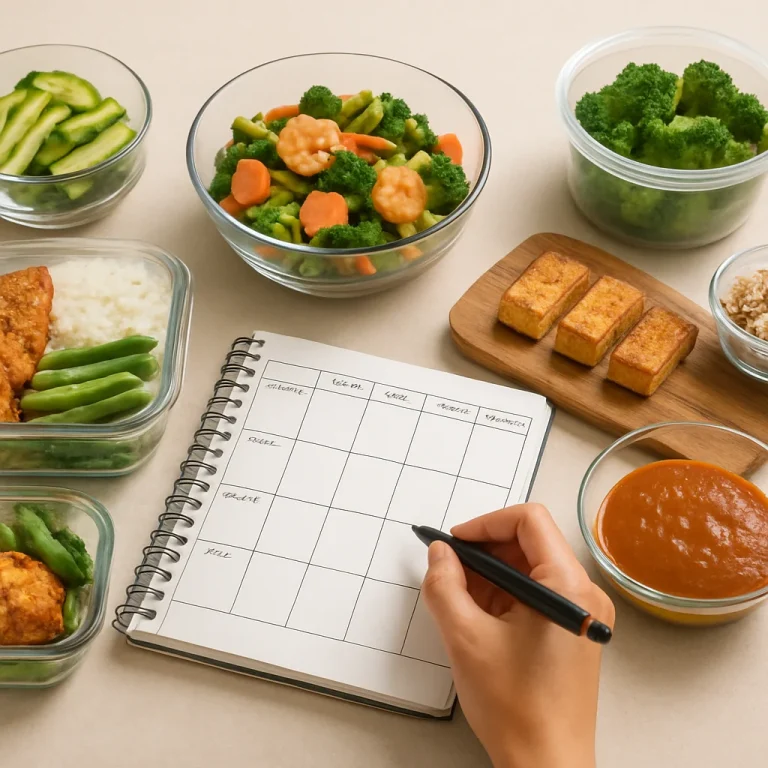
[IMAGE: Busy family meal prep setup with labeled containers and shared ingredients + alt text: family meal planning app weekly prep with shared containers and grocery list]
What a family meal planning app should actually do
A lot of meal apps look helpful until you try to use them for real family cooking. Then you discover they’re built for one person eating one sad chicken salad seven days in a row.
A useful family meal planning app should handle shared meals, mixed appetites, and real shopping constraints. It should make the planning process faster, not add another layer of admin to your life.
Must-have features for family use
- Shared meal calendar for the whole household
- One grocery list that updates automatically
- Portion adjustments for adults, children, and active users
- Meal duplication or batch cooking for leftovers
- Recipe filtering by calories, protein, or dietary needs
- Family-wide meal alignment so everyone eats the same dish
- Drag-and-drop meal swaps when schedules change
- Weekly prep summary for batch cooking and shopping
One feature I consider non-negotiable is shared grocery management. If an app can’t consolidate ingredients into one list, it’s just a recipe viewer with ambition.
Another important one is meal alignment. Families don’t need five separate dinners. They need one dinner with flexible portions and a side salad, soup, fruit, or extra rice for whoever needs it.
How family meal planning reduces decision fatigue
Decision fatigue is real. By evening, even choosing between fish and chicken can feel like a team meeting no one scheduled.
A family meal planning app reduces that mental load by removing repetitive decisions. Once the week is planned, you’re not re-litigating dinner every day. The app becomes the source of truth, and that’s a relief when everyone is hungry and someone is already asking for snacks.
The practical effect
- Fewer last-minute delivery orders
- Less arguing over what to cook
- More predictable shopping
- Better use of leftovers
- Easier coordination between partners or caregivers
I’ve seen this work best when families choose a repeatable meal structure. For example:
- Monday: rice bowl with protein and greens
- Tuesday: noodle soup or stir-fry
- Wednesday: tray-bake or air-fryer meal
- Thursday: leftovers or mixed plate
- Friday: family favorite night
That kind of rhythm helps because it lowers planning effort without making meals boring. And yes, the occasional frozen fish cake night still happens. That’s called realism.
[INTERNAL LINK: weekly family meal prep guide]
How to build one shared meal plan for different family members
Families rarely eat the same amount, but they can eat the same meal. That distinction matters.
A smart family meal planning app should let you plan one dish and then adjust servings or sides based on the person. For example, a parent managing insulin resistance may need more fibre and a tighter carb budget, while a teen athlete may need more rice or fruit after training.
A simple way to plan one meal for everyone
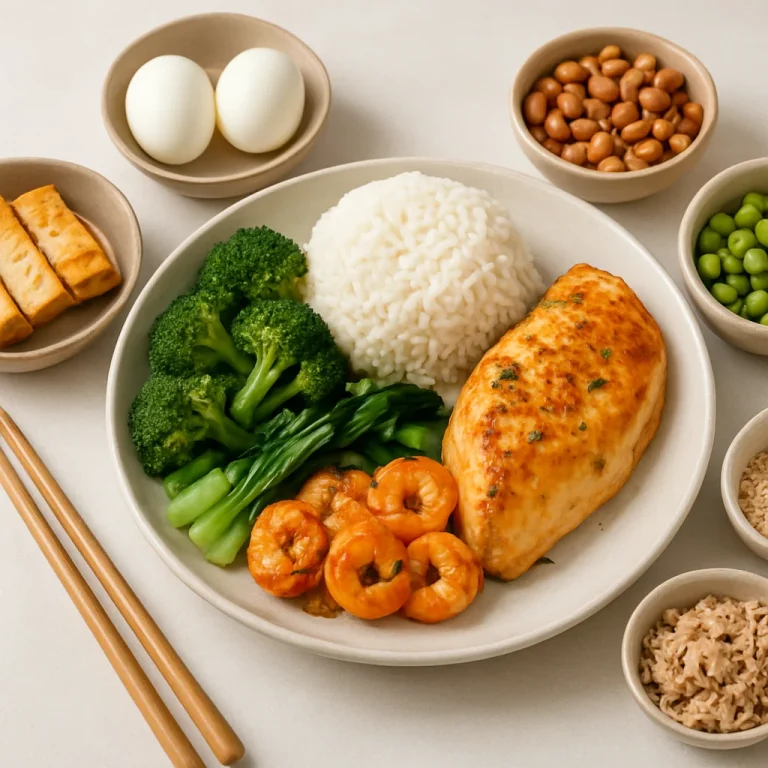
- Choose one protein: chicken thigh, eggs, tofu, fish, lean pork, tempeh.
- Add one or two vegetables: chye sim, bok choy, cabbage, cucumber, okra, tomatoes.
- Add one carb base: brown rice, jasmine rice, sweet potato, oats, wholemeal bread, noodles.
- Add one fat source: sesame oil, peanut butter, avocado, peanuts, eggs.
- Adjust portions by person.
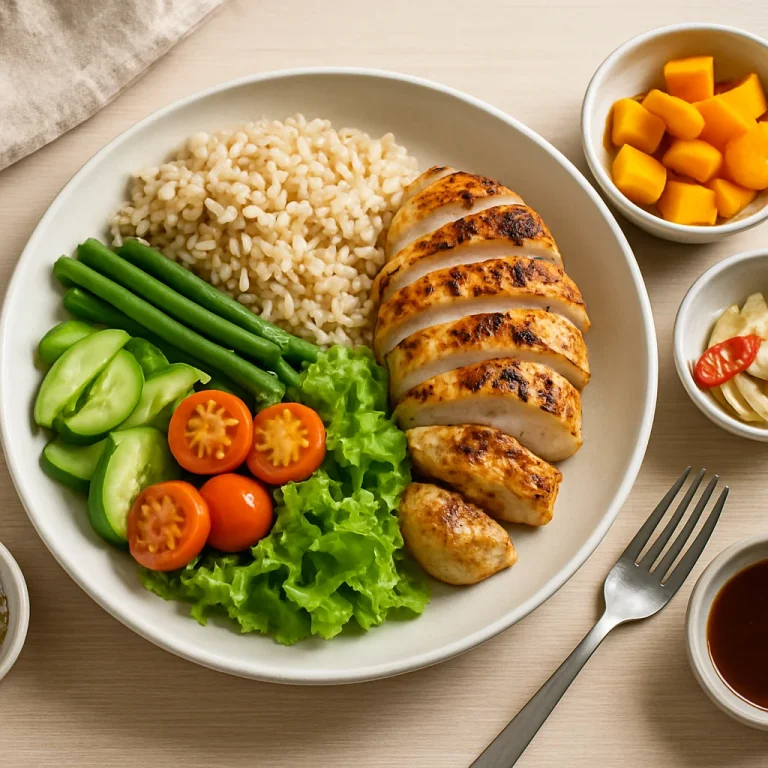
For example, a ginger soy chicken rice bowl can work for the whole family:
- Adults focused on weight loss: more vegetables, smaller rice portion
- Active teens: extra rice and fruit
- Older adults: softer vegetables and lower sodium soy sauce
- Kids: chicken pieces, cucumber slices, and familiar rice
That’s the real value. One cooking session. Many needs.
A note on macros, without making dinner feel like accounting
For most families, you don’t need a lab coat to eat well. Just remember:
- Protein helps with muscle repair and fullness
- Carbs provide energy for work, school, and training
- Fat supports hormones and helps meals feel satisfying
- Fibre supports digestion and steadier blood sugar
A good family meal planning app can show these clearly so you’re not guessing. If one meal is short on fibre, you can fix it with vegetables, beans, or fruit instead of pretending the problem doesn’t exist.
Grocery shopping becomes easier when the list is shared
Shopping chaos is expensive. One person buys spring onions, another buys spring onions, and suddenly you have enough to garnish a restaurant.
A family meal planning app with a shared grocery list keeps everyone on the same page. It should group ingredients by category and total quantities across the week. That’s especially useful for Singapore households buying from a mix of supermarkets, wet markets, and occasional online delivery.
What a good shared grocery list should include
- Ingredient totals by recipe
- Automatic aggregation of duplicates
- Pantry staples separated from fresh items
- Checkboxes for store visits
- Notes for substitutions
- Family member comments or edits
Real-world example: if your plan includes chicken curry, stir-fried kai lan, and overnight oats, the app should combine the garlic, onion, oats, and eggs into one list. That saves both money and mental bandwidth.
It also helps with budgeting. A family of four can easily spend S$120–S$220 per week on groceries depending on protein choices, snacks, and whether they shop at wet markets, supermarkets, or both. Planning reduces the “I forgot we needed five things” tax, which is one of the quietest ways money disappears.
[IMAGE: Shared grocery list on phone beside market produce + alt text: family meal planning app shared grocery list for Singapore groceries]
Meal prep efficiency: how to cook once and eat well all week
The best meal planning system doesn’t ask you to become a weekend marathon cook. It asks you to prep smartly.
A family meal planning app helps you identify overlapping ingredients so you can batch-cook components instead of building every meal from scratch. That usually means a protein, a carb, two vegetables, and one sauce that can stretch across multiple meals.
Batch-prep strategy that works
- Cook 2 proteins for the week
- Prep 2 carb bases
- Wash and cut 3 vegetables
- Make 1–2 sauces
- Portion snacks for grab-and-go use
Example prep session:
- Roast 1.2 kg chicken thighs
- Boil 8 eggs
- Cook 4 cups uncooked rice
- Stir-fry cabbage and carrots
- Make a simple garlic-chilli sauce
That can feed breakfast, lunch, and dinner combinations for several days without feeling repetitive. A good family meal planning app helps you map those ingredients across meals so nothing gets forgotten at the back of the fridge.
For families with young children, that flexibility matters. Kids may eat more predictably on Monday and suddenly reject the same meal on Wednesday because they’ve entered a phase. That’s not a failure of planning. That’s childhood.
How KnowMeal supports families specifically
KnowMeal is built around practical family planning, not rigid dieting. It helps you plan meals with shared grocery lists, family mode, and macro-aware portions so everyone can eat from the same menu.
A few features matter especially for households:
- Family mode aligns meals across up to 5 members
- Shared grocery lists reduce duplicate buying
- Meal customization lets you swap slots with drag-and-drop control
- Real-time macro updates keep the plan accurate after edits
- Whole-food meal generation focuses on affordable, familiar ingredients
KnowMeal also uses a more realistic activity calculation than the usual generic 1–5 scale. It considers work type and exercise duration, which matters for parents who are on their feet all day, desk workers who do evening runs, and seniors who stay active through daily movement rather than gym sessions.
That makes the meal plan more honest. A desk-bound parent doing two school runs and a 40-minute walk is not the same as a warehouse worker who trains three times a week.
If you’re comparing options, look for a family meal planning app that does more than store recipes. It should guide the actual logistics of family eating.
Health goals families can support with one plan
A family meal plan isn’t just about convenience. It can support shared health goals without turning the dinner table into a clinic.
Common goals a family plan can support
- Weight management
- Body recomposition
- Better blood sugar control
- Lower sodium meals
- Higher fibre intake
- More protein at breakfast
- Simpler school lunch prep
For households managing insulin resistance or prediabetes, a balanced meal with enough protein and fibre can help with satiety and smoother glucose response. That doesn’t mean cutting out rice forever. It means pairing rice with vegetables, protein, and sensible portions.
For families concerned about blood pressure, the practical move is lower-sodium cooking. Use ingredients like garlic, ginger, lime, black pepper, herbs, and reduced-sodium soy sauce where needed. In Singapore, a lot of home cooking gets healthier fast when people stop pouring seasoning like they’re auditioning for a salt commercial.
For kidney health concerns, the advice needs caution and individualisation. Protein and potassium needs can vary a lot depending on the medical condition, so the plan should be adjusted with guidance from a qualified clinician or dietitian.
[INTERNAL LINK: insulin resistance meal planning basics]
Best foods to keep family meals affordable and realistic
The most sustainable plans use ingredients you can actually find and afford. That means no obscure grains shipped across three oceans when cabbage, eggs, tofu, sardines, and chicken are right there.
Smart whole foods for Singapore families
- Eggs
- Tofu and tempeh
- Chicken breast or thigh
- Canned tuna or sardines
- Fish like batang, dory, or salmon when budget allows
- Brown rice or jasmine rice
- Sweet potato
- Oats
- Cabbage
- Kang kong
- Bok choy
- Chye sim
- Cucumbers
- Tomatoes
- Bananas, papaya, guava, oranges
- Greek yogurt or plain yogurt
- Beans and lentils
These ingredients work because they’re versatile. They can become soup, stir-fry, rice bowls, wraps, curries, or breakfast plates.
A family meal planning app is most useful when it builds meals from this kind of ingredient base. That keeps costs more predictable and helps households stick with the plan beyond one enthusiastic week.
Common mistakes families make with meal planning
A plan can still fail if it’s too ambitious.
Mistakes I see often
- Planning seven unique dinners every week
- Ignoring kids’ food preferences entirely
- Buying too many perishable ingredients
- Forgetting lunch and breakfast
- Making the plan too low in protein
- Not allowing for leftovers
- Overcomplicating sauces and recipes
The biggest mistake is trying to make family eating look like a food magazine. Real life needs repetition. It needs backup meals. It needs the occasional frozen edamame or wholemeal bread sandwich.
A good family meal planning app should make room for that reality. If it requires perfect execution, it’s probably not built for actual families.
How to use a family meal planning app in 15 minutes
You don’t need a long Sunday planning ritual. Fifteen minutes is enough if the app is set up well.
Simple weekly workflow
- Choose 3–5 core meals
- Add 1 breakfast option
- Add 1–2 lunch options from leftovers
- Set snack defaults
- Build the grocery list
- Review portions for each family member
- Prep what can be washed, chopped, or cooked ahead
That’s it. The system should save time, not consume your whole afternoon.
If your household wants an easier start, use the same meals for two weeks before changing them. Familiarity improves compliance, and nobody misses a complicated recipe after a long day.
A practical note on expectations
A family meal plan won’t fix every nutrition issue. It won’t make toddlers love broccoli or stop teenagers from eating six slices of toast after sport. It will, however, make healthier choices easier and reduce the friction that causes takeout to win too often.
That’s why the best family meal planning app is the one your household will actually use. Simple beats clever. Shared beats scattered. Repeatable beats perfect.
FAQ
What is a family meal planning app?
A family meal planning app helps households plan meals together, share one grocery list, and organize weekly cooking. It reduces decision fatigue and makes shopping and prep easier.
Can one meal plan work for adults and children?
Yes. The best approach is to cook one shared meal and adjust portions, sides, or snacks by person. That keeps cooking simple while meeting different needs.
How does a family meal planning app help with grocery shopping?
It combines ingredients from the weekly plan into one shared list, so you don’t buy duplicates or forget essentials. That usually saves time, money, and a few frustrating return trips.
Is family meal planning useful for weight loss?
Yes, because it improves consistency and makes portion control easier. It also helps families build balanced meals with enough protein, fibre, and vegetables without relying on takeout.
What foods work best for family meal prep in Singapore?
Affordable staples like eggs, tofu, chicken, rice, oats, cabbage, bok choy, cucumbers, bananas, and canned fish work well. They’re easy to find at supermarkets and wet markets and can be used in many meals.
Is this medical advice?
No. This article is for informational purposes only, not medical advice. If someone in your family has diabetes, kidney disease, high blood pressure, or other medical conditions, check with a qualified clinician or dietitian.
Final thoughts
A family meal planning app works best when it helps your household eat the same meal with less stress, fewer shopping mistakes, and more useful structure. The real win is not a flawless menu. It’s a calmer week, simpler prep, and food that fits actual family life.
If you want a system built for shared meals, smarter grocery lists, and practical macro-based planning for Singapore households, KnowMeal is designed for that. Try it to see how much easier one well-planned week can feel.
Key Takeaways
- One shared plan reduces daily dinner decisions
- Shared grocery lists cut duplicate shopping
- Batch prep saves time across the week
- One meal can suit different household needs
- Whole foods keep family meals affordable
- Consistency beats complicated meal perfection
Frequently Asked Questions
Q: What is a family meal planning app?
Can one meal plan work for adults and children?
How does a family meal planning app save money?
Is family meal planning helpful for weight loss?
What foods are best for family meal prep in Singapore?
Is this medical advice?
Want one shared meal plan that fits real family life in Singapore? Try KnowMeal to build weekly menus, shared grocery lists, and macro-aware meals that make prep faster and healthier.