Calorie Calculator for Fat Loss | KnowMeal Guide
calorie calculator for fat loss
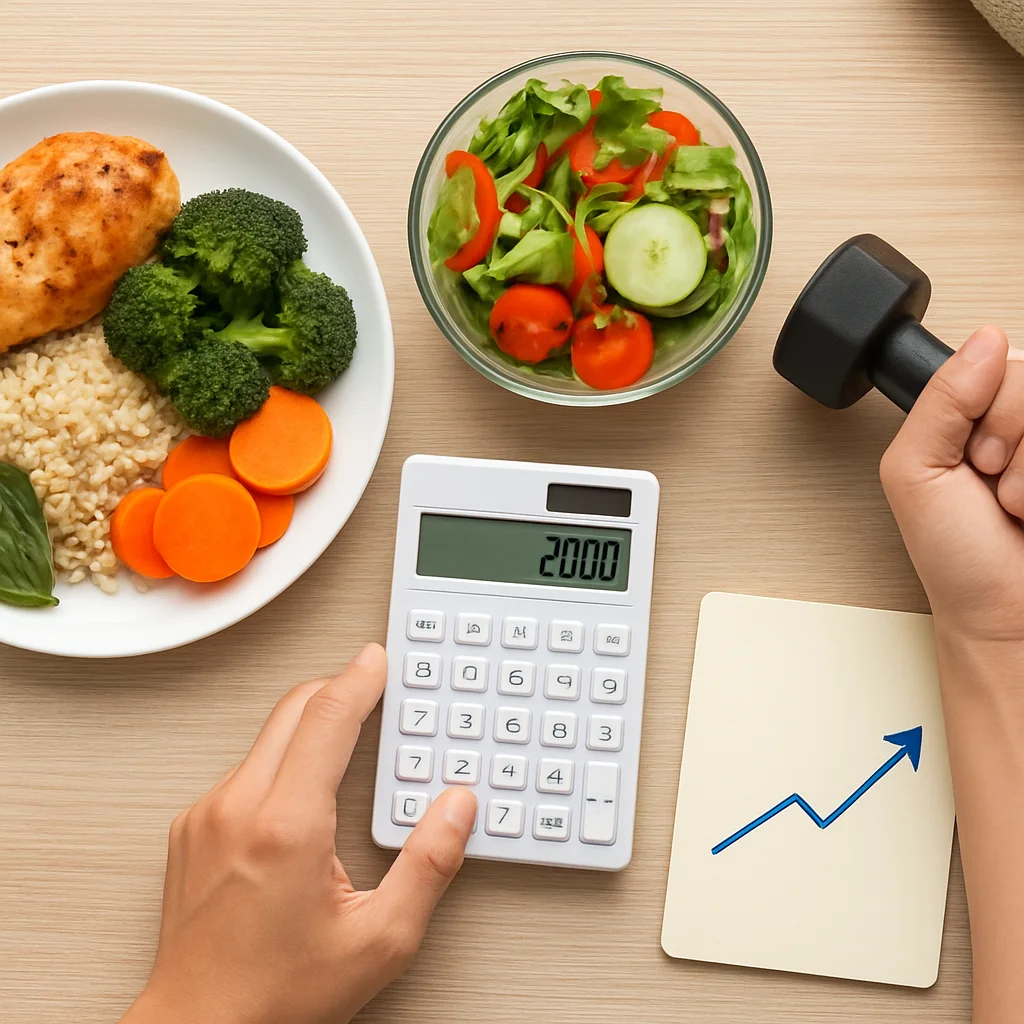
A calorie calculator for fat loss helps you estimate how much to eat so you lose body fat without guessing, starving, or “eating clean” until you’re miserable. The useful part isn’t the number alone — it’s how that number turns into meal portions, protein targets, and a routine you can repeat on a normal Tuesday in Singapore.
You’ll learn how calorie targets are built, why activity level matters, how to translate calories into actual food, and how to avoid the usual traps that wreck fat loss plans. I’ll also show where macro balance, fibre, and realistic meal prep fit in, especially if you’re managing insulin resistance, blood pressure, or just a hectic family schedule.
Why calorie targets matter more than food rules
A calorie target gives your fat-loss plan a budget. Without one, people usually swing between two extremes: eating “healthy” but too much, or eating very little and then rebounding hard on the weekend.
Fat loss still comes down to energy balance. When you consistently eat less energy than you use, your body draws from stored fuel. That’s the simple part. The harder part is making that deficit livable enough that you can stick to it for weeks, not just three heroic days.
A practical calorie calculator for fat loss should do more than spit out a generic number. It should reflect your body size, age, sex, daily movement, work type, and exercise sessions. That matters because a hawker stall owner on their feet all day has a very different calorie need from someone working from home and lifting weights four times a week.
A good target also helps with portion control. A plate of chicken rice can be a 500-calorie lunch or a 900-calorie lunch depending on rice portion, skin-on chicken, and the amount of oily sauce. Same dish. Very different outcome.
[IMAGE: Meal prep containers with rice, chicken, and vegetables + alt text: Whole-food fat loss meal prep with balanced portions for calorie control]
How a calorie calculator for fat loss works
Most calorie calculators start with TDEE — total daily energy expenditure. That’s the number of calories you burn in a day from basic body functions, movement, exercise, and digestion.
Here’s the rough sequence:
- Estimate BMR or resting energy use.
- Add activity from work and exercise.
- Create a calorie deficit for fat loss.
- Split remaining calories into protein, carbs, and fat.
The details matter. A calculator that asks only “How active are you?” and gives you five vague options is usually too crude. Real life is messier. A teacher who stands all day, walks between classrooms, and does Pilates twice a week burns differently from an office worker who does 8,000 steps and one weekend run.
KnowMeal uses a component-based method that looks at work type + exercise sessions + duration. That gives a more realistic target than the usual activity dropdown. It’s the difference between “sort of accurate” and “actually useful.”
For fat loss, a common starting deficit is 300–500 calories per day. That often supports around 0.25 to 0.75 kg per week, though real-world results vary with adherence, water retention, sleep, menstrual cycle, and training stress. Faster loss can happen early, but it’s rarely pure fat. The scale loves drama.
A useful calorie calculator for fat loss should also account for tolerance, because food labels and portion sizes are not exact. In practice, a target of 1,700 calories with a tolerance of ±50 is far more workable than obsessing over a mythical perfect number.
Turning calories into portions you can actually cook
Calories are abstract until they become rice scoops, tofu cubes, fish fillets, and vegetable handfuls. This is where most plans fall apart. People know the number, but not what the number looks like on a plate.
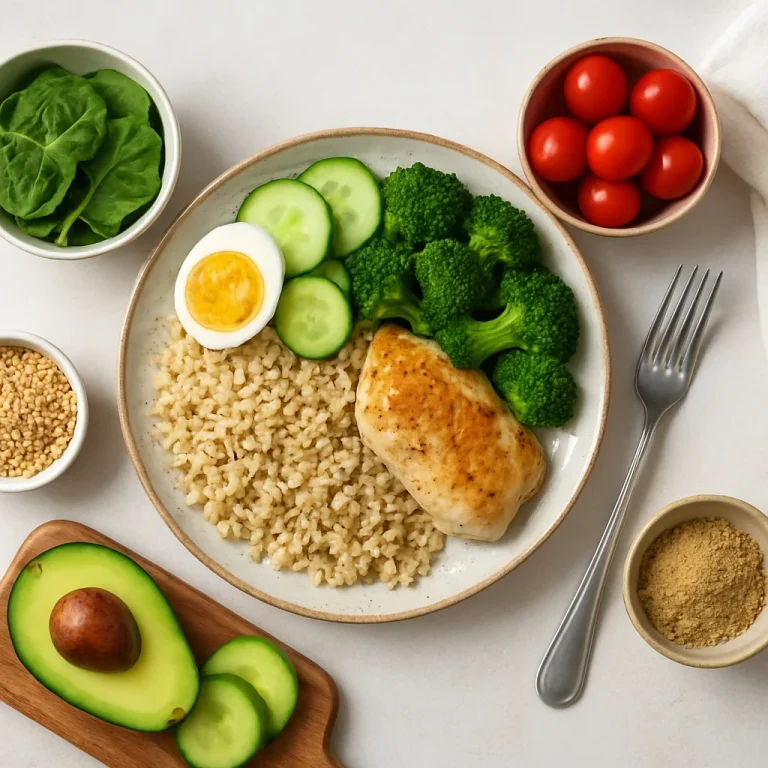
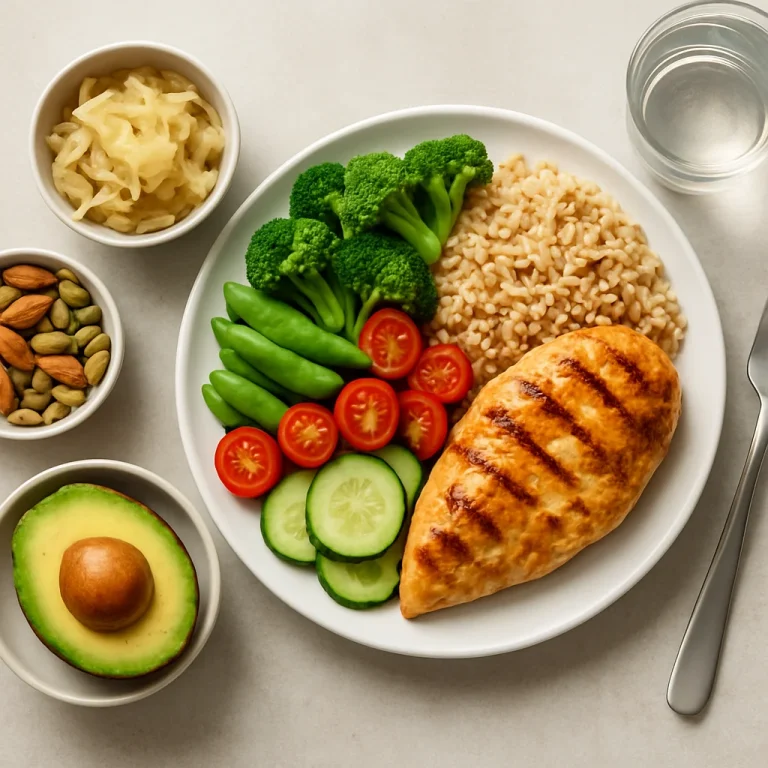
A simple fat-loss plate can look like this:
- Protein: 1 palm to 1.5 palms per meal
- Carbs: 1 fist to 1.5 fists per meal
- Vegetables: 2 fists or more
- Fats: 1 thumb to 2 thumbs per meal
That’s not perfect math, but it’s practical. It gives you a visual rule when you’re eating at home or ordering cai fan.
For Singapore and Southeast Asia, good staples include:
- Eggs from NTUC FairPrice or Sheng Siong
- Skinless chicken breast or thigh from wet markets
- Tahu/tau kwa for cheaper protein
- Canned tuna in spring water
- Greek yogurt if you tolerate dairy
- Brown rice, red rice, or jasmine rice in measured portions
- Leafy greens, kailan, chye sim, bok choy, cabbage
- Frozen mixed vegetables for convenience
- Sweet potato, pumpkin, corn for carb variety
- Fish like batang, tenggiri, saba, and ikan merah
Prices change, but here’s a realistic snapshot from Singapore shopping: eggs often run around S$3.50–S$5.50 per tray, tofu can be under S$2 a block, and chicken breast commonly lands around S$8–S$12 per kg depending on where you buy. Wet markets usually give better value if you don’t mind cooking more often.
A calorie calculator for fat loss becomes useful when you can match your budget to your plate. No one wants a diet plan that looks elegant on screen and collapses at the supermarket.
[IMAGE: Singapore grocery basket with tofu, eggs, greens, and fish + alt text: Affordable Singapore whole foods for calorie-controlled fat loss meals]
The role of macros: protein, carbs, and fat
Calories decide the budget. Macros decide where the budget goes.
Protein helps preserve muscle during fat loss, supports satiety, and makes body recomposition more likely if you train. Carbs provide energy for movement and training. Fats support hormones, absorb fat-soluble vitamins, and make meals less depressing.
A solid fat-loss setup often looks like:
- Protein: 1.6–2.2 g per kg body weight
- Fat: roughly 0.6–1.0 g per kg body weight
- Carbs: the rest of your calories
That doesn’t mean everyone needs a bodybuilding-level protein intake. But if you’re trying to lose fat while keeping muscle, especially in your 30s, 40s, or 50s, protein deserves respect. It’s the nutrient that keeps the plan from turning into “sad salads and regret.”
For many adults, a practical protein target might be 25–40 g per meal. That could come from:
- 2–3 eggs plus tofu
- 150–200 g chicken
- 1 can tuna plus Greek yogurt
- fish with lentils or edamame
Carbs often get blamed for fat gain, but they’re not the villain. A bowl of rice after a walk, workout, or long workday can help adherence and energy. The real issue is usually portion size, not the existence of rice itself.
If you’re managing insulin resistance, consistency matters more than carb fear. Higher-fibre carbs, sensible portions, and protein at each meal usually work better than extreme restriction. If you want a deeper practical breakdown, [INTERNAL LINK: macro tracking basics for beginners] fits nicely here.
How activity changes the number
Two people can eat the same meal and get different results depending on activity. That’s why a calorie calculator for fat loss should reflect real movement, not just gym membership optimism.
Consider these examples:
- Office worker, 6,000 steps, no training: lower calorie need
- Retail staff on feet all day, 8,000–12,000 steps: moderate calorie need
- Parent carrying kids, cooking, walking, training 3x/week: often higher than expected
- Personal trainer demonstrating exercises all day: higher energy burn, though not always high-intensity cardio
I’ve seen people under-eat because they “only do light exercise,” when their job already burns more than they think. I’ve also seen people overestimate calorie burn from a 30-minute gym session and then add dessert as a reward for heroic effort. Human beings are creative.
KnowMeal’s component-based method is useful because it separates:
- work movement
- exercise sessions
- exercise duration
That gives a more realistic daily target than a one-size-fits-all activity label. It also helps on rest days, when you may need fewer calories but not a completely different food life.
Sustainable fat loss for Singaporean lifestyles
The best fat-loss plan is the one that survives family dinners, office lunches, and the occasional kaya toast temptation. If your plan can’t handle normal life, it’s too brittle.
For Singaporean eating patterns, I usually recommend a few practical rules:
- Keep protein at every meal
- Aim for 20 g+ fibre daily
- Build meals around whole foods first
- Use rice, noodles, and bread in measured portions
- Limit sugary drinks to occasional treats
- Choose kopi kosong, teh kosong, or water more often
A full day can still feel normal:
- Breakfast: two eggs, wholegrain toast, kopi kosong
- Lunch: rice, steamed fish, stir-fried greens, tofu
- Snack: Greek yogurt or fruit
- Dinner: chicken thigh, cauliflower rice or a smaller rice portion, cabbage, soup
This is where a calorie calculator for fat loss earns its keep. It stops the guesswork and gives you a target that supports real food, not diet theatre.
For families, shared meal prep is especially helpful. If everyone eats the same base meal — say, baked salmon, roast chicken, tofu stir-fry, rice, and vegetables — you only change the portions. That saves time and reduces “two dinners, one kitchen” chaos. If you’re cooking for more than one person, [INTERNAL LINK: family meal planning made simple] is worth exploring.
Common mistakes that stall fat loss
The math is usually not the problem. The execution is.
Here are the mistakes I see most often:
- Eating back exercise calories too aggressively
- Underestimating cooking oil
- Drinking calories without noticing
- Skipping protein until dinner
- Going too low, then rebounding
- Using weekend eating to erase weekday progress
Cooking oil is a classic trap. One tablespoon of oil is about 120 calories. A “light stir-fry” can quietly become a full meal’s worth of energy if you’re generous with the bottle. Coconut milk, kaya, peanut sauce, and fried snacks have the same sneaky habit.
Another issue is scale obsession. Weight can rise from salt, stress, poor sleep, constipation, and menstrual cycle shifts. That doesn’t mean fat gain happened overnight. Use weekly averages, not one dramatic morning reading after salted fish noodles.
Also, don’t cut protein too low just to hit a smaller calorie number. You’ll feel hungrier, train worse, and likely lose more lean mass. That’s not the kind of slimming most people want.
A workable calorie calculator for fat loss should help you stay in a deficit without making your life weird. Weird plans rarely last.
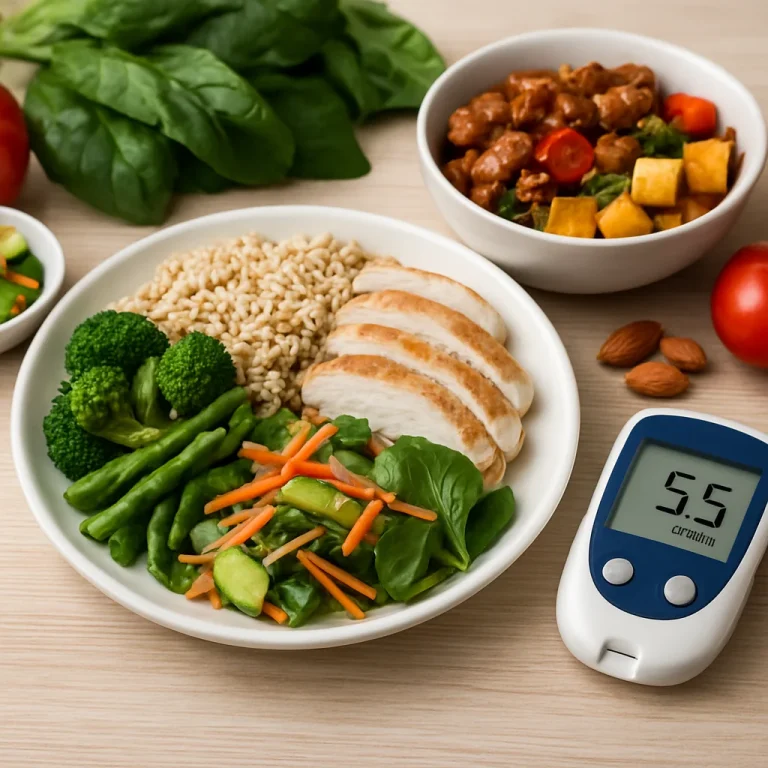
What about insulin resistance, blood pressure, and kidney health?
These concerns need common sense, not internet panic.
For insulin resistance, many people do better with:
- higher protein
- more fibre
- fewer sugary drinks
- sensible carb portions
- regular walking after meals
For high blood pressure, reducing ultra-processed foods and salty sauces helps. Watch processed meats, instant noodles, and very salty soups. A bowl of bak chor mee can be delicious and still not ideal as a daily lunch if sodium is already an issue.
For kidney health, especially if you already have diagnosed kidney disease, protein targets may need individual medical guidance. That’s not a DIY project. People without kidney disease usually don’t need to fear reasonable protein intake, but if you’ve been told to monitor protein, follow your clinician’s advice.
Fibre is another non-negotiable. Aim for at least 20 g daily, and many adults do better closer to 25–30 g. Use vegetables, fruit, beans, chia, oats, and whole grains to get there. Your digestion will thank you, even if your colon doesn’t send a thank-you note.
A smart calorie calculator for fat loss should fit these realities instead of pretending everyone has identical health needs.
How to know if your calorie target is working
Give a target time to work. Don’t judge it after two days and a birthday dinner.
Track:
- Body weight trend over 2–4 weeks
- Waist measurement
- Energy levels
- Training performance
- Hunger and fullness
- Adherence
If weight is not moving after 2–3 weeks, reduce calories by 100–150 per day or increase movement modestly. Don’t slash 500 calories at once unless the original target was clearly too high. That kind of adjustment often creates a revenge-snacking sequel.
If weight is dropping too fast, energy is tanking, or training is suffering, raise calories slightly. Fat loss should feel like a plan, not a punishment sentence.
A useful target is one you can repeat on weekdays, weekends, and the occasional dinner out. If you can keep it up, it works. If you need a monk’s discipline to survive it, it probably won’t.
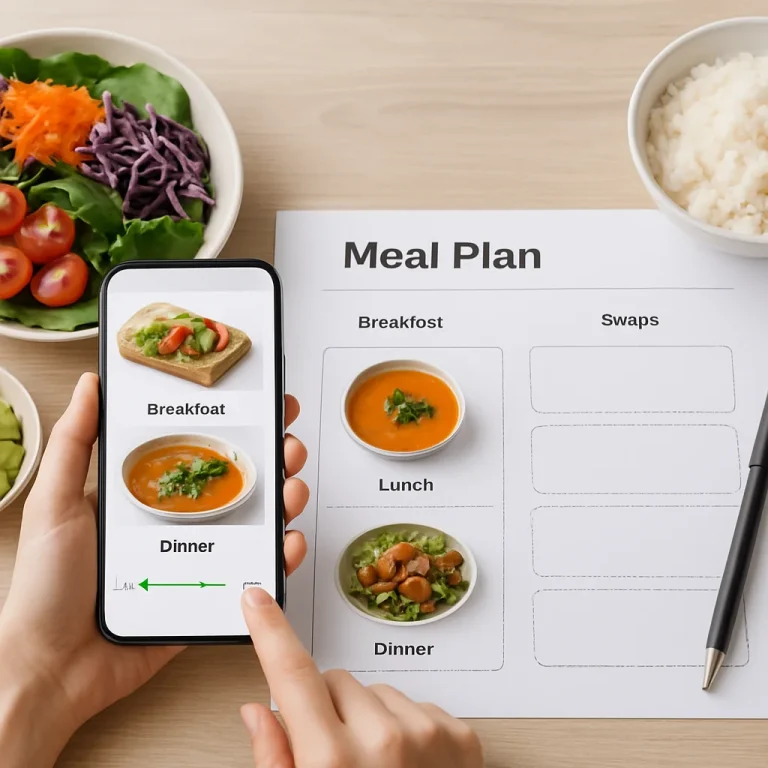
If you want help turning numbers into meals, a personalised setup can remove a lot of friction. [INTERNAL LINK: personalised calorie and macro planning] can show how targets translate into actual breakfast, lunch, and dinner choices.
Final thought: make the number practical
A calorie calculator for fat loss is only useful if it changes what you eat on real plates in real homes. The best plan is not the strictest one. It’s the one that fits your work, your family, your food preferences, and your health goals while still producing steady fat loss.
Start with a realistic calorie target, keep protein high enough, build meals around whole foods, and adjust based on results. That’s how you lose fat without turning dinner into a math exam.
If you want a system that calculates calories with your activity, builds macro-balanced meals, and keeps family or client planning simple, KnowMeal can do the heavy lifting for you.
Disclaimer: This article is for informational purposes only and is not medical advice. If you have diabetes, kidney disease, high blood pressure, or another medical condition, speak with a qualified healthcare professional before changing your diet.
[IMAGE: Person adjusting meal portions on a kitchen scale + alt text: Calorie-controlled fat loss meal planning with portion adjustments and whole foods]
FAQ
How many calories should I eat for fat loss?
A common starting point is 300–500 calories below maintenance. That usually supports steady fat loss without making hunger unbearable. Your exact number depends on body size, activity, and adherence.
Is a calorie calculator for fat loss accurate?
It’s an estimate, not a promise. It becomes accurate only after you test the target for 2–4 weeks and adjust based on your trend data. Think of it as a starting map, not a prophecy.
Should I eat fewer carbs to lose fat?
Not necessarily. Carbs can fit well in fat loss if portions are controlled and protein is high enough. Many people do better with rice, noodles, or bread in smaller servings rather than cutting them out completely.
How much protein do I need during fat loss?
A practical range is 1.6–2.2 g per kg body weight for many active adults. If that feels high, start by getting protein at every meal. Even that simple habit improves satiety and muscle retention.
Why am I not losing weight even with a calorie target?
Common reasons include inaccurate portions, weekend overeating, low activity, poor sleep, water retention, or a target that’s not actually low enough. Check your averages over 2–3 weeks before making changes. One salty meal can hide fat loss on the scale for a few days.
Can I use a calorie calculator for fat loss if I cook for my family?
Yes, and it works even better when everyone eats the same base meal. You can adjust portions for each person instead of cooking separate dishes. That makes meal prep simpler and less expensive.
[PRIMARY CTA] Want a calorie target that actually matches your work, workouts, and meals? Try KnowMeal to calculate fat-loss calories, build macro-balanced meal plans, and keep your family or clients on the same page without the guesswork.
Want a calorie target that actually matches your work, workouts, and meals? Try KnowMeal to calculate fat-loss calories, build macro-balanced meal plans, and keep your family or clients on the same page without the guesswork.