Whole Food Meal Plan for Easy, Healthy Weight Loss
whole food meal plan
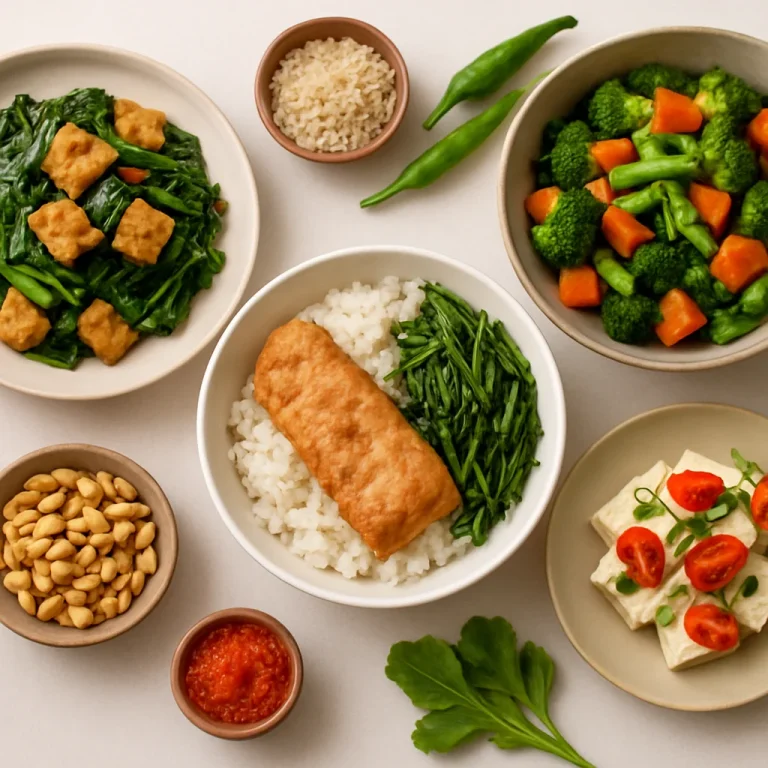
A whole food meal plan makes eating for fat loss, muscle gain, or better blood sugar easier because the food does more of the work for you. Foods like eggs, tofu, chicken thigh, brown rice, oats, Greek yogurt, tempeh, ikan kembung, leafy greens, and fruit are naturally filling, easier to portion, and usually cheaper than heavily processed options over time.
In this article, you’ll learn why whole foods simplify meal planning, how they support body recomposition and steady weight management, and how to build meals around Singapore-friendly ingredients without turning dinner into a spreadsheet marathon. You’ll also get practical meal prep ideas, budget examples, macro tips, and a simple way to make a whole food meal plan work for families, busy professionals, and people managing insulin resistance or high blood pressure.
Why a whole food meal plan works better than “diet food”
A lot of people try to diet by buying products that shout “high protein” or “low carb” from the shelf. That usually lasts about as long as the discount sticker. Whole foods are more forgiving because they’re harder to overeat, easier to combine, and less likely to leave you weirdly hungry an hour later.
The basic reason is simple: protein supports muscle repair and fullness, carbs provide training and daily energy, and fat helps hormones and satiety. When those come from minimally processed foods, you also get fibre, water, and micronutrients that packaged meals often miss.
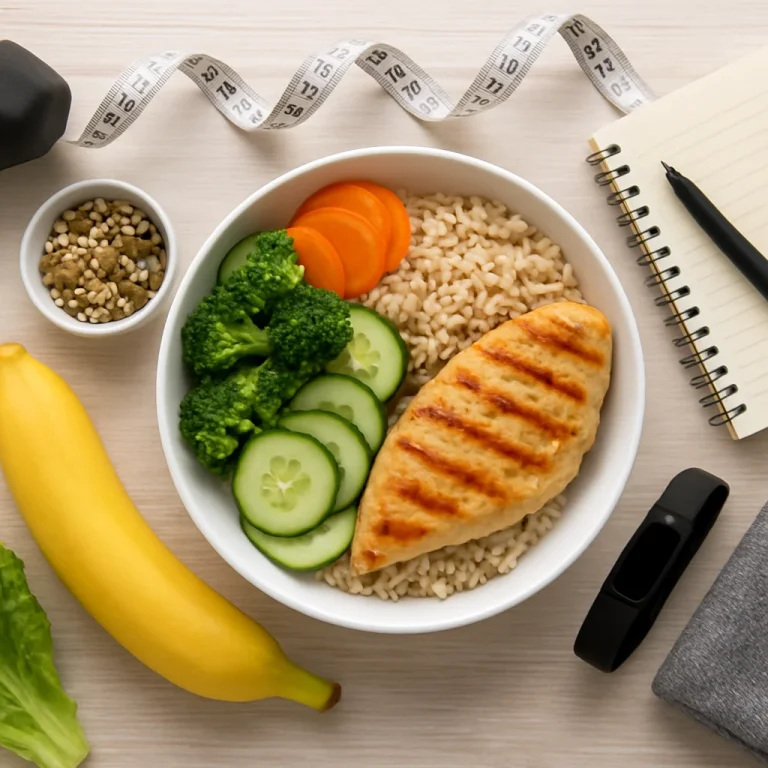
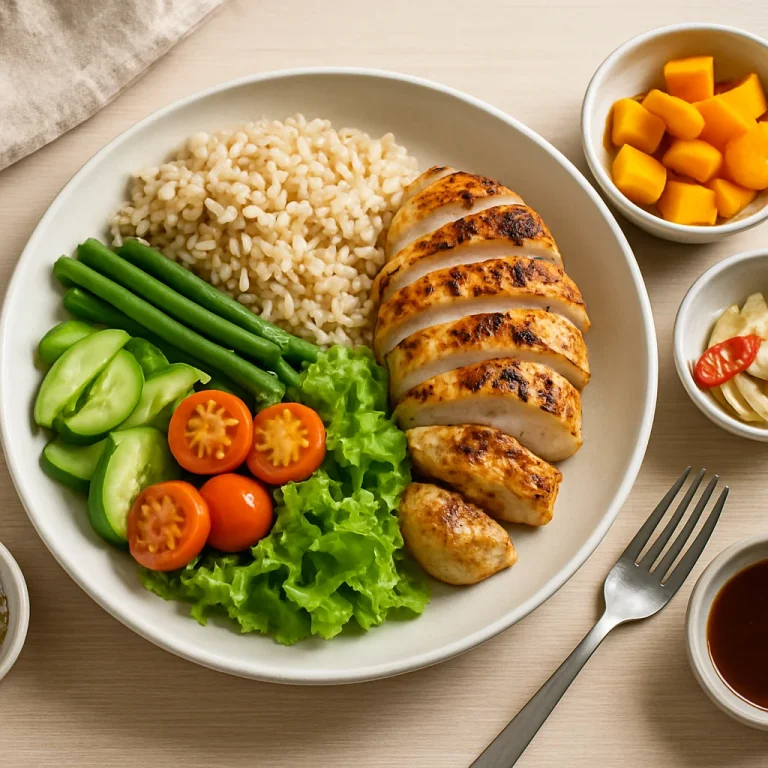
A whole food meal plan also makes tracking easier. A plate of rice, chicken, and vegetables is much easier to estimate than a mystery bowl with three sauces, fried bits, and “just a little” mayo. If you’re using calorie targets, that matters.
Whole foods reduce decision fatigue
Meal planning fails often because people get tired of deciding what to eat. Whole foods cut through that noise. Once you have a shortlist of reliable staples, planning becomes a repeatable system instead of a daily argument with your fridge.
Common Singapore-friendly staples include:
- Protein: eggs, tofu, tempeh, skinless chicken breast, chicken thigh, sardines, ikan kembung, Greek yogurt
- Carbs: brown rice, jasmine rice, oats, sweet potato, wholemeal bread, bananas, papaya
- Vegetables: bok choy, kailan, spinach, cabbage, cucumber, tomatoes, carrots, bean sprouts
- Fats: avocado, peanut butter, sesame oil, olive oil, almonds, chia seeds
If you’re building a family setup, this matters even more. A shared ingredient list for chicken, rice, and vegetables is much easier than cooking separate “diet meals” for everyone.
[IMAGE: Singapore whole food staples on a kitchen counter — alt text: Affordable Singapore whole food meal plan staples including eggs, tofu, rice, vegetables, and fish]
Why whole foods are usually more budget-friendly over time
Whole foods can look less convenient at first glance, especially if you compare them with fast food or ready-to-eat items. But in real life, the math often flips when you cook for several meals at once.
A tray of 12 eggs from NTUC FairPrice or Sheng Siong is often one of the cheapest sources of protein you can buy. A block of tofu, a bag of brown rice, a few carrots, and a kilogram of chicken thigh can stretch into multiple meals. By contrast, buying separate “healthy” snacks or pre-packed bowls adds up fast.
Here’s the trick: whole food meal planning becomes cheaper when you buy ingredients that can be reused in different meals.
For example:
- Roast chicken can become lunch with rice, then dinner in a wrap.
- Boiled eggs can go into breakfast, salad, or noodles.
- Stir-fried cabbage can become a side dish for two days.
- Plain Greek yogurt can become breakfast with oats and fruit.
That reuse is where the savings show up. You’re not buying six different meals; you’re buying six ways to use the same ingredients.
How whole foods help with weight loss and body recomposition
A whole food meal plan supports weight loss because it usually gives you more volume per calorie. Leafy greens, vegetables, broth-based soups, fruit, and lean proteins help you feel full before you’ve blown past your calorie budget. That’s useful when your target is fat loss without feeling like you’re training for misery.
For body recomposition, the key is enough protein and consistent training. A practical target many active adults use is roughly 1.6 to 2.2 g protein per kg body weight per day, though individual needs vary. Whole foods make this easier because your meals are built around actual protein sources instead of “protein-flavoured” snacks with a long ingredient list.
A simple example:
- Breakfast: eggs, oats, banana
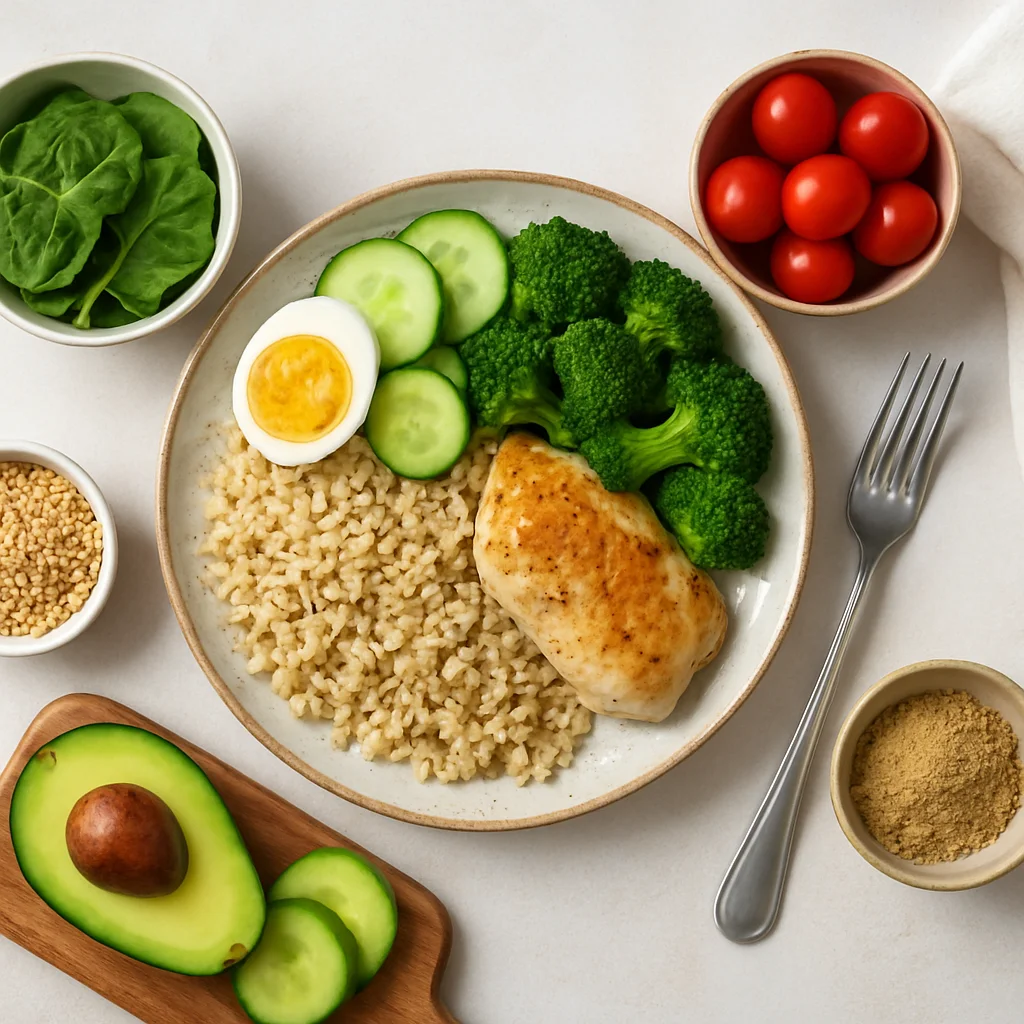
- Lunch: chicken, rice, mixed vegetables
- Dinner: tofu, sweet potato, greens
- Snack: Greek yogurt or fruit
That’s not fancy. It works.
If your goal is body recomposition, the meal plan should also be calorie-aware. For many people, a modest deficit of about 250–400 kcal/day is more sustainable than aggressive cutting. That’s one reason whole foods are so useful: they make the deficit easier to tolerate.
Whole food meal plan ideas for Singaporean eating patterns
A lot of healthy eating advice falls apart because it ignores how people actually eat. In Singapore and across Southeast Asia, meals are often built around rice, noodles, soups, stir-fries, and shared dishes. A whole food meal plan should fit that reality, not fight it.
Breakfast ideas
Try meals that combine protein, fibre, and a little fat.
- Oats + Greek yogurt + banana + chia seeds
- Soft-boiled eggs + wholemeal toast + fruit
- Tofu scramble with tomato and spinach
- Plain overnight oats with peanut butter and papaya
A breakfast like this helps prevent the 10:30 a.m. “why am I suddenly in the snack drawer?” situation.
Lunch ideas
Lunch should be practical, portable, and repeatable.
- Chicken breast or thigh, brown rice, kailan
- Tempeh stir-fry with mixed vegetables and rice
- Ikan kembung, sweet potato, cucumber salad
- Tofu, egg, cabbage, and mushroom rice bowl
If you’re buying from a mixed rice stall, choose one protein, two vegetables, and one carb. Go easy on creamy sauces and fried add-ons. They’re delicious, yes. They’re also very efficient at erasing your calorie deficit.
Dinner ideas
Dinner works best when it’s simple and lower effort.
- Steamed fish, leafy greens, rice
- Chicken soup with carrots, cabbage, and mushrooms
- Egg omelette with sautéed vegetables and avocado
- Tofu and tempeh stew with pumpkin
For families, make one base meal and adjust the portions. Adults may need more protein; kids may need more carbs. Same dish, fewer complaints. Usually.
[IMAGE: Meal prep containers with rice, chicken, vegetables — alt text: Whole food meal plan meal prep with rice, chicken, vegetables, and portioned containers]
How to build a whole food meal plan that actually lasts
A meal plan only works if it survives a busy week. The goal is not perfection. The goal is a system you can repeat on low-energy days.
Step 1: Pick your protein anchors
Choose 3–5 proteins you’ll repeat.
Good options in Singapore:
- Eggs
- Chicken thigh or breast
- Tofu
- Tempeh
- Canned sardines
- Fish like ikan kembung or salmon
- Plain Greek yogurt
If you want better adherence, use foods you already like. A “perfect” plan full of cod and quinoa won’t help if you resent every bite.
Step 2: Choose your carb base
Pick 2–4 carb staples.
- White rice or brown rice
- Sweet potato
- Oats
- Wholemeal bread
- Fruit
People with insulin resistance often do better when carbs are paired with protein, fat, and fibre instead of eaten alone. That doesn’t mean “no carbs.” It means smarter carbs and better portions.
Step 3: Add colour and fibre
Aim for 20g+ fibre daily. That helps fullness, bowel health, and blood sugar control. Good sources include vegetables, fruit, oats, chia seeds, beans, lentils, and whole grains.
A practical plate:
- Half plate vegetables
- Quarter plate protein
- Quarter plate carbs
- Add a small amount of healthy fat
That’s a simple visual rule. It beats trying to count every leaf in the salad bowl.
Step 4: Plan around your real schedule
A whole food meal plan should account for your work, exercise, and family routine. If you train after work, you may need more carbs before or after sessions. If you sit all day, your total calorie target may be lower than someone doing manual work.
This is where KnowMeal’s component-based activity calculation is useful: it factors in work type plus exercise duration instead of using a vague 1–5 activity scale. That leads to more realistic calorie targets and less guesswork.
Whole foods for insulin resistance, blood pressure, and kidney considerations
Many readers want healthier blood sugar without turning meals into punishment. Whole foods help here because they naturally reduce the load of added sugar, refined starch, and excess sodium.
For insulin resistance, focus on:
- Protein at each meal
- High-fibre vegetables
- Whole grains in measured portions
- Less sugary drinks and desserts
For high blood pressure, watch:
- Processed meats
- Instant noodles with heavy seasoning packets
- Very salty sauces and gravies
- Frequent deep-fried takeout
Try flavouring with garlic, ginger, calamansi, lime, coriander, black pepper, turmeric, and chilli instead. Food doesn’t need to taste like cardboard to be healthy.
For kidney health considerations, protein needs can vary a lot depending on medical status. Anyone with kidney disease or concerns should speak with a registered dietitian or doctor before making major protein changes. A one-size-fits-all high-protein plan is not wise there.
If blood sugar is a concern, remember that a whole food meal plan is about pattern, not punishment. Fruit is not the villain. Sugary drinks are usually the bigger issue.
Budget-friendly shopping list for a whole food meal plan
A smart shop in Singapore can keep costs controlled without making meals boring. Prices vary by brand and promotion, but these are often realistic references:
- Eggs: around S$3–6 per tray
- Tofu: about S$1–2 per block
- Brown rice: roughly S$4–8 per bag
- Oats: around S$4–10 per pack
- Chicken thigh: often cheaper than breast, especially in bulk packs
- Local vegetables: kailan, chye sim, cabbage, bean sprouts, often better value at wet markets
- Frozen vegetables: practical and usually underused
If you shop at places like NTUC FairPrice, Sheng Siong, Giant, Cold Storage, or neighborhood wet markets, you can mix convenience with price control. Frozen edamame, mixed vegetables, and fish fillets are also useful when fresh produce supply is tight.
A low-cost weekly basket might include:
- 1 tray eggs
- 2 blocks tofu
- 1–2 kg chicken or fish mix
- 1 bag rice
- 1 bag oats
- 4–6 types of vegetables
- 3–5 fruit items
That’s enough to build many meals without eating the same sad bowl three days in a row.
Meal prep tips that save time without turning your kitchen into a factory
You do not need to cook every component from scratch every day. That’s a fast track to giving up and ordering fried chicken “just this once.”
Use these techniques:
- Batch cook rice for 2–3 days
- Tray roast chicken, tofu, and vegetables together
- Blanch greens for quick reheating
- Portion protein first, then add carbs
- Use sauce on the side so you control calories
A Sunday prep session can take 60–90 minutes and set up three to four days of meals. Keep the process boring. Boring is efficient. Efficient is what gets you to Thursday.
Realistic meal-prep example
Here’s a simple 2-day setup:
Day 1
- Breakfast: oats, yogurt, banana
- Lunch: chicken, rice, broccoli
- Dinner: tofu, sweet potato, cabbage
Day 2
- Breakfast: eggs, toast, fruit
- Lunch: ikan kembung, rice, cucumber, greens
- Dinner: chicken soup with vegetables
That’s a working whole food meal plan without needing 14 ingredients per meal.
How KnowMeal can make whole food meal planning simpler
If you’re tired of building plans in spreadsheets or guessing portions, a structured tool helps. KnowMeal generates personalised meal plans using calorie targets and macro goals, then turns them into practical meals using whole foods commonly available in Singapore and Southeast Asia.
It also supports:
- Solo planning
- Family meal prep for up to 5 members
- Shared grocery lists
- Personal trainer client management
- Drag-and-drop meal swaps with real-time macro updates
That’s useful if you want the benefits of a whole food meal plan without doing manual math every week. A good system should reduce friction, not add another app you ignore after Tuesday.
If you’re curious, start with one week and look at what actually fits your schedule. You’ll usually spot the gaps quickly.
Common mistakes when people start a whole food meal plan
A few patterns show up again and again.
- Too little protein leads to hunger
- Too few vegetables leaves fibre low
- Too much “healthy” fat can quietly blow calories
- Too many new recipes makes prep exhausting
- Too much restriction causes rebound eating
Also, healthy food can still be calorie-dense. Peanut butter, nuts, oils, coconut milk, and avocado are nutritious, but portions matter. Your spoon is not a sacred measuring instrument.
A better approach is consistency. Use a small number of meals you genuinely like, rotate them, and adjust portions based on results after 2–3 weeks.
Final thoughts on making whole foods easier, healthier, and cheaper
A whole food meal plan works because it makes healthy eating less complicated. You get better satiety, steadier energy, more fibre, simpler shopping, and fewer hidden calories than you’d get from constantly chasing “diet” products.
It also gets cheaper in the long run when you build meals from reusable staples instead of single-purpose convenience foods. That’s especially true for Singapore households that need something practical, affordable, and repeatable. Whole foods don’t need to be fancy to work. They just need to be used consistently.
If you want help turning your calorie target into a realistic whole-food plan, KnowMeal can do the heavy lifting while you keep the eating part. Your lunch shouldn’t require a project manager.
Disclaimer: This article is for informational purposes only and is not medical advice. If you have diabetes, kidney disease, high blood pressure, or another health condition, please consult a qualified doctor or registered dietitian before making major dietary changes.
FAQ
Q: What is a whole food meal plan?
A: A whole food meal plan is a meal plan built mostly from minimally processed foods like eggs, tofu, fish, vegetables, fruit, rice, oats, and plain dairy. It focuses on simple ingredients that are easier to portion, more filling, and often cheaper over time.
Q: Is a whole food meal plan good for weight loss?
A: Yes, because whole foods usually provide more volume, fibre, and protein per calorie. That makes it easier to stay full while keeping your calorie intake in a range that supports fat loss.
Q: Can I still eat rice on a whole food meal plan?
A: Yes. Rice can fit well, especially when you pair it with protein and vegetables. For blood sugar control and satiety, keep portions sensible and avoid turning rice into a sauce delivery system.
Q: What are the cheapest whole foods in Singapore?
A: Eggs, tofu, oats, brown rice, cabbage, bean sprouts, bananas, and frozen vegetables are usually budget-friendly. Wet markets and supermarket promotions often make fish and chicken more affordable too.
Q: How much fibre should I aim for?
A: A practical goal is 20g or more per day for most adults, though some people may benefit from more. Build this with vegetables, fruit, oats, chia seeds, beans, and whole grains.
Q: Can a whole food meal plan help with insulin resistance?
A: It can help by reducing added sugar, improving meal quality, and making carb portions easier to manage. Pairing carbs with protein, fibre, and healthy fats is usually more useful than cutting carbs aggressively.
[PRIMARY CTA] Want a whole food meal plan built around your calorie target, macros, and Singapore-friendly ingredients? Try KnowMeal to generate personalised meals, shared grocery lists, and easy swaps that fit your real life.
Want a **whole food meal plan** built around your calorie target, macros, and Singapore-friendly ingredients? Try KnowMeal to generate personalised meals, shared grocery lists, and easy swaps that fit your real life.