What Are Macros in Food? Simple Guide
what are macros in food
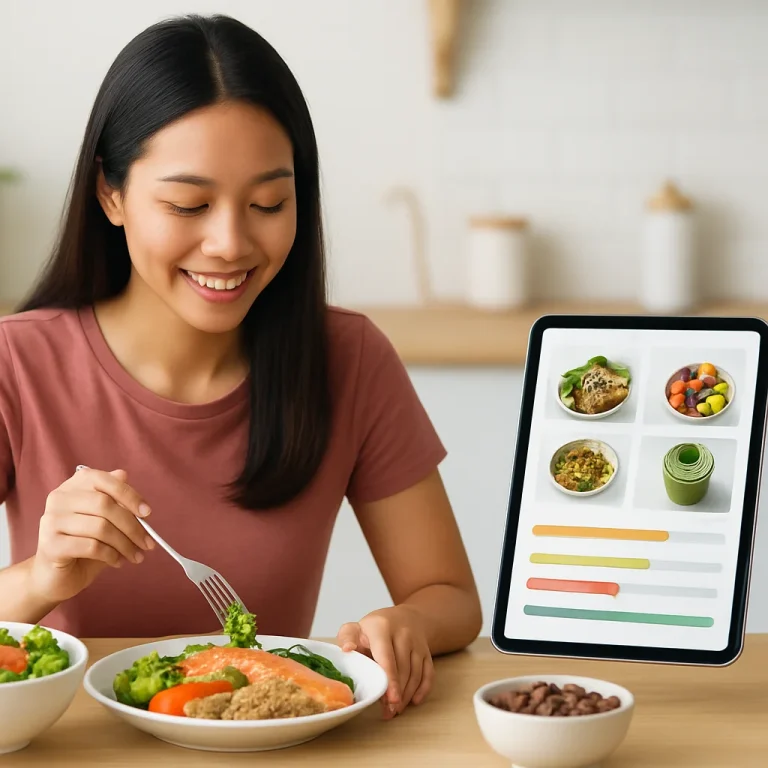
What are macros in food? They’re the three main nutrients your body uses in large amounts: protein, carbohydrates, and fat. Each one plays a different role, and learning how to balance them makes meal planning much easier, whether you want fat loss, muscle gain, better blood sugar control, or just fewer random “what do I eat now?” moments.
If you’ve ever looked at a plate of chicken rice, cai png, or a homemade breakfast and wondered why one meal keeps you full while another leaves you hunting for snacks 90 minutes later, macros are the answer. In this guide, you’ll learn what macros are, how to spot them in everyday food, how they affect hunger and energy, and how to use them to build practical meals with Singapore-friendly foods.
What macros are in food, exactly?
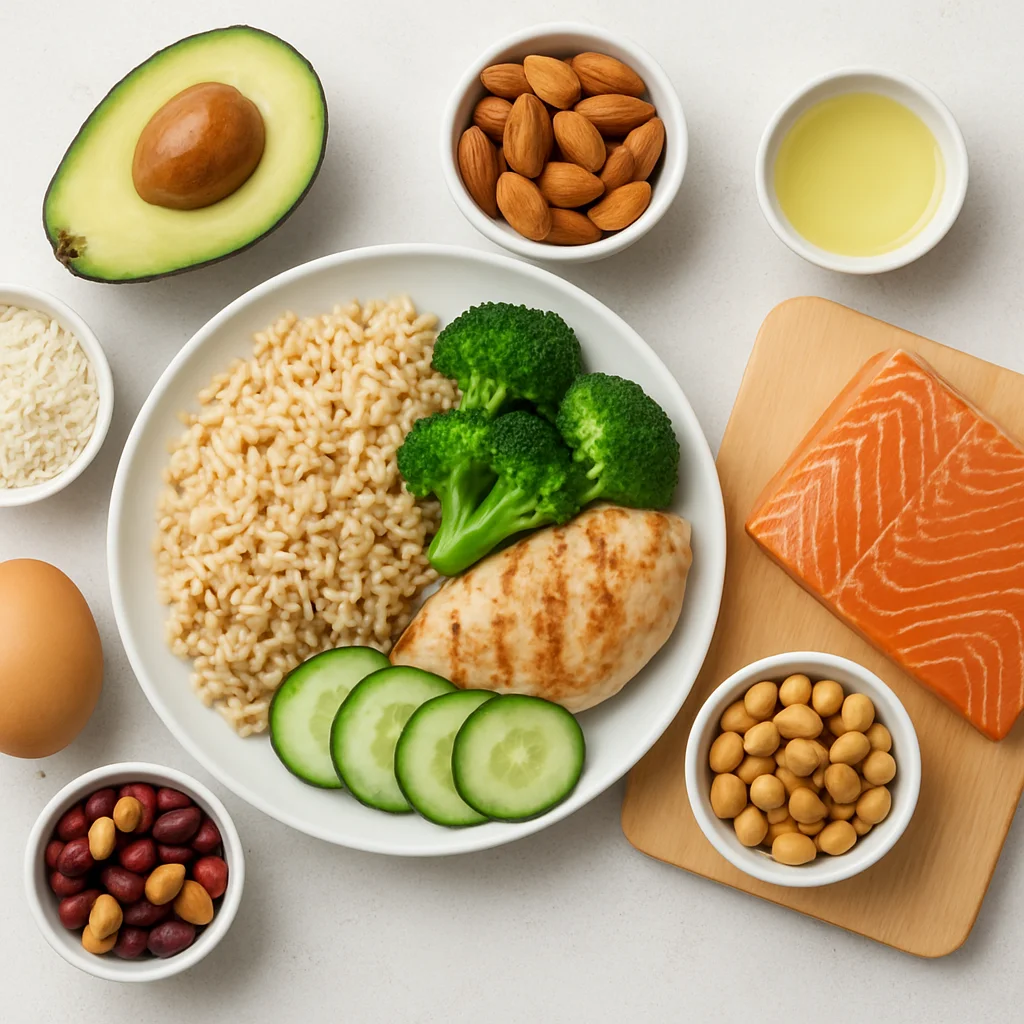
Macros is short for macronutrients. These are nutrients your body needs in larger amounts than vitamins and minerals. The three macros are:
- Protein
- Carbohydrates
- Fat
Your body uses them differently. Protein helps build and repair tissue, carbs are the body’s preferred quick energy source, and fat supports hormones, cell health, and absorption of fat-soluble vitamins like A, D, E, and K.
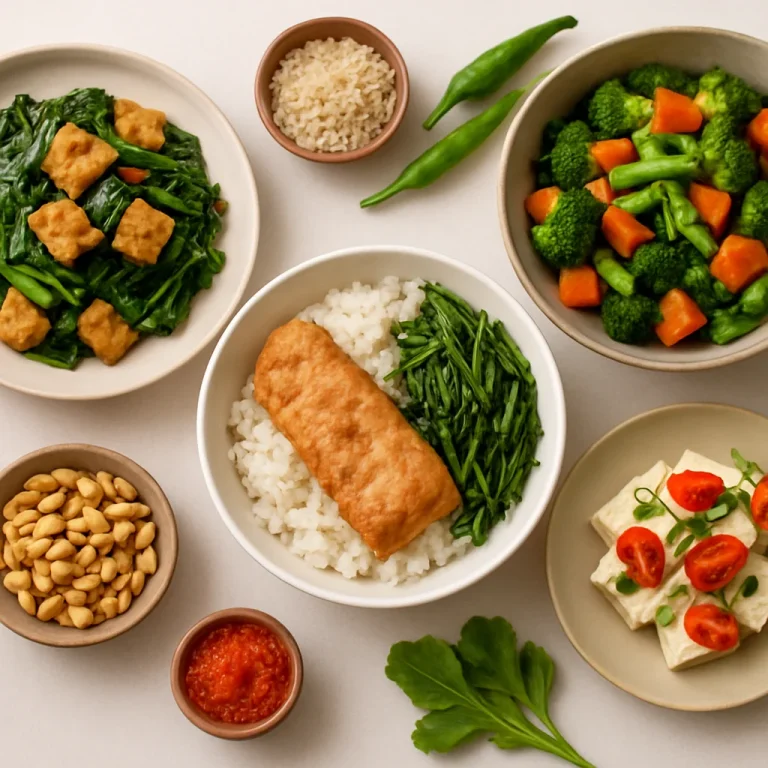
A simple meal usually has all three. A plate of rice with fish, tofu, and vegetables contains carbs from rice, protein from the fish or tofu, and fat from cooking oil or the natural fat in the dish. That’s why macro tracking is less about “good food vs bad food” and more about how much of each nutrient fits your goal.
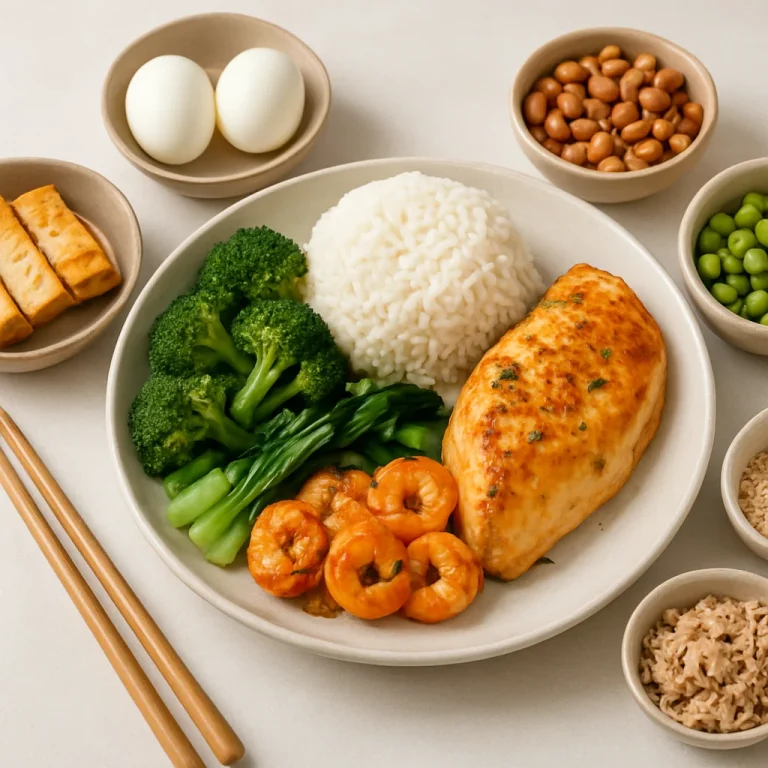
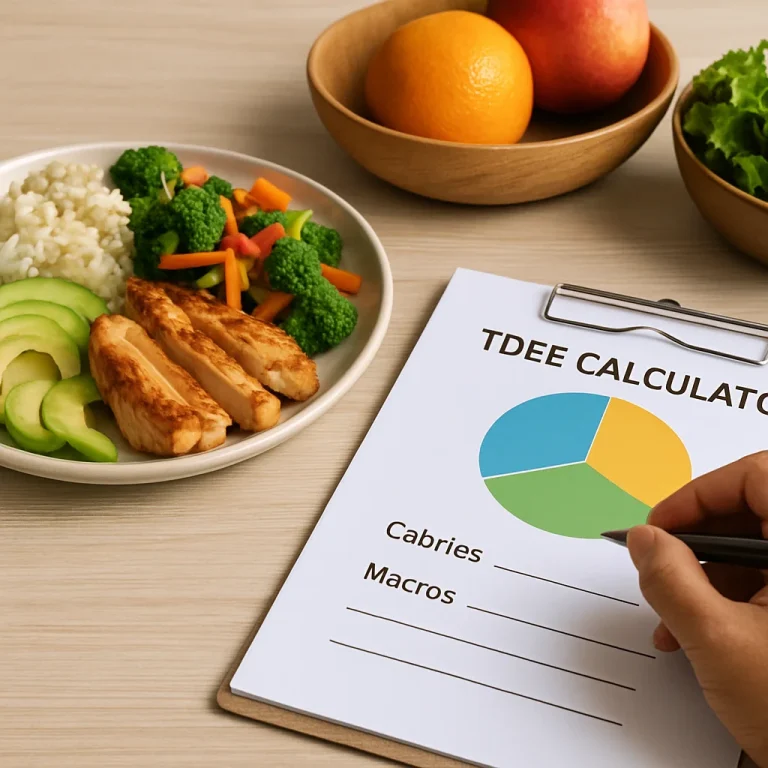
[IMAGE: Balanced Singapore meal plate with chicken, rice, vegetables, and fruit + alt text: balanced Singapore meal with protein carbs and fat]
For beginners, the easiest way to think about what are macros in food is this: macros are the building blocks of your daily calories. Calories come from macros, and your ratio of macros affects fullness, energy, recovery, and body composition.
Why macros matter more than most people think
The same 600 calories can affect your body very differently depending on the macro split. A plate of fried noodles with a few slices of meat may taste great and spike hunger again fast. A 600-calorie meal with chicken breast, brown rice, and vegetables usually keeps people fuller longer because it has more protein and fibre.
That’s one reason macro awareness helps with sustainable weight management. It gives you a structure without forcing you into a miserable food box. I’ve seen this repeatedly with busy office workers in Singapore who eat out most weekdays. Once they understand macros, they stop guessing and start making slightly better swaps that add up.
For example:
- Choosing steamed fish instead of battered fish increases protein without unnecessary fat.
- Swapping white rice portion size from 2 cups to 1 cup lowers carbs while keeping the meal familiar.
- Adding kangkong, chye sim, or cabbage boosts fibre for very little cost.
If you want to build meals that support blood sugar control, this matters even more. A steadier mix of protein, fibre, and controlled carbs often works better than a carb-heavy meal alone, especially for people managing insulin resistance or type 2 diabetes. If you’re looking for more structure, [INTERNAL LINK: TDEE calculator and calorie targets] can help you see how macro goals fit your total daily energy needs.
Protein, carbs, and fat: the simple version
Protein: the muscle and repair macro
Protein is made of amino acids. Your body uses them to build muscle, repair tissues, make enzymes, and support immune function. If you’re trying to preserve lean mass during fat loss, protein becomes even more important.
Common protein foods in Singapore:
- Eggs
- Chicken breast
- Boneless chicken thigh
- Tofu
- Tempeh
- Greek yogurt
- Fish like batang, tenggiri, or salmon
- Prawns
- Lean pork
- Edamame
A practical benchmark many people use is to include a palm-sized protein source at each meal. That’s not a clinical formula, but it’s a useful visual starting point.
Carbohydrates: the energy macro
Carbs break down into glucose, which your body uses for energy. They’re especially useful if you train regularly, walk a lot, or need brain fuel for a long workday. Not all carbs behave the same way, though.
Better carb choices often include:
- Brown rice
- White rice in controlled portions
- Sweet potato
- Oats
- Wholemeal bread
- Bananas
- Papaya
- Beans and lentils
- Corn
- Quinoa, if you actually enjoy paying for it
Carbs are not the enemy. The issue is usually portion size and food pairing. A kaya toast breakfast with sweet coffee hits very differently from oats with eggs and fruit.
Fat: the hormone and satiety macro
Fat helps with hormone production, brain function, and absorbing certain vitamins. It also makes food taste good, which is why we keep eating it. That’s not a moral failure. That’s biology plus a decent sambal.
Healthy fat sources include:
- Eggs
- Avocado
- Peanuts and peanut butter
- Almonds, cashews, walnuts
- Olive oil
- Canola oil
- Sesame oil
- Fatty fish like salmon or sardines
- Coconut milk, in moderation
Fat is calorie-dense. One tablespoon of oil has about 120 calories. That’s easy to forget when cooking “just a little bit” of oil turns into a pan that glistens like a showroom floor.
What macros are in food: everyday Singapore examples
The best way to understand what are macros in food is to look at real meals people already eat. Here are practical examples with approximate macro patterns, not lab-precision numbers.
Example 1: Economy rice / cai png
A typical plate might be:
- 1 serving steamed chicken
- 1 serving stir-fried cabbage
- 1 serving tofu
- 1 small scoop rice
This gives you a decent protein base, some carbs, and fat depending on the cooking style. If you choose braised pork, fried egg, and curry vegetables with lots of gravy, fat and calories climb quickly.
A smarter cai png order for fat loss or glucose control:
- Choose 2 protein items if possible
- Keep rice to half to one scoop
- Ask for less gravy
- Add vegetables that aren’t swimming in oil
Example 2: Hawker centre breakfast
Kaya toast, soft-boiled eggs, and kopi looks harmless until you check the sugar and refined carbs. It’s not forbidden. It’s just not very high in protein, so hunger returns faster.
A more balanced version:
- 2 eggs
- Wholemeal toast if available
- Reduce kaya spread
- Pair with unsweetened tea or kopi less sugar
Example 3: Home-cooked dinner
A simple dinner might be:
- Pan-seared ikan batang
- Brown rice or white rice
- Stir-fried bok choy with garlic
- A side of fruit
This is a solid macro-friendly meal. You’ve got protein, controlled carbs, and fibre. It’s also realistic to cook on a weeknight, which matters more than “perfect” meals you’ll never repeat.
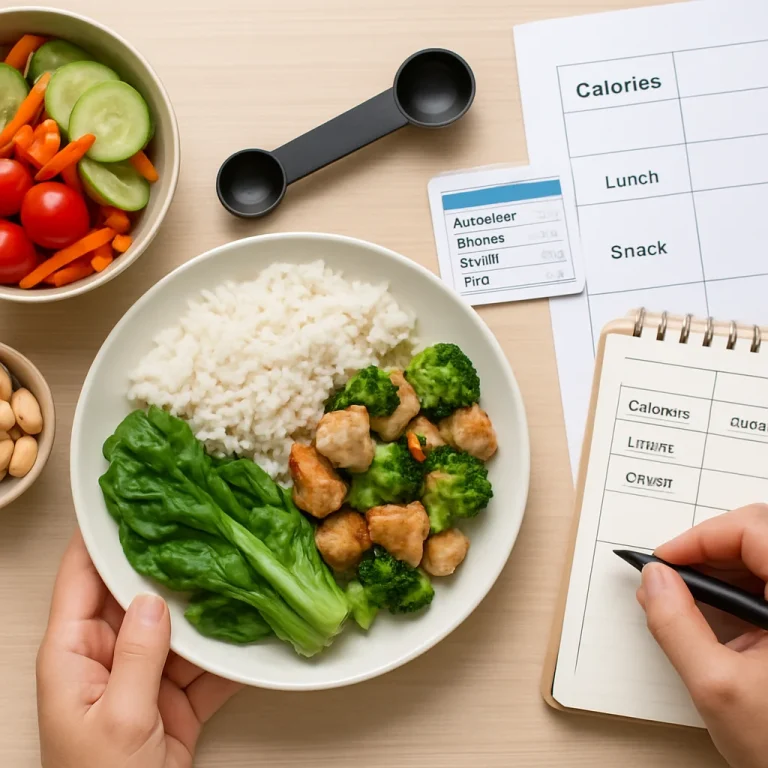
[IMAGE: Hawker meal macro example with rice and protein + alt text: Singapore hawker meal showing protein carbs and vegetables]
Example 4: Family meal prep
Family mode works best when everyone eats the same base meal and only portions change. For instance:
- Roast chicken tray bake
- Potatoes for the kids
- Extra greens for adults
- Different rice portions by member
That keeps cooking sane. Nobody wants to make five different dinners unless they’ve lost a bet.
How macros affect fat loss, muscle gain, and blood sugar
Fat loss
For fat loss, total calories matter most, but macros make the plan easier to follow. Higher protein meals tend to increase fullness and help preserve muscle while you lose weight.
A typical fat-loss setup often includes:
- Moderate protein
- Controlled carbs
- Moderate fat
- Higher fibre
That combination usually helps people stick to their plan longer than ultra-low-carb or ultra-low-fat extremes.
Muscle gain and body recomposition
If your goal is to build muscle or improve body shape, protein matters a lot. You still need enough carbs to train hard and recover well. Fat should stay adequate, but not so high that it crowds out the other macros.
For body recomposition, many people do best with:
- Higher protein
- Carbs timed around training
- Enough calories to support recovery
- Consistent resistance training
If you’re lifting three to five times a week, using a [INTERNAL LINK: macro calculator for muscle gain] is a sensible next step.
Blood sugar and insulin resistance
This is where food quality and macro balance really matter. Pairing carbs with protein, fibre, and some fat can blunt blood sugar spikes compared with eating refined carbs alone. That doesn’t mean carbs are banned. It means you choose and portion them more carefully.
Practical examples:
- Rice with fish and greens is usually better than rice with sweet drinks
- Fruit with yogurt often works better than fruit juice
- Whole grains and legumes can be more blood sugar-friendly than refined noodles
For people with diabetes or prediabetes, the right plan depends on medication, activity, kidney function, and overall health. This article is informational, not medical advice. If you have a medical condition, check with your doctor or dietitian before changing your diet significantly.
How to estimate macros without obsessing over labels
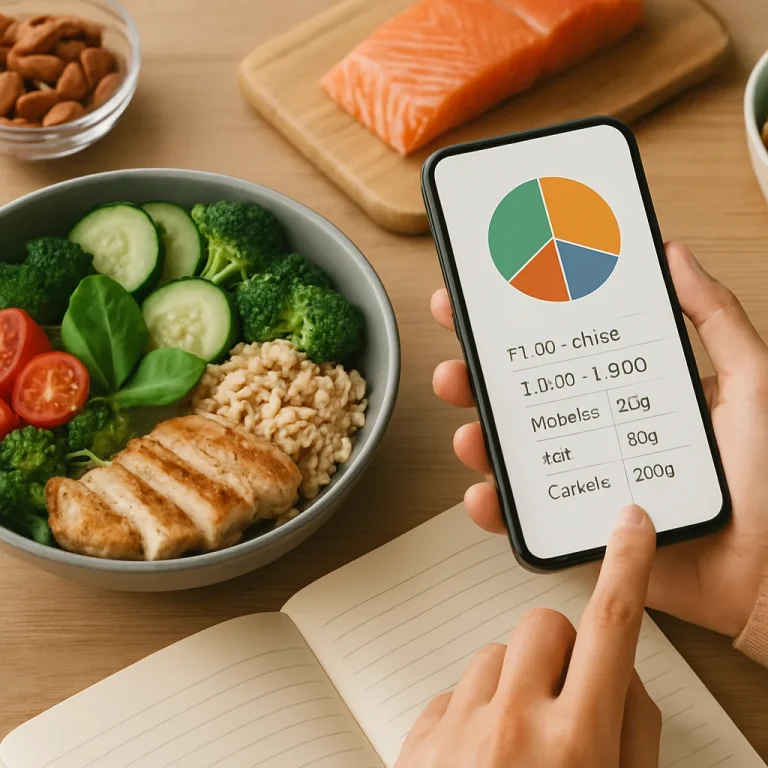
You don’t need to track every gram forever. For many people, simple visual rules are enough to start.
Try this plate method:
- 1/2 plate vegetables
- 1/4 plate protein
- 1/4 plate carbs
- Add a small amount of fat
That’s not perfect, but it works surprisingly well in the real world. If you eat mostly at home, you can use kitchen scales for a few weeks and learn portions fast. A typical meal scale from brands like Tanita or Etekcity costs around S$20–S$50 online in Singapore, which is cheaper than many “healthy” impulse purchases that don’t stay healthy for long.
Useful label clues:
- Protein: chicken, fish, eggs, tofu, Greek yogurt, tempeh
- Carbs: rice, noodles, bread, oats, potatoes, fruit
- Fat: oil, butter, nuts, seeds, coconut milk, fatty meats
If you want better results, track meals for 2–3 weeks first. That’s usually enough to spot patterns, learn portions, and stop underestimating snack calories by heroic amounts.
Smart food choices that fit Singapore supermarkets and wet markets
The best macro plan is the one you can repeat cheaply.
Affordable protein options:
- Eggs from NTUC FairPrice or Sheng Siong
- Tofu and tau kwa
- Frozen fish fillets
- Chicken breast or thigh
- Canned sardines or tuna
- Plain Greek yogurt
Affordable carb options:
- Jasmine rice
- Brown rice
- Oats
- Sweet potatoes
- Bananas
- Wholemeal bread
Affordable fibre options:
- Kangkong
- Chye sim
- Spinach
- Cabbage
- Carrots
- Beans
- Chia seeds, if you already like them
For many families, a weekly shop at FairPrice, Sheng Siong, or the wet market can support excellent meals without fancy ingredients. Fresh tofu, eggs, leafy greens, and fish are often enough to build a solid macro-friendly week.
A small but useful habit: cook one protein in bulk, one carb base, and two vegetables. That gives you mix-and-match meals with less decision fatigue. Which, frankly, is half the battle.
Common macro mistakes beginners make
Here are the mistakes I see most often:
- Only counting calories and ignoring protein
- Eating too little fibre
- Assuming “healthy” means low-calorie
- Drinking calories without noticing
- Overdoing oils, sauces, and dressings
- Cutting carbs too aggressively, then rebounding
- Using macro tracking as punishment instead of a tool
A lot of people also underestimate “small” extras. A drizzle of sesame oil, a spoon of peanut butter, or a bubble tea add-on can shift the whole day’s intake more than expected. It’s not dramatic. It’s just math being rude.
For people with kidney disease, protein targets may need adjustment, and sodium intake can matter a lot for blood pressure. If you have high blood pressure, kidney issues, or diabetes, work with a qualified clinician. Food choices should fit your medical context, not fight it.
How KnowMeal uses macros differently
This matters because not all macro tools are built the same.
KnowMeal is designed around TDEE-based calorie targeting and macro-optimised meal plans built from whole foods commonly available in Singapore and Southeast Asia. It also uses a more practical activity calculation than a basic 1–5 exercise scale, combining work type with exercise sessions and duration to estimate energy needs more accurately.
That means the meal plan reflects real life:
- Office worker with two gym sessions? Different target.
- Delivery rider with long shifts? Different target.
- Parent doing school runs and evening walks? Different target.
KnowMeal also supports:
- Solo meal planning
- Family meal prep for up to 5 members
- Personal trainer client management for up to 100 clients
- Drag-and-drop meal slot changes with live macro updates
- Professional branded PDF exports
That last one is useful if you’re a trainer or coach who wants to hand clients something polished instead of a screenshot collage held together by hope.
If you want to move from “I kind of understand macros” to “I know exactly what to eat this week,” [INTERNAL LINK: personalised macro meal planning] is the logical next step.
Key takeaway for beginners
The easiest answer to what are macros in food is this: they’re the nutrients that make up your calories, and knowing them helps you eat with intention instead of guessing. Start with protein, keep carbs in sensible portions, include some fat, and build around vegetables and fibre.
You don’t need perfection. You need repeatable meals. That’s how people make progress without hating every lunch.
FAQ
What are macros in food in simple terms?
Macros are the three nutrients your body needs in large amounts: protein, carbohydrates, and fat. They provide calories and help with energy, recovery, hormones, and fullness. Most foods contain a mix of all three.
Do I need to track macros to lose weight?
No, not necessarily. You can lose weight with portion control, a balanced plate, and better food choices. Macro tracking helps if you want more precision or if you keep missing your protein and overeating snacks.
What are good macros for weight loss?
A useful starting point is higher protein, moderate carbs, and moderate fat, with plenty of fibre. The exact numbers depend on your body size, activity level, and goal. A calorie target matters too, not just the macro split.
Are carbs bad for insulin resistance?
No. Carbs aren’t automatically bad, but the type and portion matter. Whole grains, legumes, vegetables, and controlled portions of rice usually work better than sugary drinks and refined snacks. If you have insulin resistance or diabetes, get personalised medical guidance.
How do I know if my meal has enough protein?
A simple rule is to include one palm-sized protein portion per meal. Examples include chicken, fish, tofu, eggs, or Greek yogurt. If you’re training hard or trying to lose fat, you may need more than that.
Can families use one meal plan for everyone?
Yes, and that’s often easier. The base meal can stay the same while portions change for adults and kids. Family meal planning works best when the food is shared but the servings are adjusted.
PRIMARY CTA
If you want a simpler way to turn macro knowledge into real meals, try KnowMeal. Build a personalised plan, align it with your calorie and macro targets, and make weekly eating easier for yourself or your family.