Macro Calculator for Weight Loss | KnowMeal
macro calculator for weight loss
A macro calculator for weight loss helps you set calories and protein, carbs, and fat so you lose fat without feeling wrecked by hunger or losing too much muscle. The best setup is usually a moderate calorie deficit, higher protein, enough fibre, and carbs/fats adjusted around your training and daily routine.
If you’ve been cutting calories and ending up tired, cranky, and permanently thinking about food, this guide is for you. You’ll learn how to choose macros that support fullness, energy, and muscle retention, how TDEE-based planning works, and how to apply it with real foods from Singapore supermarkets and wet markets.
What a macro calculator for weight loss actually does
A macro calculator for weight loss estimates your daily calories, then splits them into protein, carbs, and fat based on your goal. That sounds simple, but the details matter a lot more than most “eat less, move more” advice admits.
Calories determine the size of the deficit. Macros determine how livable that deficit feels. If protein is too low, hunger rises and muscle retention suffers. If carbs are cut too aggressively, training can feel flat and workdays can drag. If fat is too low, meals become unsatisfying and hormone function can take a hit.
A good calculator also considers your actual activity pattern. At KnowMeal, that means looking at work type plus exercise sessions and duration, not just a lazy 1-to-5 activity label that treats a desk worker who does 4 gym sessions the same as someone who sits all day and takes the occasional stroll to grab kopi.
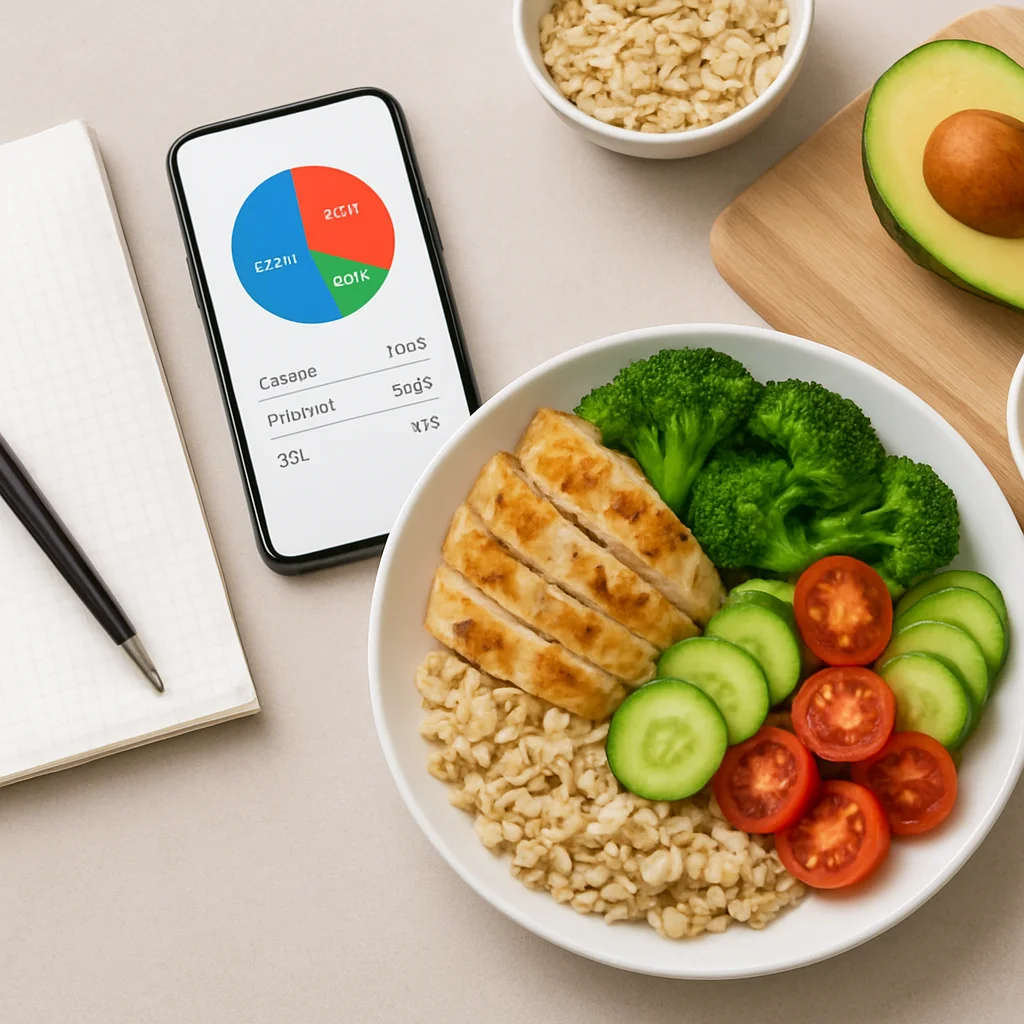
[IMAGE: Macro breakdown on a meal planning dashboard + alt text: Macro calculator for weight loss showing calories, protein, carbs, and fat targets]
A practical macro calculator should do four jobs:
- Set a realistic calorie target
- Keep protein high enough to preserve lean mass
- Match carbs to your energy needs
- Keep fat high enough for satisfaction and hormones
Why fullness matters more than “perfect” macros
The transition from “I can follow this diet” to “I’m raiding the pantry at 10 p.m.” usually comes down to fullness. A macro calculator for weight loss should help you stay in a calorie deficit without turning every meal into a negotiation with your stomach.
In practice, fullness comes from a few things that often get ignored:
- Protein: slower digestion, stronger satiety
- Fibre: especially from vegetables, beans, fruit, and whole grains
- Food volume: soups, stir-fries, lean proteins, and leafy greens
- Meal timing: some people do better with 3 solid meals; others need 4 smaller ones
- Fat balance: too little makes meals feel “empty”
I’ve seen people in Singapore lose weight more successfully on chicken, tofu, eggs, chia-free but high-fibre meal patterns than on ultra-low-carb plans that leave them eyeing their colleague’s kaya toast like it’s contraband. The lesson isn’t that carbs are magic. It’s that adherence matters more than internet ideology.
For weight loss, a sensible starting point is usually a 300–500 calorie deficit per day. That tends to produce roughly 0.25–0.75 kg fat loss per week, depending on body size, starting weight, and adherence. Faster loss is possible, but it often comes with more hunger, more rebound eating, and a greater risk of losing muscle.
How to set macros for fat loss without losing muscle
This is where the macro calculator for weight loss earns its keep. A useful formula doesn’t just slash calories and hope for the best. It prioritises protein, keeps fats reasonable, and gives carbs enough room to support activity.
1) Start with calorie needs
Your total daily energy expenditure, or TDEE, is the number of calories you burn in a typical day. It includes resting metabolism, work, walking, exercise, digestion, and everything in between.
For many adults trying to lose weight, a deficit of 10–20% below TDEE is the sweet spot. If your TDEE is 2,200 calories, a common cut might be 1,800–2,000 calories. The exact number depends on your size, hunger, training load, and how much weight you actually want to lose.
If you’re unsure where to start, [INTERNAL LINK: TDEE calculator guide] can help you estimate maintenance calories first.
2) Set protein first
Protein is the anchor. For body recomposition or fat loss, a practical target is often 1.6–2.2g protein per kg body weight per day. If someone weighs 70 kg, that’s roughly 112–154g protein daily.
Why so much? Because protein helps preserve muscle during a deficit and improves satiety. Research consistently shows higher-protein diets support better lean mass retention during weight loss, especially when paired with resistance training. Studies by Morton et al. (2018) and Helms et al. are commonly cited in sports nutrition for this reason.
Good protein options in Singapore are not hard to find:
- Eggs
- Greek yoghurt like FAGE or Meiji
- Chicken breast or thigh
- Fish like dory, salmon, batang, or ikan kembung
- Tofu and tempeh
- Canned tuna in water
- Lean minced pork or beef
- Edamame
A carton of Meiji low-fat milk or a tub of Greek yoghurt from FairPrice or Cold Storage can be a practical protein add-on without requiring a second mortgage.
3) Set fat next
Fat supports hormones, satiety, and meal satisfaction. Don’t tank it just to squeeze in more food. For most people, 0.6–1.0g fat per kg body weight is a reasonable range, or around 20–35% of total calories.
If someone is eating 1,800 calories, that might mean 50–70g fat per day. Go too low for too long and meals start tasting like accounting spreadsheets. Go too high and the calorie budget disappears faster than a plate of fried Hokkien mee at lunch.
Affordable fat sources in the region include:
- Peanuts
- Egg yolks
- Avocado
- Sesame oil
- Olive oil
- Salmon
- Tempeh
- Dried sardines
- Whole nuts in measured portions
4) Fill the rest with carbs
Carbs are your main training fuel and a useful way to keep meals practical. After protein and fat are set, the remaining calories usually go to carbs.
That doesn’t mean rice is banned. It means rice should fit the target. A macro calculator for weight loss should help you decide whether your day works better with:
- Brown rice
- White jasmine rice
- Red rice
- Sweet potato
- Oats
- Wholemeal bread
- Mee sua
- Fruit
For active people, carbs help performance and recovery. For people with insulin resistance, carb quality and portion size matter more than demonising all rice forever. A bowl of brown rice with chicken and vegetables is a very different metabolic proposition from a large bubble tea plus curry puffs. Your pancreas knows the difference, even if your craving voice pretends otherwise.
A simple macro setup for weight loss
A transition worth making here: macros don’t need to be complicated to work.
For many adults, a starting point looks like this:
- Protein: 30–35% of calories
- Carbs: 35–45% of calories
- Fat: 25–30% of calories
That said, percentages are less useful than grams. If you’re calorie-cutting and trying to keep muscle, the protein floor matters more than whether carbs are 38% or 42%.
Here’s a practical example.
Example: 1,800-calorie fat loss day
A macro calculator for weight loss might produce:
- Protein: 140g = 560 calories
- Fat: 60g = 540 calories
- Carbs: 175g = 700 calories
That totals 1,800 calories.
This works well for someone lifting 3–4 times per week, walking a decent amount, and trying to lose fat without feeling underfed. If appetite is a bigger problem than gym performance, you could push protein slightly higher and lower carbs a bit. If you train hard and feel flat, you may do better with more carbs and slightly less fat.
How to choose macros for fullness, energy, and muscle
This is the real decision point. A macro calculator for weight loss should not only tell you what’s mathematically possible. It should help you choose what you’ll actually sustain.
If hunger is your main problem
Prioritise:
- Higher protein
- Higher-fibre vegetables
- Soups and stir-fries
- Moderate fat
- Controlled calorie deficit
Examples that work well:
- Chicken soup with cabbage, carrots, and mushrooms
- Tofu, spinach, and egg in a light broth
- Stir-fried lean pork with cai xin and a measured scoop of rice
If low energy is your main problem
Prioritise:
- More carbs around workouts
- Consistent meal timing
- Enough sleep
- Less aggressive calorie cuts
Examples:
- Banana plus yoghurt before training
- Rice with ikan kembung and vegetables after lifting
- Oats with eggs and fruit for breakfast
If muscle retention is your main concern
Prioritise:
- Protein at every meal
- Resistance training
- Moderate deficit
- Enough total calories to recover
A rough meal distribution might be:
- 30–40g protein per meal
- 3–4 meals daily
- 1–2 protein-rich snacks if needed
For clients aiming at body recomposition, I’ve found simple meal structures work better than fussy ones. People stick to “eggs + oats,” “rice + chicken + veg,” and “tofu + noodles + soup” far longer than they stick to recipes with 14 ingredients and one obscure herb from a specialty grocer.
Best food choices in Singapore for macro-based weight loss
The transition here is practical: the best macro calculator for weight loss is only useful if you can shop and cook from it.
Affordable whole foods you can get from FairPrice, Sheng Siong, Giant, Cold Storage, wet markets, and neighbourhood wet market stalls include:
- Eggs
- Chicken breast, chicken thigh, and drumstick
- Canned tuna and sardines
- Tofu and tau kwa
- Tempeh
- Prawns
- Fish like batang, pomfret, dory, and salmon
- Leafy greens like cai xin, bok choy, bayam, spinach
- Cabbage, broccoli, carrots, cucumber
- Fruit like papaya, guava, apple, orange, dragon fruit
- Carbs like rice, oats, sweet potato, wholemeal bread
For insulin resistance or blood sugar management, I usually suggest building meals like this:
- Protein first
- 2 fists of vegetables
- 1 cupped hand of carbs
- 1 thumb of fats
That’s not a medical prescription. It’s a practical plate method that helps many people keep portions sensible without weighing every grain of rice.
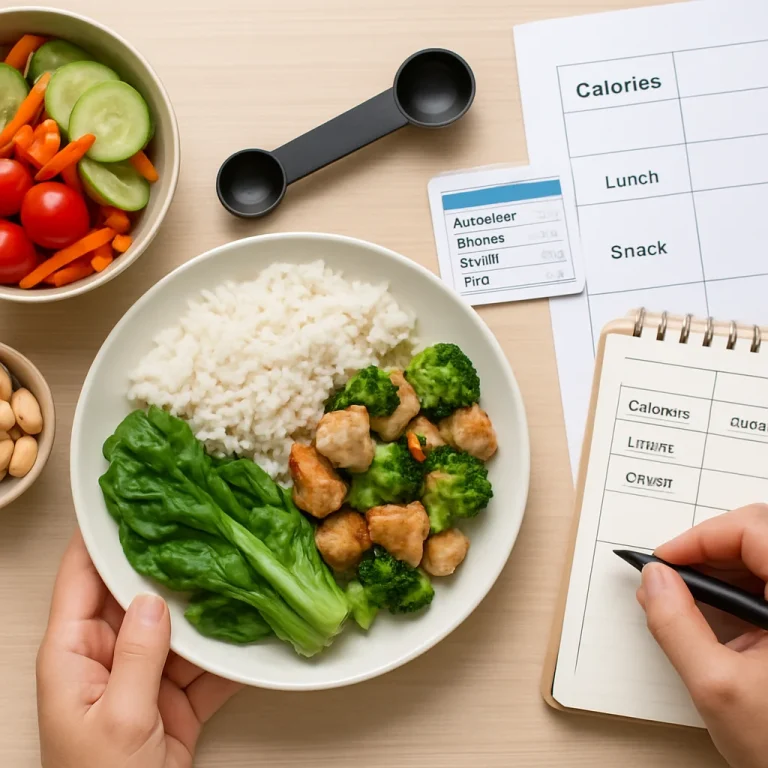
[IMAGE: Singapore whole-food meal plate + alt text: High-protein Singapore meal with chicken, vegetables, and rice for fat loss macros]
Common mistakes when using a macro calculator for weight loss
A transition worth making: not every bad diet is caused by bad willpower. Sometimes the macro setup is just wrong.
Mistake 1: Protein is too low
Low protein makes cuts harder. You get hungrier, recover worse, and may lose more lean mass than you intended.
Mistake 2: Calories are too aggressive
If the deficit is huge, adherence usually collapses. A short, brutal diet often becomes a long, frustrating rebound.
Mistake 3: Carbs are cut too low for training
If you lift weights, run, or do high-volume cardio, carb deprivation can make sessions miserable. You don’t need huge carb loads, but you probably don’t need to feel like a flat battery either.
Mistake 4: Fibre is ignored
Aim for 20g+ fibre daily, and many adults do better closer to 25–30g. Fibre supports fullness, digestion, and blood sugar control. Add beans, vegetables, chia, fruit, oats, or barley if your current diet is mostly “chicken breast and vibes.”
Mistake 5: The plan is too complicated
If your meal plan requires a chef, a spreadsheet, and three moods of olive oil, it’s probably not sustainable. Simple wins.
If you want a system that builds this out for you with calorie-budget-aware meal generation, [INTERNAL LINK: personalised meal planning with KnowMeal] is worth a look.
How to adjust macros based on your results
A macro calculator for weight loss should be treated like a starting point, not a sacred tablet carved in stone.
Track for 2–3 weeks before making major changes. Look at:
- Scale trend
- Waist measurement
- Gym performance
- Energy
- Hunger
- Sleep quality
If weight isn’t moving and adherence is honest, reduce calories by 100–150 per day. If hunger is extreme, performance drops, or you’re obsessing about food, increase calories slightly or redistribute macros, especially protein and carbs.
A useful check: if you’re losing faster than about 1% of body weight per week for multiple weeks, that may be too aggressive for muscle retention unless medically supervised. For many people, slower is better and easier to maintain.
When a macro calculator works best for families and trainers
This gets overlooked a lot. A macro calculator for weight loss isn’t just for solo dieters counting salmon grams in a vacuum.
For families
Family mode works when everyone eats the same meal with slight portion changes. That means one cooking workflow, fewer dishes, and less “separate meal” chaos.
Example:
- Parent one: 1.5 cups rice, 150g chicken
- Parent two: 1 cup rice, 120g chicken
- Child: smaller rice portion, more fruit
For personal trainers
Macro planning is useful for clients who need structure, especially when you’re managing multiple goals at once. A clean system with branded PDF exports makes it easier to explain the plan and keep clients accountable.
For older adults
Seniors often need simpler meals, enough protein, and better fibre intake. The goal isn’t aggressive dieting. It’s preserving strength, appetite, and metabolic health.
A realistic example day of macros in a calorie deficit
Here’s a simple day that works for many people aiming for weight loss around 1,700–1,900 calories.
Breakfast
- 2 eggs
- 200g Greek yoghurt
- 1 banana
- Oats, measured
Lunch
- Chicken breast
- Brown rice
- Stir-fried bok choy and mushrooms
Snack
- Apple
- Unsweetened soy milk
Dinner
- Tofu and fish soup
- Sweet potato
- Cabbage and carrots
This kind of structure gives you protein across the day, decent fibre, and enough carbs to stay functional. It’s also made from foods you can actually find in Singapore without special ordering.
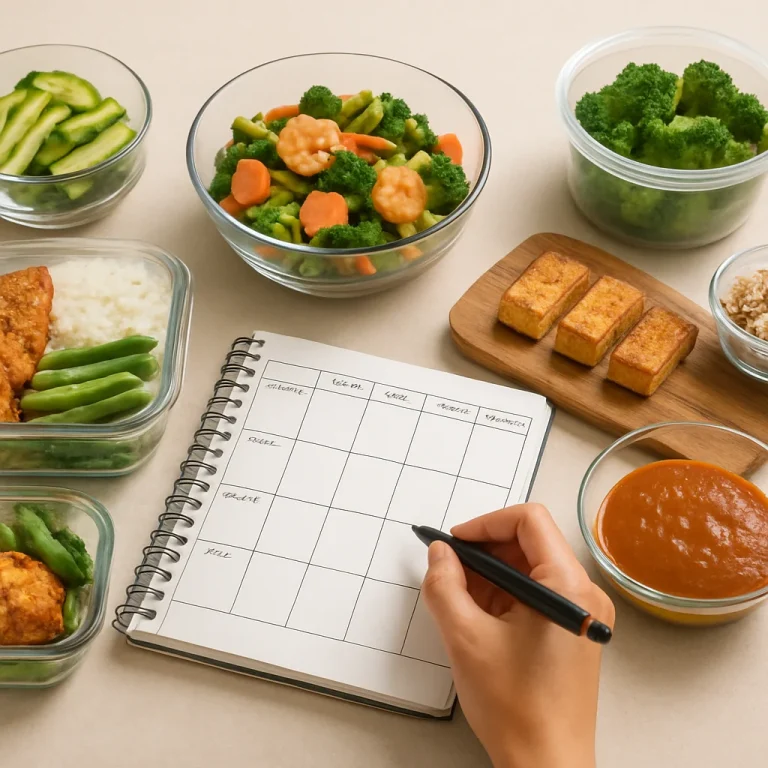
[IMAGE: Example meal prep containers + alt text: Macro-based meal prep containers for weight loss with protein, vegetables, and rice]
FAQ: Macro calculator for weight loss questions people actually ask
A transition before the FAQ: the answers below are the ones I end up repeating most often because the same myths keep circulating.
FAQ
Q: What is the best macro split for weight loss? A: There isn’t one universal split. A good starting point is high protein, moderate carbs, and moderate fat, then adjust based on hunger, training, and adherence. Most people do well when protein is prioritised first.
Q: Should I eat low carb to lose weight faster? A: Not necessarily. Weight loss comes from a calorie deficit, not from carb elimination alone. Lower carb can help some people control appetite, but others train and feel better with moderate carbs.
Q: How much protein do I need on a fat loss diet? A: A practical target is 1.6–2.2g per kg body weight daily. If you’re lifting weights or trying to preserve muscle, staying near the higher end often helps.
Q: Can I use a macro calculator for weight loss if I have insulin resistance? A: Yes, but keep an eye on carb quality, fibre, and portion size. Pair carbs with protein and vegetables, and avoid relying on refined foods and sugary drinks. This is informational only and not medical advice.
Q: How often should I adjust my macros? A: Usually every 2–3 weeks, based on weight trend, energy, hunger, and gym performance. Small changes work better than constantly changing targets every few days.
Q: Do I need supplements to hit my macros? A: No. Whole foods are enough for most people. Supplements can be useful in specific cases, but they’re not the foundation of a good fat loss plan.
Final thoughts
A macro calculator for weight loss works best when it helps you stay full, keep energy, and protect muscle while eating fewer calories. That means a sensible deficit, enough protein, enough fibre, and meals you can repeat without getting bored or burnt out.
If you want a simpler way to build your own plan, KnowMeal can generate personalised macro-based meal plans for individuals, families, and trainers using whole foods that fit real life in Singapore and Southeast Asia. This content is for information only and isn’t medical advice, especially if you manage diabetes, kidney disease, hypertension, or another health condition.
[INTERNAL LINK: personalised macro meal planning] can be your next step if you’re ready to turn numbers into meals people will actually eat.
Key Takeaways
- Protein protects muscle during calorie deficits
- Fibre improves fullness and blood sugar control
- Moderate deficits beat extreme cuts for adherence
- Carbs should support energy and training
- Use real foods you can buy locally
- Adjust macros after two to three weeks
Frequently Asked Questions
Q: What is the best macro split for weight loss?
Should I eat low carb to lose weight faster?
How much protein do I need on a fat loss diet?
Can I use a macro calculator for weight loss if I have insulin resistance?
How often should I adjust my macros?
Do I need supplements to hit my macros?
Ready to turn your macro targets into meals you can actually follow? Try KnowMeal to generate personalised, whole-food meal plans for weight loss, body recomposition, or family meal prep in minutes.