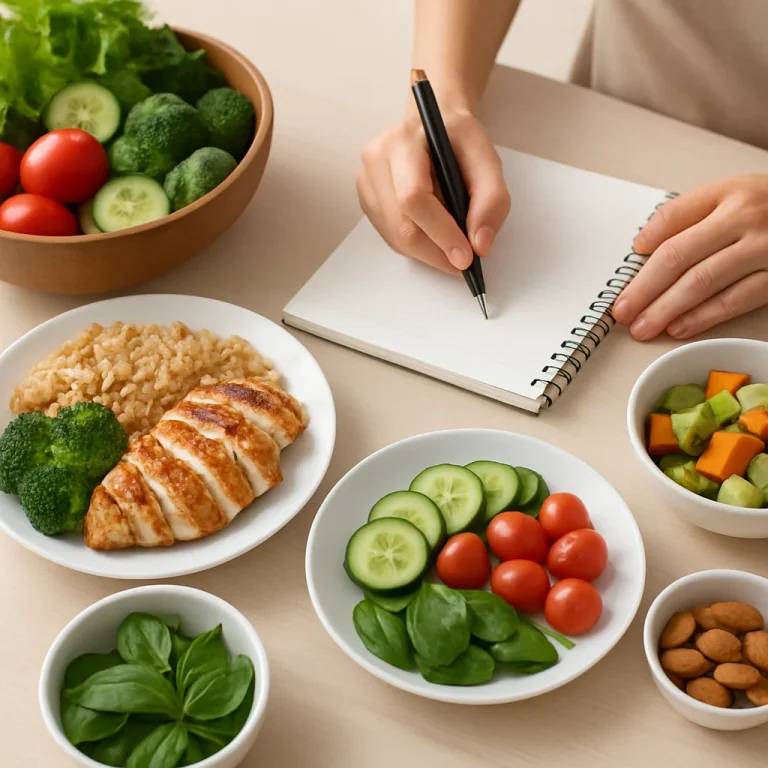

Shared Grocery List Meal Planner for Families
shared grocery list meal planner
A shared grocery list meal planner helps families buy the same ingredients once, cook from one plan, and avoid the “we already have three packets of rice” problem. It keeps meals consistent through the week, cuts duplicate purchases, and makes it easier to hit health goals like weight management, better blood sugar control, and higher fibre intake.
If you’ve ever opened the fridge and found three half-used cucumbers, this article will feel familiar. You’ll learn how a shared grocery list meal planner works, why it saves time and money, and how to set one up for Singapore households using affordable whole foods from places like FairPrice, Sheng Siong, Giant, and wet markets.
Why a shared grocery list meal planner works better than scattered shopping
A shared grocery list meal planner does one simple thing well: it connects the meal plan to the shopping list. That sounds obvious, but most households still plan meals in one place and shop in another, which is how duplicate purchases and missing ingredients happen.
When everyone shops from the same list, you reduce overlap. You also make it easier to stay on track with protein, fibre, and portion goals because the ingredients are already aligned with the week’s meals.
Here’s the practical part. In Singapore, a pack of chicken breast at a supermarket may cost around S$7–S$12 per kg depending on cut and promotion, while eggs often sit around S$3–S$6 per tray. If two people buy separately, those costs multiply quickly, and the fridge becomes a museum of half-used groceries.
A shared grocery list meal planner also helps with consistency. Families are far more likely to eat the planned meals when the ingredients are visible, prepped, and bought together rather than “somewhere in the shopping app.”
If you want a broader system for weekly planning, [INTERNAL LINK: family meal planning guide] fits well here.
How shared grocery lists reduce duplicate purchases
The biggest waste in family food shopping is not always food spoilage. It’s duplication. One person buys onions, another buys onions, and somehow the week still lacks onions when dinner starts.
A shared grocery list meal planner prevents that by giving everyone one source of truth. That alone cuts back on duplicate purchases of staples like:
- onions
- garlic
- eggs
- rice
- tomatoes
- leafy greens
- soy sauce
- canned tuna
It also reduces the “I thought someone else bought it” problem. That sentence has ended more dinners than I care to admit.
For families in Singapore, this matters because many staples are purchased in small quantities at convenience stores when time is tight. A shared list shifts buying toward planned, better-value purchases at supermarkets or wet markets. Fresh produce bought in the morning at a market like Tekka, Geylang Serai, or your neighbourhood wet market often lasts longer and costs less per serving than emergency top-up runs.
A good system also tracks what’s already in the pantry. If you already have brown rice, rolled oats, canned sardines, and frozen edamame, the list should only show what’s actually missing. That’s where the savings start to become real.
How to build a shared grocery list meal planner for your household
A useful shared grocery list meal planner doesn’t need fancy behaviour. It needs clear structure.
Start with these four steps:
- Choose the week’s meals
– Pick breakfasts, lunches, dinners, and snacks. – Keep the main proteins and vegetables consistent.
- Assign quantities
– Count how many adults and children are eating. – Adjust servings instead of cooking separate meals.
- Convert meals into groceries
– Turn recipes into ingredients by total quantity. – Group items by category: protein, produce, pantry, dairy, frozen.
- Share the list
– Use one app, one spreadsheet, or one planning platform. – Everyone adds only missing items, not duplicates.
A shared grocery list meal planner works best when the same ingredients show up in multiple meals. For example, chicken thighs, bean sprouts, kai lan, and brown rice can be used across stir-fries, bowls, and soup meals. That keeps your grocery list shorter and your cooking more manageable.
A simple Singapore example
For a family of four, one week might include:
- Breakfasts: oats with Greek yogurt, eggs with wholemeal toast, kaya toast plus boiled eggs
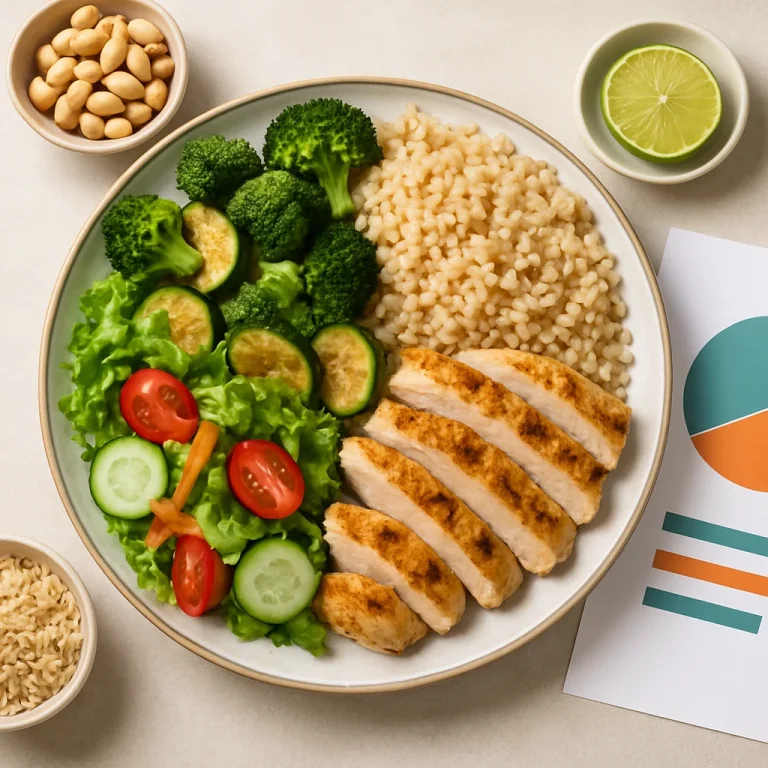
- Lunches: chicken rice bowl, tuna salad wraps, tofu with rice and vegetables
- Dinners: ikan bakar, minced turkey lettuce bowls, sambal tempeh with greens
The shared list then covers the repeated ingredients:
- eggs
- oats
- Greek yogurt
- wholemeal bread
- chicken
- tuna
- tofu
- fish
- tempeh
- lettuce
- kai lan
- rice
That’s a lot easier than buying for each meal from scratch.
[IMAGE: Family checking a shared grocery list on phone in kitchen; alt text=”Family using a shared grocery list meal planner to check groceries in the kitchen”]
Why consistency matters for weight, diabetes, and family routines
A shared grocery list meal planner helps families stay consistent because it removes decision fatigue. Once the groceries are there, the meals happen more reliably.
That matters for people managing weight loss, body recomposition, insulin resistance, or high blood pressure. Consistency beats intensity for most households. One very ambitious meal prep day followed by six days of takeaway usually doesn’t do much for the waistline.
From a nutrition standpoint, simple macro balance helps:
- Protein supports muscle maintenance and fullness
- Carbs provide energy for daily activity
- Fat supports hormones and helps meals feel satisfying
For blood sugar support, meals built around protein, fibre, and moderate portions of carbs are usually easier to manage than meals based on refined starches alone. A review in The American Journal of Clinical Nutrition and other clinical literature has consistently shown that higher fibre intake supports better glycaemic control and satiety, especially when meals are built from minimally processed foods.
For families, consistency also means fewer special requests every night. If everyone knows Tuesday is noodle night and Thursday is rice bowl night, dinner stops becoming a daily negotiation. That’s worth real money and peace of mind.
Best foods for a shared grocery list meal planner in Singapore
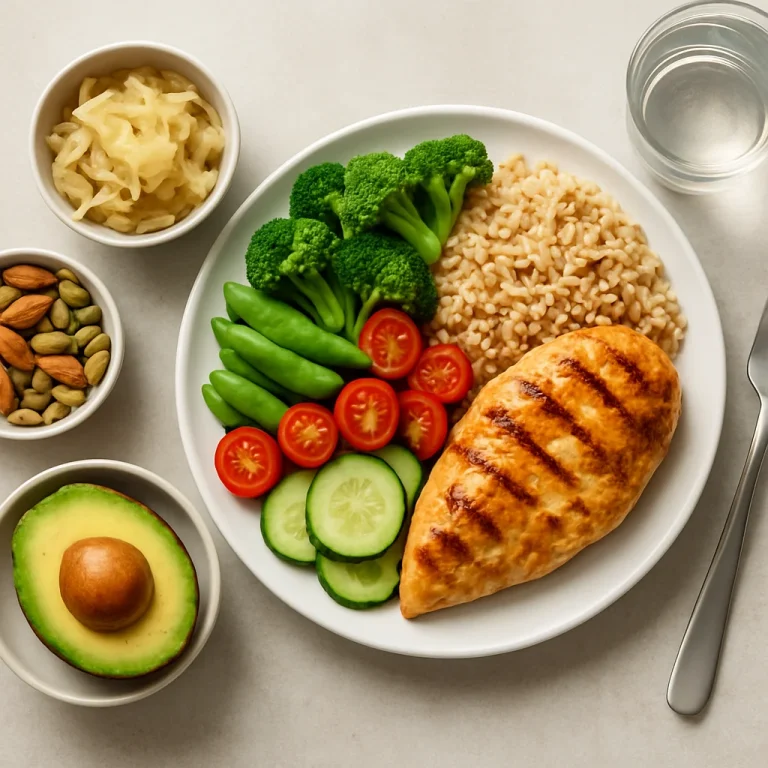
A good shared grocery list meal planner should rely on foods that are affordable, accessible, and flexible. In Singapore, that usually means a mix of supermarket basics and wet market produce.
Protein staples
- Eggs
- Chicken breast or thigh
- Fish slices, batang, or ikan kembung
- Tofu and tempeh
- Canned tuna or sardines
- Lean pork or beef, when suitable
Fibre-rich vegetables
- Kai lan
- Chinese spinach
- Bok choy
- Cabbage
- Carrots
- Cucumber
- Tomatoes
- Mushrooms
Smart carbs
- Brown rice
- White rice in controlled portions
- Oats
- Sweet potato
- Wholemeal bread
- Wholegrain noodles
- Beans and lentils
Healthy fats
- Peanut butter
- Avocado, when budget allows
- Sesame seeds
- Olive oil
- Canola oil
These foods are practical because they can be mixed and matched without turning dinner into a complicated cooking show. A shared grocery list meal planner works best when ingredients repeat across meals, so buying kai lan once can support stir-fry, soup, and noodle dishes.
For people watching sodium or blood pressure, it helps to keep canned and processed items in check. Choose lower-sodium versions where possible, rinse canned beans, and use sauces like soy sauce or oyster sauce in measured amounts rather than freehand pouring. Freehand pouring is how “just a splash” becomes a sodium event.
How KnowMeal’s shared grocery list meal planner supports families
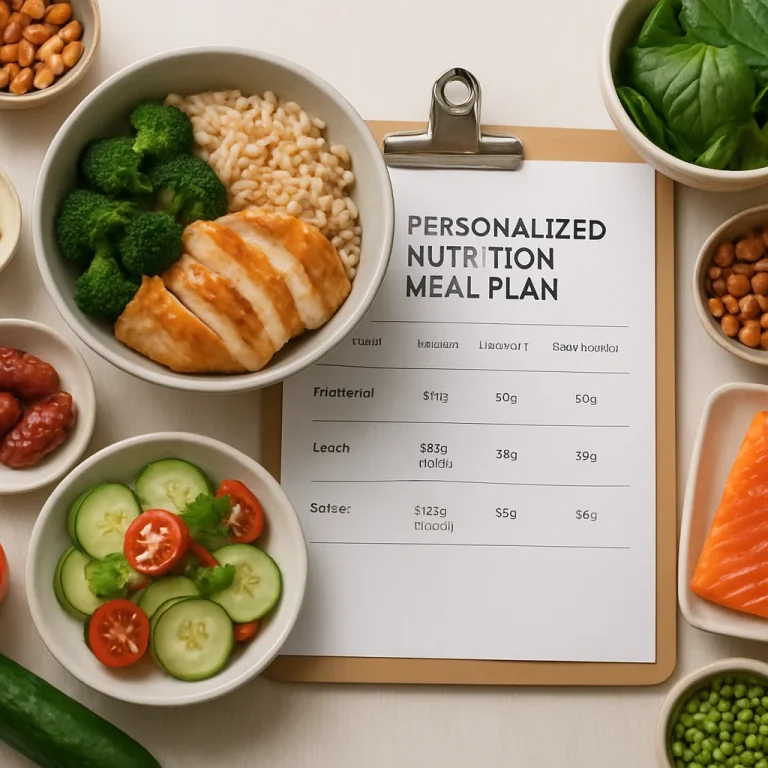
This is where a dedicated tool becomes useful. KnowMeal’s shared grocery list meal planner is designed for families who want to plan once and cook from the same list all week.
The family mode aligns meals across up to 5 members, so everyone eats the same food at the same meal. That makes prep much simpler. You’re not cooking five separate dinners unless you’ve accidentally adopted the workload of a hawker centre.
It also helps with grocery alignment:
- shared grocery lists
- family-wide meal plans
- portion adjustments by member
- calorie and macro updates
- simpler weekly prep
The real advantage is consistency. When one parent is trying to lose weight, another is maintaining, and the kids just want dinner to be edible, one aligned meal system removes a lot of friction.
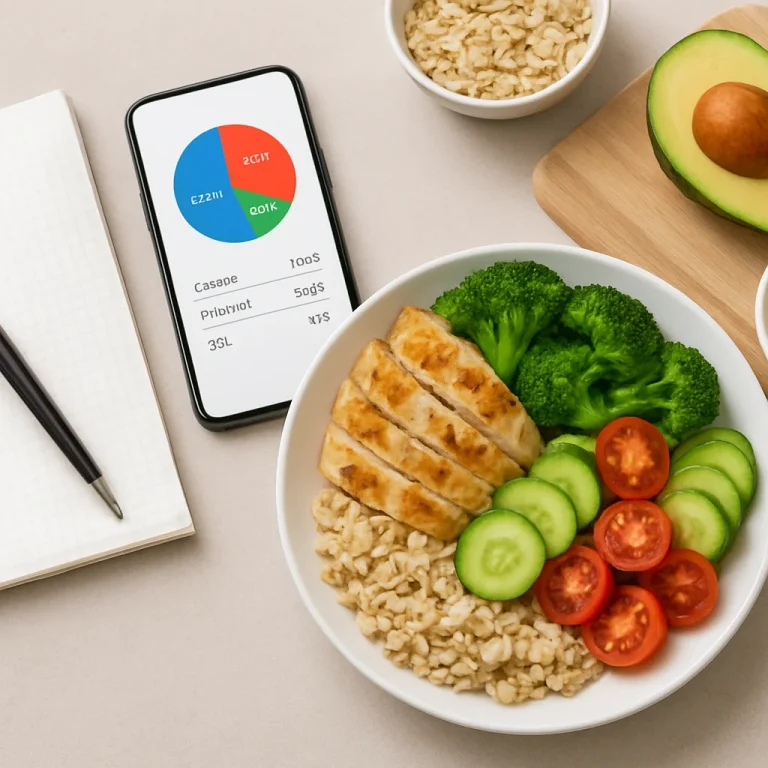
KnowMeal also uses macro-based planning with rounded calorie counts and transparent tolerance ranges: calories ±50, protein ±10g, carbs ±8g, fat ±5g. That keeps tracking realistic instead of obsessive, which is usually healthier for long-term adherence.
If you’re building family routines, [INTERNAL LINK: macro-based meal planning for families] would be a natural next read.
Meal prep tips that make shared grocery lists actually work
A shared grocery list meal planner only helps if the meals are realistic. The plan has to survive a Wednesday night with homework, traffic, and a tired adult looking at the kitchen like it personally offended them.
These tips make execution easier:
- Repeat core ingredients
– Use the same protein and vegetables in 2–3 meals.
- Prep once, assemble twice
– Wash greens, portion proteins, and cook rice in batches.
- Keep sauces simple
– Use garlic, ginger, soy sauce, black pepper, lime, and chilli.
- Build in backup meals
– Keep eggs, canned fish, frozen veg, and oats on hand.
- Match the list to the plan
– Don’t buy ingredients that only make sense for one complicated recipe.
A practical weekly prep session can take 60–120 minutes, depending on family size and how much chopping you’ve outsourced to the knife. For many households, that time saves several hours across the week.
[IMAGE: Weekly meal prep containers with rice, chicken, and vegetables; alt text=”Weekly meal prep using a shared grocery list meal planner with rice chicken and vegetables”]
Common mistakes when using a shared grocery list meal planner
The most common mistake is overplanning. A ten-recipe week looks impressive on paper and collapses by Thursday.
Other mistakes include:
- buying too many “special” ingredients
- listing foods without quantities
- forgetting pantry items already at home
- planning meals nobody actually wants to eat
- making separate plans for different family members
A shared grocery list meal planner should reduce complexity, not increase it. If your list has seventeen items from three different cuisines, two sauces nobody knows how to use, and a vegetable that only one person in the house can identify, the system has drifted.
Another mistake is ignoring budget. In Singapore, practical family meal planning often works better when the core groceries are built around value items like eggs, tofu, cabbage, chicken thighs, oats, and seasonal produce. These are reliable foods, not Instagram props.
How shared grocery lists support healthier eating without strict dieting
Families usually do better with structure than restriction. A shared grocery list meal planner helps because it gently guides choices before everyone gets hungry and starts making heroic decisions about fried snacks.
It supports healthier eating by making the healthier options the easiest options:
- whole foods are bought first
- protein is planned in advance
- vegetables are already in the fridge
- snacks are portioned instead of random
- takeaway becomes a backup, not the default
That approach is especially useful for people managing insulin resistance or trying to improve HbA1c through more stable meals. A study in The Lancet and multiple diabetes nutrition reviews support the value of whole-food patterns, higher fibre intake, and meal consistency for metabolic health.
For kidney health concerns, especially in older adults or people with existing conditions, food choices should be individualised. Protein targets, potassium, phosphorus, and sodium needs may vary, so it’s wise to check with a qualified clinician or dietitian before making major changes. This article is informational, not medical advice.
FAQ-friendly planning: how to keep the system simple
A shared grocery list meal planner works best when it’s easy enough that people actually use it. Simple beats clever every time.
Try this weekly rhythm:
- Saturday or Sunday: choose meals and build the list
- Before shopping: check pantry and fridge
- After shopping: portion or wash items immediately
- Midweek: review what’s left and adjust
If you’re using a digital tool, choose one that allows real-time editing, family sharing, and quick list updates from any phone. If one parent is at NTUC and another is still at work, both should be able to check off items without sending six messages and a photo of the wrong yogurt.
For families looking for less chaos and more structure, a purpose-built planner can save time every week. It’s not glamorous, but neither is buying your third bottle of oyster sauce because no one checked the cupboard.
Final thoughts on making shared meal planning stick
The best shared grocery list meal planner is the one your household will actually use. It should reduce duplicate purchases, simplify cooking, and keep the family eating from the same plan without making mealtimes feel like project management.
Start with a few repeating meals, a short grocery list, and clear quantities. Keep the foods affordable and familiar. Then build from there as the routine starts to stick.
If you want a system that handles shared grocery lists, macro targets, and family meal planning in one place, KnowMeal is built for that kind of week-by-week consistency. A better plan usually begins with a better list.
[IMAGE: Smartphone with family grocery checklist on screen; alt text=”Shared grocery list meal planner on a smartphone for family meal planning”]
Disclaimer: This article is for informational purposes only and is not medical advice. If you have diabetes, kidney disease, hypertension, or another health condition, speak with a qualified healthcare professional or dietitian before changing your diet.
Key Takeaways
- Shared lists cut duplicate grocery purchases.
- One plan keeps family meals consistent.
- Repeated ingredients simplify prep and budgeting.
- Whole foods support better blood sugar control.
- Simple systems beat complicated meal plans.
Frequently Asked Questions
Q: What is a shared grocery list meal planner?
How does a shared grocery list save money?
Can a shared grocery list meal planner work for picky eaters?
Is this useful for weight loss or diabetes management?
What foods are best to include in a family grocery list in Singapore?
How often should families update the shared grocery list?
Ready to make family meal planning easier? Try KnowMeal’s **shared grocery list meal planner** to align meals, cut duplicate purchases, and keep everyone on the same healthy plan all week.