Body Recomposition Meal Plan for Fat Loss + Muscle
Body recomposition meal plan
A body recomposition meal plan helps you lose fat and build muscle at the same time by eating enough protein, keeping calories near maintenance or in a small deficit, and timing meals around your training. You do not need extreme dieting, low-carb misery, or six tiny meals eaten with sadness. You need a structured plan, steady lifting, and food choices you can repeat next week.
This guide shows you how to build that plan with simple macro targets, Singapore-friendly whole foods, and practical meal prep strategies that fit busy lives. You’ll learn how many calories to start with, how much protein to eat, which carbs help training, how to handle family meals, and what to do if you have insulin resistance, high blood pressure, or kidney concerns.
What body recomposition actually means
Body recomposition means your weight may stay similar while your body fat drops and lean mass rises. That’s different from pure weight loss, where the scale moves down but muscle can also fall if protein and training are poor.
A good body recomposition meal plan supports both sides of the equation:
- enough protein to protect and build muscle
- enough carbs to train hard and recover
- enough fat for hormones and satiety
- controlled calories so fat loss still happens
I’ve seen people chase “clean eating” and wonder why their lifts stall after three weeks. Usually, the issue is not willpower. It’s under-eating protein, over-restricting carbs, or choosing meals that look healthy but barely hit 20g protein.
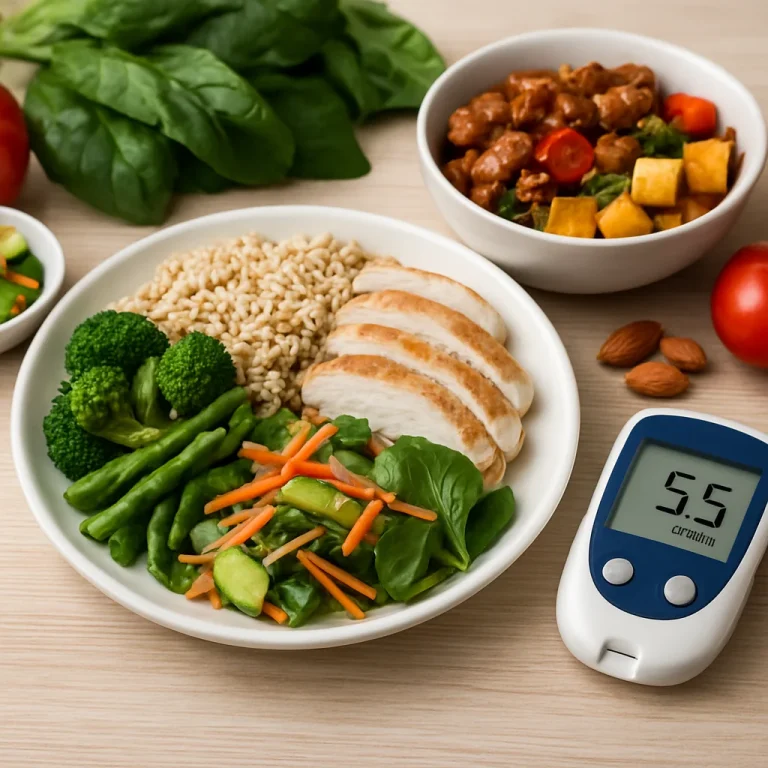
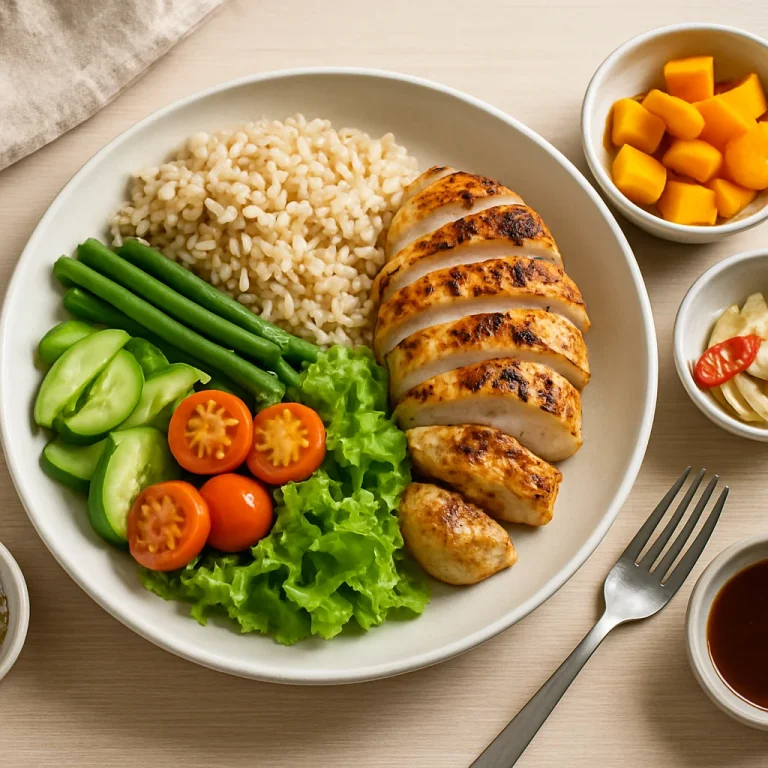
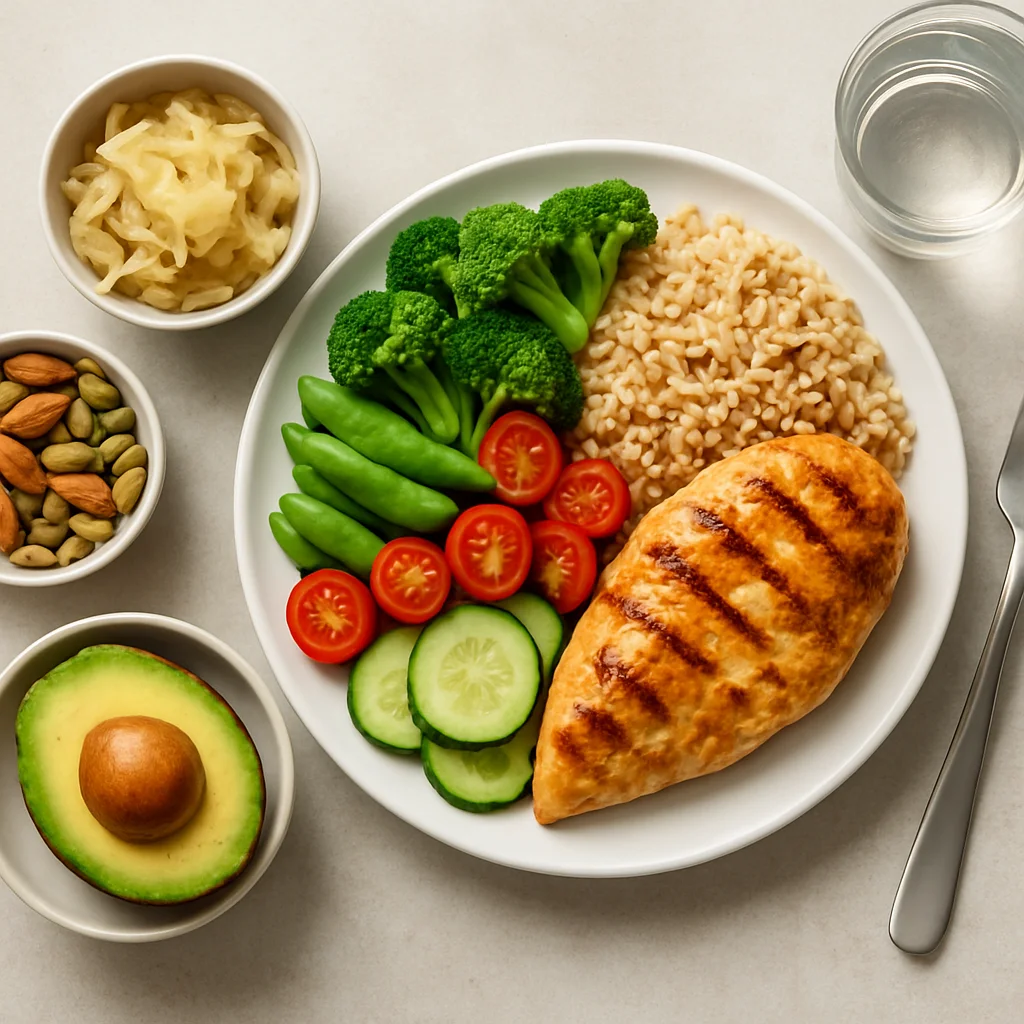
[IMAGE: Balanced body recomposition plate with rice, chicken, vegetables + alt text: Singapore-style body recomposition meal plate with protein, rice, and vegetables]
Who body recomposition works best for
It tends to work well for:
- beginners or returning lifters
- people with higher body fat
- health-conscious adults with inconsistent eating patterns
- busy parents who can’t do perfect meal timing
- trainers planning realistic client nutrition
It’s slower than crash dieting. That’s the trade-off. But it’s also more sustainable, and sustainability wins after the novelty of a new app or a new gym membership wears off.
How many calories to eat for recomposition
The simplest way to start a body recomposition meal plan is with calories near maintenance or a small deficit of 5% to 15%. If you cut too aggressively, performance drops, hunger rises, and muscle gain becomes much harder.
KnowMeal’s approach uses TDEE-based calorie targeting, and that matters because activity isn’t just “low” or “high.” Work type, walking, and actual exercise sessions change needs a lot. A warehouse supervisor who walks all day is not the same as someone sitting in an air-conditioned office, even if both say they “exercise sometimes.”
A practical starting point:
- Fat loss focus: maintenance minus 250 to 400 kcal/day
- Recomp focus: around maintenance or minus 100 to 250 kcal/day
- Muscle gain focus with lower body fat: slight surplus, then reassess
A real example: if someone’s maintenance is 2,100 kcal, a recomposition target might land around 1,850 to 2,000 kcal. That’s enough room to eat properly without drifting into “I had two boiled eggs and a prayer” territory.
How to estimate your starting point
Use:
- body weight
- daily work movement
- exercise sessions and duration
- training goal
- weekly progress trends
If you want a more detailed framework, this is where a structured planner helps. [INTERNAL LINK: TDEE and macro calculator guide]
Macro targets that actually work
For most people trying to lose fat and gain muscle, protein is the anchor. Carbs and fats can flex around preference, but protein shouldn’t be guessed.
A solid daily macro range:
- Protein: 1.6 to 2.2 g per kg body weight
- Carbs: 2 to 4 g per kg, adjusted by training volume
- Fat: 0.6 to 1.0 g per kg
If you’re insulin resistant, protein and fibre matter even more. That doesn’t mean carbs are forbidden. It means you choose better carbs, keep portions sensible, and pair them with protein and vegetables.
Simple macro roles
- Protein supports muscle repair and satiety
- Carbs fuel training and recovery
- Fat supports hormones and helps meals feel satisfying
A common mistake is making dinner “low-carb” and then getting hungry at 10:30 pm while staring into the fridge like it owes you money. A better plan spreads calories so meals feel complete.
Protein foods that work well in Singapore
Affordable, accessible choices include:
- eggs
- skinless chicken breast or thigh
- ikan kembung
- canned tuna in water
- tofu and firm tau kwa
- tempeh
- Greek yogurt
- fresh milk or soy milk
- lean pork loin
- shrimp
For budget planning, hawker and supermarket prices matter. In Singapore, a 10-egg tray often costs around S$3.50 to S$6 depending on brand and promotions. Chicken breast at FairPrice or Sheng Siong may run roughly S$7 to S$12 per kg on sale. A 1 kg block of tofu is usually far cheaper than a protein bar and more useful in actual meals.
[IMAGE: Singapore supermarket protein shopping list + alt text: Affordable protein foods for a body recomposition meal plan in Singapore supermarkets]
Meal structure for fat loss and muscle gain
A good body recomposition meal plan usually works best when each meal has a protein source, fibre-rich vegetables, and a controlled carb portion. You don’t need perfect meal timing, but you do need consistency.
A helpful template for each meal:
- 1 palm or more of protein
- 1 to 2 fists of vegetables
- 1 cupped hand of carbs
- 1 thumb of fats, if the protein is lean
If you train hard, put more carbs near workouts. Rice, oats, potatoes, bananas, wholemeal bread, and sweet potatoes all work. The key is not magical “fat burning” timing. The key is better training and better recovery.
Example day: Singapore-friendly recomposition menu
Breakfast
- 3 eggs scrambled with tomato and spinach
- 2 slices wholemeal bread
- kopi C less sugar or unsweetened tea
Lunch
- 150g chicken thigh, skin removed
- 1 cup brown rice
- stir-fried kailan or chye sim
- tofu soup
Snack
- plain Greek yogurt with berries
- or 2 boiled eggs and an apple
Dinner
- ikan kembung grilled with turmeric and garlic
- mixed vegetables
- small serving of rice or sweet potato
This kind of meal plan is boring in the best way. It works because the food is real, the protein is high, and the calories are predictable.
Post-workout meal idea
If you lift after work, have:
- chicken rice bowl with less rice and extra veg
- tuna sandwich on wholemeal bread
- tofu and egg rice bowl
- soy milk plus banana if you need something quick
[INTERNAL LINK: high-protein Singapore meal ideas]
Best foods for recomposition
The best foods are the ones you can buy weekly and cook without drama. Fancy ingredients are optional. Consistency is not.
Protein
- chicken breast, chicken thigh
- eggs
- fish: salmon, dory, ikan kembung, selar
- tofu, tau kwa, tempeh
- Greek yogurt
- edamame
- lean minced meat
Carbs
- brown rice
- white rice in controlled portions
- oats
- sweet potato
- wholemeal bread
- bananas
- fruit like papaya, guava, apple, orange
Fats
- avocado
- peanuts and peanut butter
- sesame oil in small amounts
- egg yolks
- salmon
- olive oil
Fibre-rich vegetables
Aim for 20g+ fibre daily and preferably more if your digestion tolerates it well. Good options:
- kangkong
- bok choy
- kailan
- cucumber
- lettuce
- tomatoes
- carrots
- okra
- mushrooms
- cabbage
Fibre helps satiety, blood sugar control, and gut health. It also makes a plate look less like a beige engineering project.
How to adjust for insulin resistance, blood pressure, and kidney health
This is where one-size-fits-all advice falls apart.
If you have insulin resistance, focus on:
- higher protein
- higher fibre
- slower-digesting carbs
- fewer sugary drinks and refined snacks
- walking after meals when possible
If you have high blood pressure, watch:
- sodium-heavy sauces
- processed meats
- instant noodles
- overly salty soups and gravies
If you have kidney disease or reduced kidney function, protein targets may need medical guidance. Don’t copy a high-protein plan blindly. Speak with a doctor or renal dietitian first, because kidney needs are not a place for guesswork and gym bro logic.
The key nuance: a recomposition plan can be healthy, but it still has to fit the person. That’s why rigid templates fail more often than people admit.
[INTERNAL LINK: nutrition for insulin resistance]
Meal prep that makes recomposition easier
You don’t need Sunday meal prep perfection. You need a system that survives real life.
A practical weekly prep routine:
- cook 2 proteins
- prepare 2 carb sources
- wash and cut vegetables
- portion snacks
- keep sauces separate
Example prep list:
- chicken thigh marinated with garlic, black pepper, and soy sauce
- hard-boiled eggs
- brown rice or mixed rice batches
- stir-fried cabbage and carrots
- Greek yogurt cups
- fruit in the fridge
For families, it helps to build one base meal and vary portions. KnowMeal’s family mode is useful here because everyone can eat the same dinner while portions adjust by member. That saves time, which is usually more valuable than another “perfect” recipe you’ll never repeat.
[IMAGE: Weekly meal prep containers with chicken, rice, and vegetables + alt text: Singapore meal prep boxes for a body recomposition meal plan]
How to keep meals enjoyable
Use:
- chilli padi
- lime
- garlic
- ginger
- curry powder
- turmeric
- black pepper
- fresh herbs
Flavour matters. If every meal tastes like wet cardboard with optimism, adherence dies fast.
Common mistakes that slow recomposition
The biggest mistakes I see:
- too little protein
- calories too low
- training inconsistently
- too few vegetables and fibre
- thinking “healthy” automatically means macro-friendly
- drinking calories without tracking them
Another common one is trying to copy someone else’s plan from social media. Their metabolism, schedule, height, and training load are not yours. That’s how people end up eating 1,500 kcal on a 2,300 kcal maintenance and wondering why they’re cold, cranky, and not stronger.
What progress should look like
A good body recomposition meal plan usually shows:
- waist measurement slowly dropping
- strength staying stable or increasing
- body weight changing slowly
- better recovery
- less afternoon snacking
Progress is often visible in 8 to 12 weeks, not 8 to 12 days. That timeline is unglamorous, but it’s real.
Using macros without getting obsessive
Macro tracking helps, but it should support your life, not dominate it. Rounded tracking is often enough:
- calories within ±50
- protein within ±10g
- carbs within ±8g
- fat within ±5g
That tolerance keeps things practical. You don’t need to weigh lettuce like it’s contraband.
A good long-term system uses:
- repeatable meals
- flexible swaps
- grocery lists
- realistic portions
- occasional restaurant meals planned into the week
If you want a personalised setup that accounts for your training, family meals, or client programming, a tool like KnowMeal can save time while keeping macros aligned. [INTERNAL LINK: personalised meal planning platform]
Sample body recomposition meal plan for one day
Here’s a simple body recomposition meal plan example for an active adult around 1,900 to 2,000 kcal:
Breakfast
- 3 eggs
- 2 slices wholemeal bread
- 1 tomato
- black coffee or tea
Lunch
- 150g grilled chicken
- 1 cup rice
- stir-fried vegetables
- clear soup
Snack
- Greek yogurt
- 1 banana
Dinner
- ikan kembung or tofu
- sweet potato
- bok choy and mushrooms
Optional evening snack
- milk or soy milk
- 1 boiled egg if protein is short
This style of day is easy to repeat, which is the real secret. Not perfect recipes. Repeated meals you don’t hate.
FAQ
Can I build muscle while losing fat?
Yes, especially if you’re new to resistance training, returning after a break, or carrying more body fat. You’ll need enough protein, progressive lifting, and calories that aren’t cut too aggressively.
How much protein do I need for recomposition?
A good target is 1.6 to 2.2 g per kg of body weight daily. If you’re older, dieting, or training hard, aim toward the higher end.
Do I need to avoid rice for a body recomposition meal plan?
No. Rice can fit well if portions are controlled and your total calories are on target. Pair it with protein and vegetables so the meal digests more steadily.
How long does recomposition take?
Most people need 8 to 12 weeks to see clear changes in waist, strength, and physique. Bigger changes usually take several months of consistency.
Is a low-carb diet better for insulin resistance?
Not automatically. Some people do well with lower carbs, but many can manage insulin resistance with higher fibre, good protein, and sensible portions of carbs like rice, oats, and fruit.
Can families use the same recomposition plan?
Yes. A family meal plan works well when the main meal is shared and portions are adjusted per person. That keeps cooking simpler and grocery shopping less chaotic.
Key takeaways
- Eat near maintenance or slight deficit.
- Keep protein consistently high daily.
- Train with progressive resistance work.
- Build meals around whole foods.
- Use carbs to support performance.
- Aim for 20g+ fibre daily.
- Keep meal prep simple and repeatable.
Primary CTA
If you want a body recomposition meal plan built around your calories, macros, and real-life schedule, KnowMeal can generate personalised meal plans for individuals, families, and trainers. Start with a plan that fits Singapore foods, your training, and your health goals — without the guesswork.
Key Takeaways
- Recomp needs protein, training, and calorie control.
- Use a small deficit, not extreme restriction.
- Rice can stay in the plan.
- Fibre helps blood sugar and fullness.
- Repeated meals beat perfect meal variety.
- Family prep makes adherence much easier.
Frequently Asked Questions
Q: Can I build muscle while losing fat?
How much protein do I need for a body recomposition meal plan?
Do I need to cut rice completely?
How long before I see changes?
Is this suitable for insulin resistance?
Can KnowMeal help with family meal prep?
Build your own **body recomposition meal plan** with KnowMeal and get personalised calories, macros, and meal ideas based on your body, goals, and routine. Try it if you want a simpler way to eat for fat loss and muscle gain without overcomplicating dinner.