Macro Meal Plan for Easy Weight Loss & Muscle Gain
macro meal plan
A macro meal plan gives you a clear calorie target plus the right mix of protein, carbs, and fats for your goal. If you want weight loss, muscle gain, body recomposition, or steadier blood sugar without extreme dieting, this is the practical way to do it.
This guide shows you how macro ratios work in plain English, how to build meals from affordable Singapore and Southeast Asian whole foods, and how to adjust plans for different goals. You’ll also see where people usually go wrong, what to do for family meal prep, and how to keep fibre high enough for better fullness and gut health.
What a macro meal plan actually does
A macro meal plan is not a fancy diet label. It’s a meal structure that sets your daily calories, then splits those calories into protein, carbohydrates, and fat based on your goal.
That matters because different goals need different trade-offs. A fat-loss plan usually pushes protein higher so you stay full and keep muscle. A muscle-gain plan needs enough carbs for training energy. A maintenance plan sits somewhere in the middle, which sounds boring until you realise boring often works.
A practical macro plan also reduces decision fatigue. Instead of staring at your fridge like it personally offended you, you already know what a good breakfast, lunch, and dinner look like. That makes compliance easier, which is the part most people skip over when they talk about “discipline.”
Macros, in plain language:
- Protein helps preserve and build muscle.
- Carbs provide energy for training and daily movement.
- Fat supports hormones and helps meals feel satisfying.
If you want a structured starting point, [INTERNAL LINK: personalised calorie and macro setup] is the natural next step.
Why macro ratios matter more than trend diets
A lot of diets sell certainty. Cut carbs. Cut fat. Eat only one meal a day. Drink something neon and call it wellness. The problem is that most people in Singapore and Southeast Asia don’t live in a lab, and they don’t eat from a blank slate.
A macro meal plan works because it’s flexible. You can build it around chicken rice ingredients, tom yum soup, tofu stir-fries, ikan bakar, eggs, Greek yogurt, brown rice, oats, bananas, tempeh, and local vegetables. You’re not forced into one food culture just to fit a plan.
There’s also real research behind the basics. Higher-protein diets often improve satiety and help preserve lean mass during weight loss, while fibre intake is linked with better appetite control and blood sugar response. The American Dietetic Association and Sports Dietitians Australia have both published practical guidance showing that protein needs vary by goal, and that distribution across meals can matter for muscle protein synthesis.
That doesn’t mean you need to chase perfect ratios. It means the ratios should support your actual life, not a fantasy version where every meal is grilled chicken and emotional resilience.
Common macro ratios by goal
The best ratio depends on your calories, activity level, and health status. A desk worker who walks 4,000 steps a day needs a different setup from a personal trainer coaching clients and lifting five times weekly.
Here are useful starting ranges for a macro meal plan:
1) Fat loss
A common starting point is:
- Protein: 30–40% of calories
- Carbs: 30–40%
- Fat: 20–30%
This works well because protein helps fullness and muscle retention. Carbs can stay moderate so you still have energy for work, workouts, and life. Very low-carb can help some people eat less, but it’s not magic, and it’s often hard to sustain when nasi lemak keeps existing.
2) Muscle gain
A typical range:
- Protein: 25–35%
- Carbs: 40–55%
- Fat: 20–25%
Carbs rise here for training performance and recovery. If you lift hard, doing it on too little carbohydrate feels like trying to drive a car with a polite suggestion of fuel.
3) Body recomposition
A balanced range often works best:
- Protein: 30–35%
- Carbs: 35–45%
- Fat: 20–30%
This is a smart middle ground for people who want to lose fat and build muscle slowly. Progress is slower than aggressive cutting, but usually more sustainable.
4) Maintenance
A maintenance macro meal plan often looks like:
- Protein: 25–30%
- Carbs: 40–50%
- Fat: 25–30%
This is useful for people stabilising weight after a diet phase, or for older adults who want strength, appetite control, and consistent meals without obsessing over every gram.
A note on health conditions
If you have diabetes, insulin resistance, high blood pressure, or kidney concerns, macro ratios should be adjusted carefully. For example, someone with kidney disease may need protein targets reviewed with a clinician, while someone with insulin resistance may benefit from more fibre, less liquid sugar, and carb choices with a lower glycaemic load.
A macro meal plan should support health, not create a new hobby out of anxiety.
How to calculate calories before macros
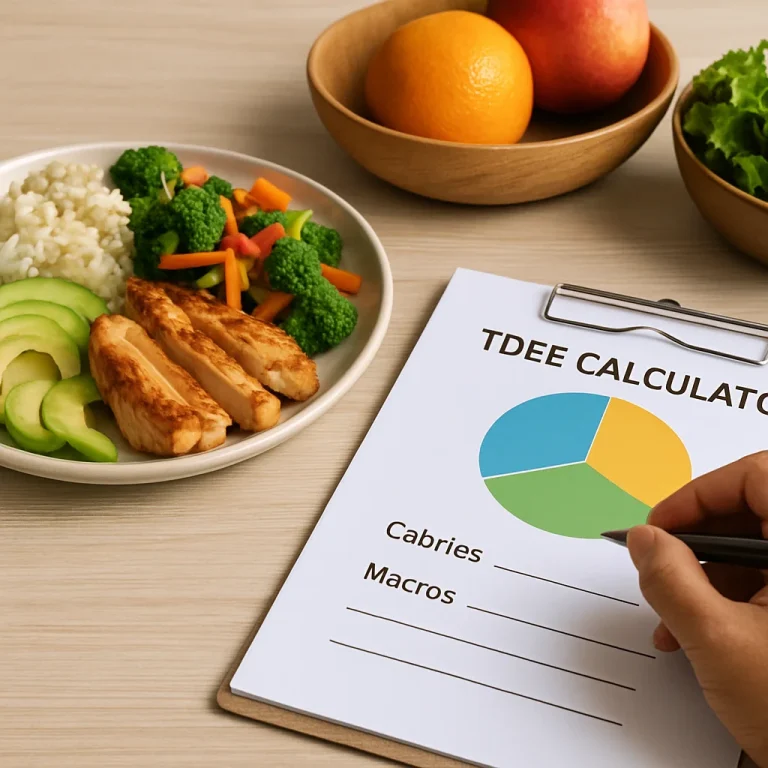
You can’t set macros properly until calories are clear. That’s where TDEE — total daily energy expenditure — comes in.
A practical method is:
- Estimate your BMR.
- Add activity using work type and exercise sessions.
- Choose a goal: fat loss, maintenance, or gain.
- Split calories into macros.
KnowMeal uses a more realistic activity setup than a simple 1-to-5 scale. It looks at work type plus exercise frequency and duration, which is much closer to real life. A nurse on her feet for 10 hours and a freelance designer at a desk do not burn the same amount, even if they both “exercise sometimes.”
For example:
- A 32-year-old woman, 165 cm, 68 kg, desk job, 3 weekly 45-minute strength sessions may maintain around 1,900–2,100 kcal.
- With a fat-loss target, she might start around 1,600–1,750 kcal.
- A protein target could sit around 120–140 g/day, depending on preference and muscle goals.
These numbers are starting points, not commandments carved into chicken breast.
Building a macro meal plan with local foods
The easiest plans use foods people already buy. In Singapore, that means NTUC FairPrice, Sheng Siong, Cold Storage, Giant, neighborhood wet markets, and hawker-centre ingredients.
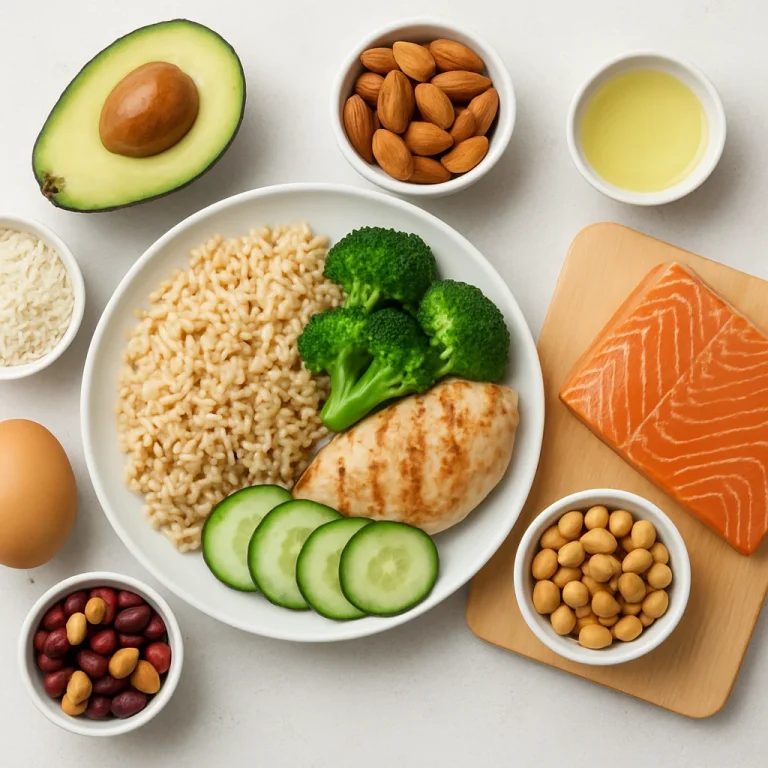
A good macro meal plan can be built from:
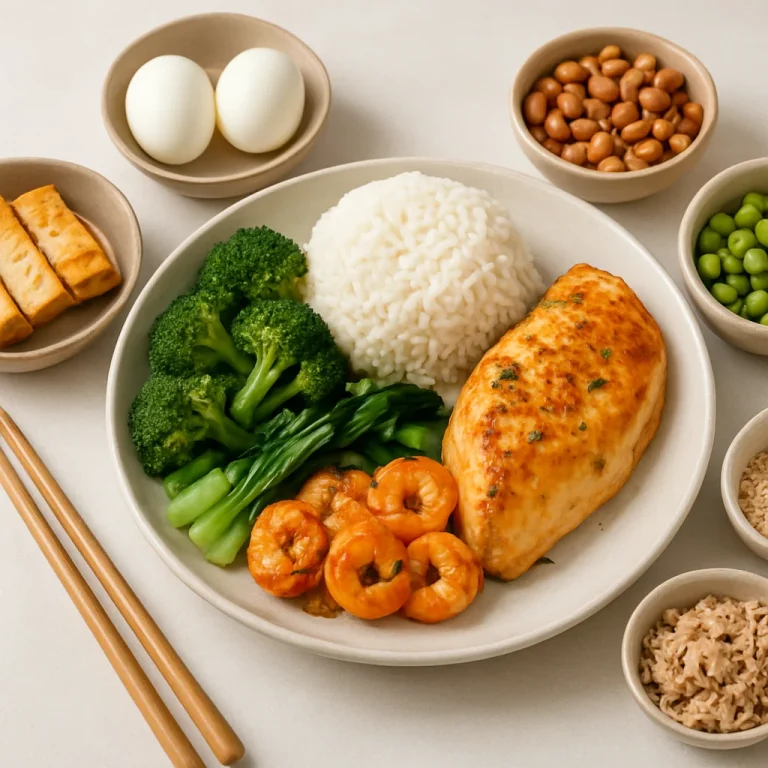
- Protein: eggs, chicken breast, skinless chicken thigh, canned tuna in water, tofu, tempeh, Greek yogurt, fish, prawns
- Carbs: white rice, brown rice, oats, sweet potato, wholegrain bread, bananas, papaya, corn
- Fats: peanuts, peanut butter, avocado, sesame oil, olive oil, whole eggs, salmon
- Fibre-rich vegetables: kailan, bok choy, spinach, cabbage, cucumber, tomatoes, okra, bitter gourd
Sample meal structure
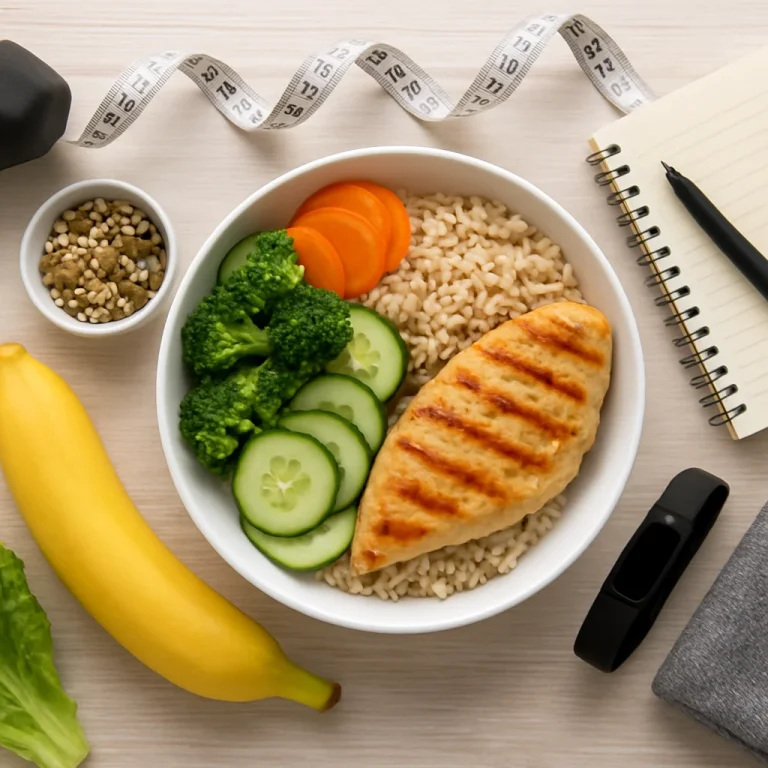
A simple meal layout might look like:
- Breakfast: eggs, oats, and fruit
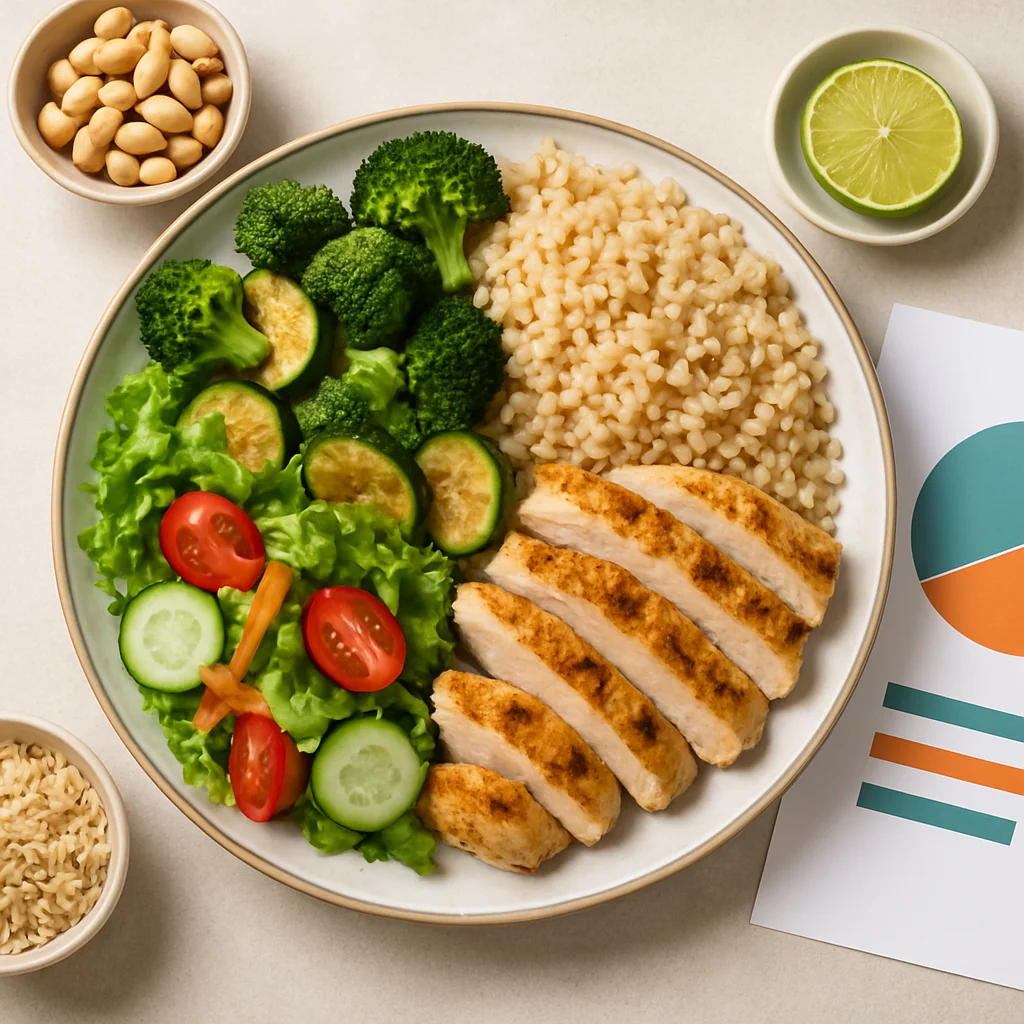
- Lunch: rice, chicken, and two vegetables
- Dinner: tofu or fish, sweet potato, and greens
- Snack: yogurt or fruit with nuts
This kind of structure is cheap, repeatable, and easier to track than mixed dishes with hidden oil everywhere. Hawker food can still fit, but sauces, oils, and portion sizes need more attention.
[IMAGE: Balanced Singapore meal plate with protein, rice, and vegetables — alt text: Balanced macro meal plan using chicken, rice, and leafy greens on a plate]
Macro meal plan examples for different goals
A macro meal plan gets real when you see what a day might look like.
Example: fat-loss day
Breakfast:
- 2 eggs
- 40 g oats
- 1 banana
Lunch:
- 150 g grilled chicken breast
- 1 cup cooked rice
- Stir-fried bok choy
Dinner:
- 180 g tofu or fish
- Sweet potato
- Cabbage and cucumber salad
Snack:
- Greek yogurt or soy yogurt
- Small handful of almonds
This could land around 1,600–1,750 kcal, depending on cooking oil and portions. Protein stays high, fibre is decent, and the meals are ordinary enough to repeat next week.
Example: muscle-gain day
Breakfast:
- 3 eggs
- Wholegrain toast
- Fruit
- Milk or soy milk
Lunch:
- Rice bowl with chicken thigh, vegetables, and beans
Pre- or post-workout snack:
- Yogurt and banana
Dinner:
- Fish, rice, tofu, and greens
This setup supports training better because carbs are higher. It’s also less miserable than trying to “bulk clean” with barely enough food to feed a houseplant.
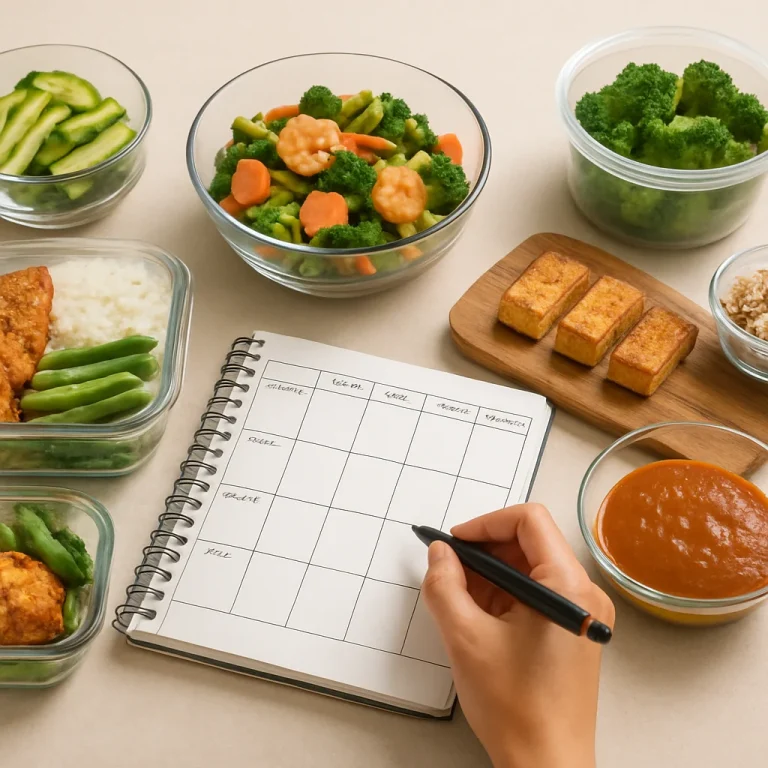
Example: family meal prep day
Cook once, eat across the household:
- Steamed rice
- Sambal-free grilled chicken
- Stir-fried mixed vegetables
- Tofu side dish
- Fruit after dinner
Family mode works best when everyone eats the same base meal and portions are adjusted by the calorie and macro needs of each person. That’s much easier than making five separate dinners and slowly losing your will to live.
If you’re planning weekly prep, [INTERNAL LINK: family meal prep guide] can help you set up a realistic routine.
[IMAGE: Family meal prep containers with shared ingredients — alt text: Family meal prep containers for a macro meal plan with rice, chicken, and vegetables]
How to adjust macros without overthinking it
Most people don’t need a full rebuild. They need small edits.
Use these rules:
- Need more energy? Increase carbs by 10–20 g per meal.
- Hungry too soon? Add 10–15 g protein or more fibre.
- Stalled weight loss? Review portions, oils, and snacks.
- Training feels flat? Bring carbs closer to workouts.
- Blood sugar swings hard? Pair carbs with protein and fibre.
A useful macro meal plan also has tolerance ranges. At KnowMeal, calorie targets are rounded and tracked with practical buffers: calories ±50, protein ±10 g, carbs ±8 g, fat ±5 g. That makes the plan easier to live with, which is kind of the point.
A practical fibre target
Try for 20 g+ fibre daily, and more if you tolerate it well. Fibre from vegetables, fruit, oats, legumes, chia, and whole grains helps fullness and can support steadier post-meal glucose response. If you suddenly jump from 10 g to 40 g overnight, your gut may file a complaint.
Special considerations: insulin resistance, BP, and kidneys
A good macro meal plan needs to respect health conditions instead of pretending everyone is the same.
For insulin resistance
Focus on:
- Higher protein
- More non-starchy vegetables
- Carbs spread across meals
- Fewer sugary drinks and refined snacks
You don’t need zero carbs. You need smarter carbs, better timing, and portions that match your activity.
For high blood pressure
Prioritise:
- Less processed food
- Lower-sodium cooking
- More potassium-rich produce like spinach, banana, and beans
- Home cooking when possible
Hawker food can be part of life, but soups, sauces, and preserved items can push sodium up fast.
For kidney health
Protein targets may need medical guidance. Kidney concerns are one area where copy-paste advice causes problems, so it’s worth involving a doctor or renal dietitian before making aggressive changes. That’s especially true if you’re using a macro meal plan for body recomposition and think “more protein” solves everything.
The biggest mistakes people make with macro meal plans
Most failures are boring, not dramatic.
1) Setting protein too low
If protein is low, hunger gets annoying fast. Muscle retention also suffers during fat loss.
2) Ignoring oils and sauces
One tablespoon of oil is about 120 kcal. That adds up quickly in stir-fries and curry-based meals.
3) Making every meal different
Variety is nice. Too much variety makes tracking harder. A better approach is to keep ingredients repeatable and rotate flavours.
4) Going too aggressive too soon
A huge calorie cut often leads to rebound eating. A macro meal plan should be challenging, not punishing.
5) Forgetting practicality
If the meal needs three specialist ingredients and a free afternoon, it probably won’t survive Tuesday.
How KnowMeal helps simplify macro planning
KnowMeal is built for people who want a macro meal plan without spreadsheet gymnastics. It creates calorie and macro targets from actual activity patterns, generates meals from curated whole foods, and keeps variety under control with a max-2-per-food rule.
It also supports:
- Solo planning for weight loss, muscle gain, maintenance, or recomposition
- Family mode for up to 5 members with shared grocery lists
- Personal trainer client management for up to 100 clients
- Drag-and-drop meal slots with real-time macro updates
- Branded PDF export for professional use
That mix matters because good nutrition plans fail when they’re inconvenient. A plan you can repeat for 12 weeks beats a perfect plan you abandon by Wednesday.
If you want a simpler way to build your own meal structure, [INTERNAL LINK: build your macro meal plan] is a strong place to start.
FAQ
What is a macro meal plan?
A macro meal plan is a structured eating plan based on calories plus protein, carbs, and fats. It helps align food choices with goals like fat loss, muscle gain, or maintenance.
Do I need to count every gram?
Not always. Many people do well with rounded targets and repeatable meals, especially if they use consistent portions and track progress weekly. Precision helps, but obsession doesn’t.
Can a macro meal plan work with Singapore hawker food?
Yes, but you need to watch portions, sauces, and oils. Dishes like economical rice, cai fan, yong tau foo, chicken rice, and fish soup can fit if you build them carefully.
Is a high-protein macro plan safe for everyone?
Not for everyone. People with kidney disease or certain medical conditions should get personalised guidance before increasing protein significantly. Always check with a qualified clinician if you have health concerns.
How much fibre should I aim for?
A practical minimum is 20 g per day, and many adults benefit from more. Fibre helps fullness and supports better digestion and blood sugar control.
How fast should I expect results?
Most people notice energy and appetite changes within 1–2 weeks. Visible body changes usually take several weeks of consistent eating, training, and sleep. Slow enough to be annoying, fast enough to work.
Key takeaways
- Macros guide calories and food balance.
- Protein supports fullness and muscle retention.
- Carbs fuel training and daily energy.
- Fibre improves satiety and blood sugar response.
- Local whole foods make plans sustainable.
- Small adjustments beat extreme dieting.
Primary CTA
Ready to build a macro meal plan that fits your goals, your schedule, and your actual food preferences? Try KnowMeal to generate personalised meal plans, shared family menus, or client-ready nutrition plans with clear macro targets and simple meal prep guidance.
Key Takeaways
- Macros make calorie targets easier to follow.
- Higher protein helps fullness and muscle retention.
- Local whole foods keep plans affordable and realistic.
- Fibre and portion control improve daily consistency.
- Family meal prep works best with shared base meals.
Frequently Asked Questions
Q: What is a macro meal plan?
What macro ratio is best for fat loss?
Can I use a macro meal plan with insulin resistance?
Do I need to avoid rice?
How much fibre should I eat each day?
Can a family share one macro meal plan?
Build a macro meal plan that fits your body, budget, and lifestyle with KnowMeal. Start with personalised calorie and macro targets, then create simple whole-food meals for yourself, your family, or your clients.