Weekly Meal Prep Planner for Families | KnowMeal
weekly meal prep planner
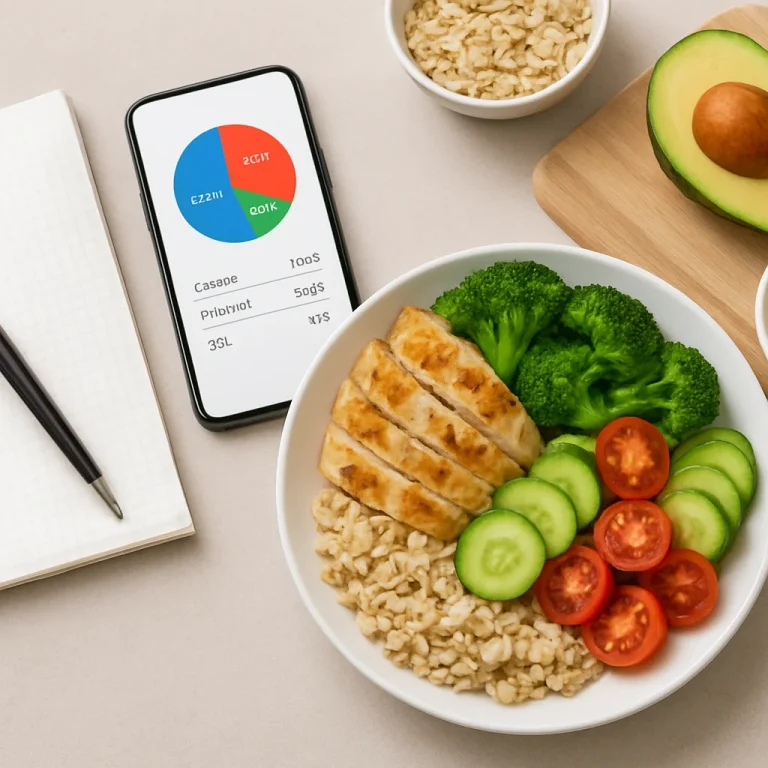
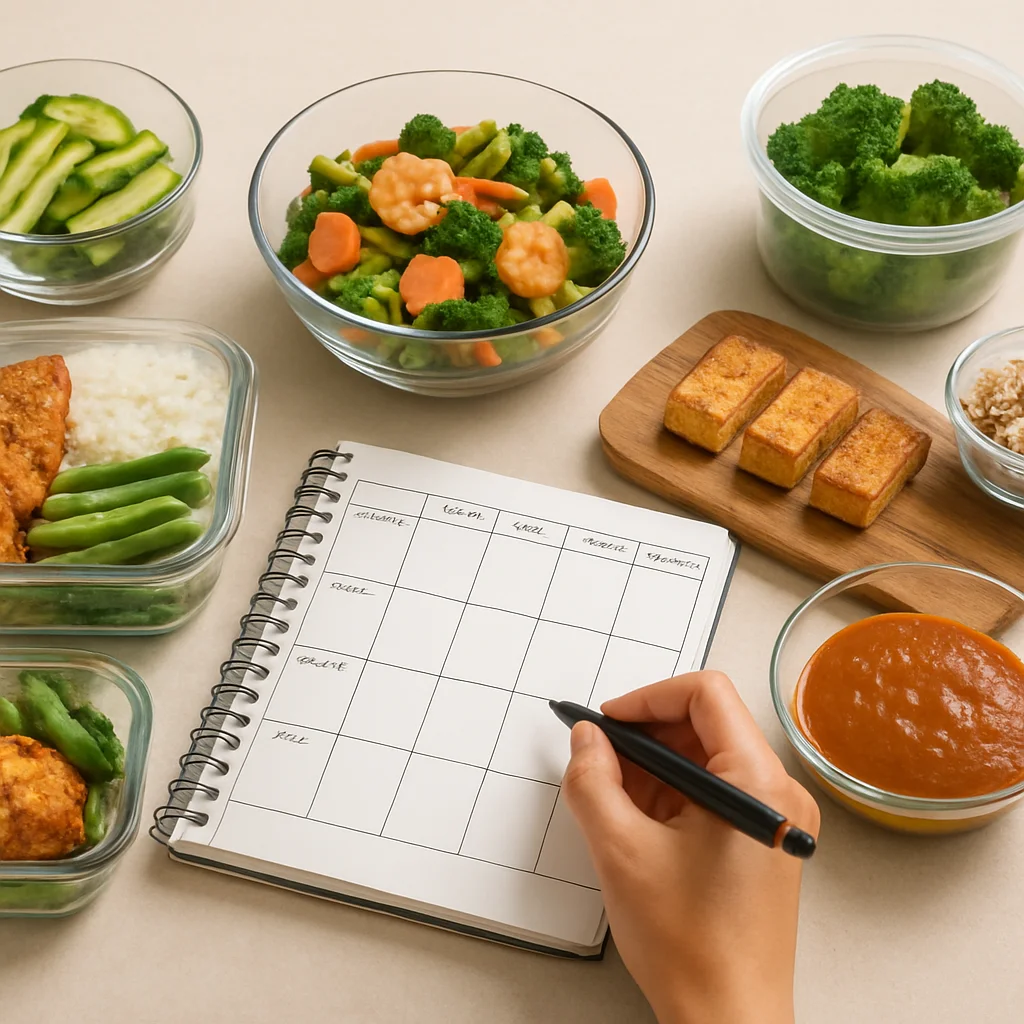
A weekly meal prep planner helps you decide what to cook, shop for, and store before the week gets chaotic. The result is simple: less weekday decision fatigue, fewer food waste disasters, and meals that actually match your health goals. If you live in Singapore or Southeast Asia, it also makes it easier to build affordable plans around local whole foods you can buy at NTUC FairPrice, Sheng Siong, Cold Storage, and wet markets.
This guide shows you how to run a planning session, set up a prep block, and store food so it still tastes good on Thursday. You’ll also learn how to make it work for families, how to keep the grocery list shared and sane, and how KnowMeal-style macro planning makes the whole thing less stressful.
Why a weekly meal prep planner works better than “winging it”
The big win is not just saving time. It’s reducing the tiny frictions that usually wreck healthy eating: missing ingredients, random takeaway orders, and the classic “there’s chicken in the fridge, but no one defrosted it” problem.
A good weekly meal prep planner turns nutrition into a repeatable system. That matters if you’re managing weight, insulin resistance, high blood pressure, or body recomposition. It also matters if you’re feeding a family, because everyone needs dinner at roughly the same time and nobody wants to run three separate kitchens before 7 p.m.
From a macro perspective, planning ahead helps you keep meals balanced:
- Protein supports muscle repair and satiety.
- Carbs provide energy for work, school, and training.
- Fat supports hormones and helps meals feel satisfying.
I’ve seen the biggest difference when people stop planning by vibes and start planning by portions. A family can still eat the same food at the same meal, but the rice, protein, and vegetable portions can vary slightly by person. That’s far easier than cooking three different dinners and pretending you enjoy it.
[INTERNAL LINK: how to calculate your calorie and macro targets]
Start with one planning session, not a full Sunday project
You don’t need to spend four hours on meal prep unless you enjoy that kind of domestic theatre. Most households do better with a 20–30 minute planning session and a focused prep block.
Use this order:
- Check the week’s schedule.
- Choose 5–7 dinners.
- Pick 2–3 breakfast options.
- Decide lunch strategy: leftovers, packed lunches, or eating out.
- Build the shared grocery list.
- Assign prep tasks by day.
The schedule check is the part people skip, then wonder why their “healthy plan” fails on Tuesday. If you know there’s tuition, gym, or a late meeting, plan a faster dinner that day. Fried rice, soup noodles, tray-bake chicken, or salmon with microwaved rice can save the week.
For families, a weekly meal prep planner works best when meals are anchored around a main protein and two simple sides. Example: grilled chicken thighs, stir-fried kai lan, and brown rice. Same meal for everyone. Different portions for adults, children, and seniors as needed.
Build your meal plan around familiar Singapore foods
The easiest meal plan is one your household will actually eat. That means using foods people recognise, can find easily, and won’t reject after one bite like some overconfident “clean eating” recipe with 17 ingredients.
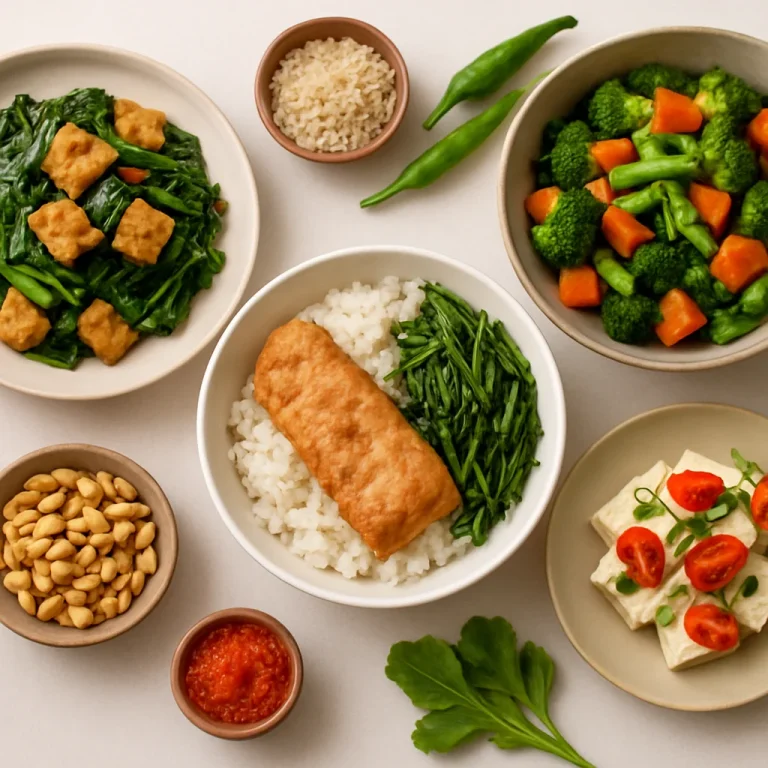
Practical staples in Singapore and Southeast Asia include:
- Eggs
- Chicken breast, chicken thigh, or drumstick
- Tofu and tau kwa
- Canned tuna or sardines
- Fish like batang, dory, salmon, or pomfret
- Tempeh
- Brown rice, jasmine rice, quinoa, or sweet potato
- Oats
- Vegetables such as cai xin, bok choy, spinach, cabbage, broccoli, carrots, cucumber
- Fruit like bananas, papaya, guava, apples, and oranges
At wet markets, I’ve seen leafy greens and herbs come in much cheaper than supermarkets, especially if you buy what’s in season. At FairPrice or Sheng Siong, house-brand rice, oats, frozen vegetables, and eggs are usually the best value. A carton of eggs often costs around S$3–6, depending on brand and size, while chicken breast commonly lands around S$7–12 per kg. Prices move, but the pattern stays the same: whole foods beat expensive “healthy snacks” almost every time.
For a family meal prep system, choose recipes that can be doubled without drama:
- Chicken curry with extra vegetables
- Stir-fried minced pork with tofu
- Baked salmon with lemon and broccoli
- Steamed fish with ginger, mushrooms, and kailan
- Minced beef or turkey lettuce wraps
- Lentil soup with carrots and tomatoes
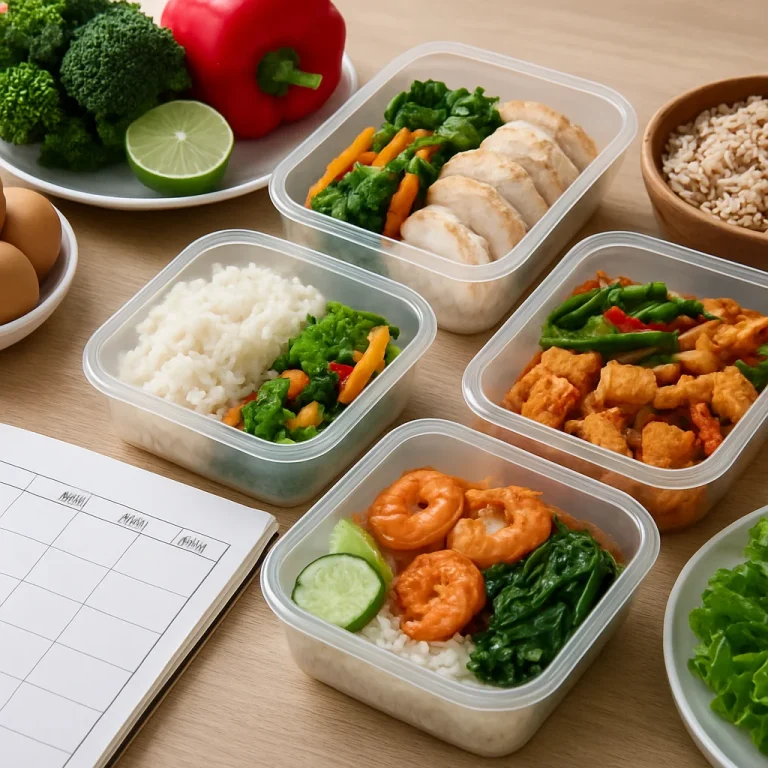
[IMAGE: Family meal prep containers with rice, chicken, and vegetables on a kitchen counter + alt text: organized weekly meal prep containers with balanced portions for family lunches and dinners]
Use macro planning without making it complicated
Macro planning sounds intimidating until you reduce it to basic food roles. That’s usually where people relax.
A simple framework:
- Protein: aim for a palm-sized portion per meal for most adults.
- Carbs: use a cupped-hand portion, adjusted for activity level.
- Fat: add a thumb-sized portion from oils, nuts, seeds, or fattier proteins.
- Vegetables: include at least two handfuls.
For people managing insulin resistance, meals with protein, fibre, and moderate carbs often work better than carb-heavy plates with little else. The goal is steadier energy and better appetite control, not zero-carb heroics that collapse by Friday.
Fibre matters more than many people think. A practical target is 20g+ daily, and getting there is easier if you include vegetables at lunch and dinner, plus oats, chia seeds, beans, or fruit. If you’re managing kidney issues or other medical conditions, calorie and protein targets should be individualised with a qualified clinician or dietitian.
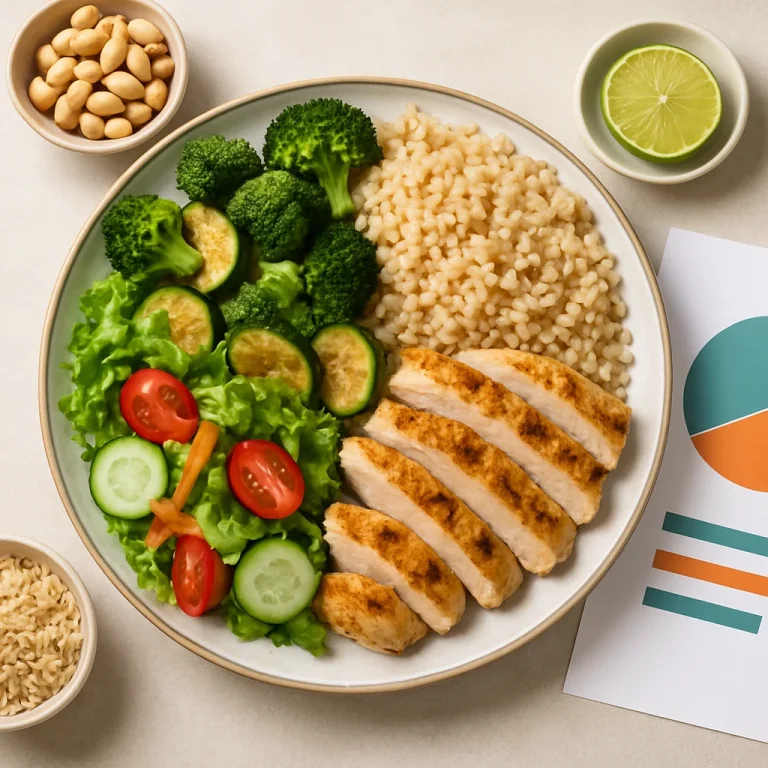
A weekly meal prep planner built around macros doesn’t have to mean weighing every lettuce leaf. It can simply mean deciding that Tuesday’s dinner is chicken, brown rice, and broccoli, while Thursday’s lunch is tuna pasta salad with cucumber and tomatoes. That’s enough structure to keep you on track.
Set up a family mode grocery list that everyone can use
The grocery list is where family planning either becomes efficient or turns into group chat chaos. Shared grocery management should be boring. Boring is good.
A clean system looks like this:
- One shared list for the whole household
- Categories: protein, vegetables, carbs, snacks, pantry, breakfast
- Mark items by meal
- Add quantities before anyone shops
- Remove duplicates immediately
If you’re using a planner app, make sure it supports family members eating the same meal at the same time. That saves both cooking time and mental load. A parent shouldn’t need one meal for the child, one meal for the spouse, and one meal for themselves unless there’s a medical reason.
A good shared list also reduces food waste. If you’re buying bok choy for soup, use it in two meals that week. If you’re opening a packet of wholegrain wraps, plan to use the rest within a few days, not “sometime later” — which is usually code for “never.”
Soft CTA: If your household keeps buying the same groceries but cooking different meals, it may be time to map the week before shopping instead of after.
Plan your prep block like a real kitchen workflow
A prep block works best when you move from longest-cooking items to fastest ones. That keeps the kitchen from feeling like a crime scene by 7:15 p.m.
A useful 60–90 minute prep block might look like this:
- Start rice or grains.
- Marinate proteins.
- Wash and chop vegetables.
- Roast or steam bulk items.
- Cook one sauce or condiment.
- Portion into containers.
Technique matters. A few reliable methods:
- Sheet-pan roasting for chicken, carrots, broccoli, and pumpkin.
- Steaming for fish and leafy greens.
- Stir-frying for quick weeknight vegetables.
- Batch boiling eggs or potatoes.
- Pressure cooking soups and stews.
If you’re prepping for a family, don’t cook every ingredient into mush. The food has to survive storage and reheating. Slightly undercook vegetables if they’ll be reheated later. Keep sauces separate when possible. Store crispy items apart from moist ones. Nobody enjoys soggy chicken skin, and pretending otherwise is a lie only a lunchbox can tell.
[IMAGE: Meal prep fridge with labeled containers + alt text: labeled meal prep containers stored in a family fridge for weekly planning]
Storage habits that keep food safe and edible
A lot of people meal prep well, then store food like they’re leaving it on a bus stop bench. Storage decides whether your plan lasts three days or five.
Use these habits:
- Cool cooked food quickly before refrigerating.
- Store cooked meals in shallow containers.
- Label with date and meal name.
- Keep sauces separate when practical.
- Freeze portions you won’t eat by day 3 or 4.
Food safety basics matter. Cooked rice should not sit out for hours, because Bacillus cereus is a real thing and it does not care about your intentions. Refrigerate leftovers promptly, and reheat food until piping hot.
General storage guide:
- Cooked meats: 3–4 days in the fridge
- Cooked rice and grains: 3–4 days
- Chopped vegetables: 3–5 days, depending on type
- Soups and stews: 3–4 days, longer if frozen
Use clear containers if you can. When you can see the food, you’re more likely to eat it. Invisible spinach tends to become decorative science.
A sample weekly meal prep planner for a Singapore family
Here’s a simple pattern you can adapt. It keeps ingredients overlapping, which is the whole point.
Dinner plan
- Monday: Chicken thigh rice bowls, cucumber, sautéed cabbage
- Tuesday: Steamed fish, rice, sambal kangkung
- Wednesday: Tofu and minced pork stir-fry, broccoli, brown rice
- Thursday: Beef or turkey tomato pasta with side salad
- Friday: Curry chicken, pumpkin, long beans, rice
- Saturday: Egg omelette wraps, fruit, leftover vegetables
- Sunday: Soup night with noodles, leafy greens, and shredded chicken
Prep block tasks
- Cook a pot of rice or brown rice
- Roast a tray of pumpkin and carrots
- Boil 6–10 eggs
- Wash and box leafy greens
- Marinate 2 proteins
- Make one sauce: garlic soy, chilli lime, or yogurt herb
This is where a weekly meal prep planner becomes practical rather than theoretical. You’re not trying to create a magazine spread. You’re trying to feed people well without rethinking life every evening.
[INTERNAL LINK: family meal planning and shared grocery management]
How to make meal prep work for different health goals
The same base menu can serve different goals if portions are adjusted.
For weight loss, reduce calorie-dense extras and keep protein high. Use more vegetables, slightly smaller rice portions, and limit sugary drinks. For muscle gain or body recomposition, increase protein and add more carbs around training. For maintenance, keep portions steady and watch snack creep, which is honestly where many plans quietly go to die.
For high blood pressure, watch sodium from sauces, stock cubes, processed meats, and instant noodles. Use herbs, garlic, ginger, chilli, lime, and vinegar for flavour. For kidney health considerations, protein, potassium, phosphorus, and sodium needs can vary a lot, so this is one area where personal medical guidance matters.
A meal prep system should reduce stress, not create food anxiety. If you have diabetes or prediabetes, pair carbs with protein and fibre, and spread intake across the day rather than loading everything into one giant dinner. That approach is often more manageable than dramatic restriction.
Keep the system simple enough to repeat next week
The best plan is the one you’ll actually use again. I’ve watched people build elaborate spreadsheets, then stop after one week because they needed a second job just to maintain dinner.
Use the same structure every week:
- Pick meals on one day
- Shop once or twice
- Prep in one block
- Store by day
- Reuse successful recipes
Track what worked:
- Which meals got eaten first
- Which ingredients were wasted
- Which recipes were too time-consuming
- Which foods nobody in the family touched
That feedback loop matters. A weekly meal prep planner improves when you stop guessing and start observing. If your family always finishes chicken rice bowls but leaves salad untouched, you’ve learned something useful. Not glamorous. Useful.
FAQs about weekly meal prep planning
What’s the best day to use a weekly meal prep planner?
The best day is the one with the fewest interruptions. Many families do planning on Friday night or Sunday afternoon, then shop and prep the same day or the next morning. Consistency matters more than the exact day.
How long should meal prep take each week?
Most households do well with 60–120 minutes for prep, depending on how many people you’re feeding. If you’re cooking for a family of four, expect more time than a solo plan, especially if you’re batch-cooking multiple proteins.
Can I meal prep if my family eats different foods?
Yes, but keep the structure shared. Use the same core ingredients and vary sauces or side portions. That way, you’re not cooking separate dinners from scratch every night.
How do I stop meal prep food from tasting bland?
Use seasoning at multiple stages: during marination, while cooking, and at the end with fresh herbs, citrus, or chilli. Garlic, ginger, black pepper, soy sauce, sesame oil, and lime work well with Southeast Asian foods without making meals heavy.
Is meal prep safe for cooked rice?
Yes, if you cool and refrigerate it properly. Don’t leave rice out for long periods, and reheat thoroughly before eating. Food safety is not the place to freestyle.
What if my goals change from weight loss to muscle gain?
Adjust portions, not necessarily the whole menu. Add more protein and carbs, especially around workouts, while keeping the same basic meal structure. That’s easier to sustain than rebuilding your entire eating pattern.
Make next week easier than this week
A weekly meal prep planner works because it removes daily guesswork and keeps your kitchen tied to real life. It’s not about perfection. It’s about making healthy eating easier to repeat, especially when you’re feeding more than one person.
If you want a smarter system for solo planning, family meal prep, or professional client management, KnowMeal can help you generate macro-based meal plans, shared grocery lists, and practical weekly prep workflows built around real foods Singaporeans actually buy.
[INTERNAL LINK: personalised nutrition meal planning platform]
Key Takeaways
- Plan meals before shopping, not after
- Use overlapping ingredients for efficiency
- Keep family meals shared and simple
- Store food safely to reduce waste
- Adjust portions to match health goals
- Repeat what worked, refine what didn’t
Frequently Asked Questions
Q: What should a weekly meal prep planner include?
How many meals should I prep at once?
What foods are easiest for weekly meal prep in Singapore?
How do I keep meal prep from getting boring?
Is weekly meal prep suitable for people with diabetes or high blood pressure?
Can KnowMeal help with family meal prep?
Ready to make family meal planning easier? Try KnowMeal to build a weekly meal prep planner with smart macros, shared grocery lists, and meal plans your household can actually follow.