
How to Build a Simple Weekly Meal Planning System That Saves Time and Reduces Stress
Why a Weekly Meal Planning System Makes Life Easier
A weekly meal planning system is one of the simplest ways to save time, reduce decision fatigue, and make healthier eating feel more manageable. Instead of figuring out what to cook at the last minute, you create a repeatable rhythm that helps you plan meals, shop smarter, and stay calm during busy weekdays.
For health-conscious individuals, families, and fitness-focused households, meal planning is not just about food. It supports better structure, fewer impulse takeaways, more balanced nutrition, and less stress around the dinner question. If you already use systems for budgeting or life admin, meal planning can work the same way: simple, weekly, and sustainable. You can also pair this with [LINK_TO: How to Build a Simple Weekly Life Admin System That Saves Time and Reduces Stress] and [LINK_TO: How to Build a Simple Monthly Life Admin System That Saves Time and Reduces Stress] for a more organised home routine.
What a Simple Weekly Meal Planning System Should Include
The best systems are not complicated. A good weekly meal planning system only needs four parts:
- A planning moment each week
- A meal framework for breakfasts, lunches, dinners, and snacks
- A grocery list based on what you will actually cook
- A prep routine that reduces weekday effort
This structure works whether you are cooking for one, feeding a family, or managing a macro-based diet. The goal is not perfection. It is to remove guesswork and make healthy eating automatic.
1. Pick one planning day
Choose a consistent time each week, such as Sunday afternoon or Monday evening. Keep it short. Ten to fifteen minutes is enough when you have a system. Use that time to look at your schedule, identify busy days, and decide how many meals need to be home-cooked.
2. Start with your real week, not an ideal week
A common mistake is planning as if every night is free. Instead, build around your actual life. If Wednesday is packed, plan a quick stir-fry, soup, or leftovers. If Friday is delivery night, leave room for it. A realistic weekly meal planning system is easier to stick with because it reflects how you live.
3. Use a repeatable meal formula
Rather than inventing new recipes every week, use simple formulas:
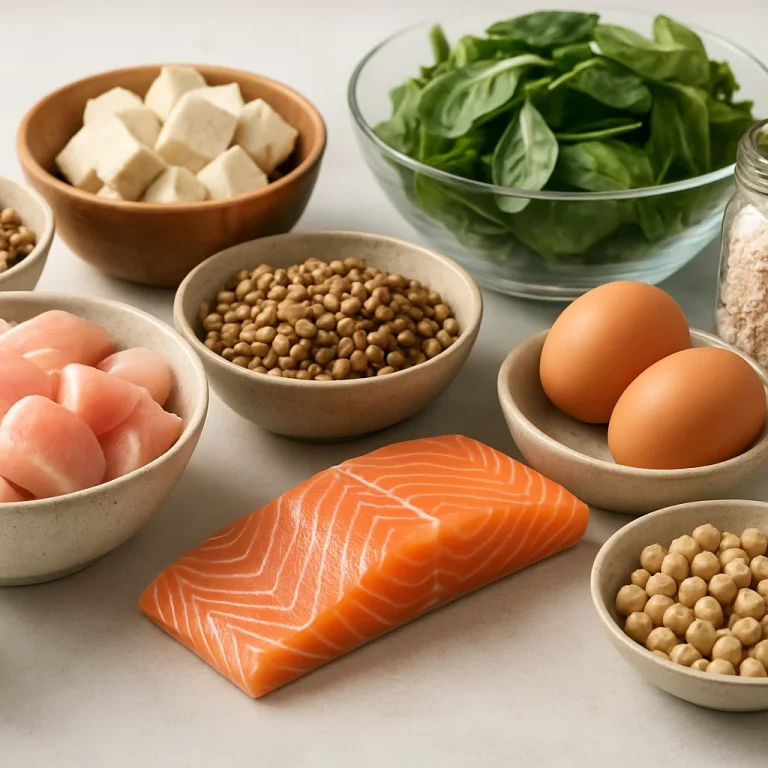
- Protein + vegetables + rice/noodles
- Sheet-pan protein + root vegetables + sauce
- Soup or stew + side salad
- Wraps or bowls with leftovers
This approach is especially useful for Southeast Asian and Singaporean households where flavours can stay varied even when the base structure stays the same. Think chicken rice bowl, tofu stir-fry, fish soup, sambal-style vegetables, or turkey mince lettuce wraps.
How to Build Your Weekly Meal Planning System Step by Step
Here is a practical way to create your system without feeling overwhelmed.
Step 1: Audit what already works
Look at the last two weeks and list meals your household actually enjoyed and repeated. These are your “core meals.” Build from them instead of starting from scratch. This reduces planning time and helps avoid food waste.
Step 2: Decide your meal categories
Most people do well with a simple weekly structure:
- 2–3 breakfast options
- 2–3 lunch options
- 4–5 dinner options
- 2 snack options
If your family often eats similar breakfasts or lunches, keep those fixed. That gives you more energy to focus on dinner planning, which usually causes the most stress.
Step 3: Match meals to your goals
If your goal is fat loss, muscle gain, or better energy, your meals should support it. A macro-based structure can help you balance protein, carbs, and fats more consistently. Tools like [LINK_TO: Macro Calculator for Weight Loss | KnowMeal], [LINK_TO: TDEE Calculator Singapore for Smarter Meal Planning], and [LINK_TO: Macro Based Diet Management: Update Calories & Macros] can help you tailor your plan to your needs. For a more guided approach, see [LINK_TO: Personalised Nutrition Meal Plan for Any Goal] and [LINK_TO: Macro Meal Plan for Easy Weight Loss & Muscle Gain].
Step 4: Build your shopping list from the plan
Once your meals are chosen, write your grocery list by category: proteins, vegetables, fruit, pantry items, dairy, and staples. This is where time savings really happen. When your shopping list is tied directly to meals, you buy less, waste less, and avoid multiple store trips.
If you need help keeping costs manageable, explore [LINK_TO: How to Build a Cheap Healthy Grocery List for Weekly Family Meals] and [LINK_TO: Family Meal Planning on a Budget: The Complete System for Saving Time and Money].
Step 5: Prep with intention, not pressure
Meal prep does not have to mean cooking everything on Sunday. It can be as simple as:
- Washing and chopping vegetables
- Cooking rice or noodles in batches
- Marinating proteins
- Making one sauce or dressing
- Portioning snacks or breakfast items
Even 30 minutes of prep can make weekday cooking much faster. For families, this is especially helpful when paired with [LINK_TO: Easy Healthy Family Dinner Ideas for Busy Weeknights] and [LINK_TO: Budget-Friendly Weekly Meal Plan for Families: Simple, Flexible, and Affordable].
How to Keep Your System Flexible and Stress-Free
The goal of a weekly meal planning system is to make life easier, not stricter. Build flexibility into your plan so it can survive real life.
Use anchor meals
Anchor meals are dependable meals you can make quickly with ingredients you usually have at home. Examples include omelette rice, chicken veggie stir-fry, tuna pasta, or curry with frozen vegetables. These are helpful when your plan changes unexpectedly.
Plan one leftover meal
Assign one night each week to leftovers. This reduces cooking time and helps food stretch further. It is one of the easiest ways to cut stress while improving budget efficiency.
Keep a backup list
Have a list of five emergency meals made from pantry or freezer staples. Examples: fried rice with eggs and vegetables, noodle soup, canned tuna sandwiches, lentil curry, or salmon bowls. Backup meals are what keep the system working when the week gets messy.
Repeat, refine, and simplify
After two to four weeks, notice what is working. Which dinners got eaten happily? Which ingredients were wasted? Which meals took too long? Use those answers to improve your next plan. A good system gets easier over time because it becomes personalised.
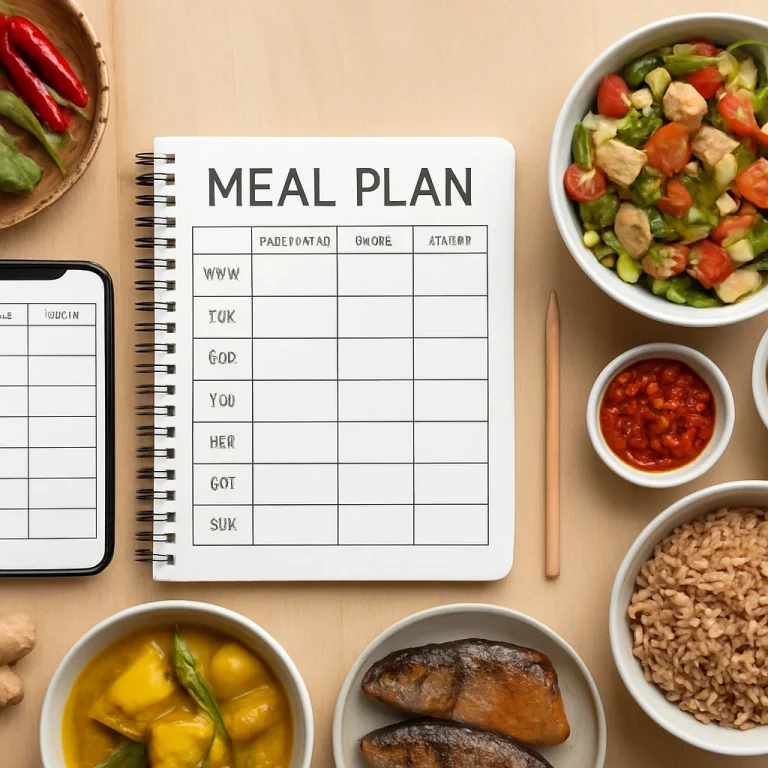
Sample Weekly Meal Planning System Template
Here is a simple template you can adapt:
- Monday: Stir-fry protein + rice + greens
- Tuesday: Quick soup or noodle bowl
- Wednesday: Leftovers or freezer meal
- Thursday: Oven-baked protein + vegetables
- Friday: Flexible meal or dining out
- Saturday: Family favourite meal
- Sunday: Prep and reset for the week
This structure is simple enough to repeat but flexible enough to adjust for work, school, training, and family life. If you want more ideas for dinners that fit a budget and busy schedule, see [LINK_TO: Easy Budget Family Dinner Ideas for Busy Weeknights] and [LINK_TO: Cheap Healthy Lunch Ideas for Families on a Budget].
Why This System Works for Busy People
A strong weekly system works because it reduces the number of decisions you need to make. You stop asking “What should we eat?” every day and start following a routine you already trust. That lowers stress, improves consistency, and makes healthy choices more automatic.
It also helps with better portion control, more balanced nutrition, and less last-minute spending. For trainers and health professionals supporting clients, systems like this can reinforce adherence and simplify meal compliance. If that is your world, you may also find [LINK_TO: Personal Trainer Nutrition Software | KnowMeal] useful for scalable meal planning support.
Conclusion: Build Once, Benefit All Week
A simple weekly meal planning system can transform your week by saving time, reducing stress, and making healthy eating easier to maintain. Start small, keep your structure realistic, and focus on repeatable meals that fit your goals and your schedule.
Ready to make meal planning feel simpler? Explore KnowMeal’s tools and guides, then build your own weekly system today.