Healthy Meal Plan Singapore | Affordable Whole Foods
healthy meal plan Singapore
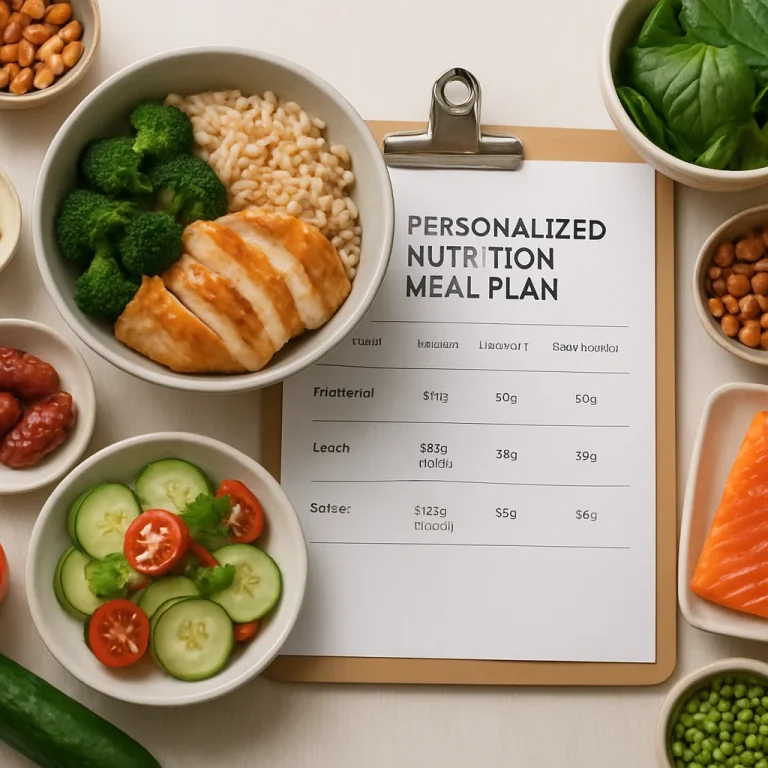
A healthy meal plan Singapore readers can actually follow is built around affordable whole foods, sensible portions, and meals that fit local habits. The best plan is one you can repeat on a Tuesday night after work, not one that looks impressive on paper and collapses when you meet a hawker centre.
This guide shows you how to build a realistic healthy meal plan Singapore style using supermarket staples, wet market produce, and simple macro rules. You’ll learn how to balance protein, carbs, and fats, hit 20g+ fibre daily, manage calories for weight loss or maintenance, and prep meals that work for individuals, families, and busy professionals.
Why a healthy meal plan Singapore needs local logic
A healthy meal plan for Singapore should reflect the food people actually buy: chicken breast, eggs, tofu, cai xin, brown rice, oats, Greek yogurt, ikan, bananas, and frozen veg from NTUC FairPrice, Sheng Siong, Cold Storage, or a neighbourhood wet market. If a meal plan only works with imported superfoods and seven obscure powders, it’s not practical. It’s theatre.
The other local factor is eating context. Many people split meals between home, hawker centres, and office lunches, so a plan needs flexibility. That means choosing meals that can be portioned, swapped, and repeated without turning dinner into a maths exam.
A good healthy meal plan Singapore residents can sustain usually does three things:
- Keeps protein high enough for fullness and muscle retention
- Keeps fibre high enough for digestion and blood sugar control
- Keeps calories in the right range for the goal
For people managing insulin resistance or type 2 diabetes, this matters even more. A 2021 review in Nutrients found that higher fibre intake is associated with better glycaemic control, and higher-protein meals can improve satiety. For practical purposes, that means more eggs, tofu, fish, chicken, legumes, and vegetables, and fewer meals built around white rice with “a bit of” protein.
[IMAGE: Singapore healthy meal prep containers with chicken, rice, and vegetables + alt text: healthy meal plan Singapore meal prep with chicken rice and vegetables]
How to build a healthy meal plan Singapore style
A workable plan starts with a simple structure. I use this order when planning meals for clients, families, or my own week: set calories, set protein, add fibre, then fill in carbs and fats. That sequence keeps the plan from becoming a carb-heavy guessing game.
1) Set your calorie target first
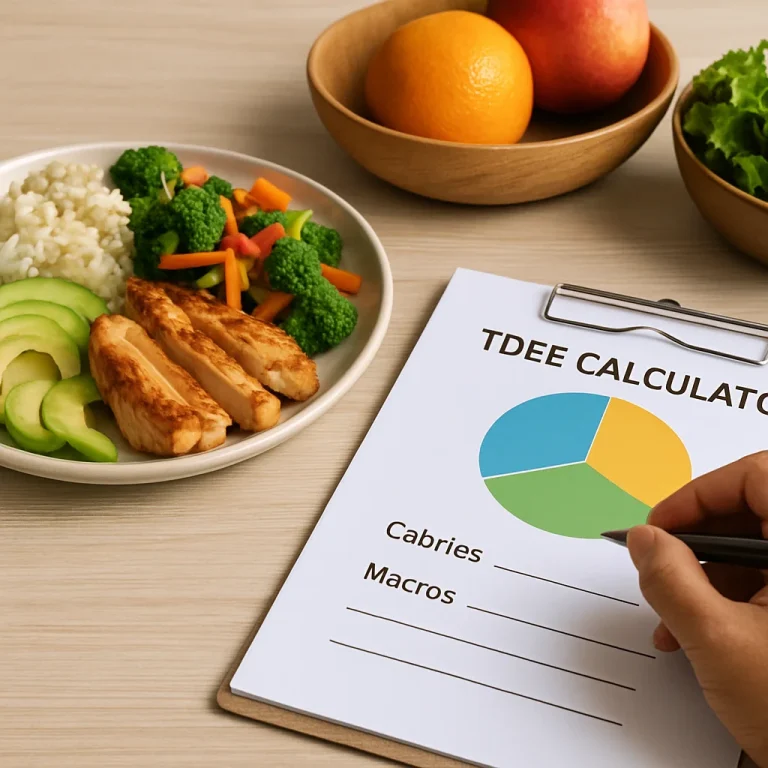
If your goal is fat loss, maintenance, or body recomposition, calories still matter. The easiest way to begin is with TDEE-based targeting, then adjust based on your weekly trend, energy, and hunger. A moderate deficit of 250–400 kcal/day is often easier to sustain than aggressive cuts.
For most adults, I see the best compliance when meals are built around rough calorie budgets rather than rigid perfection. Rounding is useful here. If a lunch lands at 550 kcal instead of 525, that’s not a crisis. That’s life being a little human.
2) Aim for a protein anchor at each meal
Protein helps with muscle maintenance, appetite control, and recovery after exercise. In plain terms: it keeps you fuller, and your body uses it to repair and build tissue. A practical target is 25–40g protein per main meal for many adults, depending on body size and goals.
Local protein options that are easy to find:
- Eggs
- Chicken breast or thigh, skin off
- Tofu and tempeh
- Fish like tenggiri, salmon, dory, or batang
- Prawns
- Greek yogurt
- Edamame
- Lean pork where preferred
For family cooking, one tray of baked chicken thighs with garlic, black pepper, and soy sauce can serve multiple meals. That’s cheaper than defaulting to takeaway every night, and it reheats well.
3) Build fibre into the plate
Fibre is one of the most underused tools in local eating. You want 20g+ daily as a minimum benchmark, and many adults do better with more. Fibre supports bowel regularity, helps with fullness, and can blunt post-meal glucose spikes.
Easy fibre-rich options in Singapore:
- Cai xin, bayam, chye sim, kailan, broccoli
- Papaya, guava, berries, apples
- Oats and barley
- Lentils, chickpeas, red beans
- Chia seeds if you like them, though they’re not mandatory wizard dust
A simple rule: half your plate should look like vegetables at least once or twice a day. Not decorative salad confetti. Actual vegetables.
4) Add carbs that work with your activity
Carbs are not the enemy. They’re energy. If you train, walk a lot, or work a physically active job, carbs help performance and recovery. Good local choices include:
- Brown rice
- Basmati rice
- Sweet potato
- Oats
- Wholemeal bread
- Mee pok or kway teow in smaller portions, paired with protein and vegetables
The trick is portion size. A healthy meal plan Singapore residents can stick to usually uses carbs as a support, not the whole story. For less active days, reduce the rice portion and increase vegetables or protein.
5) Keep fats sensible, not invisible
Fats support hormones, satiety, and absorption of fat-soluble vitamins. The common problem is not “too much fat” in general. It’s too much hidden fat from fried foods, creamy sauces, and oversized portions of oil.
Use these more often:
- Avocado in small portions
- Peanut butter, measured
- Olive oil or canola oil in modest amounts
- Fatty fish like salmon or mackerel
- Nuts and seeds in controlled portions
A tablespoon of oil adds up quickly. That’s why homemade food can be healthier, or just as calorie-dense as takeaway if you’re generous with the wok.
Affordable healthy meal plan Singapore groceries
A healthy meal plan Singapore shoppers can afford should use ingredients available at NTUC FairPrice, Sheng Siong, Giant, Cold Storage, Don Don Donki, and wet markets. You don’t need premium imports to eat well.
Budget-friendly staples
Here’s a practical shopping base:
- Eggs
- Chicken thighs or breast
- Tofu
- Canned tuna or sardines
- Frozen vegetables
- Oats
- Brown rice or basmati rice
- Bananas, papaya, apples
- Plain yogurt
- Tomatoes, onions, garlic
- Leafy greens
What this can cost
A realistic weekly shop for one adult can range from about S$45 to S$90 depending on protein choices and whether you buy more fresh fish, yogurt, or specialty items. Wet markets often give better value for vegetables and some proteins, especially if you buy later in the morning. Frozen vegetables are underrated; they’re usually cheaper, easy to portion, and less likely to rot in the fridge while you “plan” your meals for three days.
Simple price-efficient meal ideas
- Oatmeal with eggs and fruit
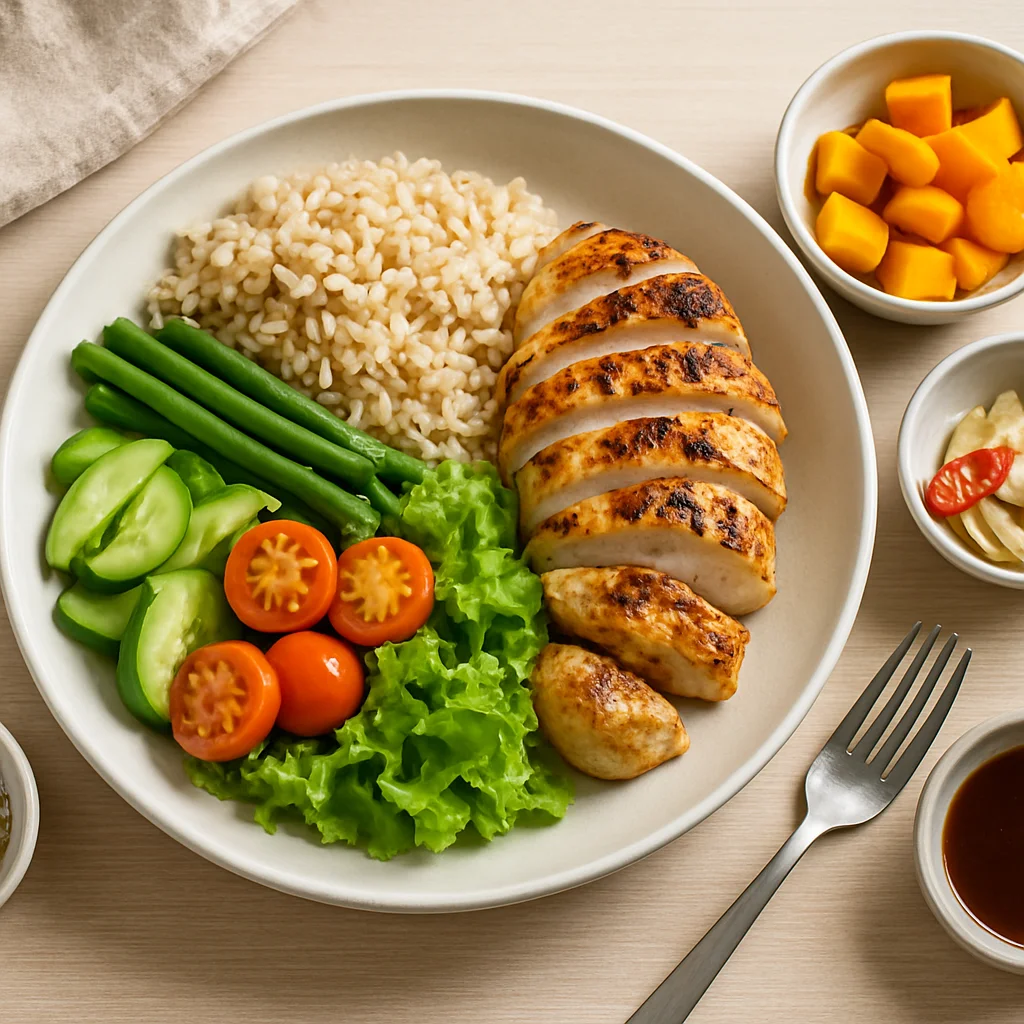
- Chicken rice bowl with cucumber and kailan
- Tofu stir-fry with brown rice
- Tuna wholemeal sandwich with tomato and lettuce
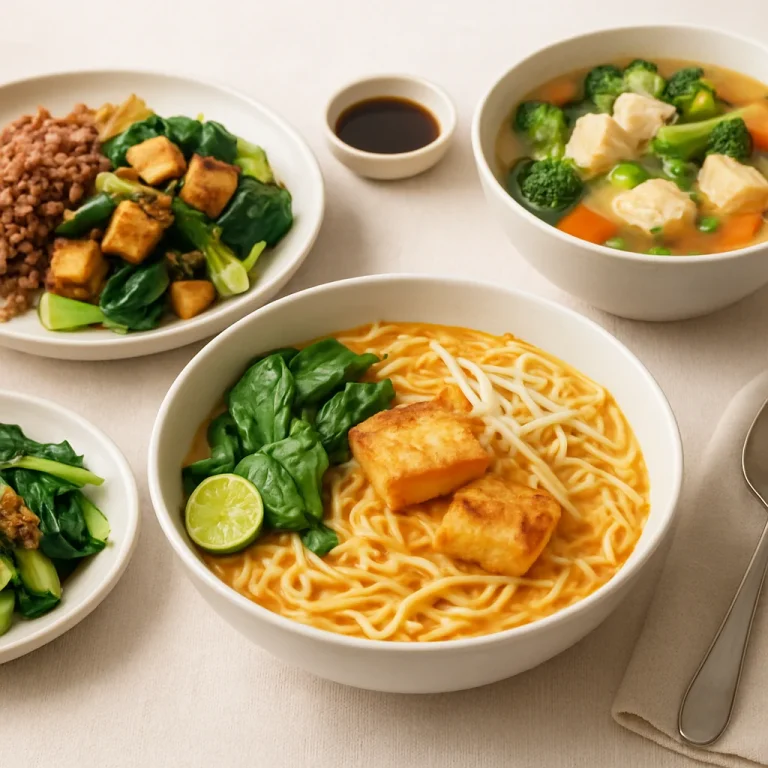
- Fish soup with extra vegetables and less noodle
- Greek yogurt with banana and oats
[INTERNAL LINK: affordable grocery list for healthy meal planning]
[IMAGE: wet market vegetables and fish stall in Singapore + alt text: affordable healthy meal plan Singapore wet market vegetables and fish]
Healthy meal plan Singapore for weight loss, recomposition, and maintenance
Different goals need different calorie and macro setups, but the food quality can stay similar. That’s useful. Nobody wants three separate kitchens for three life goals.
Weight loss
For fat loss, focus on:
- Lean protein at each meal
- Vegetables first
- Portion-controlled rice, noodles, or bread
- Fewer fried sides and sweet drinks
A good approach is to keep meals satisfying rather than tiny. If lunch is too small, dinner becomes a raid. I’ve seen this pattern enough times to know that willpower loses to a hungry office worker every time.
Body recomposition
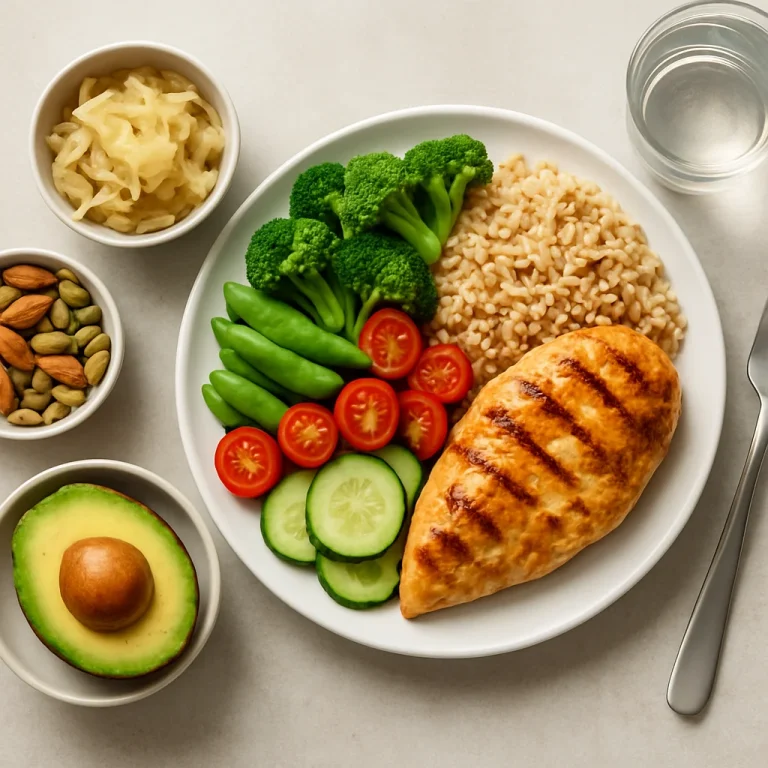
For recomposition, you want enough protein and enough carbs to support training. The plan should feel slightly less aggressive than a fat-loss phase. Meals like chicken, rice, and vegetables, or tofu, sweet potato, and greens, work well because they’re easy to repeat and portion.
Maintenance
Maintenance often fails because people start eating “healthily” but accidentally under-eat all day and overeat at night. A healthy meal plan Singapore style for maintenance should have regular meals, enough fats, and enough carbs to keep energy stable.
Meal prep strategies that actually save time
Meal prep does not mean eating the same sad rice box for five days, unless you enjoy emotional punishment. It means doing repeatable prep work so weeknights are easier.
A simple 90-minute prep method
- Cook 2 proteins
Example: baked chicken and pan-seared tofu.
- Cook 1–2 carb bases
Example: jasmine rice and sweet potato.
- Prep 2 vegetable sides
Example: steamed broccoli and stir-fried kailan with garlic.
- Make 1 simple sauce
Example: soy, lime, garlic, and a little sesame oil.
- Portion into containers
Aim for meals you can reheat in 2–3 minutes.
Family meal prep
For households, cook one core meal and adjust portions. A family can eat the same chicken stir-fry while one person gets more rice, another gets extra veg, and a child gets smaller portions. That’s simpler than making separate dishes every night.
[INTERNAL LINK: family meal planning with shared grocery lists]
Restaurant and hawker adjustments
If you eat out often, start with these swaps:
- Choose soup-based noodles over fried noodles
- Ask for less sauce or sauce on the side
- Add egg, tofu, or fish where possible
- Replace sugary drinks with water, tea, or kopi kosong
- Watch the fried add-ons; they sneak up like freeloaders at a potluck
Healthy meal plan Singapore for insulin resistance and blood pressure
People dealing with insulin resistance, prediabetes, or high blood pressure usually benefit from the same core habits: higher fibre, adequate protein, fewer sugary drinks, and less ultra-processed food. This is practical, not magic.
For insulin resistance:
- Pair carbs with protein and vegetables
- Start meals with vegetables or soup if that helps you
- Avoid drinking sugar calories regularly
- Choose lower-GI staples more often, like oats, basmati rice, and legumes
For blood pressure:
- Reduce overly salty sauces, processed meats, and deep-fried foods
- Use herbs, garlic, ginger, chilli, lime, and pepper for flavour
- Keep potassium-rich foods in rotation, such as bananas, spinach, and beans, unless your doctor has advised otherwise
For kidney health concerns, protein targets may need individual adjustment. If you have chronic kidney disease or are under medical care, get personalised advice from your doctor or dietitian before making major changes. This article is informational, not medical advice.
[IMAGE: balanced plate with rice, fish, greens, and soup + alt text: healthy meal plan Singapore for blood sugar control and blood pressure]
Sample 1-day healthy meal plan Singapore
Here’s a simple sample day that uses common foods and keeps the logic straightforward.
Breakfast
- Oats with plain Greek yogurt
- Banana slices
- 2 boiled eggs
Lunch
- Chicken breast
- Brown rice
- Stir-fried kailan and carrots
- Water or unsweetened tea
Snack
- Apple
- Handful of peanuts or edamame
Dinner
- Tofu and fish soup
- Small serving of rice
- Steamed broccoli and cabbage
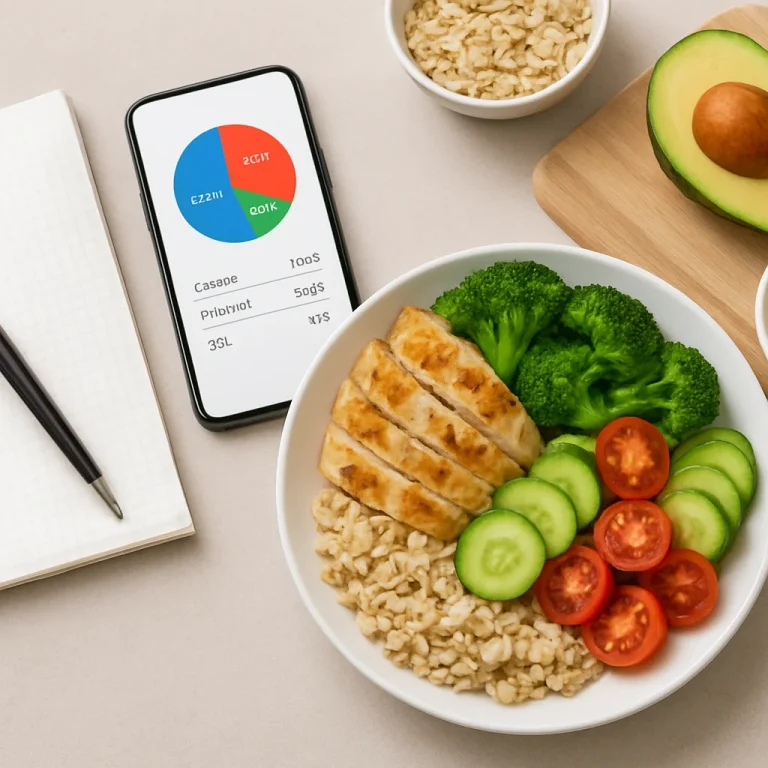
This kind of day usually gives a decent protein spread, solid fibre, and enough energy without going overboard. You can scale portions up or down depending on body size and training volume.
Common mistakes to avoid
A lot of people try to eat healthier and accidentally make the plan harder than it needs to be. I see the same mistakes over and over.
- Too little protein: meals become carb-heavy and hunger returns fast
- Too few vegetables: fibre stays low, digestion gets sluggish
- Too much “healthy” oil: calories climb quietly
- Overcomplicating prep: if the recipe needs 17 ingredients, you’ll skip it by Thursday
- Drinking calories: bubble tea, sweet kopi, juice, and canned drinks add up fast
- Ignoring weekly consistency: one perfect meal doesn’t matter much if the other 20 are random
A healthy meal plan Singapore users can maintain should feel boring in a good way. Reliable beats dramatic.
How KnowMeal fits this better than spreadsheets
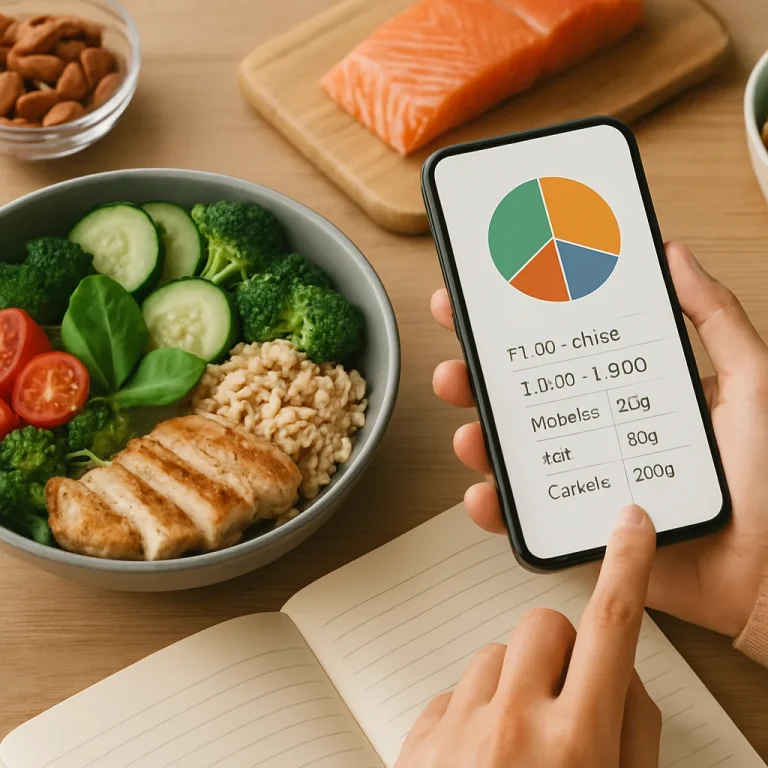
Spreadsheets can be useful, but they’re clunky when you’re trying to manage meals for one person, a family, or a trainer’s client list. KnowMeal is built for practical meal planning with calorie targets, macro-based meal generation, and local whole-food choices.
It also helps with:
- Family mode for shared meals and grocery lists
- Drag-and-drop meal slots with live macro updates
- Professional exports for trainers who need branded PDFs
- Smarter food variety control, so meals don’t become repetitive in a bad way
If you’re tired of guessing portions or juggling five different meal ideas, using a structured planner can save time fast. [INTERNAL LINK: personalised meal planning for Singapore users]
FAQ: healthy meal plan Singapore
Q: What is the easiest healthy meal plan Singapore beginners can follow?
A: Start with one protein, one carb, and two vegetables at each main meal. Keep drinks unsweetened and aim for 20g+ fibre daily. That alone improves structure without making food miserable.
Q: Is white rice allowed in a healthy meal plan Singapore style?
A: Yes, in sensible portions. White rice works fine when paired with protein, vegetables, and controlled calories. Brown rice or basmati can help with satiety, but white rice is not automatically “bad.”
Q: How much protein should I eat per day?
A: It depends on body size, training, and goal, but many adults do well with protein spread across 3–4 meals. A practical starting point is 25–40g per main meal. If you have kidney disease, get medical guidance first.
Q: Can I eat hawker food and still follow a healthy meal plan Singapore residents can sustain?
A: Yes. Choose soup-based dishes, add protein, reduce fried sides, and keep sugary drinks occasional. Hawker food is workable when you make a few consistent swaps.
Q: What are the best vegetables for meal prep?
A: Broccoli, kailan, chye sim, cabbage, carrots, and frozen mixed vegetables are all easy options. They hold up well in the fridge and are simple to season with garlic, soy, ginger, or pepper.
Q: How do I keep meal prep from getting boring?
A: Rotate sauces, switch between chicken, tofu, fish, and eggs, and use different carb bases like rice, oats, and sweet potato. Same structure, different flavours. That’s usually enough to keep people sane.
Key Takeaways
- Build meals around protein, fibre, and portions.
- Use local supermarket and wet market staples.
- Keep meals simple enough to repeat weekly.
- White rice can fit when portions are controlled.
- Fibre helps fullness, digestion, and blood sugar.
- Meal prep should save time, not create stress.
- Adjust food choices to your actual schedule.
Primary CTA
If you want a healthy meal plan Singapore residents can actually stick to, try KnowMeal to build personalised macro-based meals from local whole foods. Start with your goal, your schedule, and your household setup, then let the plan do the heavy lifting.
Key Takeaways
- Protein anchors every meal.
- Fibre improves fullness and blood sugar.
- Local foods keep plans affordable.
- Meal prep works best when simple.
- Hawker food can still fit.
- Portion control beats perfection.
Frequently Asked Questions
Q: What is the best healthy meal plan Singapore beginners can follow?
Can I lose weight without cutting rice completely?
How do I make a healthy meal plan Singapore families can share?
What foods help with insulin resistance?
Is meal prep worth it for busy Singapore workers?
How much fibre should I aim for?
Build a healthier routine with KnowMeal’s personalised meal planning tools for Singapore and Southeast Asia. Set your goals, generate practical whole-food meals, and make healthy eating easier for yourself or your family.