Singaporean Food Healthy Meal Plan for Real Life
Singaporean food healthy meal plan
A Singaporean food healthy meal plan can absolutely work without turning every meal into boiled chicken and sadness. The trick is to keep the flavours you already like, then adjust portions, cooking methods, and macros so the meal fits your goal. That usually means more protein, more fibre, controlled carbs, and less oil—not less joy.
This guide shows you how to build healthier hawker-style and home-style meals that still feel familiar. You’ll learn how to swap dishes, balance macros simply, plan meals for weight loss or body recomposition, and make a weekly plan that works in Singapore with realistic food prices and supermarket ingredients.
Why familiar local food works better than “diet food”
The best plan is the one you can repeat on a Tuesday night after work. That’s where local food wins. If you like cai fan, yong tau foo, fish soup, or home-cooked rice meals, you don’t need a foreign meal template that makes lunch feel like punishment.
A good Singaporean food healthy meal plan is built around foods you already recognise:
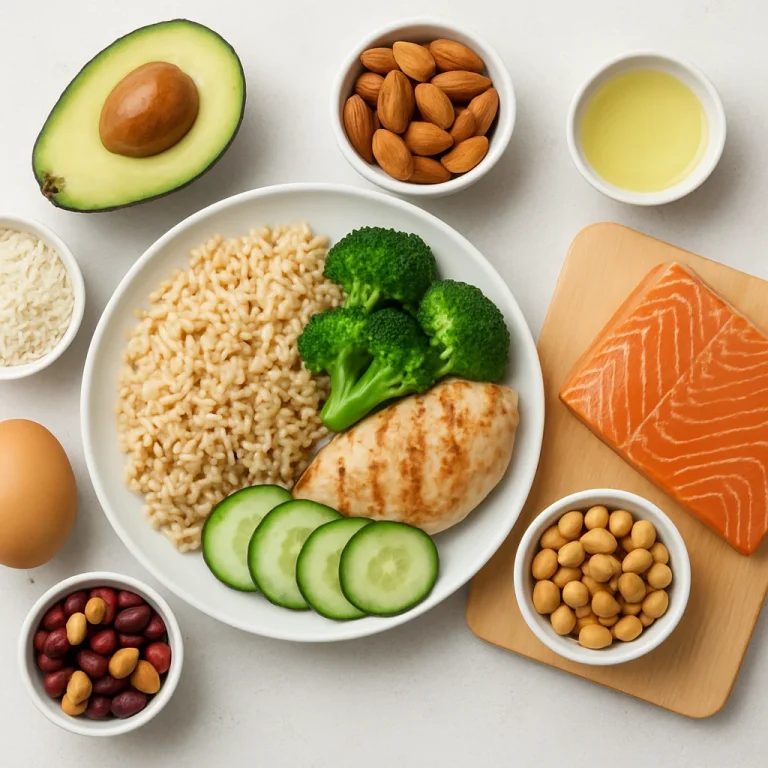
- Protein: chicken breast, eggs, tofu, tempeh, fish, prawns, Greek yogurt
- Carbs: rice, oats, sweet potato, wholemeal bread, chapati
- Fats: eggs, avocado, peanuts, sesame, olive oil, peanut butter
- Fibre: kai lan, spinach, cabbage, cucumber, okra, beans, berries, guava
For many people, the issue isn’t “Asian food.” It’s the portion size, hidden oil, sugary drinks, and too little protein. A chicken rice meal can be fine; a large plate with extra skin, oily rice, sweet sauce, and bubble tea on the side is where things drift.
[INTERNAL LINK: how macro-based meal planning works]
The simple macro rule behind healthy local meals
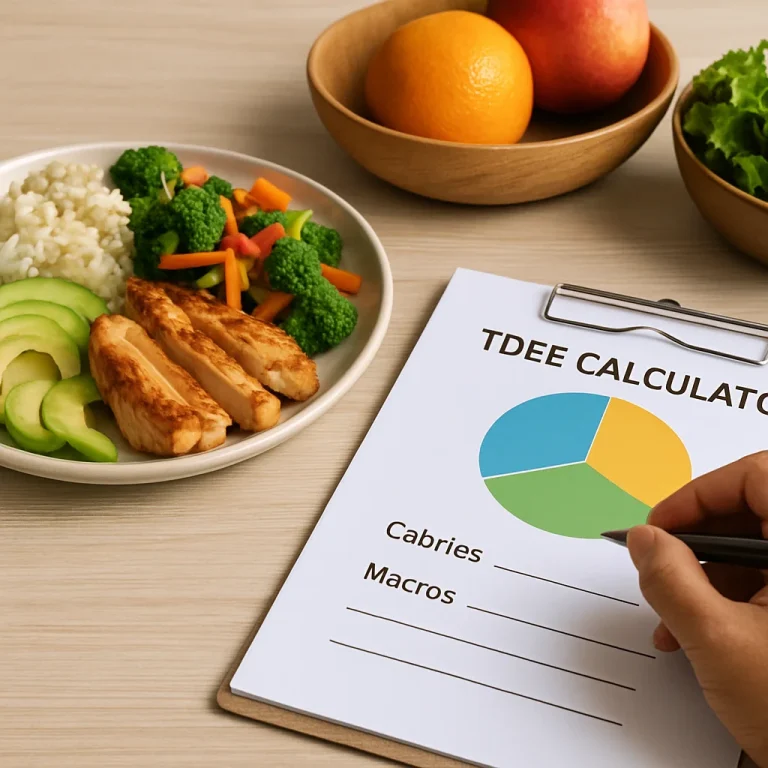
You don’t need a spreadsheet to start. Use this easy plate structure:
- Half plate: vegetables or soup vegetables
- One quarter: protein
- One quarter: carbs
- Add fats carefully: sauces, nuts, oils, egg yolk, coconut milk
Protein matters because it supports muscle maintenance and helps keep you full. Carbs give energy for training, work, and life. Fats support hormones and make meals satisfying, but they’re easy to overdo when food is fried or coconut-heavy.
For general planning, many adults do well aiming for 20g+ fibre daily, and often 25–35g is a better target if digestion allows it. If you have kidney disease, diabetes, hypertension, or a medical condition, protein and sodium targets may need adjustment. That’s where a personal meal plan helps, but this article is informational only and not medical advice.
A practical note from real meal planning work: most people underestimate how much oil lands in the pan. One tablespoon of cooking oil adds roughly 120 calories. That matters more than the ceremonial “I only had a little bit” explanation.
How to adapt hawker favourites into a healthier Singaporean food healthy meal plan
This is where people usually either overcomplicate things or give up and eat salad again. Neither is necessary.
Chicken rice
Try this:
- Ask for steamed chicken or remove the skin
- Choose less rice or half rice
- Add cucumber and extra soup
- Go light on oily rice and chilli if sodium is a concern
A typical hawker chicken rice meal can vary wildly. A regular plate can land around 600–800 calories, depending on rice portion, chicken skin, and sauce. A lighter version may land closer to 450–550 calories. That’s not “dieting”; that’s portion control with dignity intact.
Cai fan
Cai fan is one of the easiest tools for a Singaporean food healthy meal plan if you choose carefully.
Better picks:
- Steamed fish
- Braised tofu
- Stir-fried vegetables
- Eggs
- Clear soups
Try to limit:
- Sweet and sour dishes
- Deep-fried items
- Thick gravies
- Salted egg sauces
A good rule at the stall: choose 1 protein + 2 vegetables + 1 carb. If you’re cutting calories, ask for less rice and skip the fried side dish that looked innocent under fluorescent lighting.
Fish soup
This is one of the easiest healthier hawker meals because it can be high in protein and lower in calories. Choose:
- Sliced fish soup
- Tom yum fish soup if you tolerate spice and sodium
- Add brown rice or eat with less rice
- Include vegetables like lettuce, bitter gourd, tomato, cabbage
Be careful with:
- Fried fish versions
- Milk-based broths
- Extra fish cake and processed add-ons
- Too much soy sauce
A simple fish soup meal can be around 300–500 calories depending on add-ons. That makes it a useful lunch when you want something filling without needing a nap after.
Yong tau foo
This is a strong option if you choose wisely. Pick:
- Taufu
- Egg
- Leafy vegetables
- Mushrooms
- Fish paste items sparingly
Choose soup instead of fried, and keep the sweet sauces minimal. If you’re using noodles, ask for less noodles and more soup vegetables. Rice vermicelli portions can creep up fast, especially when the bowl looks “healthy.”
Nasi padang or economic rice
This can fit, but the portions need attention. Choose grilled, steamed, or braised items over fried sambal-heavy dishes. Load up on vegetables, and keep curry and sambal portions modest.
A useful pattern:
- 1 palm protein
- 2 fists vegetables
- 1 cupped-hand rice
- 1 thumb fat from sauces/oils, not five thumbs because the spoon got enthusiastic
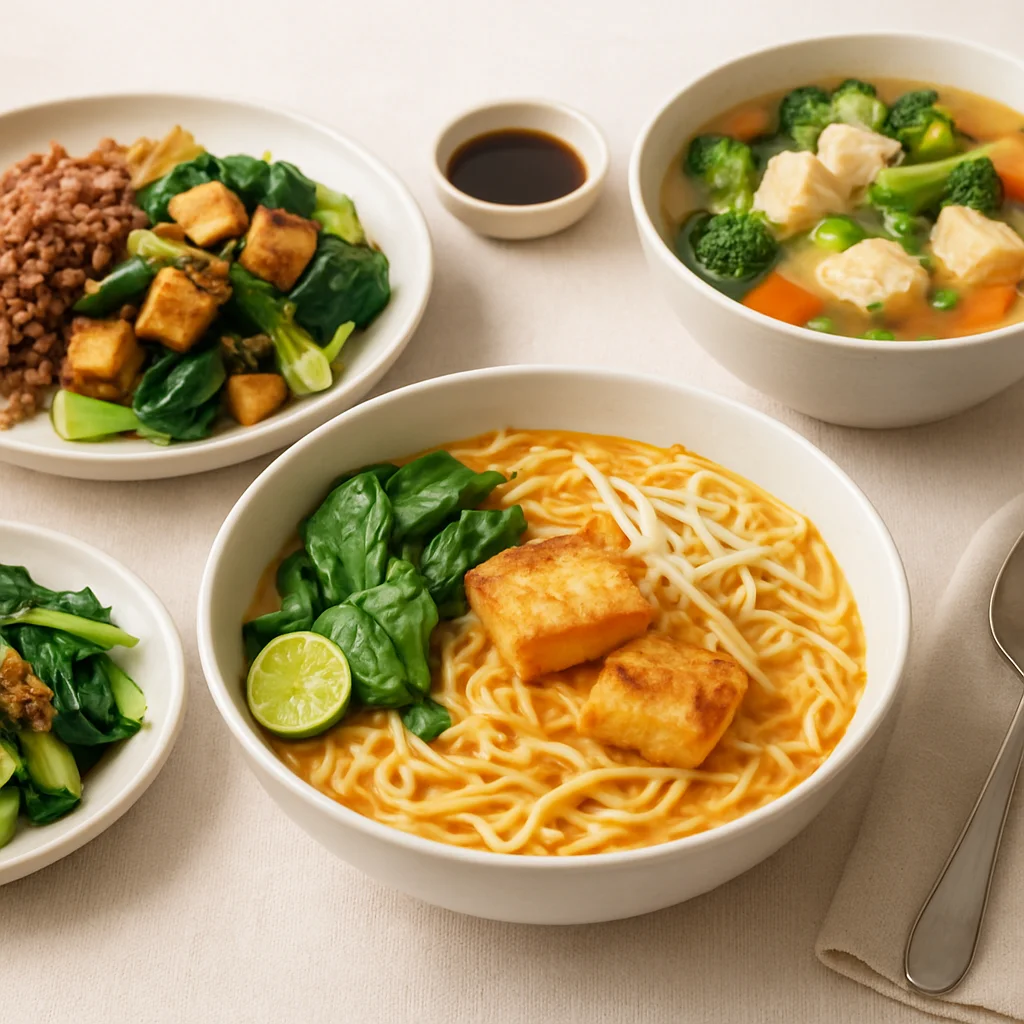
[IMAGE: Healthy cai fan plate with rice, tofu, and vegetables + alt text: Singapore cai fan healthy meal with tofu, greens, and smaller rice portion] [IMAGE: Hawker fish soup with vegetables + alt text: Singaporean fish soup meal plan high protein low calorie] [IMAGE: Meal prep containers with rice, chicken, and stir-fried vegetables + alt text: Singaporean food healthy meal plan for weekly meal prep]
Home-style local meals that still taste like home
A Singaporean food healthy meal plan works best when dinner tastes like something your family would actually eat. If the meal can’t survive a second round at the table, it’s probably too complicated.
Claypot-style or stir-fry dinner
Use:
- Lean chicken thigh or breast
- Tofu
- Cabbage, bok choy, carrots, capsicum
- Garlic, ginger, light soy sauce
- Small amount of sesame oil
Cook vegetables first if they’re dense, then add protein. Use a non-stick wok or a ceramic pan to reduce oil. A tablespoon of oil split across three servings tastes fine and saves a lot of calories.
Soup-based family meals
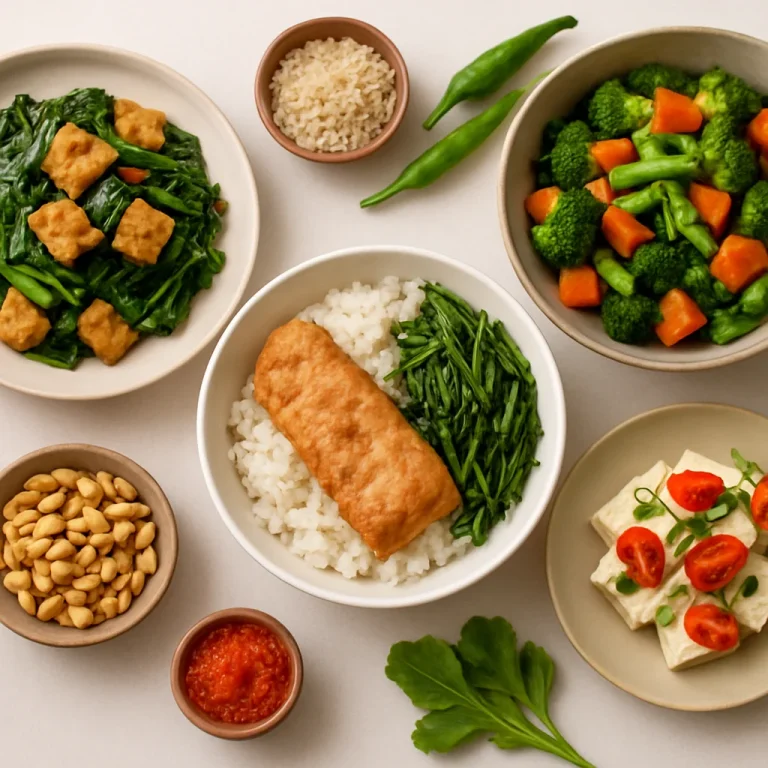
Soups are underrated. A pot of ABC soup, winter melon soup, or tomato tofu soup can be paired with rice and a protein side. For families, this style makes the meal feel cohesive without requiring separate “diet food” and “real food.”
Try:
- Chicken breast or drumstick trimmed of skin
- Tomatoes, carrots, corn, cabbage
- Tofu or eggs
- Light seasoning instead of stock cubes overloaded with sodium
If blood pressure is a concern, watch sodium from stock cubes, soy sauce, and processed meats. It’s the quiet stuff that adds up. The food doesn’t need to taste like cardboard to be lower salt.
Breakfast ideas that don’t wreck the day
A local breakfast can be healthier without losing character:
- Oats with peanut butter and banana
- Wholemeal toast with eggs
- Plain Greek yogurt with fruit
- Chee cheong fun? Yes, but keep portions small and don’t turn every breakfast into a sauce festival
If you want satiety, protein at breakfast helps a lot. Two eggs and wholemeal toast generally beat kaya toast plus sweet coffee for keeping hunger manageable. Not always, but enough times that it’s worth caring.
Meal prep for busy weeks in Singapore
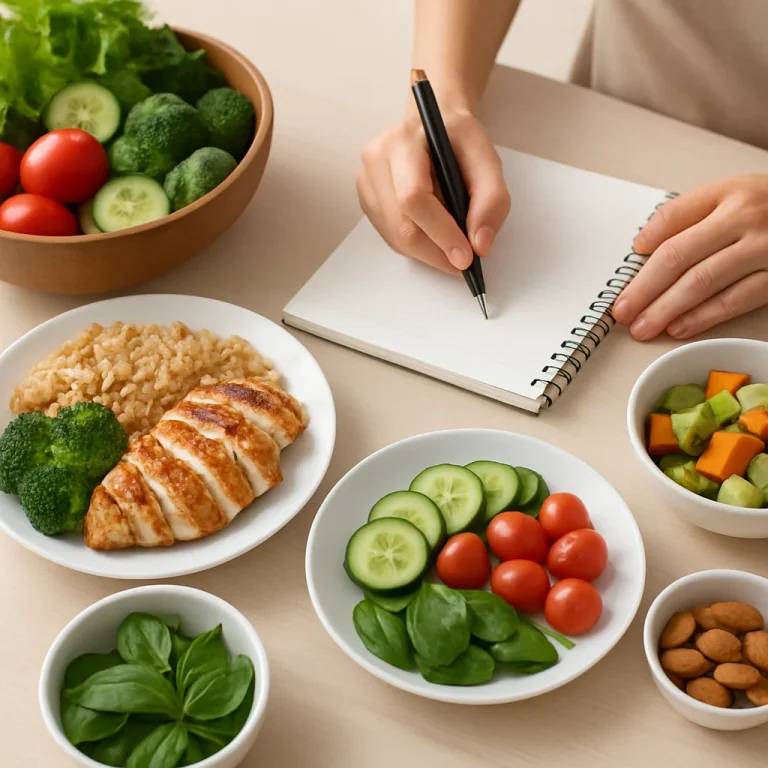
A workable Singaporean food healthy meal plan often starts with one grocery run and 60–90 minutes of prep. That’s less time than most people spend deciding what to eat on GrabFood.
A practical weekly prep basket from NTUC FairPrice, Sheng Siong, Cold Storage, or a wet market:
- Chicken breast or thigh fillets: about S$5–S$10/kg depending on cut and promotion
- Eggs: around S$2.50–S$6 per tray depending on size and brand
- Tofu and tempeh: usually affordable, often under S$2–S$4 per pack
- Frozen vegetables: useful when fresh veg gets neglected in the crisper drawer
- Rice, oats, wholemeal bread
- Cucumber, tomato, spinach, kai lan, cabbage
- Fruit: bananas, guava, papaya, apples
A very workable Sunday prep:
- Cook a batch of rice or sweet potato.
- Bake, air-fry, or pan-sear protein.
- Stir-fry two vegetable types.
- Portion into containers for 3–4 days.
- Keep sauce separate so meals don’t drown overnight.
[INTERNAL LINK: weekly meal prep guide for Singapore families]
Family mode tip
If you’re feeding more than one person, cook one base meal everyone can share. Then adjust portions per person:
- More rice for the active teen
- More vegetables for the blood pressure-conscious parent
- More protein for the gym-going adult
- Softer textures and familiar flavours for seniors
That shared-meal approach matters because families don’t want six different dinners. No one has the energy for a separate culinary Olympics on a Wednesday.
Healthy meal plan examples using Singaporean foods
Here’s a simple one-day template that fits a Singaporean food healthy meal plan.
Breakfast
- 2 eggs
- 2 slices wholemeal bread
- 1 small banana
- Black coffee or unsweetened tea
Lunch
- Chicken rice style plate with steamed chicken
- Half rice
- Cucumber and soup
- Teh-O kosong or water
Snack
- Plain Greek yogurt
- Guava or apple
Dinner
- Brown rice or white rice, smaller portion
- Stir-fried tofu and kai lan
- Grilled salmon or chicken
- Clear soup
Optional evening snack
- Boiled egg
- Edamame
- A small handful of nuts
This kind of day can support weight loss, maintenance, or body recomposition depending on the portion sizes and total calories. For muscle gain, increase protein and add more carbs around training. For weight loss, tighten rice and sauce portions first before attacking every joy in the kitchen.
A realistic fat-loss meal plan usually works because it’s repetitive enough to execute, but flexible enough to live with. If you need more structure, a personalised plan can help you set calories and macros without guessing.
Special considerations: insulin resistance, blood pressure, kidney health
If you’re managing insulin resistance or prediabetes, a Singaporean food healthy meal plan should prioritise:
- Higher fibre vegetables
- Protein at every meal
- Controlled rice and noodle portions
- Fewer sugary drinks and desserts
- More whole foods, fewer ultra-processed snacks
For high blood pressure, the biggest quiet problems are sodium-heavy sauces, processed meats, soups, and restaurant-style seasoning. Choose steamed, grilled, or soup-based meals more often, and go easy on stock cubes and bottled sauces.
For kidney health, protein, potassium, phosphorus, and sodium can all matter depending on the condition and stage. Don’t blindly copy high-protein plans from the internet. That’s how people end up with a meal plan that looks impressive and feels medically inconvenient. Speak with a qualified clinician or dietitian for personalised guidance.
A realistic 7-day structure you can actually use
You don’t need seven different recipes. You need a framework.
Repeatable breakfast rotation
- Eggs + wholemeal toast
- Oats + yogurt + fruit
- Peanut butter toast + milk
- Leftover rice with egg and vegetables, if you’re not a breakfast purist
Lunch rotation
- Chicken rice, lighter portion
- Cai fan with one protein, two vegetables
- Fish soup with rice
- Yong tau foo with soup base
- Home-packed rice bowl
Dinner rotation
- Stir-fry protein + vegetables + rice
- Soup + tofu + fruit
- Grilled fish + greens + sweet potato
- Family-style curry with controlled rice portion
A good meal plan is boring in the right way. It makes healthy eating automatic.
If you want a way to calculate calories, macros, and family portions without starting from scratch, a personalised tool can save a lot of mental bandwidth. KnowMeal was built for that exact job: local whole-food meal planning, family meal prep, and macro-based adjustments that keep food familiar.
FAQs: Singaporean food healthy meal plan
What is the healthiest hawker food in Singapore?
Fish soup, yong tau foo, and cai fan can all be healthy choices if you pick lean protein, vegetables, and controlled portions. The biggest difference usually comes from cooking method, sauces, and rice amount.
Can I lose weight eating Singaporean food?
Yes. Weight loss comes from a calorie deficit, not from abandoning local food. A Singaporean food healthy meal plan works when you reduce oily add-ons, control rice portions, and keep protein high enough to stay full.
Is chicken rice unhealthy?
Not automatically. Chicken rice becomes less friendly when the rice is oily, the portion is large, the chicken skin stays on, and sauces pile up. A smaller portion with steamed chicken and cucumber is a much better fit.
How much fibre should I eat daily?
A practical target is 20g or more per day, and many adults do well with 25–35g if digestion is comfortable. You can raise fibre with vegetables, fruit, oats, beans, tofu, and whole grains.
What’s the easiest way to meal prep local food?
Cook one protein, one carb, and two vegetables in batches for 3–4 days. Keep sauces separate, use familiar flavours like ginger, garlic, soy, and pepper, and repeat the same base meals with small changes.
Can this type of meal plan work for the whole family?
Yes, especially if everyone eats the same base meal and portions are adjusted individually. That’s usually more sustainable than cooking separate “diet meals” for one person and a different dinner for everyone else.
The best local meal plan is one you’ll repeat
The most effective Singaporean food healthy meal plan is not exotic. It’s the one that fits your schedule, your budget, your family, and your taste buds while still moving you toward better health. Start with the food you already eat, then improve portions, protein, fibre, and cooking methods one step at a time.
[INTERNAL LINK: personalized meal planning for weight loss and body recomposition]
If you want a plan that calculates calories, macros, and family portions around Singaporean foods without the spreadsheet headache, try KnowMeal and build a meal plan that actually matches your real life.
[KEY TAKEAWAYS]
- Local food can fit healthy eating.
- Protein, fibre, and portions matter most.
- Steamed, grilled, and soup meals help.
- Family meals can stay unified.
- Meal prep beats daily decision fatigue.
[FAQ] Q: What is the healthiest hawker food in Singapore? A: Fish soup, yong tau foo, and cai fan are often strong choices. The healthiest version usually has lean protein, more vegetables, and less sauce or fried add-ons.
Q: Can I lose weight eating Singaporean food? A: Yes. Weight loss depends on staying in a calorie deficit, not avoiding local food. The key is portion control, higher protein, and fewer sugary drinks.
Q: Is chicken rice unhealthy? A: It depends on how it’s served. Steamed chicken, less rice, and cucumber make it much better than oily rice with skin-on chicken and extra sauce.
Q: How much fibre should I eat daily? A: A practical target is at least 20g daily, with many adults doing well around 25–35g if digestion is comfortable. Increase fibre with vegetables, fruit, oats, beans, and whole grains.
Q: Can a healthy meal plan work for the whole family? A: Yes. Cook one base meal and adjust portions for each person instead of making separate meals. That usually saves time and makes the plan easier to stick to.
Q: Is this article medical advice? A: No. It’s for general information only. If you have diabetes, kidney disease, high blood pressure, or another medical condition, check with a qualified clinician or dietitian for personalised advice.
[PRIMARY CTA] Build a Singaporean food healthy meal plan with KnowMeal and get local, macro-based meal plans that fit your goals, family setup, and real-world Singapore foods. Start planning smarter today with meals you’ll actually want to eat.
Key Takeaways
- Local food can fit healthy eating.
- Protein, fibre, and portions matter most.
- Steamed, grilled, and soup meals help.
- Family meals can stay unified.
- Meal prep beats daily decision fatigue.
Frequently Asked Questions
Q: What is the healthiest hawker food in Singapore?
Can I lose weight eating Singaporean food?
Is chicken rice unhealthy?
How much fibre should I eat daily?
Can a healthy meal plan work for the whole family?
Is this article medical advice?
Build a **Singaporean food healthy meal plan** with KnowMeal and get local, macro-based meal plans that fit your goals, family setup, and real-world Singapore foods. Start planning smarter today with meals you’ll actually want to eat.