
How to Create a Weekly Planning System That Reduces Stress
A weekly planning system can do more than keep your calendar tidy — it can reduce decision fatigue, prevent last-minute scrambling, and make your whole week feel lighter. Instead of reacting to everything as it comes up, you create a simple structure that helps you decide what matters, when it happens, and how to stay on track.
The best part is that a weekly planning system does not need to be complicated. In fact, the simpler it is, the easier it is to stick with. Whether you are managing work deadlines, family responsibilities, meals, errands, or personal goals, a calm planning process can help you feel more in control without adding pressure.
What a Weekly Planning System Actually Does
A weekly planning system is a repeatable method for reviewing your upcoming week, prioritising tasks, and preparing in advance for likely challenges. It helps you move from vague intentions to clear actions.
When done well, it can help you:
- Reduce stress by removing uncertainty
- Make better decisions faster
- Avoid overcommitting your time
- Plan around energy levels, not just deadlines
- Create space for meals, rest, and recovery
For busy people, the goal is not perfection. The goal is to build a weekly planning system that gives you enough structure to stay organised, but enough flexibility to handle real life.
Start With the Right Weekly Planning System Mindset
Many people abandon planning because they try to build a system that is too ambitious. They create long checklists, colour-coded trackers, and detailed schedules that look impressive but take too much effort to maintain.
A stress-reducing weekly planning system should feel:
- Simple enough to repeat every week
- Realistic enough to fit your actual schedule
- Flexible enough to adjust when plans change
- Supportive enough to reduce pressure, not increase it
If your planning method makes you feel behind before the week even begins, it is too complicated. A better system should help you feel prepared, not perfect.
Build Your Weekly Planning System in 5 Steps
1. Review what is already on your plate
Before planning ahead, look at your existing commitments. Check work meetings, family events, deadlines, school activities, appointments, and recurring obligations. This gives you a realistic view of the week before you add anything new.
If you want a deeper structure for this step, [LINK_TO: How to Build a Weekly Review Routine That Keeps You Organized] can help you turn reviewing into a habit.
2. Identify your top priorities
Choose 3 to 5 priorities for the week. These should be the tasks or outcomes that matter most, not every item on your to-do list. Priorities may include finishing a report, grocery shopping, meal prep, cleaning a specific area, or making time for exercise.
A good weekly planning system uses priorities to keep your attention on what actually moves your life forward.
3. Time-block the non-negotiables
Once your priorities are clear, place them into your calendar. Time-blocking helps you assign a realistic time to important tasks so they do not get lost in the noise of daily life.
Keep it simple:
- Choose one or two priority tasks per day
- Protect your most productive hours for deep work
- Leave space between commitments
This method reduces stress because your week stops feeling like a giant unstructured list.
4. Plan your meals and routines together
One of the biggest causes of weekly stress is food-related indecision. Not knowing what to eat can lead to rushed choices, skipped meals, or expensive takeout.
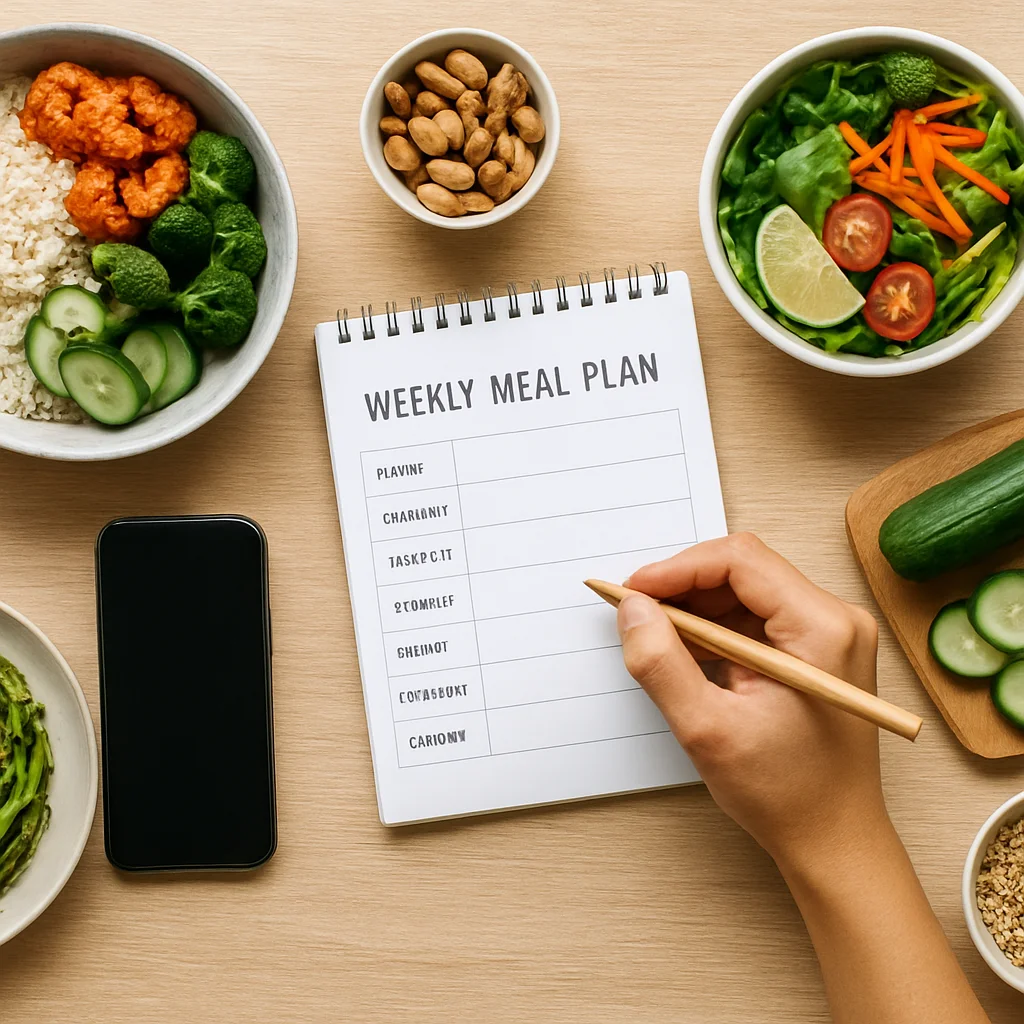
That is why meal planning should be part of your weekly planning system, especially for families and busy professionals. Pair your schedule with a simple food plan so your week feels more manageable overall. You can explore [LINK_TO: A Simple Meal Prep System for Busy Weeks] or [LINK_TO: Weekly Meal Prep Planner for Families | KnowMeal] for a practical approach.
If you are looking for real-life nutrition support, [LINK_TO: Healthy Family Meal Prep Singapore | KnowMeal] and [LINK_TO: Healthy Eating for Busy Professionals | KnowMeal] can help you connect planning with healthier eating habits.
5. Add a buffer for life
No weekly planning system works well if every minute is packed. Unexpected calls, traffic, school changes, and tired evenings happen. Build in buffer time so your plan can absorb disruptions without collapsing.
Examples of buffer strategies include:
- Leaving one free evening per week
- Not scheduling back-to-back errands
- Keeping one flexible meal option on hand
- Using a shorter to-do list than you think you need
Buffer time is one of the simplest ways to reduce stress while staying productive.
How to Make Your Weekly Planning System Easy to Maintain
The most effective planning systems are the ones you can repeat on autopilot. To make yours stick, create a consistent weekly rhythm.
- Pick one planning day: Many people prefer Sunday, but any day works.
- Use the same tools: A notebook, digital calendar, or planning app is enough.
- Keep the process short: Aim for 15 to 30 minutes.
- Focus on outcomes: Plan results, not just tasks.
- End with preparation: Set out what you need for Monday or the next workday.
If Sunday works best for you, [LINK_TO: How to Build a Sunday Evening Reset Routine for a Smoother Monday] and [LINK_TO: A Simple Sunday Reset Routine for a More Productive Week] can give your weekly planning system a calm starting point.
You may also find [LINK_TO: The Best Sunday Reset Routine for a Less-Stressful Week] and [LINK_TO: The Best Weekly Reset Checklist for a Calm, Productive Week] useful if you want a clear structure to follow.
Common Mistakes That Make Planning Feel Stressful
Sometimes the problem is not planning itself, but the way it is done. Avoid these common mistakes:
- Overloading the week: Too many tasks create unrealistic expectations.
- Ignoring energy levels: Planning hard tasks for your most exhausted time of day leads to friction.
- Skipping review: If you do not check in weekly, your system loses direction.
- Making it too detailed: A rigid system is harder to follow when life changes.
A strong weekly planning system is designed to support you through real-world unpredictability, not pretend it does not exist.
Weekly Planning System Ideas for Busy Households and Professionals
If you manage a family, work long hours, or juggle several responsibilities, your system should reduce friction in the areas that cause the most stress. That may include meals, cleaning, home admin, or errands.
For example, you can combine your weekly planning system with:
- [LINK_TO: Simple Home Organization Checklist for Busy Households]
- [LINK_TO: How to Create a Simple Home Maintenance Checklist That Saves Time and Prevents Bigger Problems]
- [LINK_TO: Beginner’s Guide to Meal Prep for Busy Weekdays]
- [LINK_TO: Affordable Healthy Meals Singapore | Budget Meal Ideas]
If your goals include body recomposition or healthier eating, you can also connect your plan to [LINK_TO: What Are Macros in Food? Simple Guide] and [LINK_TO: Whole Food Meal Plan for Easy, Healthy Weight Loss].
Conclusion: Build a Weekly Planning System That Works for Real Life
A stress-reducing weekly planning system should help you feel calm, prepared, and clear about what matters most. Keep it simple, review your week regularly, prioritise the essentials, and plan meals and routines alongside your calendar. The more your system fits your real life, the easier it becomes to maintain.
Start small this week: review your commitments, choose your top priorities, and block time for what matters most. Then refine your system as you go. If you want more support building a practical routine, explore the linked guides above and create a weekly planning system that genuinely makes life easier.