How to Count Macros for Beginners | KnowMeal
how to count macros
How to count macros starts with three numbers: protein, carbs, and fat. If you can estimate portions, read labels, and build a repeatable meal template, you can track macros without weighing every bite forever. The goal is consistency, not food-scale worship.
If you’re new to macro tracking, this guide will show you exactly how to count macros using practical hand portions, nutrition labels, and simple meal templates. You’ll also learn how to set up a calorie and macro target, spot hidden calories in common Singapore foods, and avoid the usual beginner mistakes that make people quit after a week.
What macros are and why they matter
Macros are the three nutrients that provide energy: protein, carbohydrates, and fat. Protein supports muscle repair and satiety. Carbs are your main fuel for training, walking, and just not feeling like a zombie at 3 p.m. Fat helps with hormones, brain function, and absorbing vitamins.
A lot of people get stuck thinking macro tracking is only for bodybuilders. It isn’t. I’ve seen office workers use it to stop random snacking, parents use it to plan family dinners, and trainers use it to keep clients from “eating healthy” in ways that accidentally overshoot calories by 600 a day.
For beginners, the big win is this: when you know your macros, you know whether a meal actually matches your goal. That matters whether you’re trying to lose fat, build muscle, improve insulin resistance, or maintain your weight with less guesswork.
The macro basics in plain English
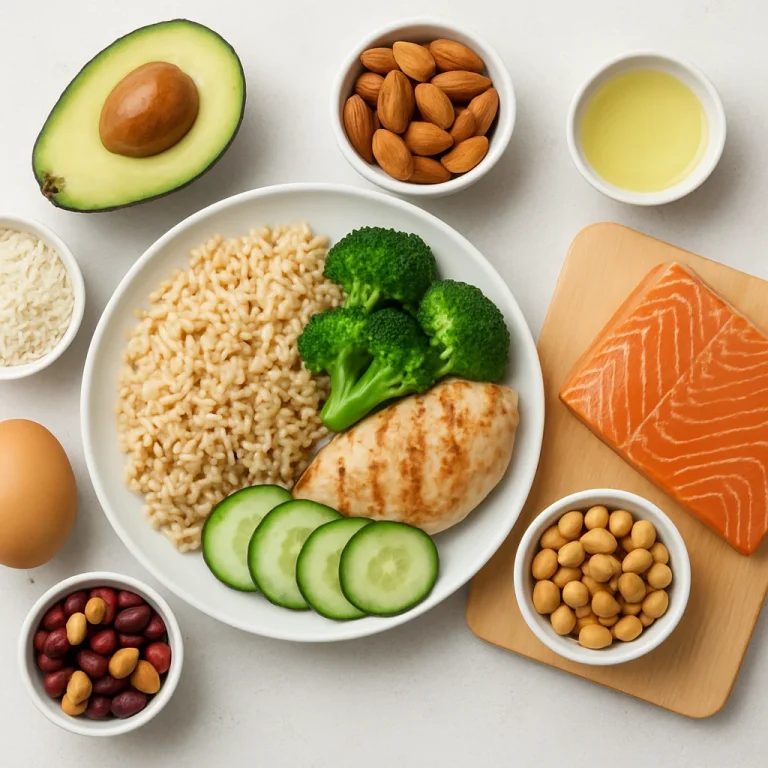
- Protein: chicken, fish, eggs, tofu, Greek yogurt, tempeh
- Carbs: rice, oats, noodles, potatoes, fruit, whole-grain bread
- Fat: olive oil, avocado, nuts, peanut butter, egg yolks
For people managing blood sugar, fiber matters too. Aim for 20g+ daily, and higher if your digestion tolerates it. That usually means vegetables, beans, chia, oats, and fruit with the skin on when possible.
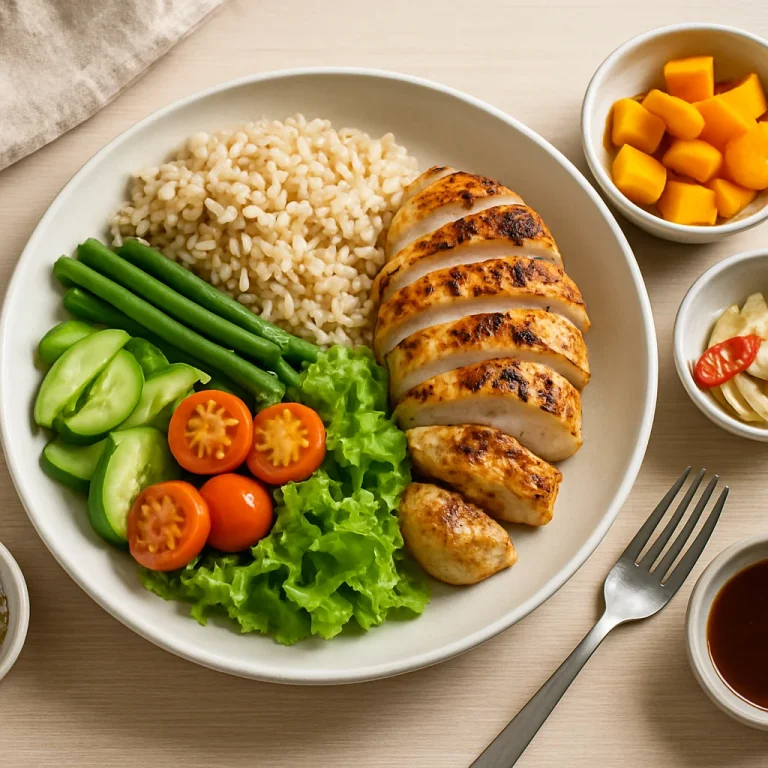
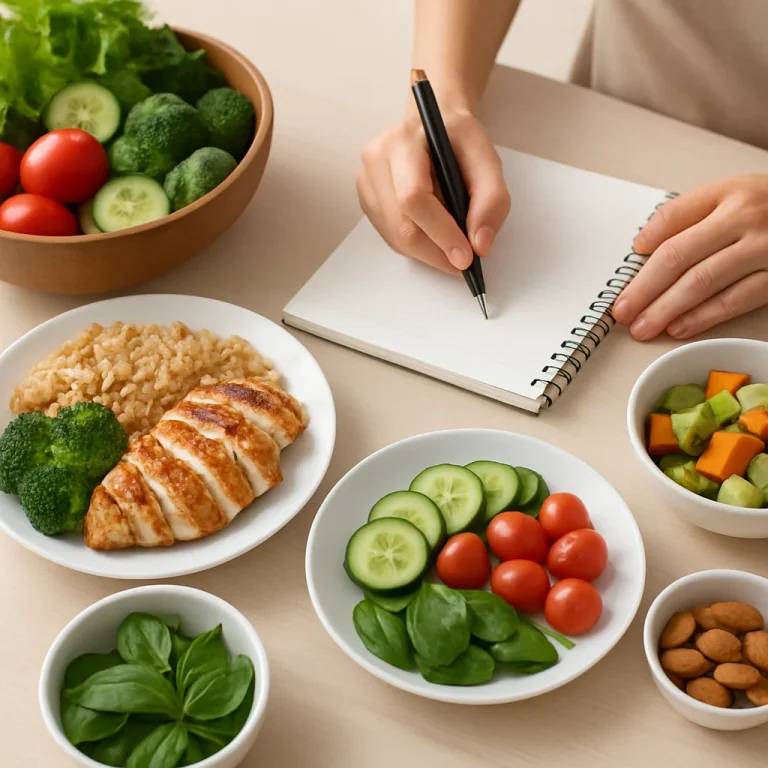
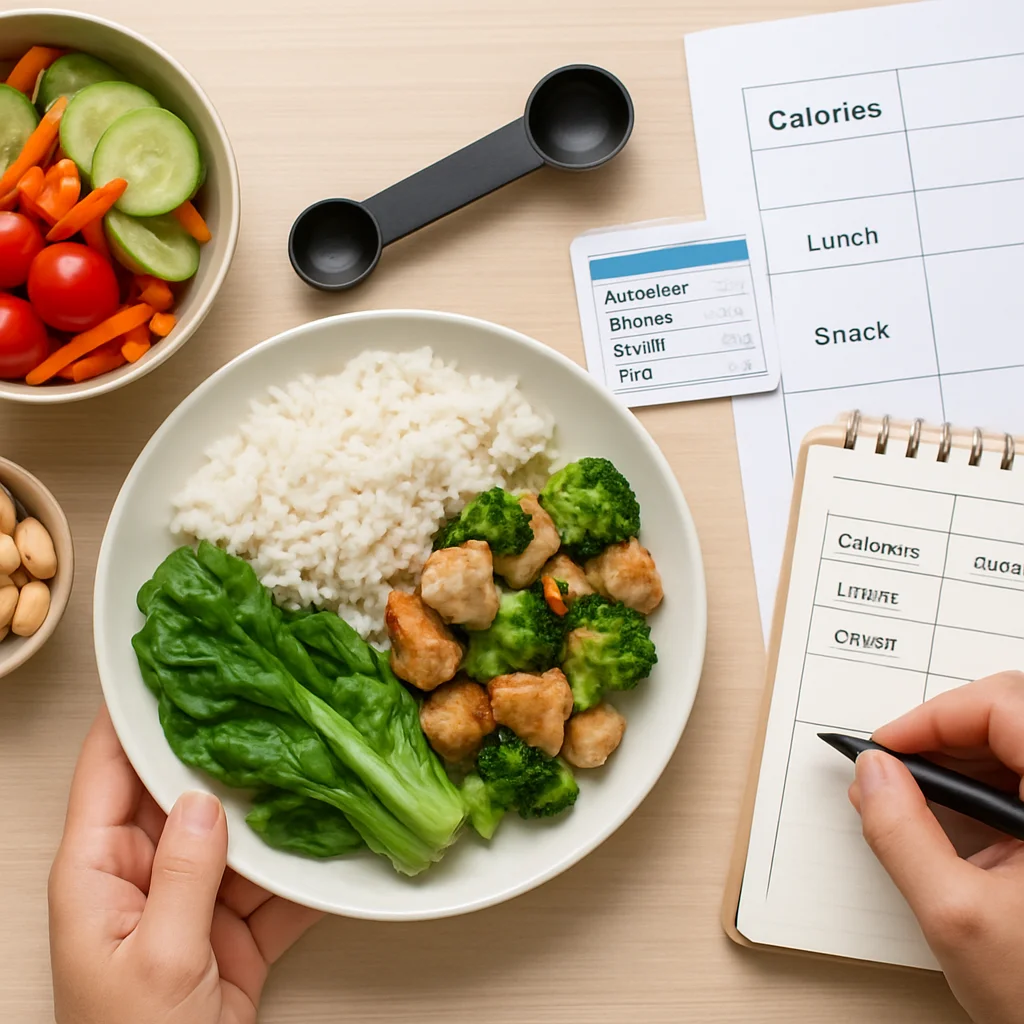
[IMAGE: Simple macro plate with chicken, rice, and vegetables + alt text: balanced macro plate with protein carbs and vegetables]
How to set your macro targets first
Before you start counting macros, you need targets. Otherwise, you’re tracking numbers for sport, which is a very expensive hobby unless you’re using a free app.
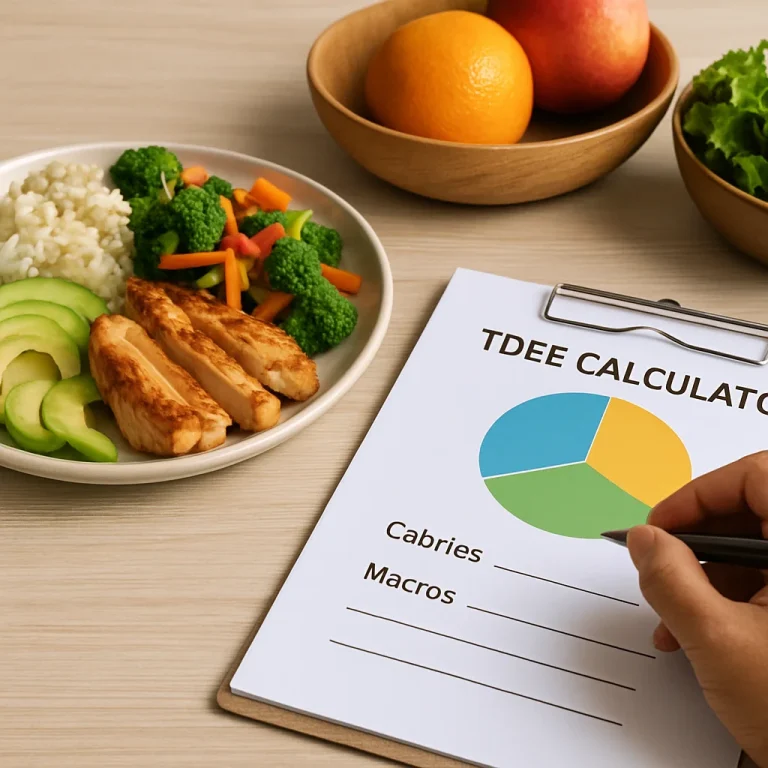
A practical setup starts with calories, then macros. Most people begin with a TDEE-based estimate, then adjust based on results over 2–3 weeks. If your weight is stable and your goal is fat loss, you typically need a calorie deficit. If you’re under-eating and want muscle gain or body recomposition, you may need a small surplus or maintenance with high protein.
A simple beginner method:
- Pick your goal: fat loss, muscle gain, maintenance, recomposition.
- Estimate daily calories using TDEE.
- Set protein first.
- Set fat second.
- Fill the rest with carbs.
A useful starting range for protein is 1.6–2.2g per kg body weight per day for active adults. For fat, many people do well around 0.6–1.0g per kg body weight. Carbs fill the remaining calories after protein and fat are set.
For example, a 70kg person aiming for fat loss might target 140g protein, 60g fat, and the rest from carbs at a calorie level that matches their goal. That’s not magic. It’s just a repeatable structure that makes meal planning less chaotic.
If you want a faster setup, [INTERNAL LINK: TDEE calculator guide] and [INTERNAL LINK: macro calculator for beginners] can help you estimate your starting point.
How to count macros using food labels
This is where the real tracking starts. In Singapore, packaged foods often make life easier because nutrition labels are usually clear, especially on items from NTUC FairPrice, Cold Storage, Sheng Siong, and Don Don Donki. Look for the serving size first, because that’s where people get tricked.
When reading a label, check these four things:
- Serving size
- Calories per serving
- Protein, carbs, and fat per serving
- Number of servings in the package
If a yogurt cup says 120 kcal per serving and the cup contains 2 servings, the whole cup is 240 kcal. Same story with crackers, granola, peanut butter, and everything that looks innocent in a small container.
A few real-world examples:
- Meiji Bulgaria Yogurt: often marketed as a small cup, but always check the grams and sugar content
- FairPrice house-brand wholemeal bread: usually easier to track than bakery bread because slices are consistent
- Ayam Brand canned tuna in water: reliable protein, convenient, and easy to portion
- Oatside or soy milk: check whether it’s unsweetened or has added sugar, because calories can climb quietly
When labels list nutrients per 100g, convert using a scale or estimate the fraction you eat. If you eat 150g of a food with 10g protein per 100g, you got 15g protein. Simple math, mildly annoying, very useful.
Quick label-reading habit
- Start with the serving size
- Multiply if you eat more than one serving
- Watch for sugary drinks and sauces
- Don’t ignore cooking oil
That last one is a common error. One tablespoon of oil is about 120 kcal. A “healthy” stir-fry can quietly become a small side hustle in calories.
[IMAGE: Nutrition label close-up with serving size highlighted + alt text: how to read nutrition labels for macro tracking]
How to count macros without a food scale
You do not need a scale to begin. A scale helps, but it’s not required for every meal, and honestly most people won’t weigh lunch at a hawker centre with scientific precision.
Use your hand as a portion guide:
- Palm of protein = about 20–30g protein
- Fist of carbs = about 25–40g carbs
- Thumb of fat = about 8–12g fat
- Two cupped hands of vegetables = low calorie, high volume
This works well for repeat meals. For example, one palm of grilled chicken, one fist of rice, and two fists of greens gives you a decent template to start from.
If you’re eating at home, measure a few meals with a scale first so your eyes learn the size. After a week or two, you’ll be better at estimating than most people who swear they “don’t eat much” but accidentally pour half a bottle of sesame dressing on their salad.
Common portions in Singapore-friendly foods
- 1 hard-boiled egg: about 6g protein, 5g fat
- 100g chicken breast: about 31g protein
- 1 medium banana: about 25–30g carbs
- 1 cup cooked rice: about 40–45g carbs
- 100g tofu: about 8–12g protein, depending on type
- 1 small roti prata: calories vary a lot, often much higher than people expect
For local meals, tracking works best when you estimate ingredients rather than try to identify every grain of rice. A chicken rice lunch can be tracked as chicken, rice, cucumber, sauce, and broth if needed. That’s enough accuracy for most beginners.
How to build meal templates that are easy to repeat
The easiest way to learn how to count macros is to stop reinventing lunch every day. Repeating 3–5 meal templates makes tracking faster and more accurate, because you’re not recalculating chaos.
A good meal template includes:
- 1 protein source
- 1 carb source
- 1–2 vegetables
- 1 fat source if needed
Example templates:
Breakfast template
- 2 whole eggs
- 200g Greek yogurt
- 1 banana
- 30g oats
This gives a solid mix of protein, carbs, and fat. If you need more protein, add egg whites or increase yogurt.
Lunch template
- 150g chicken breast or fish
- 1 cup cooked rice
- Stir-fried bok choy or kailan
- 1 teaspoon oil for cooking
Dinner template
- 150g tofu or lean meat
- Sweet potato or brown rice
- Mixed vegetables
- Optional soup
If you cook for family, build one meal everyone can eat, then adjust portions by person. That’s exactly why family-friendly meal planning works so well: same dish, different amounts. Less stress. Fewer pans. More actual dinner.
[INTERNAL LINK: family meal planning guide]
How to count macros at hawker centres and food courts
This is where beginners either level up or give up. Hawker food can absolutely fit macros, but you need to estimate smartly.
A few practical examples:
- Chicken rice: track the chicken portion, rice portion, and oily sauces separately
- Yong tau foo: estimate based on fish paste pieces, noodles, soup, and sauce
- Economic rice: count each dish component, especially fried items and gravies
- Ban mian or mee pok: noodles are the main carb, but oil and minced meat can add more than expected
- Nasi padang: calories can vary wildly depending on curry, fried chicken, rendang, and coconut-rich dishes
When in doubt, ask yourself two questions:
- Is this food steamed, grilled, or fried?
- How much oil or sauce is involved?
Those two answers usually reveal the truth. Fried foods are rarely “just a little bit higher.” They’re often much higher.
A useful rule for hawker meals: choose one carb-heavy item, one protein item, and vegetables or soup if available. If you want dessert or bubble tea, budget for it instead of pretending it doesn’t count. Unfortunately, calories remain stubbornly real.
The easiest way to track macros daily
You don’t need perfect tracking. You need a routine you’ll actually keep.
A simple daily method:
- Log breakfast first.
- Save your common meals as favorites.
- Pre-log lunch and dinner when possible.
- Adjust portions based on remaining macros.
- Review the day at night, not after you’ve already eaten three biscuits.
This works because macro tracking is mostly pattern recognition. Once you know your usual breakfast has 30g protein, you don’t need to recalculate it every morning like you’re filing taxes for eggs.
Apps can help, but only if you keep the database clean. Use verified entries where possible, and prefer branded items or your own recipes over random user uploads. Mismatched entries are one of the fastest ways to make tracking feel “broken.”
If you meal prep, weigh ingredients once before cooking. For example, track raw chicken, uncooked rice, and raw vegetables. Then divide the cooked batch into containers. That gives more consistent numbers than guessing after the rice has absorbed half the pot.
Common mistakes when learning how to count macros
Beginners usually make the same few mistakes. I’ve made several of them myself, usually with confidence.
1. Forgetting cooking oil
Oil is the silent saboteur. A stir-fry, fried egg, or pan-seared salmon can add 100–200 kcal before sauces even show up.
2. Tracking only protein
Protein is important, but if the rest of the diet is all chips, sugar, and random drinks, your macros may technically look decent while your energy crashes daily.
3. Ignoring beverages
Tea with condensed milk, kopi with sugar, bubble tea, fruit juice, and “healthy” smoothies can add up quickly. Water, black coffee, and unsweetened tea make tracking simpler.
4. Being too strict too soon
If you try to measure everything down to the last gram on day one, burnout usually arrives before lunch. Start with rough estimates, then tighten accuracy over time.
5. Not checking progress
Track body weight, waist measurement, energy, training performance, and hunger. If your macros aren’t changing anything after 2–3 weeks, adjust.
[IMAGE: Meal prep containers with rice, chicken, and vegetables + alt text: meal prep containers for macro tracking and portion control]
How to adjust macros for your goal
The right macro split depends on what you’re trying to do.
For fat loss
- Keep protein high
- Use moderate carbs
- Keep fats adequate, not excessive
- Aim for a sustainable calorie deficit
For muscle gain
- Increase calories slightly
- Keep protein high
- Use more carbs around training
- Don’t fear rice. It’s not the villain in the room.
For body recomposition
- Stay near maintenance or in a small deficit
- Prioritise protein
- Train consistently
- Sleep more than your phone screen would prefer
For insulin resistance or blood sugar management
- Focus on fiber-rich carbs
- Pair carbs with protein and vegetables
- Avoid sugary drinks and oversized refined-carb portions
- Keep meals predictable so you can spot patterns
If you’re managing kidney disease, diabetes, or blood pressure medication, macro targets may need individual adjustment. This article is informational, not medical advice, and anyone with a diagnosed condition should work with a qualified clinician or dietitian.
A beginner-friendly example day of macro tracking
Here’s what a simple day can look like.
Breakfast
- 2 eggs
- 200g Greek yogurt
- 1 banana
- 30g oats
Approximate macros: 30g protein, 35g carbs, 15g fat
Lunch
- 150g chicken breast
- 1 cup cooked rice
- Stir-fried vegetables
- Small amount of cooking oil
Approximate macros: 40g protein, 45g carbs, 10g fat
Snack
- 1 apple
- 1 canned tuna pouch
Approximate macros: 15g protein, 25g carbs, 1g fat
Dinner
- 150g tofu or fish
- Sweet potato
- Greens
- Sesame dressing, lightly
Approximate macros: 30g protein, 35g carbs, 12g fat
This gives you a balanced day without needing exotic ingredients or a second mortgage. You can buy everything at FairPrice, Sheng Siong, or a neighborhood wet market.
If you want a structured way to turn this into a full weekly plan, [INTERNAL LINK: macro-based meal planning guide] is a good next step.
Final checklist for counting macros confidently
Before you finish a day of tracking, check these basics:
- Did you count protein, carbs, and fat?
- Did you include sauces, oil, and drinks?
- Did you use a consistent method?
- Did you keep the meals realistic?
- Can you repeat this tomorrow?
That last question matters most. The best macro plan is the one you can actually live with on a Tuesday after work, not the one that looks beautiful on paper and collapses when the office orders bubble tea.
FAQ
How do I count macros if I eat out often?
Use portion estimates, then choose the closest database entry for the dish. Focus on the main ingredients, sauce, and cooking method, since those drive most of the calories. Over time, you’ll learn which hawker meals are easy wins and which ones need a bigger calorie budget.
Do I need a food scale to count macros accurately?
No, but it helps a lot, especially at the start. You can begin with hand portions and labels, then weigh a few common meals to calibrate your eyes. Most people only need the scale for home meals and meal prep, not every bite forever.
What’s the best macro split for beginners?
There isn’t one perfect split, because your calorie needs and goal matter. A practical starting point is high protein, moderate fat, and the rest from carbs. That works for fat loss, muscle gain, and maintenance better than extreme low-carb or low-fat plans for most people.
How many grams of protein should I eat daily?
A common starting range is 1.6–2.2g per kg body weight for active adults. If you’re older, dieting, or trying to preserve muscle, the higher end is often more helpful. If you have kidney disease or related medical concerns, get personal advice from a clinician first.
Can macro tracking help with insulin resistance?
Yes, especially when it helps you reduce excess calories, improve protein intake, and keep carb portions more consistent. Pairing carbs with fibre, protein, and vegetables often improves meal quality and satiety. It’s not a cure, but it can be a very practical tool.
How long does it take to get good at counting macros?
Most beginners get noticeably better within 1–2 weeks if they track consistently. By 3–4 weeks, common meals start feeling automatic. Accuracy improves faster when you repeat meals instead of inventing a new one every time hunger appears.
Key takeaways
- Start with calories, then set macros.
- Protein comes first for most goals.
- Use labels, portions, and templates.
- Track oils, sauces, and drinks.
- Repeat meals to build accuracy.
- Adjust after two to three weeks.
PRIMARY CTA
Want an easier way to count macros without starting from scratch? Use KnowMeal to generate personalised meal plans, family-friendly portions, and macro-based tracking built for Singapore foods. Try it to save time, reduce guesswork, and keep your goals practical.
Key Takeaways
- Start with calories, then set macros.
- Protein comes first for most goals.
- Use labels, portions, and templates.
- Track oils, sauces, and drinks.
- Repeat meals to build accuracy.
- Adjust after two to three weeks.
Frequently Asked Questions
Q: How do I count macros if I eat out often?
Do I need a food scale to count macros accurately?
What’s the best macro split for beginners?
How many grams of protein should I eat daily?
Can macro tracking help with insulin resistance?
How long does it take to get good at counting macros?
Ready to make macro tracking simpler? Start with KnowMeal and build personalised meal plans that match your calories, macros, and Singapore food preferences. It’s a practical way to eat better without living on spreadsheet duty.