Diabetes Friendly Meal Plan Singapore Guide
diabetes friendly meal plan Singapore
A diabetes friendly meal plan Singapore can still include hawker-style flavours, local rice dishes, and affordable supermarket ingredients. The trick is not “eating plain food forever”; it’s building meals with the right balance of protein, fibre, carbs, and fat so blood sugar rises more steadily and you stay full longer.
This guide shows you how to adapt Singapore and Southeast Asian meals for better glucose control without turning dinner into a sad spreadsheet. You’ll learn what a practical plate looks like, which local foods work well, how to shop cheaply at places like FairPrice, Sheng Siong, Giant, wet markets, and neighborhood provision shops, and how to plan meals for weight management, insulin resistance, and family cooking.
What makes a diabetes-friendly meal plan work?
A good diabetes friendly meal plan Singapore doesn’t need fancy ingredients. It needs repeatable meals that are easy to portion, satisfying, and built around whole foods you can buy every week.
The basic structure is simple:
- Protein: chicken, fish, eggs, tofu, tempeh, Greek yogurt
- Carbs: brown rice, red rice, oats, sweet potato, wholemeal bread
- Fibre-rich vegetables: kailan, spinach, cabbage, cucumber, lady’s finger, broccoli
- Healthy fats: peanuts, avocado, sesame, eggs, fish, a little olive oil
Protein helps preserve muscle and improves satiety. Carbs provide energy, especially if you train or walk a lot. Fat supports hormones and keeps meals enjoyable, not depressing.
A practical target for many adults is 20g+ fibre daily, with protein spread across meals. That helps with appetite control and may improve post-meal glucose response. The exact amount depends on body size, activity, kidney health, and medical needs, so this is informational rather than medical advice.
For people with insulin resistance, the biggest wins usually come from:
- reducing sugary drinks
- shrinking refined carb portions
- adding vegetables first
- eating protein with every meal
- keeping snacks intentional, not random
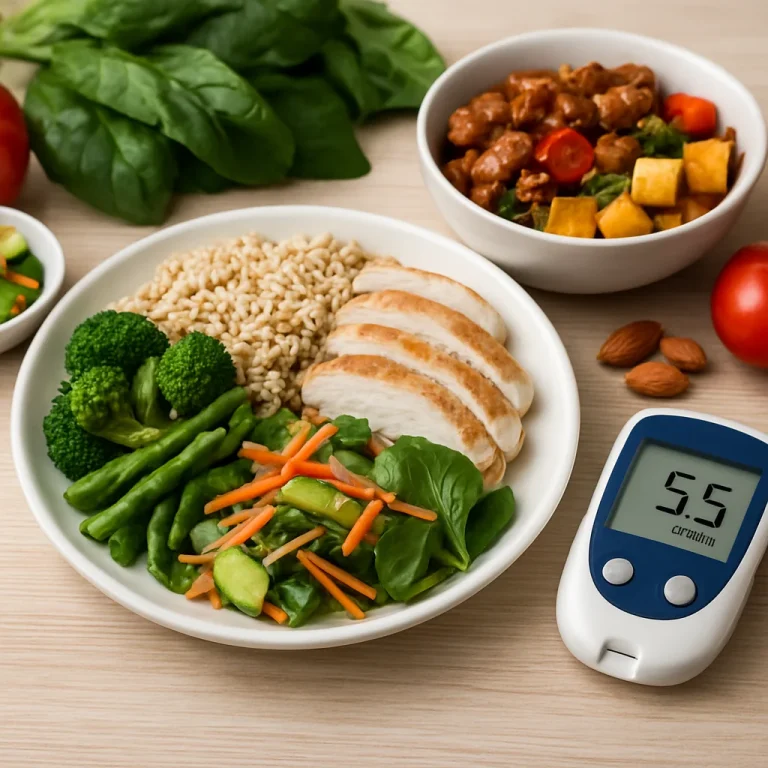
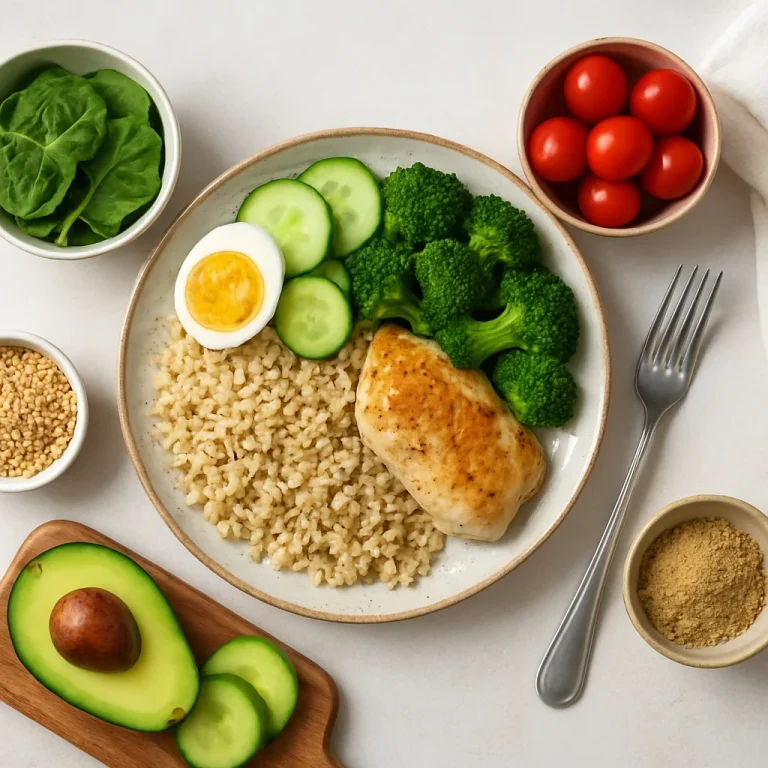
A simple blood sugar-friendly plate often looks like:
- ½ plate non-starchy vegetables
- ¼ plate protein
- ¼ plate carbs
- plus a small amount of fat
That’s not glamorous, but it works surprisingly well. Your meter, energy levels, and hunger will usually tell the story faster than any wellness slogan.
Local foods that fit a diabetes friendly meal plan Singapore
Singapore food culture is rich enough that you don’t need to abandon local meals. You do need to choose smarter versions and watch portions.
Here are foods that fit well in a diabetes friendly meal plan Singapore:
Better carb choices
- Brown rice or mixed-grain rice
- Red rice
- Oats and overnight oats
- Wholemeal bread
- Sweet potato in controlled portions
- Bihun or noodles in smaller portions, paired with more protein and vegetables
Better protein choices
- Steamed chicken
- Skinless roasted chicken
- Fish slices, salmon, dory, batang, or ikan merah
- Eggs
- Tau kwa
- Firm tofu
- Tempeh
- Lean pork or beef, if it fits your diet
Better vegetable choices
- Kailan
- Spinach
- Chye sim
- Cabbage
- Cauliflower
- Broccoli
- Cucumber
- Tomato
- Lady’s finger
- Mushrooms
Better flavour builders
- garlic
- ginger
- spring onion
- coriander
- lime
- chilli padi
- black pepper
- light soy sauce
- fermented bean paste in small amounts
You don’t need to remove flavour. You need to stop letting sugar drinks, heavy sauces, and giant rice portions do all the work.
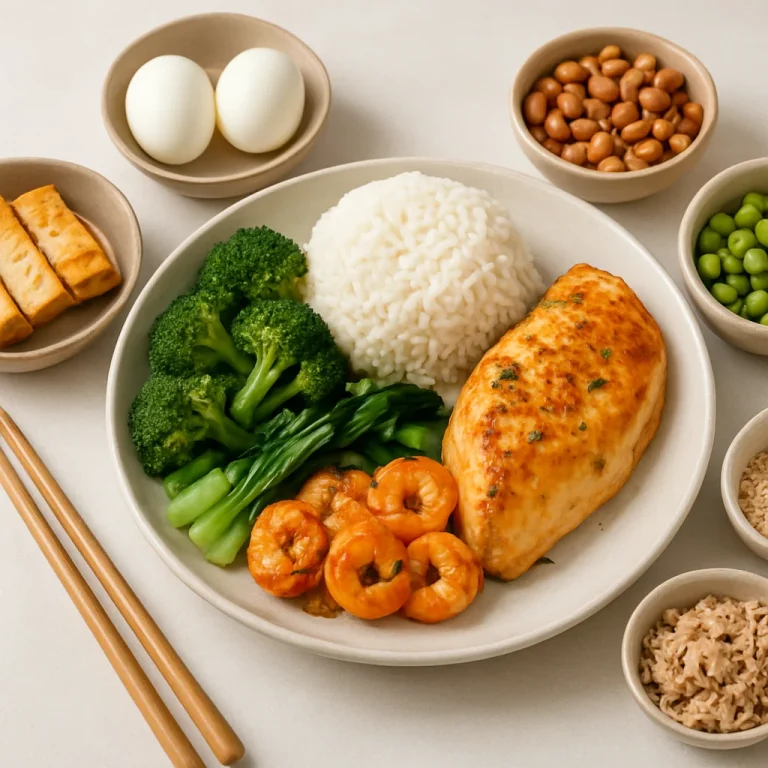
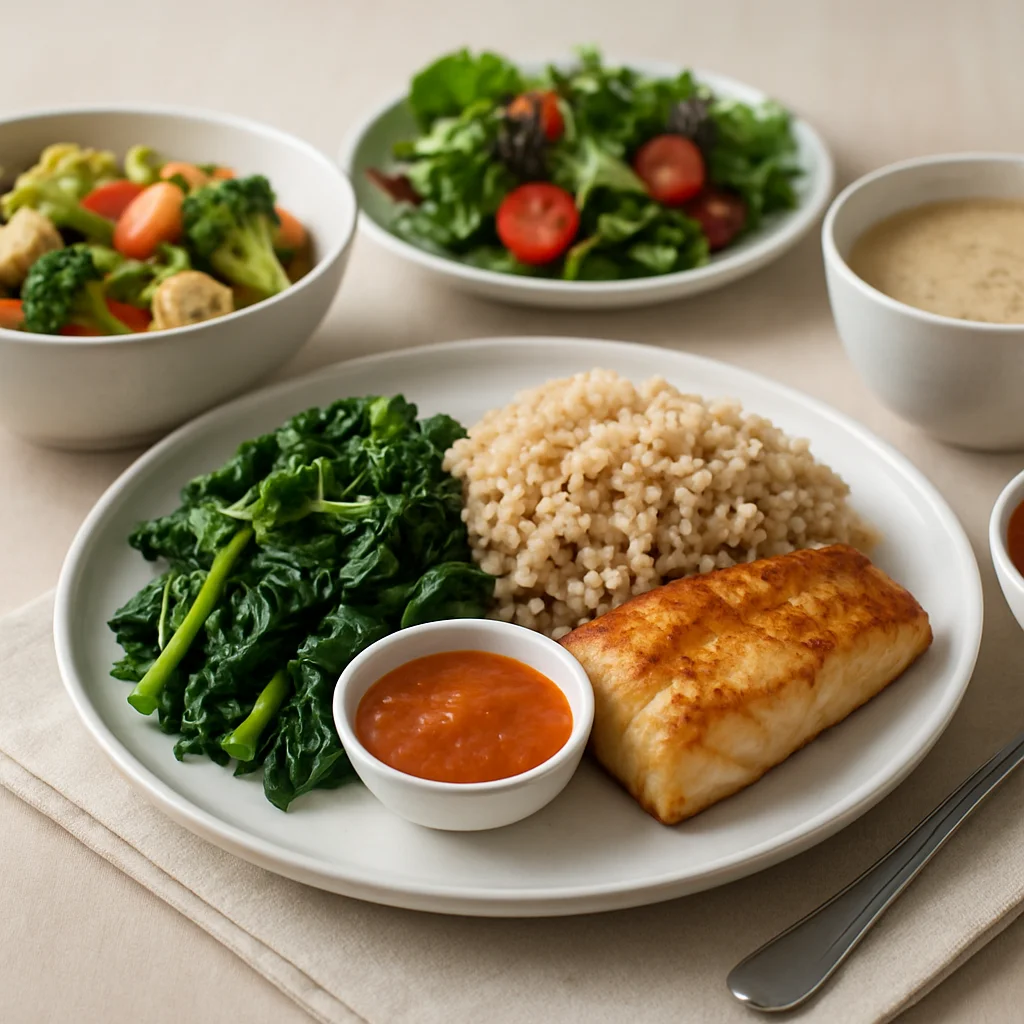
[IMAGE: Singapore-style balanced plate with rice, fish, and vegetables | alt text: diabetes-friendly Singapore meal plate with vegetables, protein, and controlled rice portion]
How to adapt hawker meals without giving up hawker centres
Hawker food is part of real life here. A sustainable meal plan has to work at lunch when someone else is choosing the stall.
The most useful strategy is to order for structure, not perfection.
Safer hawker swaps
- Chicken rice: ask for less rice, skin off, add cucumber, and skip sweet sauce
- Economy rice cai png: choose 2 vegetables + 1 protein, limit gravy
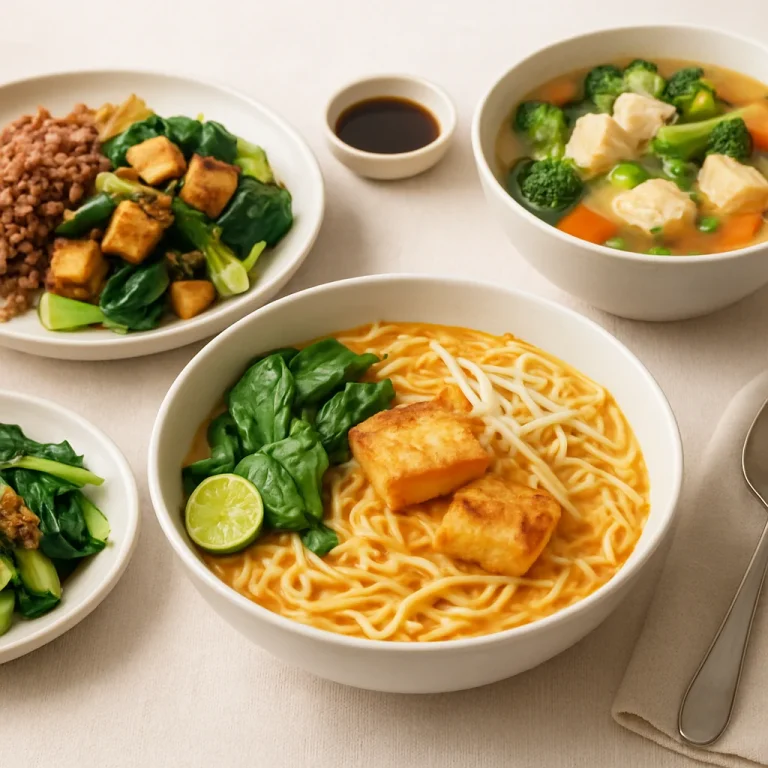
- Yong tau foo: pick mostly vegetables, tofu, egg, and soup base instead of fried items
- Fish soup: go easy on rice, add vegetables
- Economy bee hoon: take a smaller portion, add egg and vegetables
- Mixed rice: choose steamed, braised, or stir-fried dishes over battered foods
What to watch
- sweet chili sauce
- thick gravy
- deep-fried toppings
- large white rice portions
- sugary iced drinks
- “healthy” fruit juices that still spike glucose fast
If you eat laksa, nasi lemak, prata, or char kway teow sometimes, that doesn’t ruin anything. It just means the rest of the day should be more controlled. One meal doesn’t define the week; unfortunately, the sugar drink still counts.
A useful rule for hawker eating is protein first, carbs second. That often helps reduce the urge to overeat rice or noodles.
Sample 1-day diabetes friendly meal plan Singapore
Here’s a realistic sample day with familiar foods. This is the kind of plan I’d actually see someone sustain through a work week, not a fantasy menu built by a blender.
Breakfast
- 2 boiled eggs
- 2 slices wholemeal toast
- 1 small avocado or a handful of peanuts
- kopi-o kosong or unsweetened tea
Approximate macros: 350–450 kcal, 20–25g protein, 25–30g carbs, 15–20g fat
Lunch
- Grilled chicken thigh or breast
- ½–¾ bowl brown rice
- stir-fried kailan and mushrooms
- clear soup
Approximate macros: 500–600 kcal, 35–45g protein, 35–45g carbs, 15–20g fat
Snack
- plain Greek yogurt or soy yogurt
- 1 small apple or guava
Approximate macros: 150–220 kcal, 10–15g protein, 15–20g carbs
Dinner
- steamed fish with ginger and soy
- cauliflower rice or small portion of red rice
- tofu and spinach soup
- cucumber side salad
Approximate macros: 400–550 kcal, 30–40g protein, 20–35g carbs, 12–18g fat
This day gives structure without being fussy. It’s also easy to batch prep in Singapore kitchens where counter space is, frankly, doing its best.
If you want a more customised version for fat loss, muscle gain, or family cooking, [INTERNAL LINK: personalised meal planning for diabetes management] is the next logical step.
Grocery list for affordable diabetes-friendly meal prep
A diabetes friendly meal plan Singapore should be cheap enough to repeat every week. The most reliable foods are the boring ones, which is annoying but also helpful.
Budget-friendly staples
- eggs
- tofu
- tempeh
- canned tuna in water
- frozen fish fillets
- chicken breast or thigh
- brown rice
- oats
- wholemeal bread
- sweet potatoes
- cabbage
- carrots
- spinach
- cucumber
- tomatoes
- onions
- garlic
Where to buy
- FairPrice: good for consistent staples and labels
- Sheng Siong: often competitive for vegetables and protein
- Giant: decent promotions on pantry basics
- Wet markets: better for fresh fish, leafy greens, and some seasonal price advantages
- NTUC Finest / Cold Storage: useful for specialty items, but not always necessary
Typical local prices vary by season and location, but here’s a rough working range in Singapore:
- eggs: about S$3–6 for a tray depending on brand
- tofu: often under S$2 per pack
- chicken breast: roughly S$7–12/kg
- leafy greens: often S$1.50–3 per bunch
- plain Greek yogurt: usually S$4–8 per tub depending on brand
Brand examples people commonly see include Meadows, FairPrice Housebrand, Farmhouse, Marigold, and Fage. You don’t need premium labels for better blood sugar control; you need predictable, whole-food basics.
Meal prep strategy for busy weeks
The best meal plan is the one you’ll actually cook on a Wednesday night after work. Small systems beat motivational speeches every time.
A simple 60–90 minute prep session
- Cook a batch of brown rice or mixed-grain rice.
- Bake, pan-sear, or air-fry chicken or fish.
- Wash and cut vegetables.
- Boil eggs.
- Make one sauce: ginger-scallion, garlic-soy, or sesame-lime.
Easy technique names that help
- sheet-pan roasting
- air-frying
- poaching
- steam-braising
- stir-frying with controlled oil
- batch-cooking grains
Use a non-stick pan or a measured 1 tsp oil when stir-frying. It’s a small thing, but oil adds up fast when you’re eye-balling “a little splash” like a seasoned home cook with suspicious confidence.
Storage tips
- keep cooked rice chilled quickly and refrigerated
- reheat thoroughly before eating
- store sauces separately
- portion proteins into containers
- keep chopped greens dry with paper towel
For food safety, cooked rice should not sit out for hours in Singapore heat. If you’re meal prepping for several days, freeze extra portions and rotate them. Food poisoning is not a fat-loss strategy.
[IMAGE: Meal prep containers with chicken, rice, and vegetables | alt text: diabetes friendly meal prep Singapore containers with balanced portions]
What about insulin resistance, high blood pressure, and kidney health?
This is where meal planning gets a bit more personal.
For insulin resistance, the most useful changes are usually:
- fewer refined carbs
- more fibre
- consistent meal timing
- walking after meals, even 10–15 minutes
- better sleep, because glucose management hates sleep deprivation
For high blood pressure, watch:
- sodium-heavy sauces
- preserved foods
- soup bases
- processed meats
- excess fast food
A lot of Singapore meals become saltier than needed because of soy sauce, sambal, and gravies stacking up. You can still eat local food; just don’t let every meal taste like the sea had a side hustle.
For kidney health, protein targets may need medical adjustment if someone already has kidney disease. That’s one reason generic internet plans can be risky. A higher-protein plan may suit body recomposition, but it’s not automatically right for everyone.
If someone has diabetes plus kidney concerns, they should work with a doctor or dietitian before making major changes. This article is informational, not medical advice, and it can’t replace individual clinical guidance.
Family meal planning without cooking three different dinners
Family meals are easier when everyone eats the same base meal. The trick is to adjust portions, not cook separate dishes like you’re running a private food court.
A family-friendly diabetes friendly meal plan Singapore could look like this:
- one protein dish: steamed fish, chicken curry with lighter sauce, tofu stir-fry
- one vegetable dish: cabbage, broccoli, or mixed greens
- one carb base: rice, noodles, or sweet potato
- optional add-ons at the table: chilli, lime, fried shallots, sliced cucumber
For children or active family members, the carb portion can be a bit larger. For adults managing glucose, the veg and protein portions can be larger. Same meal, different serving math.
This is where [INTERNAL LINK: family meal prep planning tips] can help if you’re trying to keep weekday cooking sane. The point is less chaos, not culinary martyrdom.
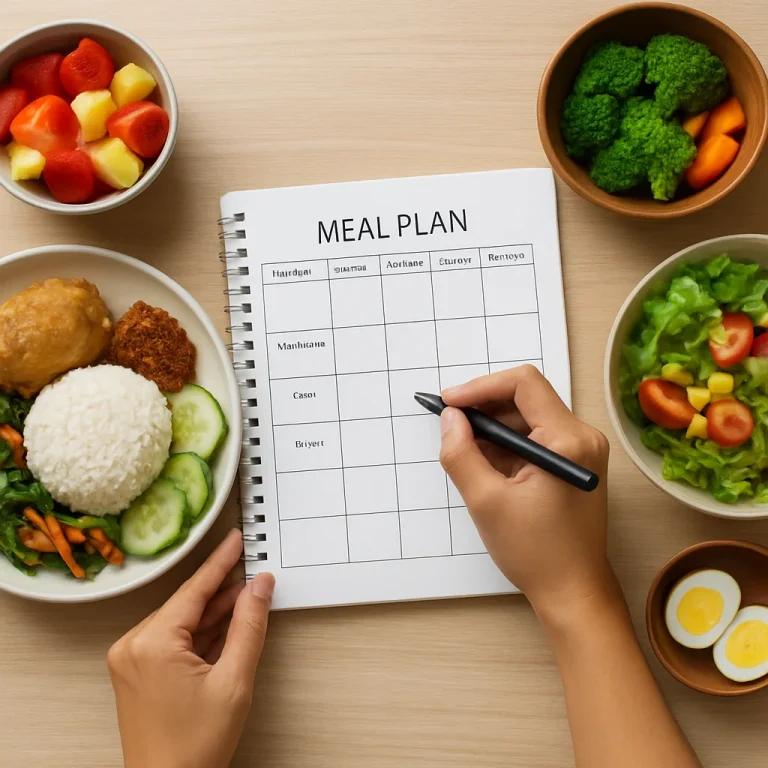
Simple 3-day meal plan example
Here’s a starter pattern you can repeat and rotate.
Day 1
- Breakfast: eggs, wholemeal toast, kopi-o kosong
- Lunch: chicken, brown rice, bok choy
- Dinner: steamed fish, tofu soup, cucumber salad
Day 2
- Breakfast: oats with chia, plain yogurt, berries
- Lunch: cai png with 2 veg + 1 protein
- Dinner: tempeh stir-fry, red rice, spinach
Day 3
- Breakfast: overnight oats with peanut butter
- Lunch: fish soup, small rice portion, extra vegetables
- Dinner: grilled chicken, cauliflower rice, mushrooms
This pattern works because it repeats the structure, not the exact food. You save decision energy and reduce the odds of ordering kaya toast plus a sugary drink because “you were hungry” and the queue looked short.
Common mistakes that stall progress
A diabetes friendly meal plan Singapore fails most often because of a few predictable habits.
The big mistakes
- drinking calories from bubble tea, kopi with sugar, or juice
- eating too little protein at breakfast
- assuming “brown” automatically means healthy
- choosing too many fried side dishes
- forgetting fibre
- keeping snacks unplanned and unlimited
Another trap is under-eating all day, then overeating at night. That usually backfires for appetite, energy, and glucose control. A better plan is steady, not severe.
If you’re training for body recomposition, your carb intake may need to be higher around workouts. If you’re sedentary and trying to improve glucose control, your carbs may need tighter portions. The right plan depends on your activity, goals, and medical context.
For a more precise setup, [INTERNAL LINK: macro-based meal plans for glucose control] is worth exploring.
FAQ about diabetes friendly meal plans in Singapore
Can I still eat rice on a diabetes-friendly meal plan?
Yes, but portion matters. Many people do better with ½ to ¾ bowl instead of a heaped plate, especially when rice is paired with protein and vegetables.
Is brown rice always better than white rice?
Not always, but it often helps because it usually has more fibre and a slightly gentler glucose response. Some people still tolerate white rice well if the portion is small and the meal has enough protein and vegetables.
What should I drink with meals?
Water, plain tea, kopi-o kosong, or unsweetened soy milk are the safest default choices. Sugary drinks can undo a carefully planned meal faster than most people expect.
How much fibre should I aim for?
A practical starting point is 20g or more per day, if your digestion tolerates it. Increase gradually and drink enough water, because fibre without water can become its own problem.
Can this meal plan work for the whole family?
Yes. The easiest method is to cook one meal and adjust portions for each person. Children, active adults, and older adults may need different carb amounts, but the same core foods can work for all of them.
Should I use supplements for blood sugar control?
Not as a first step. Whole foods, portion control, and consistent meals usually matter more than supplements, and some supplements can interact with medication. Check with a clinician before using anything new.
Final thoughts
A practical diabetes friendly meal plan Singapore is not about giving up local food. It’s about eating hawker favourites and home-cooked meals with a better structure, so blood sugar is easier to manage and meals still feel normal.
Start with one breakfast, one lunch, and one dinner you can repeat this week. That’s enough to build momentum without making the fridge look like a laboratory.
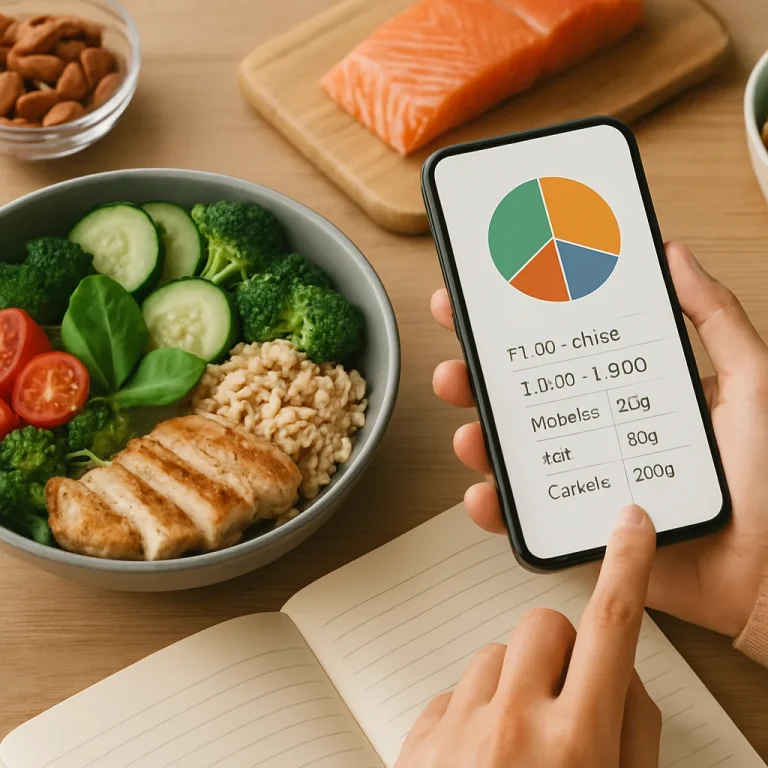
If you want a plan that calculates calories, macros, and meal portions around your real schedule, use KnowMeal to create a personalised diabetes-friendly meal plan for yourself or your family. It keeps things simple, local, and actually usable.
Key Takeaways
- Local food can fit blood sugar goals.
- Protein and fibre matter at every meal.
- Hawker meals need smarter portions.
- Family meals can stay shared.
- Meal prep beats perfection every time.
Frequently Asked Questions
Q: Can I still eat rice on a diabetes-friendly meal plan?
Is brown rice always better than white rice?
What should I drink with meals?
How much fibre should I aim for?
Can this meal plan work for the whole family?
Should I use supplements for blood sugar control?
Build a personalised diabetes-friendly meal plan with KnowMeal and get calorie, macro, and meal portions tailored to your goals. Start simple, eat local, and make the plan fit real life.