
Personal Trainer Nutrition Software | KnowMeal
Personal trainer nutrition software
Personal trainer nutrition software helps trainers build accurate macro-based meal plans, manage more clients at once, and present plans professionally without spending half the week in spreadsheets. For trainers in Singapore and Southeast Asia, the best systems also make family meal prep easier, support branded PDF exports, and keep plans practical with whole foods people can actually buy at NTUC, FairPrice, Sheng Siong, wet markets, or local grocers.
If you’re a trainer trying to scale beyond a handful of clients, this article shows what good software should do, where it saves time, and how to use it without turning nutrition into a second full-time job. You’ll also see why features like TDEE-based calorie targets, macro targets, meal slot customisation, and client branding matter more than flashy dashboards.
Why trainers outgrow spreadsheets fast
I’ve seen plenty of coaches start with Excel or Google Sheets. It works fine for two or three clients, then the admin pile starts behaving like unpaid cardio. One tweak to a client’s lunch can mean recalculating protein, carbs, fats, grocery quantities, and a PDF again. Multiply that across 15, 30, or 80 clients and the friction gets ugly.
That’s where personal trainer nutrition software earns its keep. It reduces repetitive admin while making plans more consistent, more professional, and easier to explain to clients who just want to know, “What do I eat today?” Not a philosophical seminar. Just lunch.
What trainers actually need from nutrition software
Good software should do more than spit out calories. It should help you make practical decisions fast, especially when clients have different goals like fat loss, muscle gain, body recomposition, or maintenance.
At minimum, look for:
- TDEE-based calorie targets with sensible adjustment
- Macro planning for protein, carbs, and fats
- Meal generation from real whole foods
- Client-specific editing without rebuilding everything
- Professional exports you can send immediately
- Branding options so your name stays visible
- Family meal support when clients cook for more than one person
For Singapore and Southeast Asia, food relevance matters. A plan built around quinoa bowls and imported protein bars doesn’t help much if the client cooks with rice, eggs, tofu, ikan, chicken thigh, tempeh, spinach, cabbage, or chia seeds bought at a neighborhood supermarket.
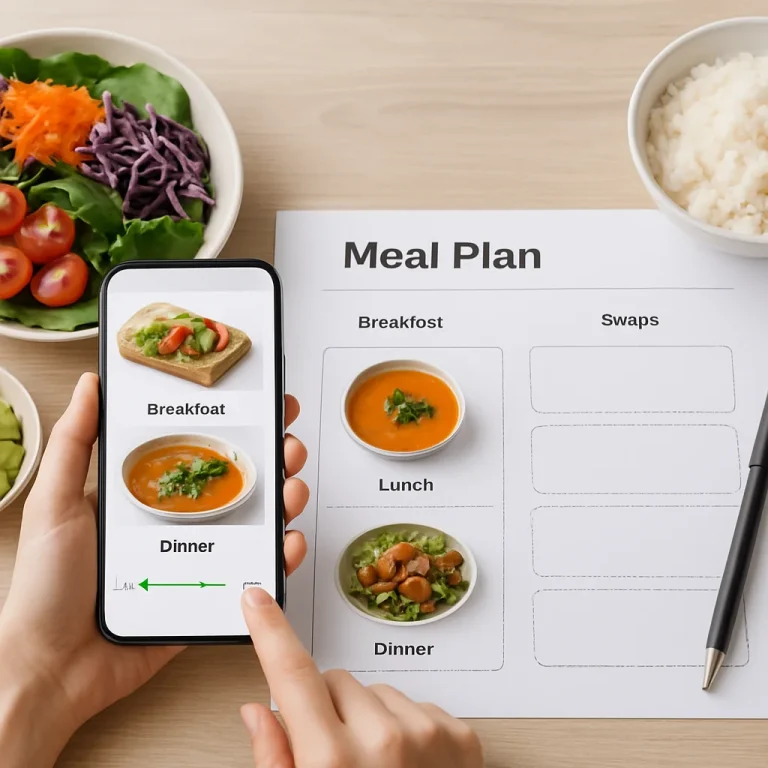
[IMAGE: trainer reviewing client meal plan dashboard with macro targets | alt text: personal trainer nutrition software dashboard showing macro targets and meal plan editing]
How good software saves time without lowering quality
The best personal trainer nutrition software isn’t just faster. It’s more consistent. When the system handles the boring calculations, you can spend your time on coaching, adherence, and behavior change, which is where results actually happen.
A reliable workflow usually looks like this:
- Collect client details
– Goal – Body weight – Height – Training frequency – Work activity – Dietary restrictions
- Set calories and macros
– Protein supports muscle repair and satiety – Carbs support training energy – Fats support hormones and meal satisfaction
- Generate meals
– Use whole foods – Keep ingredients affordable – Avoid overly repetitive plans unless the client prefers them
- Edit meal slots
– Swap breakfast, lunch, dinner, or snacks – Watch the macros update in real time
- Export and send
– Share a branded PDF – Add your logo and contact details – Deliver the plan in a format clients will actually keep
That last part matters. A tidy PDF often gets read. A messy spreadsheet gets ignored, usually somewhere between “I’ll check it later” and “Where did I save that file again?”
Why TDEE accuracy matters more than guesswork
A lot of tools still use a lazy activity scale like 1 to 5. That’s too blunt for real clients. Someone with a desk job who trains four times a week is not the same as a delivery rider who also lifts weights.
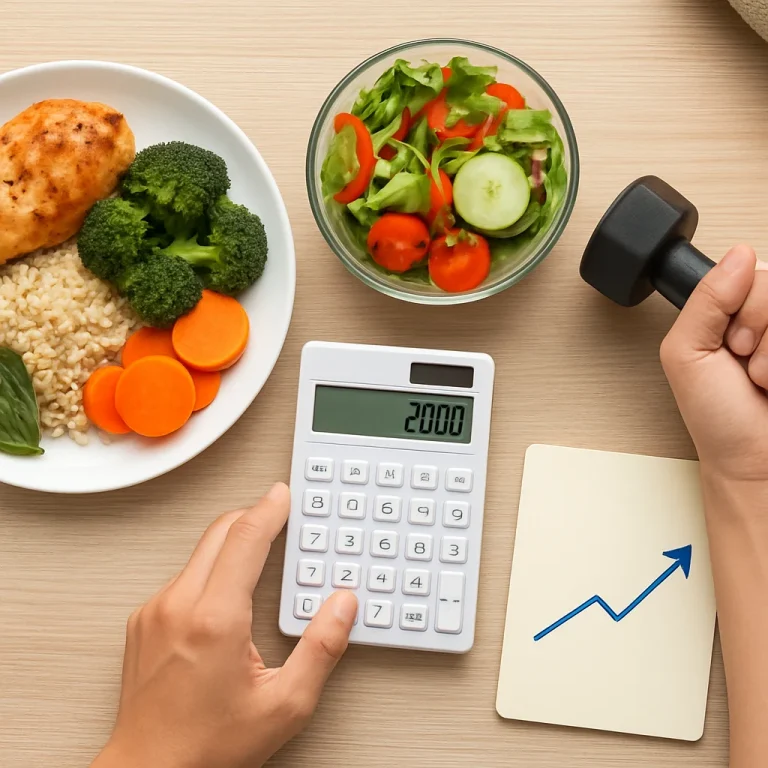
KnowMeal’s component-based activity calculation is more useful because it considers both work type and exercise sessions with duration. That gives a more grounded estimate of daily energy needs, which helps avoid the common problem of underfeeding active clients or overfeeding people whose “light activity” is really just a hopeful label.
This matters for clients trying to:
- Lose fat without losing muscle
- Improve insulin resistance
- Manage appetite more predictably
- Build lean mass without unnecessary fat gain
- Maintain weight during busy work periods
A 2017 paper in the Journal of the Academy of Nutrition and Dietetics found that even well-intentioned self-reporting of energy intake and activity is often inaccurate. That’s one reason structured software can be more dependable than gut feel, especially when the goal is repeatable coaching.
What personal trainers should look for in meal planning tools
Not every tool marketed to coaches is built for real coaching. Some are glorified calorie counters with a logo upload. Useful, yes. Complete, not really.
Here’s what separates professional nutrition software from a basic app.
1) Meal generation that respects real-world variety
A smart meal engine should avoid dumping six different proteins into one plan just to look sophisticated. That’s not coaching. That’s a fridge clearance sale.
Look for controls like:
- Max-2-per-food variety
- Must-have foods
- Calorie-budget-aware meal selection
- Portion adjustments that preserve macro balance
This helps avoid overcomplicated plans that clients abandon after day three. Simple beats clever when people are meal prepping after work and still need to wash the rice cooker.
2) Drag-and-drop meal slot customisation
Clients don’t live in a template. They swap lunch with dinner. They eat late after training. They skip breakfast, then complain at 4 pm like the day wronged them personally.
Drag-and-drop meal editing with real-time macro updates gives trainers flexibility without starting over. You can move foods around, adjust portions, and show the client how the whole day changes immediately.
3) Family mode for shared meals
This one is especially useful in Singapore, where one person often cooks for the whole household. If your client is a parent, the best meal plan is the one the family can eat together.
Family mode should align meals so everyone eats the same food at the same meal, with portions scaled to each person. That means less cooking chaos, less resentment, and fewer “I made two separate dinners again” moments.
For busy households, this can be the difference between adherence and surrender by Wednesday night.
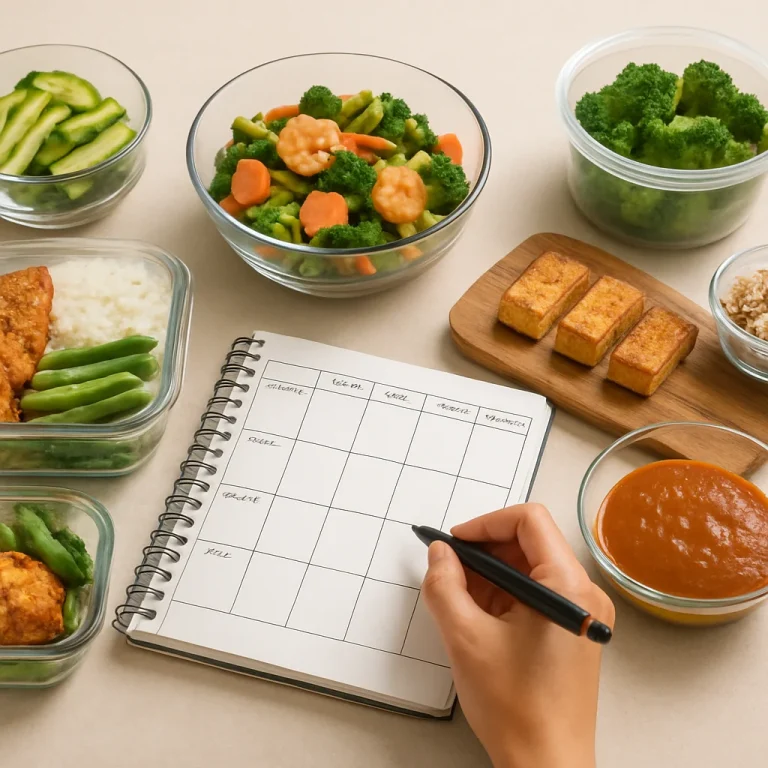
[IMAGE: family meal prep containers with shared ingredients | alt text: family meal prep aligned meals for multiple members using personal trainer nutrition software]
4) Professional branded PDF exports
Trainers need plans that look credible. A branded PDF with your logo, tagline, and promotional content helps reinforce your service and makes the plan feel like part of a premium coaching package.
A polished export also saves time in follow-up. Clients can refer to the same document without pinging you for every minor question. That alone can reduce admin pressure significantly.
5) Client management at scale
If you’re managing more than a few clients, you need structure. Software that supports up to 100 clients is useful for freelance trainers, small studios, and online coaches who handle onboarding, revisions, and tracking in one place.
The real value isn’t the number. It’s the consistency. Each client should have a clear record of goals, calorie targets, meal preferences, and plan revisions, without making you hunt through old chat screenshots.
Why Southeast Asian whole foods matter for adherence
A meal plan works when people can follow it with ordinary groceries. In Singapore, that means foods from places like NTUC FairPrice, Sheng Siong, Cold Storage, Giant, Don Don Donki, and wet markets.
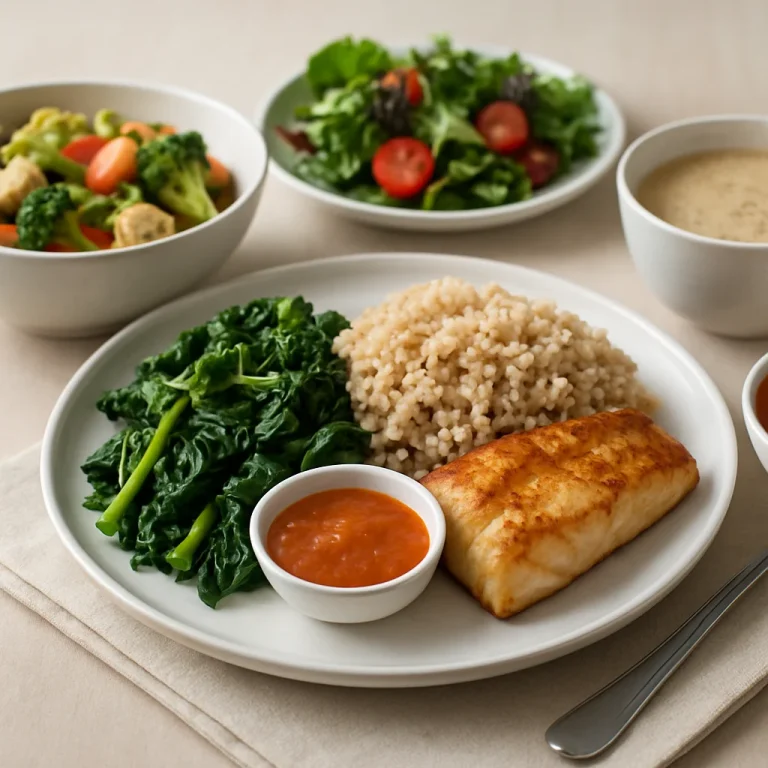
Examples of practical whole foods that work well in meal plans:
- Eggs
- Chicken breast or thigh
- Tofu and tempeh
- Canned tuna
- Greek yogurt or soy yogurt
- Brown rice or white rice in controlled portions
- Oats
- Sweet potato
- Cabbage
- Spinach
- Kang kong
- Carrots
- Apples, bananas, papaya, guava
These foods are affordable, familiar, and flexible. They also fit a range of goals, from fat loss to muscle gain. That’s much easier to sustain than asking clients to source obscure ingredients that cost more than their lunch budget.
For insulin resistance management, I’ve found that higher-protein meals with 20g+ fibre daily often help clients feel steadier through the day. That doesn’t mean going zero-carb or cutting out rice forever. It means pairing carbs with protein, vegetables, and sensible portions.
A practical macro example
For a client targeting body recomposition, a day might look roughly like this:
- Protein: 140g
- Carbs: 180g
- Fat: 60g
- Calories: around 1,880 kcal
That doesn’t need to be exact to the gram every day. Good software should allow normal tolerance ranges, such as calories ±50, protein ±10g, carbs ±8g, and fat ±5g. That level of flexibility is realistic and avoids the “my lunch is off by 3 grams, so the world is ending” problem.
How trainers can use software to coach better, not just faster
Time savings are nice. Better coaching is better.
When personal trainer nutrition software handles the calculations, you can focus on the parts clients remember:
- explaining why protein matters for muscle repair
- showing how carbs support training performance
- helping them choose realistic meals
- adjusting plans after travel, festivals, or business dinners
- keeping them consistent during plateaus
That matters when clients are dealing with weight loss stalls, high blood pressure, insulin resistance, or kidney health concerns. You’re not prescribing medical treatment, but you are helping them follow a more structured eating plan and know when to seek medical guidance.
For example, a client with hypertension may need a lower-sodium meal pattern. A client with kidney issues may need more careful protein guidance. A senior client may need softer textures and simpler meals. Good software doesn’t replace judgment, but it gives you a framework to work from.
A realistic workflow for coaches with many clients
Here’s a setup I’ve seen work well:
- New client onboarding: 15–20 minutes
- Initial plan generation: 10–15 minutes
- Custom edits: 5–10 minutes
- PDF export: under 5 minutes
- Weekly revision: 5 minutes per client, if needed
That’s a big shift from manually building every plan from scratch. If you’re managing 20 clients, those saved minutes add up quickly. If you’re managing 50, they become the difference between a sustainable business and a laptop-induced headache.
If you’re still hand-building plans, it may be worth comparing your current process to [INTERNAL LINK: client nutrition plan workflow]. Small process changes often create the biggest time savings.
Branding and professionalism matter more than people admit
Trainers often underestimate how much presentation affects client trust. A clean, branded meal plan signals that your service is organized and worth paying for. A sloppy one quietly says, “I made this between sessions and a coffee refill.”
Professional PDF exports can include:
- Your logo
- A short tagline
- Contact details
- Coaching notes
- Promotional text for follow-up services
That doesn’t mean being flashy. It means being clear. Clients are more likely to follow a plan that feels personalized and polished. They’re also more likely to refer you to friends, especially if the deliverable looks like it came from a real business, not a random spreadsheet with a bold header.
For trainers building recurring revenue, that brand consistency matters. It helps your meal plans do double duty: coaching tool and marketing asset.
Common trade-offs and limitations
No software solves every problem. It’s better to be honest about that.
Here are a few trade-offs:
- Automation still needs oversight. A generated plan can be mathematically sound and still impractical.
- Client adherence beats perfect macros. If the food is too weird, they won’t stick to it.
- Special cases need care. Pregnancy, clinical conditions, eating disorders, and kidney disease often require professional medical or dietetic input.
- More customization can mean more decisions. Some clients actually prefer fewer choices.
That last point surprises people. Not every client wants a dozen breakfast options. Many just want three meals they can repeat for a month without thinking too hard. Honestly, that’s often the most sustainable plan of all.
If you want a smoother client experience, you can also pair your plans with [INTERNAL LINK: meal prep guide for busy professionals]. That makes adherence easier and gives clients a simple next step after they receive the PDF.
What makes KnowMeal useful for trainers
KnowMeal is built for coaches who need speed, structure, and a professional finish. It supports solo planning, family meal prep, and personal trainer client management in one platform, which is exactly the sort of arrangement that stops your workflow from splintering into five apps and three tabs called “final_final2.”
Its strongest features for trainers include:
- Component-based activity calculation
- Macro-optimised meal plans
- Smart meal generation with food variety controls
- Drag-and-drop customisation
- Real-time macro updates
- Branded PDF export
- Family mode for shared meals
- Client management for up to 100 clients
For Singapore-focused coaching, the whole-food approach is a real advantage. The plans are built around ingredients people can buy and cook without a scavenger hunt. That’s what makes the difference between a plan that looks great and a plan that actually gets used.
FAQ: personal trainer nutrition software
How does personal trainer nutrition software save time?
It automates calorie and macro calculations, meal generation, and exports, so you don’t rebuild every plan manually. That can cut planning time from hours to minutes per client. It also reduces back-and-forth when clients need revisions.
Can trainers use nutrition software for body recomposition clients?
Yes. Body recomposition usually needs tight protein targets, sensible calorie control, and practical meals clients can repeat consistently. Software helps you adjust those targets quickly as training loads and progress change.
Is branded PDF export really worth it?
Yes, especially if you want your plans to look professional and keep your branding visible. A clean PDF also makes it easier for clients to follow the plan on their phone or print it. It’s a small detail that makes a big difference in perceived value.
What kind of foods should trainers recommend for Singapore clients?
Use affordable whole foods like eggs, chicken, tofu, tempeh, rice, oats, vegetables, and local fruits. These are easy to source from supermarkets and wet markets, and they’re much more practical than exotic foods clients won’t repurchase. Simple wins when people are busy.
Can nutrition software help clients with insulin resistance?
It can support more structured meal planning with higher protein, better fibre intake, and steadier carb distribution. That said, it’s not medical treatment, and clients with diagnosed conditions should work with their doctor or dietitian. Software helps with implementation, not diagnosis.
How many clients can a trainer manage with this kind of software?
That depends on the platform, but systems designed for coaching can often handle dozens of clients efficiently. KnowMeal supports up to 100 clients, which suits solo trainers and small coaching teams. The real benefit is consistency, not just capacity.
If you’re ready to spend less time building meal plans and more time coaching clients, try KnowMeal and see how personal trainer nutrition software can simplify planning, exports, and client management while keeping your service polished and professional.
Key Takeaways
- Software saves time on repetitive plan building.
- Real foods improve adherence in Singapore.
- Branded PDFs raise perceived client value.
- Family mode reduces cooking complexity.
- Better activity calculation improves calorie targets.
- Automation works best with coach oversight.
Frequently Asked Questions
Q: How does personal trainer nutrition software save time?
Can trainers use nutrition software for body recomposition clients?
Is branded PDF export really worth it?
What foods work best for Singapore-based meal plans?
Can this kind of software help with insulin resistance?
How many clients can a trainer manage with KnowMeal?
Try KnowMeal to build client-ready meal plans faster, export branded PDFs, and manage more people without drowning in admin. If you coach clients in Singapore or Southeast Asia, it’s a practical way to turn personal trainer nutrition software into a smoother business workflow.