Insulin Resistance Meal Plan for Better Blood Sugar
insulin resistance meal plan
An effective insulin resistance meal plan is built around steady blood sugar, not starvation. It usually means balanced portions of protein, fibre-rich carbs, and healthy fats at each meal, with lower-glycemic foods chosen often enough to make the plan sustainable. For most people, the goal is fewer blood sugar spikes, better fullness, and meals you can actually repeat on a weekday.
This article shows you how to structure meals, choose lower-glycemic foods available in Singapore, and portion plates without needing a food scale for every bite. I’ll also cover practical meal timing, what to do about hawker food, how to handle family meals, and when kidney, blood pressure, or diabetes concerns change the plan.
What an insulin resistance meal plan should do
A good insulin resistance meal plan helps reduce the size and frequency of glucose spikes while keeping energy and appetite stable. That usually means enough protein to protect muscle, enough fibre to slow digestion, and carbs chosen with more care than a random “eat clean” Instagram reel.
The plan should also fit real life. If you commute to the CBD, juggle school runs, or train clients back-to-back, the best meal plan is the one you can repeat on a Tuesday, not the one that looks perfect for one lunch photo.
For most adults, I look at three things first:
- Protein at every meal
- Fibre from vegetables, legumes, and whole grains
- Controlled carbs from lower-GI, minimally processed foods
A useful target is 20g+ fibre daily, and many people do better closer to 25–30g if their gut tolerates it. That usually means vegetables at two meals, fruit as a snack, and smarter carb choices like oats, brown rice, barley, sweet potato, or legumes.
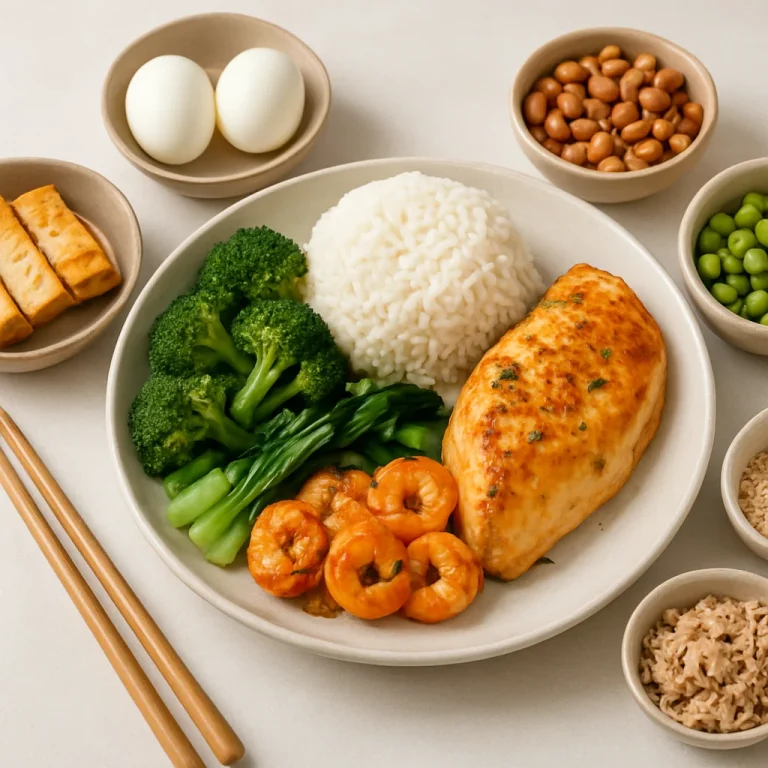
[IMAGE: Balanced plate with rice, fish, vegetables — alt text: Balanced insulin resistance meal plan plate with protein, vegetables, and controlled rice portion]
How to structure meals for insulin resistance
Most people don’t need a dramatic diet overhaul. They need a repeatable meal structure that keeps portions consistent.
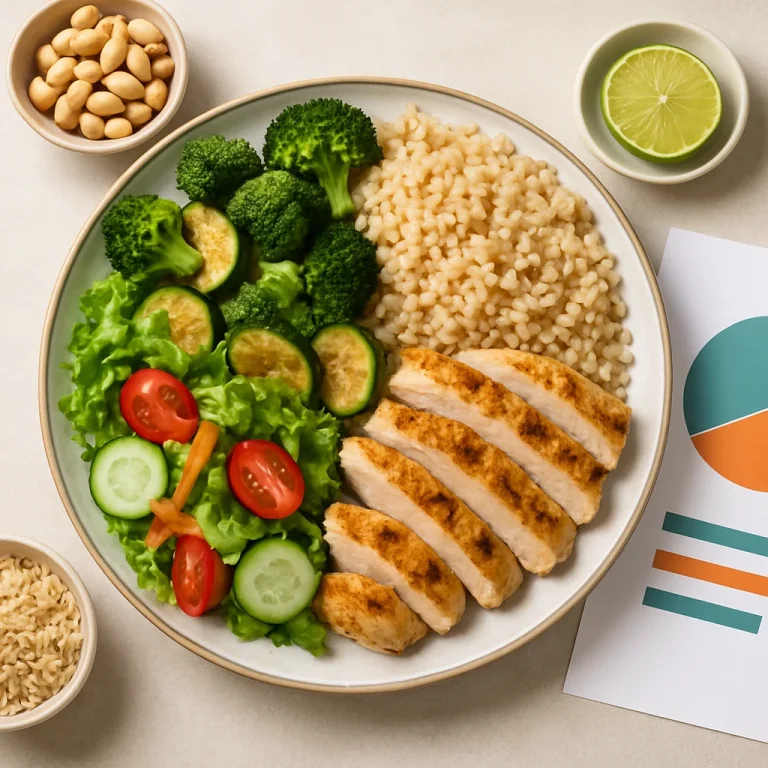
A simple plate framework works well:
- ½ plate non-starchy vegetables
- ¼ plate protein
- ¼ plate carbohydrates
- 1 thumb of fats, if needed
That ratio is flexible. For someone aiming for fat loss, the carb portion may shrink a little. For someone training hard, the carb portion may rise, especially around workouts.
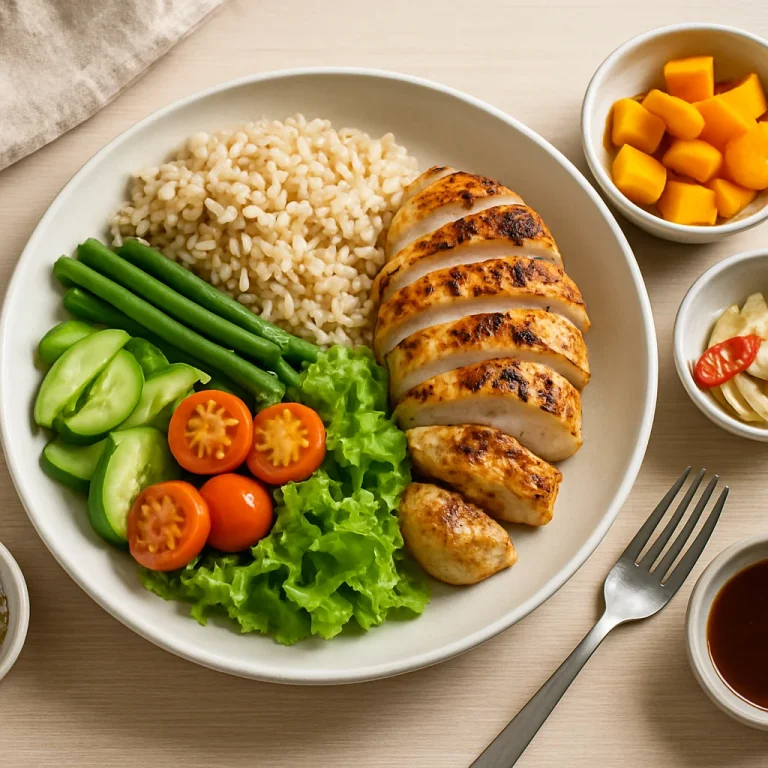
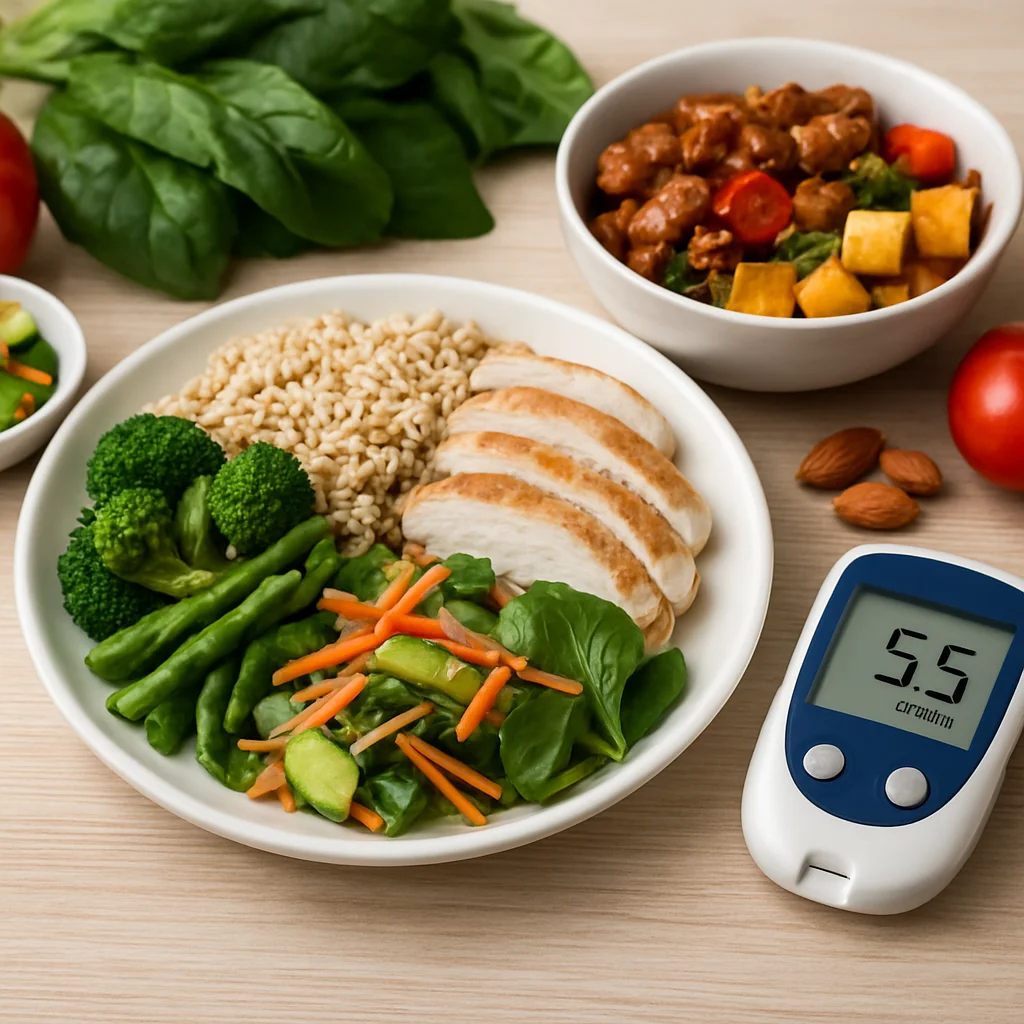
For example, a lunch of grilled chicken breast, ½ bowl brown rice, stir-fried kailan, and tofu soup is far more insulin-friendly than a plate of chicken rice with extra rice, sweet sauce, and no vegetables. The calories may not look wildly different on paper, but the satiety and glucose response often are.
A practical meal timing pattern is also helpful. Many people do well with 3 main meals and 1 planned snack, rather than constant grazing. That said, if you’re on medication such as insulin or a sulfonylurea, meal timing should be discussed with your clinician because hypoglycaemia risk changes the equation.
Best lower-glycemic foods for Singapore meal planning
A solid insulin resistance meal plan doesn’t need imported “health foods” that cost more than your electricity bill. Singapore supermarkets and wet markets already have plenty of workable ingredients.
Protein options
Protein is the anchor. It supports muscle, helps with fullness, and reduces the odds of turning dinner into a snack-free-for-all.
Good options include:
- Eggs
- Skinless chicken breast or thigh
- Fish like batang, salmon, dory, or pomfret
- Tofu and tempeh
- Edamame
- Greek yoghurt or plain high-protein yoghurt, if tolerated
- Lean pork cuts in moderate amounts
If you have kidney disease or reduced kidney function, protein targets may need adjustment. That’s where medical guidance matters, because more protein is not automatically better.
Lower-glycemic carbs
Carbs are not the enemy. Uncontrolled portions are the problem.
Better choices include:
- Brown rice
- Red rice
- Rolled oats
- Wholemeal bread
- Sweet potato
- Barley
- Lentils
- Chickpeas
- Kidney beans
These foods tend to digest more slowly than white bread, white rice, or sugary drinks. That doesn’t mean you must ban white rice forever. It means you manage the amount and pair it with protein and vegetables.
Vegetables and fibre
This is where many meal plans quietly fail. The plate looks neat, but it’s fibre-poor.
Useful vegetables in Singapore are easy to find:
- Kai lan
- Chye sim
- Broccoli
- Cabbage
- Spinach
- Bitter gourd
- Okra
- Cauliflower
- Tomatoes
- Cucumber
If you want a cheap fibre boost, a bag of frozen mixed vegetables from NTUC FairPrice or Sheng Siong is often less than a café side salad and lasts longer. Dry wit aside, frozen vegetables are usually more reliable than the romaine lettuce that turns into compost overnight.
[IMAGE: Singapore grocery basket with low-GI foods — alt text: Singapore insulin resistance meal plan foods including brown rice, tofu, eggs, vegetables, and fruit]
How to build breakfast, lunch, and dinner
A consistent insulin resistance meal plan works best when every meal has a job. Breakfast should prevent mid-morning crashes. Lunch should avoid the 3 p.m. nap attack. Dinner should be filling without turning into a carb festival.
Breakfast ideas
Breakfast should usually contain protein first. That often means fewer pastries and more eggs, yoghurt, tofu, or leftovers from dinner.
Examples:
- 2 boiled eggs, wholemeal toast, and cucumber
- Plain Greek yoghurt with chia seeds and berries
- Oats cooked with milk or soy milk, plus peanut butter and cinnamon
- Tofu scramble with mushrooms and tomatoes
If you like kaya toast and kopi, you don’t need to ban them forever. But a weekly habit of kaya toast set with sweetened coffee will not help insulin resistance much, especially if it’s paired with a sedentary morning. Some people can include it occasionally and keep the rest of the day tighter. Context matters.
Lunch ideas
Lunch in Singapore often happens outside. That’s where planning pays off.
Better hawker picks include:
- Yong tau foo with mostly vegetables, tofu, and one noodle portion
- Economic rice with double vegetables, one protein, and half rice
- Fish soup with brown rice, if available
- Mixed vegetable rice with clear cooking styles and no sugary gravies
Watch out for add-ons that quietly increase calories and glucose load:
- Sweet sauces
- Fried tofu skins
- Extra rice or noodles
- Sugary drinks
- Breaded meats
A practical order at a kopitiam might be: caipng, 2 veg + 1 meat, less rice, gravy on the side. That’s not glamorous, but neither is high fasting glucose.
Dinner ideas
Dinner should be simple enough to repeat after work. The more decision fatigue you remove, the better.
Good dinners include:
- Steamed fish, stir-fried bok choy, and brown rice
- Chicken soup with tofu and mushrooms
- Tempeh stir-fry with cabbage and carrots
- Beef slices with broccoli and a small sweet potato
If you eat late, keep the meal lighter in refined carbs and heavier in protein and vegetables. That said, the most important factor is often total daily intake and consistency, not one heroic dinner.
Portion balance for fat loss, recomposition, and better glucose control
People often ask whether an insulin resistance meal plan should be low-carb. Sometimes yes, but “low” depends on the person, their activity, and their medication.
For body recomposition, I usually prefer a moderate-carb plan with strict portion control rather than an extreme carb cut. That supports training performance and adherence. For someone trying to lose weight and improve fasting glucose, a modest calorie deficit with high protein usually works better than chasing ketosis for three days before rebounding on roti prata.
A rough starting point for many adults is:
- Protein: 25–35g per meal
- Carbs: 20–45g per meal, adjusted by activity
- Fat: moderate, not excessive
- Fibre: 8–10g per meal across the day
Those numbers are not medical prescriptions. They’re a practical starting point for meal planning.
One of the simplest ways to keep portions honest is to use your hand:
- Palm-sized protein
- Fist-sized carbs
- Two fists of vegetables
- Thumb-sized fats
That’s especially helpful for families, because not everyone needs the same carb amount. A teen athlete may need more rice than a sedentary grandparent, even at the same table. [INTERNAL LINK: family meal planning guide]
Meal prep tips that actually save time
Meal prep fails when it tries to be too perfect. I’ve seen people spend Sunday cooking five “healthy” containers and then order fried chicken by Wednesday because the food got boring. That’s not lack of discipline; that’s bad system design.
A better approach is component prep:
- Cook 1–2 proteins
- Prep 2 vegetables
- Make 1 carb base
- Add 2 sauces or seasonings for variety
For example:
- Proteins: baked salmon, soy-marinated chicken thighs
- Vegetables: stir-fried cabbage, steamed broccoli
- Carbs: brown rice, roasted sweet potato
- Seasoning: garlic soy, sambal with less sugar
If you’re shopping in Singapore, a practical weekly basket might include:
- Eggs: S$2.50–S$4.50 for 10, depending on brand
- Tofu: often around S$1–S$2 a block
- Chicken thighs: roughly S$6–S$10/kg at wet markets
- Broccoli: often S$2–S$4 per head
- Brown rice: around S$3–S$6 per pack depending on size and brand
Prices move, of course. But this is still far cheaper than daily “healthy bowls” from a café, which can hit S$12–S$18 before drink and delivery fees start freelancing.
[IMAGE: Meal prep containers with rice and protein — alt text: Meal prep for insulin resistance meal plan with chicken, vegetables, and brown rice in containers]
What to do with hawker food, family meals, and eating out
You do not need to quit hawker centres to manage insulin resistance. That would be socially difficult in Singapore and, frankly, a bit unrealistic.
Use these rules:
- Choose one main carb source
- Ask for less rice or less noodles
- Add vegetables where possible
- Prefer soup, steamed, grilled, or stir-fried
- Skip sweet drinks most days
Family meals are easier when everyone eats the same main dishes. KnowMeal’s family-style planning logic makes sense here: one protein, one vegetable, one carb base, then adjust portions per person. That keeps cooking sane.
Example family dinner:
- Steamed ikan merah
- Garlic kai lan
- Brown rice
- Pumpkin soup
That meal works for most adults and children. For a very active teen, add more rice. For an older adult focused on blood sugar, use less rice and more vegetables. Same meal. Different portions. Less resentment.
If you’re a trainer creating client plans, this is where consistency matters. Clients stick to plans when the food looks familiar and the prep is manageable. [INTERNAL LINK: personalised meal planning for trainers]
Special considerations: blood pressure, kidneys, and insulin resistance
Many people with insulin resistance also deal with high blood pressure, fatty liver, or early kidney concerns. The meal plan has to respect that.
For blood pressure, watch:
- Sodium-heavy sauces
- Processed meats
- Instant noodles
- Too much soup base or stock powder
For kidney health, protein targets may need individual adjustment, especially if kidney function is already reduced. Potassium and phosphorus intake can also matter depending on the condition. That’s not something to guess at from a social media chart.
For insulin resistance specifically, fibre helps. Research has consistently shown that higher-fibre diets improve glycaemic control and satiety, and lower-GI eating patterns can reduce post-meal glucose spikes. A 2020 review in Nutrients and longstanding ADA nutrition guidance both support carbohydrate quality over chasing one magic macronutrient.
A practical rule: build meals that are lower-glycemic by composition, not just by label. White rice with three servings of vegetables and grilled fish is often better than “healthy” granola with hidden sugar.
A sample 1-day insulin resistance meal plan
Here’s a simple day that fits common Singapore ingredients.
Breakfast
- 2 eggs
- 1 slice wholemeal toast
- Sliced tomato and cucumber
- Black coffee or unsweetened tea
Lunch
- Chicken breast
- ½ to 1 bowl brown rice
- Stir-fried kailan
- Clear soup
Snack
- Plain Greek yoghurt
- 1 small apple
- Or handful of nuts if calories allow
Dinner
- Steamed fish
- Broccoli and cabbage
- Small sweet potato
- Tofu soup
This is not a “perfect” plan. It’s a workable one. It also leaves room for appetite, training, and family meals without turning the day into a spreadsheet hostage situation.
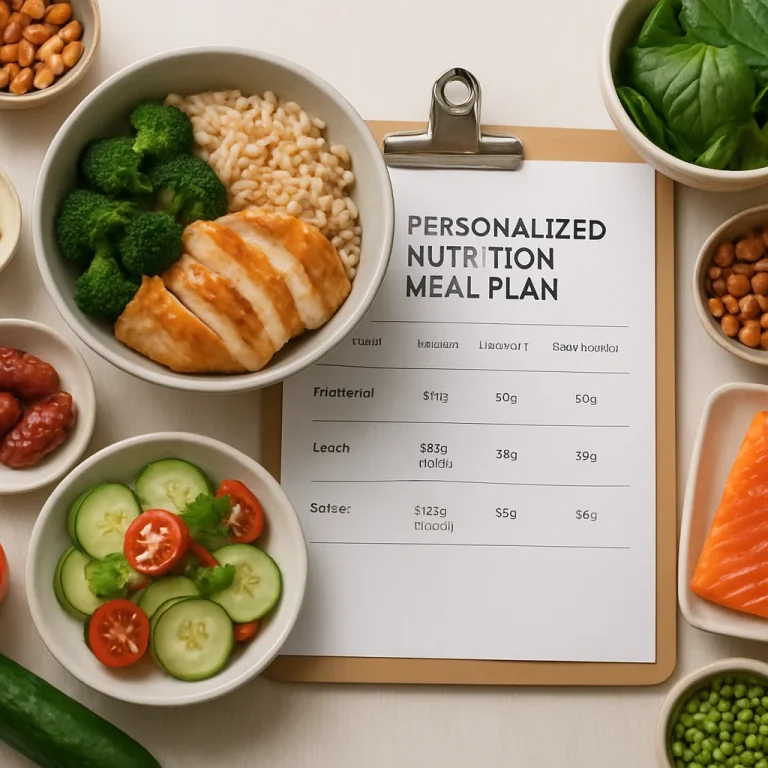
If you want a more personalised version based on your TDEE, activity level, and preferred foods, a structured meal planner can save a lot of trial and error. [INTERNAL LINK: personalised macro meal plans]
When to get medical guidance
You should speak with a doctor or dietitian if you have:
- Type 2 diabetes
- Pre-diabetes with medication use
- Kidney disease
- Frequent hypoglycaemia
- Unexplained weight loss
- Pregnancy or breastfeeding
- Multiple chronic conditions
This article is for informational purposes only and is not medical advice. If you take glucose-lowering medication, changing carbs or meal timing without guidance can be risky. Blood sugar management should be personalised, especially when medications, kidney health, or blood pressure are involved.
FAQs about an insulin resistance meal plan
Can I eat rice on an insulin resistance meal plan?
Yes. The issue is usually portion size, rice type, and what you eat with it. A smaller portion of brown rice or even white rice paired with protein and vegetables is often more useful than banning rice altogether.
Is low-carb always best for insulin resistance?
Not always. Some people do well with moderate carbs, especially if they exercise regularly or need a plan they can stick to long term. The best insulin resistance meal plan is the one that improves glucose control and fits your lifestyle.
What is the best breakfast for insulin resistance?
A breakfast with protein and fibre usually works best. Eggs, Greek yoghurt, tofu, oats, and wholemeal toast are all practical options in Singapore.
How much fibre should I eat?
Aiming for 20g or more daily is a good baseline, and many adults do better with 25–30g if tolerated. Add vegetables, legumes, fruit, and whole grains gradually so your gut doesn’t stage a protest.
Can hawker food fit into the plan?
Yes, if you choose carefully. Look for grilled, steamed, or soup-based meals, ask for less rice or noodles, and avoid sugary drinks most days.
How quickly will I see results?
Some people notice better fullness and steadier energy within 1–2 weeks. Blood sugar and weight changes take longer and depend on consistency, activity, sleep, stress, and medication use.
Final thought
A strong insulin resistance meal plan is not about perfect discipline. It’s about meals that control portions, support blood sugar, and still taste like food you’d willingly eat again next week. If you want a plan built around your calorie target, family size, and food preferences in Singapore, KnowMeal can help you turn that into a practical weekly system.
Key Takeaways
- Balance protein, fibre, carbs, and fats.
- Use lower-GI foods, not food fear.
- Keep portions consistent and realistic.
- Singapore hawker food can still fit.
- Fibre target: at least 20g daily.
- Personalise for medications and kidney health.
Frequently Asked Questions
Q: Can I eat rice on an insulin resistance meal plan?
Is low-carb always best for insulin resistance?
What is the best breakfast for insulin resistance?
How much fibre should I eat?
Can hawker food fit into the plan?
How quickly will I see results?
Build an insulin resistance meal plan that fits your real schedule, family, and food preferences with KnowMeal. Create personalised macro-based meals, shared grocery lists, and easy meal prep you can actually follow.