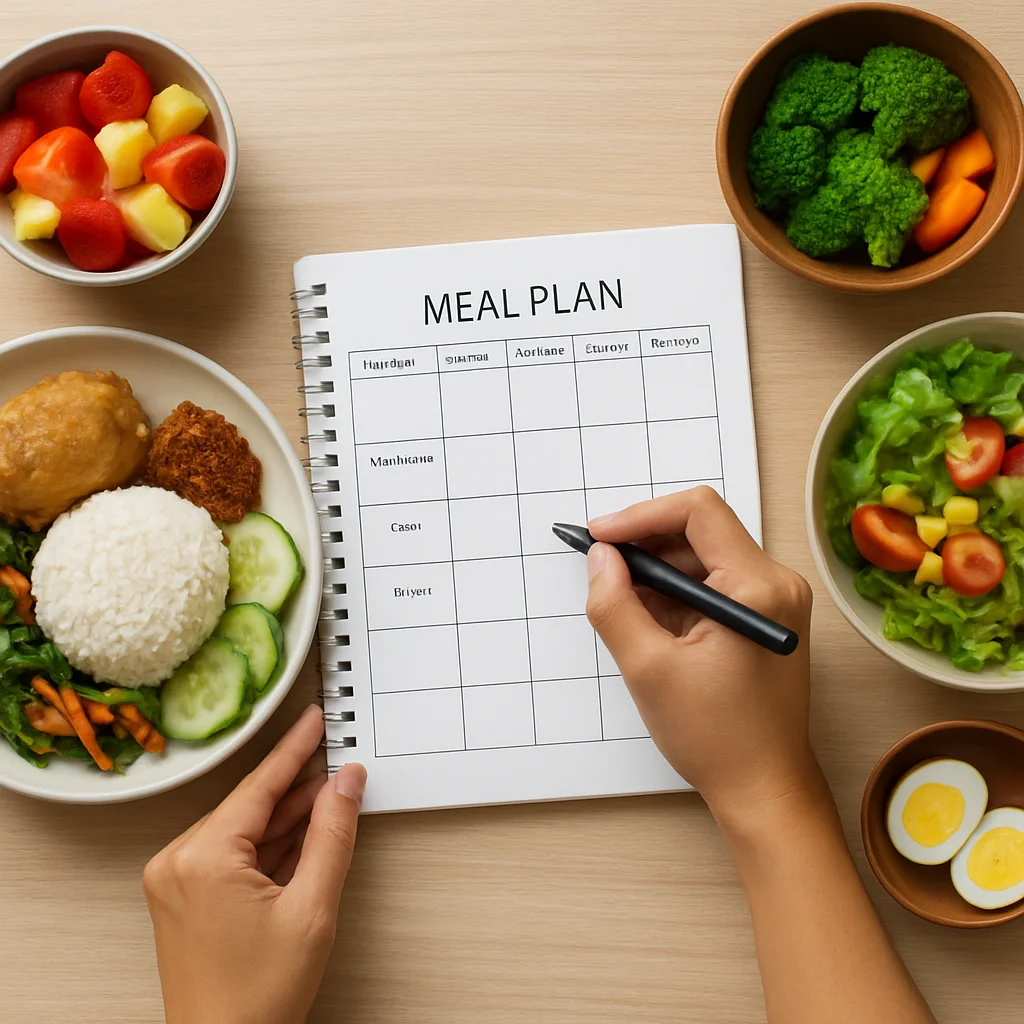
Personalised Nutrition Meal Plan for Any Goal
personalised nutrition meal plan
A personalised nutrition meal plan gives you the structure to eat for your goal without turning every meal into a spreadsheet. It starts with calories and macros, then adapts to your schedule, food preferences, and health needs so the plan is actually livable on weekday nights in Singapore.
This article shows you how to build one with simple decision rules, what a good meal structure looks like for fat loss, muscle gain, maintenance, or body recomposition, and how to keep it practical using foods from NTUC FairPrice, Sheng Siong, Cold Storage, wet markets, and hawker-style home cooking. You’ll also see where personalisation matters most, where it doesn’t, and how KnowMeal handles the messy parts like family meals, activity levels, and macro tracking.
What a personalised nutrition meal plan should do
A useful personalised nutrition meal plan should solve three problems at once: energy intake, nutrient balance, and daily execution. If it only gives you calories, it’s incomplete. If it gives you too many rules, it becomes a hobby you’ll quit after one tired Wednesday.
At minimum, a good plan should:
- Match your goal: fat loss, muscle gain, maintenance, or recomposition
- Fit your routine: office days, shift work, school runs, training days
- Use foods you can buy easily in Singapore
- Give enough protein, fibre, and hydration support
- Leave room for family meals and social eating
A practical reference point I use often is the TDEE framework. Total Daily Energy Expenditure is your baseline maintenance burn, then you adjust from there. For weight loss, a modest deficit of about 300–500 kcal/day is usually more sustainable than slashing aggressively. For muscle gain, a small surplus of around 150–300 kcal/day is often enough, especially if protein and training are consistent.
The macro basics are straightforward:
- Protein helps preserve or build muscle
- Carbs support energy, training, and recovery
- Fat supports hormones and meal satisfaction
That’s the simple version. The useful version is: your personalised nutrition meal plan should make those numbers show up on your plate with food you’ll actually eat again tomorrow.
[IMAGE: balanced Singapore meal plate with rice, fish, veg — alt text: Balanced personalised nutrition meal plan with rice, fish, and vegetables in Singapore-style portions]
Start with the simplest decision rules
A strong personalised nutrition meal plan doesn’t need 40 rules. It needs a few good ones that you’ll follow under real-life pressure.
Rule 1: Pick the goal first
Different goals need different setups.
- Fat loss: slight calorie deficit, higher protein, high fibre
- Muscle gain: small surplus, enough carbs around training
- Body recomposition: near-maintenance calories, high protein, consistent lifting
- Maintenance: balanced intake, flexible portions, stable habits
If someone is insulin resistant or managing type 2 diabetes, I usually start by reducing ultra-refined carbs, improving protein distribution, and pushing fibre toward 20g+ daily. That doesn’t mean no rice forever. It means rice becomes a side, not the whole event.
Rule 2: Set one anchor protein per meal
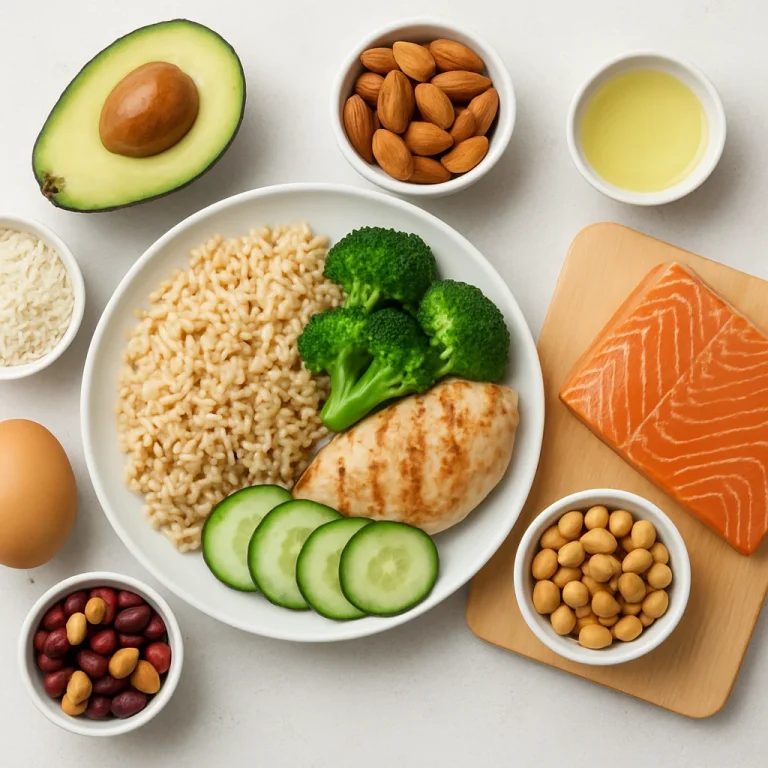
This is the easiest habit to keep. Choose one anchor protein at each main meal:
- Eggs
- Chicken breast or thigh
- Fish like dory, salmon, or batang
- Tofu or tempeh
- Greek yogurt or plain high-protein yogurt
- Lean pork
- Edamame
In Singapore, affordable options include eggs at wet markets, frozen dory from Sheng Siong, tofu from FairPrice, and skinless chicken thigh trays that often work out cheaper than people expect. A pack of eggs might cost around S$3–$6 depending on size and brand, while tofu can be under S$2 for a block. That matters when you’re building a plan you can repeat weekly.
Rule 3: Build meals with a carb dial
Carbs should move up or down based on your activity.
- Training day: more rice, oats, noodles, potatoes, fruit
- Rest day: moderate carbs, more vegetables and protein
- Low-activity day: smaller carb portion, keep protein steady
This is where many people overcomplicate things. You do not need different cuisine every day. You need different portions.
Rule 4: Keep fats visible, not hidden
Fats are easy to overshoot because they hide in sauces and cooking oil. A personalised nutrition meal plan should account for:
- Coconut milk in curries
- Sesame oil and peanut sauce
- Fried foods
- Fatty cuts of meat
- Cheese-heavy meals
A teaspoon here and a spoonful there can quietly push calories up by 100–200 kcal without any dramatic change in fullness. That’s how “I barely ate anything” happens. The kitchen has jokes.
Example meal structures by goal
A personalised nutrition meal plan becomes much easier when you can see the structure, not just the target numbers. Below are practical examples that work with common Singapore foods.
Fat loss structure
For fat loss, I usually recommend:
- Breakfast: protein + fibre
- Lunch: protein + vegetables + controlled carbs
- Dinner: protein + vegetables + smaller carb portion
- Snack: optional, protein-forward
Example:
- Breakfast: 2 eggs, plain Greek yogurt, banana
- Lunch: chicken rice-style bowl with half rice, extra cucumber, boiled egg
- Dinner: steamed fish, stir-fried kailan, small serving brown rice
- Snack: soy milk or edamame
This format keeps meals filling without making you count every grain. For many users, the first win is not scale loss. It’s fewer 10 p.m. snack raids.
Muscle gain structure
For muscle gain, the plan should support training and recovery:
- Breakfast: protein + carbs
- Lunch: balanced meal with enough rice/noodles/potatoes
- Pre-workout: easy carbs if needed
- Post-workout: protein + carbs
- Dinner: protein, carbs, vegetables
Example:
- Breakfast: oats, milk, eggs, fruit
- Lunch: brown rice, chicken breast, veg, tofu
- Pre-workout: banana or bread
- Dinner: salmon, potatoes, salad, soup
If someone lifts 3–5 times a week, I’d rather see them eat enough than “save calories” all day and arrive at the gym flat, hungry, and mildly annoyed with everyone.
Body recomposition structure
Recomp is where a personalised nutrition meal plan helps most. You want enough food to train hard, but not so much that fat loss stalls.
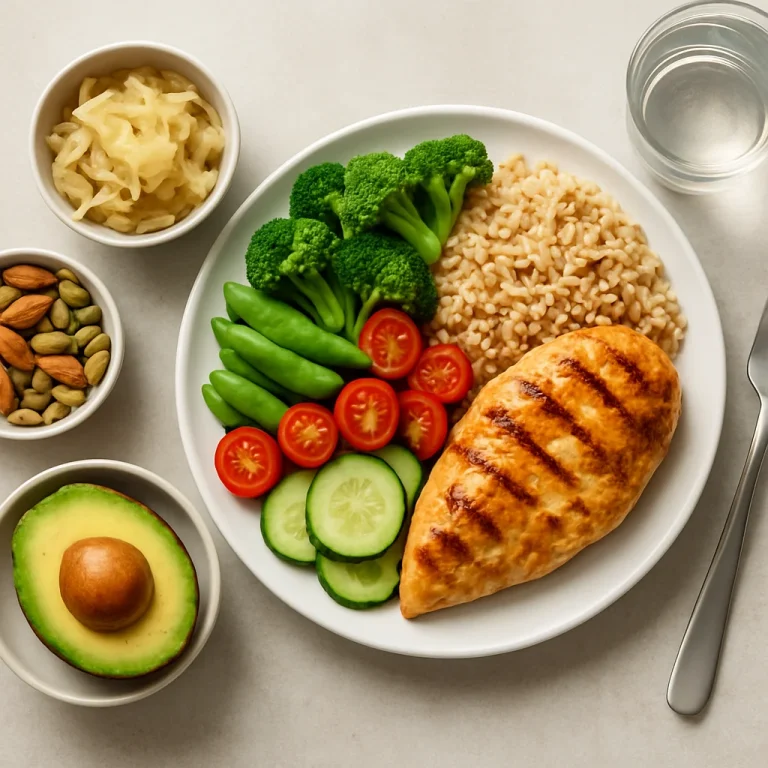
A simple recomposition plate:
- 1 palm protein
- 1 fist carbs
- 2 fists vegetables
- 1 thumb fats
That’s a decent shorthand for many adults. It’s not perfect, but it’s usable at lunch when your brain has already met its meeting quota.
Maintenance structure
Maintenance should feel boring in a good way.
- Keep protein consistent
- Keep meal timing predictable
- Use flexible portions
- Include social meals without guilt
For many people, maintenance is the most useful phase because it teaches normal eating without backsliding. If you can maintain your weight for 8–12 weeks, you’ve learned more than a lot of “30-day reset” promises ever teach.
How KnowMeal handles personalisation without complexity
This is where a personalised nutrition meal plan should feel smart, not fussy. KnowMeal was built around decisions that mimic how real people eat in Singapore and Southeast Asia.
Activity level calculation that makes sense
A simple 1–5 activity scale often misses the point. Someone who sits at a desk but does five 45-minute strength sessions is not the same as someone who works in a warehouse and walks all day.
KnowMeal’s approach considers:
- Work type: desk, light, active, manual
- Exercise sessions: type and duration
- Weekly frequency: not just “active” or “sedentary”
That gives a better calorie estimate before the meal plan is generated.
Smart meal generation
The meal engine follows rules that reduce food fatigue:
- Max 2 repeats per food in a plan
- Must-have foods can be included
- Meals stay within the calorie budget
- Macro targets stay inside a practical tolerance range
The point is consistency. If your lunch includes salmon on Monday, you shouldn’t see salmon again five meals later unless you asked for it. Variety matters because repetition kills adherence faster than bad intentions ever will.
Family mode for one meal, multiple people
Family meal prep often fails because every person wants a different dish. KnowMeal’s family mode keeps everyone eating the same food at the same meal, while portions and macros shift by member.
That means:
- Less cooking
- One grocery list
- Fewer leftover containers haunting the fridge
For busy households, this is a major quality-of-life win. A parent trying to cook for three people with different goals doesn’t need a second job.
Trainer mode for client management
Personal trainers often need a faster way to build plans that look professional and stay consistent. KnowMeal supports up to 100 clients, which makes it easier to manage macro targets, meal plans, and branded exports without assembling everything manually in spreadsheets.
[INTERNAL LINK: TDEE-based calorie targeting guide]
Foods that work well in Singapore supermarkets and wet markets
A personalised nutrition meal plan should be realistic for where you live. In Singapore, that means pantry staples and fresh produce that you can actually find on a Tuesday night.
Good whole-food options include:
- Eggs
- Chicken breast, chicken thigh, minced chicken
- Canned tuna in water
- Dory, batang, salmon, sardines
- Tofu, tau kwa, tempeh
- Brown rice, basmati rice, oats
- Sweet potato, potatoes, pumpkin
- Leafy greens: kai lan, bok choy, spinach, chye sim
- Fruits: bananas, papaya, guava, apples
- Beans and lentils
For fibre, I like combining vegetables with fruit and legumes instead of relying only on leafy greens. A lunch of rice, chicken, and bok choy is decent. Add papaya, edamame, or lentils and it becomes a much better day for digestion and blood sugar support.
If you’re managing high blood pressure, it also helps to watch sodium from sauces, processed meats, and instant noodles. You don’t have to eat plain food forever. You just need to stop treating soy sauce like water.
[IMAGE: grocery basket with local staples — alt text: Singapore supermarket groceries for a personalised nutrition meal plan including eggs, tofu, rice, fish, and vegetables]
Decision rules for common health concerns
A personalised nutrition meal plan should adapt to the person, not just the goal. Here are practical rules I use for common concerns.
For insulin resistance or diabetes risk
Focus on:
- Protein at each meal
- Fibre from vegetables, beans, and fruit
- Smaller portions of rice, noodles, bread
- Lower-sugar drinks
Try using:
- Brown rice or basmati in measured portions
- Mixed rice plates with extra veg and double tofu or fish
- Fruit after meals if it helps control cravings
A 2022 review in Nutrients and broader evidence from diabetes nutrition guidelines both support higher fibre intake and better carb quality for glucose control. That doesn’t mean you need a rigid low-carb plan. It means your carb choices should earn their place.
For high blood pressure
Focus on:
- More fresh foods
- Less processed meat
- Moderate sodium sauces
- Potassium-rich foods like bananas, spinach, and beans
A home-cooked meal can still be tasty with garlic, ginger, white pepper, lime, and chilli. Salt is not the only spice in the cupboard.
For kidney health considerations
This one needs care. If someone has kidney disease or is under nephrology care, protein targets may need adjustment based on medical advice. A personalised nutrition meal plan can support better eating habits, but it should not override renal guidance.
If kidney health is a concern:
- Check protein targets with a clinician
- Be careful with potassium and phosphorus if advised
- Avoid one-size-fits-all high-protein claims
That’s where human judgement beats internet bravado.
How to keep the plan simple enough to follow
A personalised nutrition meal plan works when it survives real life. Not just the first enthusiastic week.
Use these practical shortcuts:
- Repeat 2–3 breakfasts
- Rotate 3–4 lunch/dinner templates
- Batch-cook proteins twice weekly
- Keep a default snack list
- Freeze backup portions
A decent weekly prep cycle might look like this:
- Sunday: cook rice, marinate chicken, wash greens
- Wednesday: restock fruit, tofu, eggs, fish
- Friday: use leftovers, soup, or quick stir-fries
If you want an easy starting point, build meals around these templates:
- Rice bowl
- Soup + protein + veg
- Wrap or sandwich + fruit
- Stir-fry + grain
- Salad + starch + protein
[INTERNAL LINK: family meal prep planning]
What a good personalised meal plan looks like in real life
A strong personalised nutrition meal plan feels like this:
- You know what to eat next
- Grocery shopping is shorter
- Macros are close without obsessive tracking
- Family meals stop becoming negotiation sessions
- You can eat out without starting over on Monday
There’s still flexibility. That’s the point. A good plan is not a prison. It’s more like a very competent assistant who doesn’t get dramatic when you swap chicken for fish.
Soft CTA
If you’ve been trying to fit your goals into generic meal plans, it may be time to use a system that starts with your routine, not someone else’s template. A personalised setup makes the difference between “I’ll start again next week” and “this is just how I eat now.”
FAQ
What is a personalised nutrition meal plan?
A personalised nutrition meal plan is a food plan built around your calories, macros, preferences, and health goals. It’s designed to fit your routine, so it’s easier to follow than a generic diet sheet.
Is a personalised nutrition meal plan good for weight loss?
Yes, if the calorie target is right and the meals are filling enough to sustain it. The best weight-loss plans usually combine a modest calorie deficit with higher protein and enough fibre.
How many meals should I eat per day?
There’s no single best number. Three meals works well for many adults, while others do better with four smaller meals or three meals plus a snack.
Can I use a personalised nutrition meal plan if I have diabetes?
Often, yes, but it should be tailored carefully. Protein, fibre, carb quality, and portion sizes matter more than chasing extreme restrictions, and medical guidance should come first.
Do I need to track every calorie?
Not always. Many people do fine with structured portions, repeat meals, and macro-aware templates instead of daily precision tracking. Tracking is a tool, not a personality.
Can families follow one meal plan together?
Yes. Family mode works best when everyone eats the same base meal and portions are adjusted for each person. That saves time, reduces waste, and makes weekly prep much easier.
Key takeaways
- Start with the goal, then calories.
- Protein should anchor every main meal.
- Fibre helps fullness and blood sugar control.
- Keep meals simple enough to repeat.
- Family plans work best with shared dishes.
- Personalisation should reduce, not add, stress.
Primary CTA
If you want a personalised nutrition meal plan that fits your goal, routine, and household without spreadsheet chaos, try KnowMeal. Build smarter meal plans, adjust macros in real time, and make weekly eating feel simpler for you or your clients.
Key Takeaways
- Start with the goal, then calories.
- Protein should anchor every main meal.
- Fibre improves fullness and blood sugar control.
- Shared meal templates simplify family prep.
- Personalisation should reduce daily decision fatigue.
Frequently Asked Questions
Q: What is a personalised nutrition meal plan?
Is a personalised nutrition meal plan useful for fat loss?
Can I use this if I have diabetes or insulin resistance?
How many meals should I eat each day?
Do I need to count every calorie?
Can families use the same personalised nutrition meal plan?
Ready to make your meals simpler and more effective? Build your own **personalised nutrition meal plan** with KnowMeal and get macro-based plans, family meal prep support, and real-time adjustments in one place.