
Family Meal Planning on a Budget: The Complete System for Saving Time and Money
Family meal planning on a budget is the easiest way to save money, reduce food waste, and make weeknight cooking feel manageable again. Instead of deciding what to eat at the last minute, you build a simple repeatable system that matches your family’s schedule, preferences, and budget—without sacrificing nutrition or flavour.
This guide walks you through a complete, practical system for family meal planning on a budget, from setting a realistic grocery budget to building flexible meal templates, shopping smarter, and prepping efficiently. Whether you are feeding toddlers, teens, picky eaters, or active adults, the goal is the same: less stress, less waste, and more confident meals every week. For a bigger picture approach, you may also like [LINK_TO: Meal Planning for Families: A Simple Weekly System That Saves Time and Money] and [LINK_TO: Ultimate Family Meal Planning Guide: Save Time, Money, and Stress Every Week].
Table of contents
- Why family meal planning on a budget works
- Set a realistic family food budget
- Build meal templates that save time
- Shop smarter without overspending
- Use a simple prep system
- Choose budget-friendly meal ideas
- Reduce food waste and stretch ingredients
- Make it work for the whole family
- Sample budget family meal plan
- Common mistakes to avoid
- Final thoughts and next steps
Why family meal planning on a budget works
Most families overspend on food for one simple reason: they shop without a plan. Random top-up trips, takeaway meals, and last-minute convenience foods add up quickly. Family meal planning on a budget creates structure, which means you buy only what you need, use ingredients more efficiently, and avoid the expensive “what’s for dinner?” decisions that lead to waste or ordering out.
The biggest win is not just lower grocery bills. A good system also saves mental energy. When dinner is already planned, your evenings feel calmer. When breakfast and lunch are repeatable, mornings become easier. And when the whole family knows the rhythm of the week, meal times become less chaotic.
Budget planning also supports better nutrition. It becomes much easier to include more whole foods, protein, vegetables, fruit, and fibre when you plan ahead. This is especially helpful for families trying to manage weight, improve energy, or build healthier habits together. If you want a more personalised structure, see [LINK_TO: Personalised Nutrition Meal Plan for Any Goal] and [LINK_TO: Custom Meal Plan Builder for Flexible Nutrition].
Set a realistic family food budget
The first step in family meal planning on a budget is to define your budget clearly. Many people say they want to spend “less,” but that is too vague to guide shopping behaviour. Instead, set a weekly or monthly food budget based on actual spending and adjust from there.
Start with these categories
- Groceries: main meals, snacks, breakfast staples, lunch items
- Household essentials: if you buy them together, track them separately for accuracy
- Eating out: decide how often takeaway or restaurant meals are included
- School and work lunches: these are often the hidden budget leak
Use a simple target
If you are unsure where to start, review one month of spending and aim to reduce it by 10% to 15% first. That is often easier to sustain than making an extreme cut. The best budget is one your family can actually follow.
Also consider your family’s needs. A household with active teens, gym-goers, or children in growth spurts may need more food than a smaller family with lighter appetites. If high-protein meals are a priority, you can still stay budget-friendly by using eggs, tofu, beans, sardines, chicken thighs, yoghurt, and lentils. See [LINK_TO: What to Eat When You Need High Protein on a Budget: 7-Day Grocery and Meal Strategy].
Build meal templates that save time
The secret to sustainable family meal planning on a budget is not making a brand-new menu every week. It is building meal templates. Templates are flexible patterns you can repeat with different ingredients depending on sales, seasons, and family preferences.
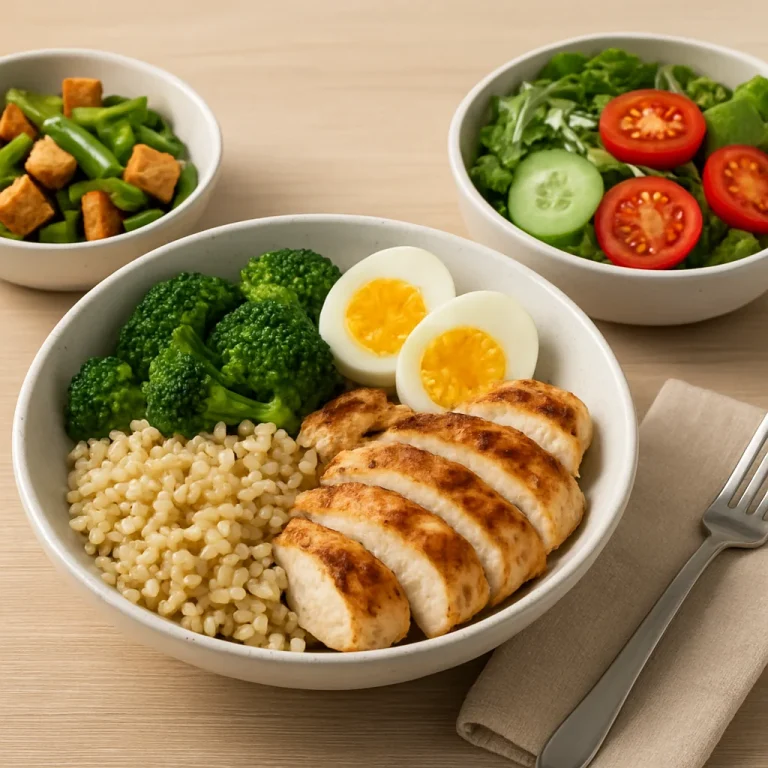
Use the “protein + veg + carb + flavour” formula
This simple structure works for almost any dinner:
- Protein: chicken, eggs, fish, tofu, minced meat, beans
- Vegetables: frozen mixed veg, cabbage, carrots, spinach, cucumber
- Carb: rice, noodles, potatoes, oats, bread, noodles
- Flavour: curry paste, soy sauce, garlic, herbs, sambal, tomato sauce
With one formula, you can create many meals without starting from scratch every time. For example, chicken + cabbage + rice + soy garlic sauce can become stir-fry one night and soup the next night with a few changes.
Repeat breakfast and lunch more often
Breakfast and lunch are often where families can save the most time. You do not need seven different elaborate meals. Use a few reliable options and rotate them. For inspiration, browse [LINK_TO: High-Protein Breakfast Ideas for Busy Weekdays], [LINK_TO: High-Protein Lunch Ideas for Busy Weekdays], and [LINK_TO: Easy High-Fiber Lunch Ideas for Busy Weekdays].
Examples include overnight oats, boiled eggs with toast, peanut butter sandwiches, rice bowls, wraps, soup, or leftovers from dinner. Simple works because simple gets repeated.
Shop smarter without overspending
Smart shopping is where family meal planning on a budget becomes real savings. A plan only works if your shopping habits support it. The goal is to buy intentionally, not emotionally.
Create a shared grocery list
A shared list prevents duplicate purchases and forgotten essentials. It is especially useful for busy families where multiple people buy groceries during the week. A system like [LINK_TO: Shared Grocery List Meal Planner for Families] can help keep everyone aligned.
Shop from your meal plan, not from cravings
Write your grocery list directly from the meals you have planned. Group ingredients by category to make shopping faster:
- Produce
- Protein
- Carbs and grains
- Dairy and eggs
- Pantry items
- Frozen foods
Prioritise value, not just price
The cheapest item is not always the best value. Focus on foods that are filling, versatile, and nutrient-dense. In many Asian households, budget-friendly staples like rice, noodles, eggs, tofu, cabbage, kangkong, carrots, bananas, and seasonal fruit offer great value when combined properly.
Also watch for sales on family-sized packs of chicken, minced meat, Greek yoghurt, frozen vegetables, canned tuna, and beans. If you buy in bulk, only do so for items you know your family will finish.
Use a simple prep system
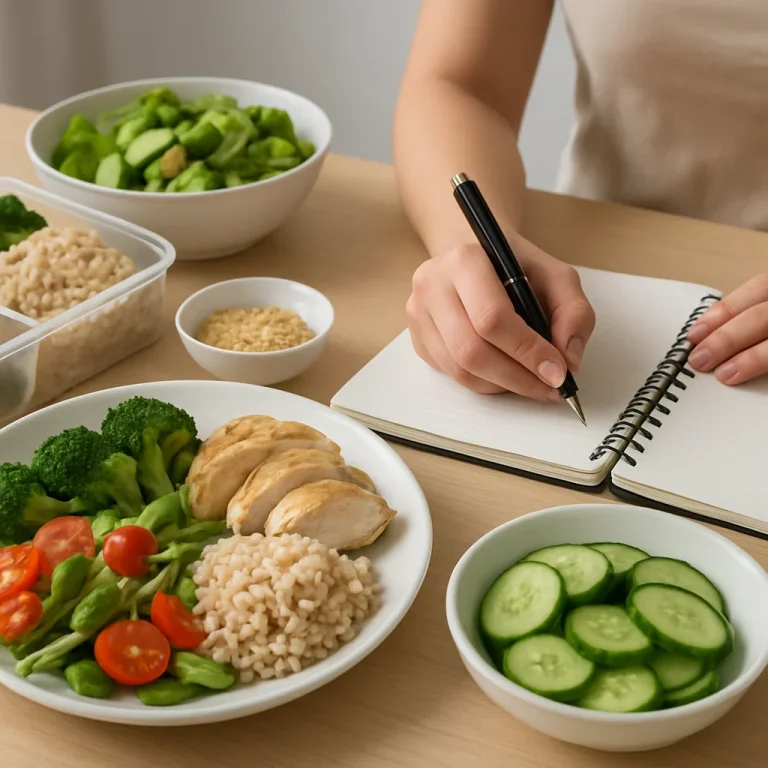
You do not need to meal prep every lunchbox in advance to succeed at family meal planning on a budget. Instead, prep a few core components that make cooking faster during the week.
Prep just 3 things
- Protein: marinate chicken, boil eggs, cook minced meat, press tofu
- Vegetables: wash, chop, or blanch items that spoil quickly
- Carbs: cook rice, boil potatoes, portion oats, or prepare noodles
With these ready, assembling meals becomes much easier. This is especially useful on busy weeknights. You can also explore [LINK_TO: Meal Prep Planner for Families | Shared Meal Plan] for a more structured approach.
Use batch cooking strategically
Batch cooking does not mean eating the same dish every day. It means doubling recipes and repurposing leftovers. For example, roast chicken can become wraps, fried rice, soup, or sandwich fillings over several days. Cooked lentils can become dhal, salad topping, or a curry base.
If you prefer quick dinners, [LINK_TO: Quick Dinner Ideas for Busy Weeknights: A Simple 30-Minute Meal System] and [LINK_TO: Easy Budget Family Dinner Ideas for Busy Weeknights] are useful companions to this system.
Choose budget-friendly meal ideas your family will actually eat
The best budget strategy fails if nobody eats the food. That is why family meal planning on a budget should be built around meals your household genuinely enjoys. Start with familiar flavours, then make gradual upgrades for nutrition and cost savings.
Easy family dinner ideas
- Chicken and mixed vegetable stir-fry with rice
- Egg fried rice with peas, carrots, and onions
- Minced meat tomato pasta
- Tofu and cabbage noodle bowl
- Bean and vegetable curry with rice
- Soup with potatoes, carrots, and shredded chicken
- Oven-baked fish with steamed greens and rice
Simple breakfast ideas
- Overnight oats with banana and yoghurt
- Egg toast with fruit
- Peanut butter sandwich with milk
- Greek yoghurt bowl with oats and seeds
Affordable lunch ideas
Lunch is often where leftovers shine. Try rice bowls, wraps, pasta salads, soup thermoses, or last night’s dinner packed into lunchboxes. For more options, see [LINK_TO: Cheap Healthy Lunch Ideas for Families on a Budget].
If your family wants a ready-made structure, [LINK_TO: Budget-Friendly Weekly Meal Plan for Families: Simple, Flexible, and Affordable] and [LINK_TO: 7-Day Meal Plan for Busy Families: Easy, Affordable, and Flexible] are excellent starting points.
Reduce food waste and stretch ingredients
Food waste is budget waste. One of the biggest advantages of family meal planning on a budget is that it helps you use what you already have before buying more.
Track what goes bad most often
Notice which ingredients your family throws away regularly. It may be salad greens, bread, fruit, herbs, or dairy products. Then adjust how much you buy and how quickly you use them.
Design a “use-first” shelf
Keep soon-to-expire items in one visible spot in your fridge. This makes it much more likely that you will use them in meals before they spoil.
Turn leftovers into new meals
- Roast vegetables into omelettes or soup
- Cooked rice into fried rice or rice porridge
- Leftover chicken into sandwiches, wraps, or noodle soup
- Extra dhal or curry into a filling lunch with bread or rice
These small habits save money and make cooking easier. They also support more sustainable home routines, which is one reason a good system tends to stick.
Make it work for the whole family
Budget meal planning should not feel restrictive. It should feel flexible enough to support different ages, schedules, and preferences. A family-friendly system allows adults, children, and active individuals to eat from the same base meal while adjusting portions and sides as needed.
Use the same meal, different portions
Serve the same dinner to everyone, then adjust the serving size. For example, one family member may need more rice or protein, while another may want extra vegetables. This keeps cooking simple and avoids making separate meals.
Offer choice without creating extra work
You can reduce picky-eating stress by offering controlled choices:
- Choose between two vegetables
- Choose rice or noodles
- Choose chicken or tofu
This gives flexibility without turning dinner into a custom order system.
Support health goals without increasing cost
If your household is focused on body recomposition, weight control, or better blood sugar balance, you can still keep the plan affordable. Build meals around protein, fibre, and minimally processed whole foods. This is especially useful for families managing insulin resistance or aiming for sustainable weight loss. A helpful related article is [LINK_TO: Weight Loss Meal Plan Singapore | Simple Whole Foods].
Sample budget family meal plan
Here is a simple example of family meal planning on a budget for one week. It uses repeat ingredients to keep shopping efficient.
Breakfast rotation
- Oats with banana and peanut butter
- Eggs on toast with fruit
- Yoghurt with oats and seeds
Lunch rotation
- Leftover rice bowls with protein and vegetables
- Wraps with chicken, lettuce, and cucumber
- Soup with bread and fruit
Dinner rotation
- Chicken stir-fry with cabbage and rice
- Minced meat pasta with carrot salad
- Tofu curry with potatoes and rice
- Egg fried rice with vegetables
- Baked fish with greens and sweet potato
- Leftover soup night
- Flexible family leftovers or freezer meal
This is not about being perfect. It is about having enough structure to avoid chaos while staying flexible enough to adapt to sales, schedules, and appetite changes.
Common mistakes to avoid
Even with a good plan, a few common mistakes can make family meal planning on a budget harder than it needs to be.
- Planning meals the family will not eat: choose realistic meals, not ideal ones
- Overbuying ingredients for one recipe: use ingredients across multiple meals
- Buying too many “special” items: keep the cart anchored in staples
- Skipping leftovers: leftovers are one of the fastest ways to save money
- Making the plan too complicated: a simple plan is more sustainable than a perfect one
If your current system feels overwhelming, start smaller. Plan three dinners, two breakfasts, and two lunch options per week. Once that feels easy, expand from there. For more support, [LINK_TO: Healthy Meal Planning for Busy People: A Simple System That Actually Sticks] offers a practical long-term framework.
Final thoughts and next steps
Family meal planning on a budget is not about eating less or making every meal from scratch. It is about creating a repeatable system that saves money, reduces stress, and helps your family eat well with less effort. When you set a budget, use meal templates, shop with intention, prep smart, and reuse ingredients well, you create a meal routine that supports both your finances and your health.
Start with one small change this week: build a shared grocery list, plan three dinners in advance, or reuse the same breakfast two or three times. Those small steps compound quickly.
Ready to make meal planning easier? Explore KnowMeal’s tools and guides, including [LINK_TO: Daily Meal Plan Generator for Smarter Meals | KnowMeal], [LINK_TO: Custom Meal Plan Builder for Flexible Nutrition], and [LINK_TO: Personal Trainer Nutrition Software | KnowMeal] to build a system that fits your family’s real life.