Macro Based Diet Management: Update Calories & Macros
macro based diet management
Macro based diet management only works well when you update it as your body, training, and daily routine change. If your weight is dropping too fast, your gym sessions are getting harder, or your steps have doubled since you started a new job, your calories and macros need a refresh. The goal is simple: keep the plan aligned with real life, not the version of you from six weeks ago.
This article shows you how to tell when to update calories and macros, how to make small changes without wrecking progress, and how to adjust for weight loss, muscle gain, maintenance, and family meal prep. I’ll also cover practical signs to watch for, simple macro rules, and how a personalised nutrition meal plan can save a lot of guesswork. If you’re tracking insulin resistance, blood pressure, or body recomposition, these adjustments matter even more.
Why macro based diet management needs updates over time
Your calorie needs are not fixed. Body weight changes, lean mass changes, activity changes, and even stress can shift your energy requirements. That’s why a plan that worked brilliantly in January can feel off by March.
A 2023 review in Nutrients and earlier work from the International Society of Sports Nutrition both support the same basic idea: protein and total energy intake need to be adjusted to match training load and goal phase. The practical version is less glamorous. You eat less when you’re smaller, more when you’re more active, and differently when you’re trying to gain muscle versus lose fat.
For most people, the biggest mistake is changing too many things at once. Cut calories, slash carbs, add more cardio, then wonder why sleep is poor and hunger is feral by Thursday. That’s not strategy. That’s a cry for help from your meal plan.
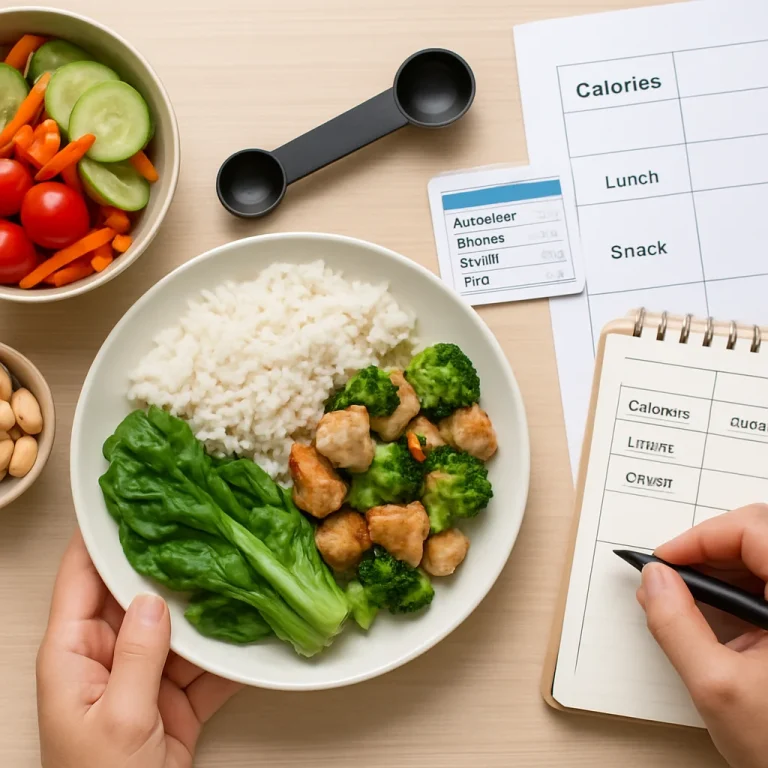
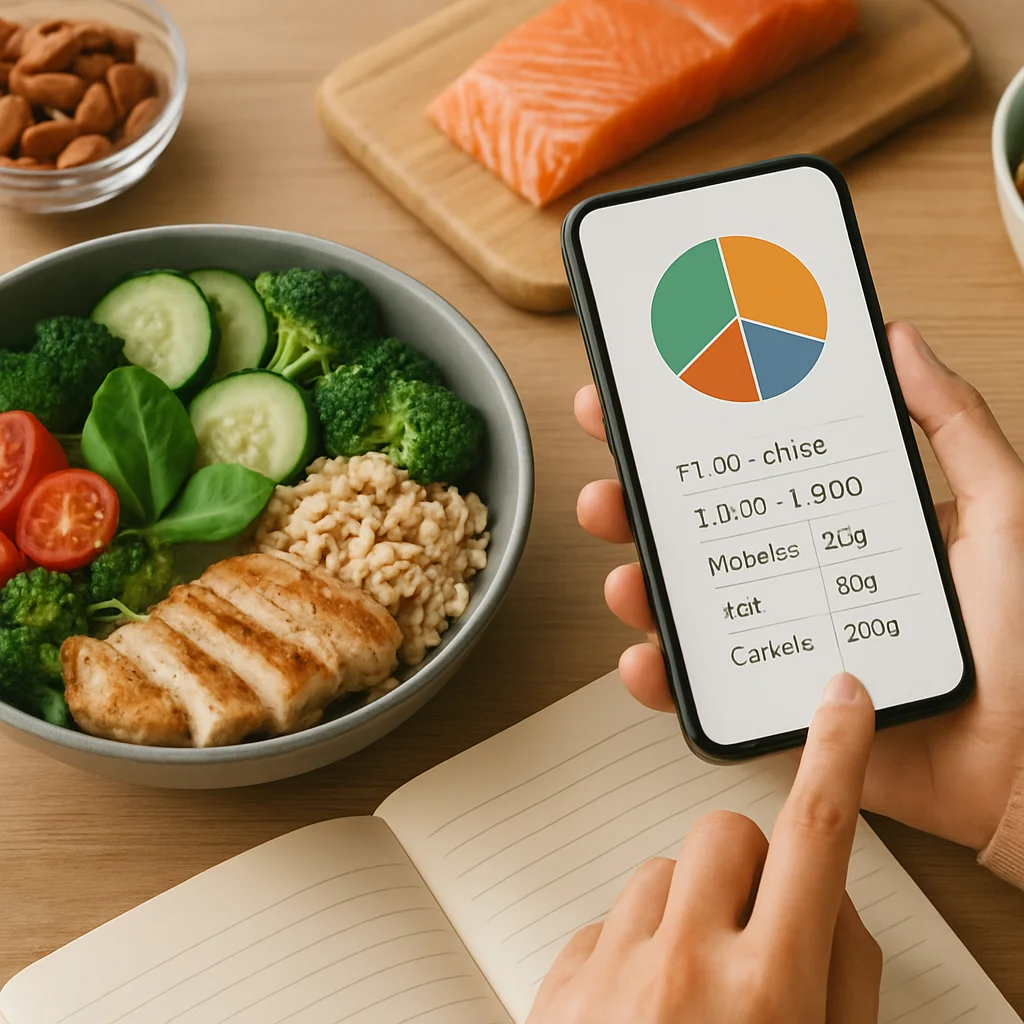
[IMAGE: A simple calorie and macro adjustment chart on a phone screen + alt text: “Simple calorie and macro adjustment chart for macro based diet management”]
If you want a deeper primer on setting your starting numbers, see [INTERNAL LINK: how TDEE-based meal plans work].
The clearest signs it’s time to update calories and macros
You don’t need perfect lab data to know your plan needs a tune-up. Your body usually gives very practical clues.
1) Your weight trend has stalled for 2–3 weeks
If your daily weigh-ins are flat for 14–21 days and your waist hasn’t moved, your intake is probably matching your current expenditure. That’s fine for maintenance. It’s a problem if your goal is fat loss.
For weight loss, I usually look for an average loss of about 0.25% to 0.75% of body weight per week. Faster can work short term, but it often increases hunger and training fatigue. Slower can still be fine, especially for people managing insulin resistance, high blood pressure, or a long timeline.
2) Training performance is slipping
If your squat feels like a debt repayment plan, or your running pace has dropped despite consistent sleep, your macros may be too aggressive. Protein protects lean mass, but carbohydrates still matter for training output, especially for people lifting 3–5 times per week or doing HIIT.
I’ve seen this often with clients who go from “feeling disciplined” to “why am I weak and cranky?” after cutting carbs too hard. That usually means calories, carbs, or both need adjusting.
3) Hunger is constant, not occasional
A bit of hunger during fat loss is normal. Constant food thoughts, waking up hungry, and planning your next meal before finishing breakfast usually means the deficit is too steep or your meals are too low in fibre and protein.
For many people in Singapore, a more sustainable fix is not exotic. It’s just more eggs, tofu, Greek yogurt, fish, chicken breast, tempeh, edamame, chia, oats, brown rice, and vegetables. Affordable, accessible, boring enough to work.
4) Your routine has changed
This one gets overlooked. A new office commute, a school holiday with more family walking, a shift to hybrid work, or a new training block can change your needs more than people expect.
KnowMeal’s activity calculation is useful here because it looks at work type plus exercise sessions and duration, instead of a vague 1–5 activity score. A sales job with long standing hours is not the same as desk work. Neither is 30 minutes of casual cycling and 60 minutes of progressive resistance training.
5) Your body composition goal has shifted
Maintenance calories for someone doing a lean bulk are not the same as for someone trying to reverse insulin resistance while losing abdominal fat. If the goal changes, the plan should too.
That sounds obvious, but plenty of people keep following a fat-loss template long after they’ve moved into recomposition or maintenance. Results slow down, then everyone blames willpower. The spreadsheet was the issue.
How to update calories without overcorrecting
The safest way to change a plan is with small, testable edits. Big swings make it hard to tell what actually worked.
For fat loss
If weight loss has stalled, reduce calories by 100–200 kcal per day first. In most cases, that’s enough to restart progress without making the plan miserable. Keep protein steady, usually around 1.6–2.2 g per kg of body weight, especially if you’re lifting.
A practical example: if lunch currently includes 1.5 bowls of rice with chicken curry, you might trim the rice to 1 bowl and add cucumber, cabbage, or a tofu side. That usually cuts calories without shrinking the plate to a sad demonstration of restraint.
For muscle gain
If your body weight is not rising after 2–3 weeks, add 100–150 kcal per day. Put most of that increase into carbs or a bit of fat, not just random snacking.
For a muscle gain phase, protein still matters, but carbs help you train harder and recover better. A solid Singapore-friendly add-on could be one banana, an extra portion of oats, or a bigger serving of rice at dinner.
For maintenance
Maintenance is not “eat whatever and hope.” It’s a range. Small changes in weekly weight, waist, and hunger tell you whether the current intake is still right.
If your weight trends up by more than 0.25% per week for several weeks and that’s not your goal, trim 100 kcal. If energy, sleep, and training are poor, you may actually need to add a little food. Maintenance is often the most underappreciated phase because it requires paying attention without chasing drama.
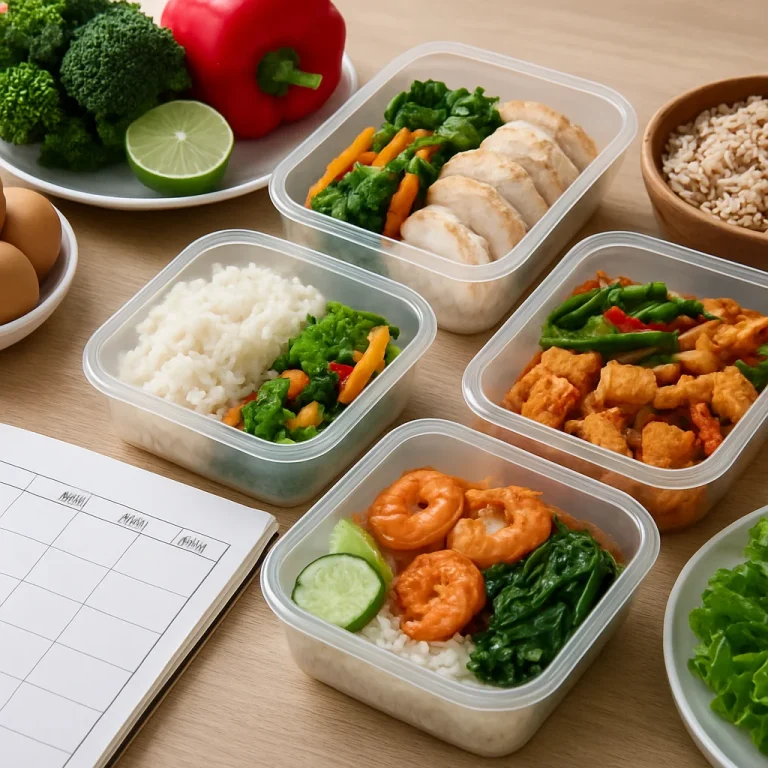
[IMAGE: Overlapping meal prep containers with rice, chicken, and vegetables + alt text: “Meal prep containers showing practical macro based diet management for maintenance and fat loss”]
How to update macros as training changes
Calories set the budget. Macros decide how the budget gets spent.
Protein: keep this the most stable
Protein is the least negotiable macro for body recomposition. It supports muscle repair, helps preserve lean mass during fat loss, and increases satiety. For most active adults, 1.6–2.2 g/kg is a sensible range.
If someone starts strength training seriously, or if they’re dieting while trying to keep muscle, I usually keep protein near the higher end. If there’s a kidney condition, the advice changes and should be guided by a doctor or renal dietitian. That’s not a footnote; that’s the part that keeps people safe.
Carbs: adjust with training load
Carbs are the easiest macro to scale up or down because they affect energy and recovery quickly. If training volume rises, carbs usually need to go up too. If activity drops, carbs can come down slightly.
For example, a client moving from two weekly workouts to five may need a bigger rice portion, more oats, or an extra fruit serving. On the other hand, someone who stops commuting and starts working from home may find their old rice portions suddenly too generous.
Fat: keep enough for hormones and satisfaction
Dietary fat supports hormones, nutrient absorption, and meal satisfaction. Too low, and meals can feel dry in every sense. A common practical target is 20–35% of calories from fat, adjusted to preference and total calorie intake.
For people eating Southeast Asian food, fats come from cooking oil, coconut milk, egg yolks, nuts, seeds, and fattier fish. The trick is not to fear them. The trick is to portion them honestly.
How to adjust meal plans for insulin resistance and blood pressure
Macro based diet management is not just for gym goals. It’s useful for people managing metabolic health too.
For insulin resistance, the priorities are usually:
- consistent protein at each meal
- higher fibre, ideally 20g+ daily
- fewer refined carbs
- carbs distributed more evenly across the day
- minimally processed whole foods more often
That doesn’t mean eliminating rice forever. It means pairing rice with protein, vegetables, and sensible portions. White rice with no protein is basically a fast lane. White rice with fish, greens, and tofu is a much better setup.
For high blood pressure, sodium, potassium-rich foods, and overall food quality matter. Singaporean favourites can fit well if you choose smarter versions:
- steamed fish instead of deep-fried fish
- clear soups instead of salty broths
- cai png with more vegetables and tofu
- less sauce, less gravy, more actual food
For kidney health considerations, don’t self-prescribe high-protein diets. Protein needs depend on the condition, stage, and medical advice. If you’re unsure, get guidance before making aggressive changes.
How often should you recalculate calories and macros?
A full recalculation is usually sensible every 4–8 weeks, or sooner if something major changes. That could be:
- body weight changes by 3–5%
- training volume changes significantly
- work becomes more active or more sedentary
- sleep, appetite, or recovery shifts noticeably
- you move from fat loss to maintenance or recomposition
For many people, a small weekly adjustment is enough. You do not need to reinvent breakfast because your body fat moved by half a kilogram. Tiny, consistent updates beat dramatic overhauls.
KnowMeal’s structured meal planning helps here because it can regenerate plans from your updated calorie target, then keep the day practical. That’s useful when you’re cooking for yourself, your spouse, and a child who believes vegetables are a conspiracy.
Practical examples of updating macros in real life
Example 1: office worker doing fat loss
A 38-year-old in Singapore starts at 2,050 kcal with moderate activity. After six weeks, weight loss stalls and evening hunger spikes. A sensible adjustment might be 1,900 kcal, with protein held steady and carbs trimmed slightly at dinner.
A lunch of chicken rice can still fit. You might reduce rice, add extra cucumber and egg, and choose steamed chicken instead of fried. Same lunch, better fit.
Example 2: client moving into muscle gain
A fitness enthusiast increases lifting from 3 days to 5 days a week. Weight stays flat for three weeks, workouts feel flat, and recovery is slow. Increase intake by 120 kcal, mostly from carbs, and monitor performance for two weeks.
A simple add-on could be:
- extra banana with breakfast
- more rice at post-workout dinner
- oats with milk and peanut butter
Example 3: family meal prep changing with school schedule
A family of four used to batch cook on Sundays, but now one child has evening swim training. The meal plan needs more carbs around training and easier prep on weekdays. Family mode works well here because everyone eats the same base meal, with small portion differences at the table.
That’s a lot easier than cooking separate “fitness food” and “normal food,” which is how many households end up with three pans, two sauces, and mild resentment.
[IMAGE: Family meal prep containers with shared base ingredients + alt text: “Family meal prep using shared ingredients for macro based diet management”]
Simple rules I use when adjusting a plan
A good update usually follows one of these rules:
- If fat loss stalls: reduce calories by 100–200 kcal
- If muscle gain stalls: increase calories by 100–150 kcal
- If training gets harder: add carbs first
- If hunger is too high: raise protein and fibre
- If meals feel unsatisfying: add a little fat
- If routine changes a lot: recalculate TDEE
Those are not magic numbers. They’re practical starting points that keep adjustments controlled.
If you track food with a meal-planning tool, look for one that supports real macro updates, not just static targets from month one. Otherwise, you’re basically using a map that stops at the first junction.
Using macro based diet management without obsession
The best system is the one you can live with. If tracking makes you anxious, simplify. Focus on consistent protein portions, vegetable intake, and reasonable carbs rather than chasing perfection.
A useful mental model:
- Protein helps you keep muscle
- Carbs help you train and think clearly
- Fats support hormones and satisfaction
- Fibre supports digestion and blood sugar control
That’s enough for most people to make progress without turning dinner into a courtroom exhibit. If you want extra structure, a personalised plan can take the guesswork out of recalculating portions and groceries each week.
FAQ: updating calories and macros
When should I recalculate my calories?
Recalculate when your weight changes by about 3–5%, your training load changes, or your goal changes. For many people, that’s every 4–8 weeks.
Should I change protein, carbs, and fat all at once?
Not usually. Keep protein fairly stable, then adjust carbs and fats based on your goal and training. Small changes are easier to judge and maintain.
What if I’m losing weight too fast?
Add 100–200 kcal per day and check whether energy, sleep, and workout performance improve. Too-fast loss often means the deficit is too aggressive for long-term adherence.
Can I update macros without using a calculator every week?
Yes. Use body weight trend, hunger, and workout performance as your main signals. A good meal-planning platform can handle the math for you, which is a relief if spreadsheets make your eyes twitch.
Is macro based diet management suitable for people with insulin resistance?
Yes, when it focuses on whole foods, adequate protein, fibre, and controlled carb portions. It should still be adapted to individual medical needs, and it’s not a replacement for medical care.
What should I do if my family eats differently?
Use one shared base meal, then adjust portions by member. Family meal planning works best when everyone eats the same food at the same meal, with simple portion changes rather than separate recipes.
Final thoughts
Macro based diet management works best when it changes with you. If your weight, training, work schedule, or health goals shift, your calories and macros should shift too. Keep the changes small, judge them over a couple of weeks, and build from there.
If you want a simpler way to update meal plans without recalculating everything by hand, KnowMeal can generate personalised, whole-food meal plans for individuals, families, and trainers, with calorie and macro targets that actually match your routine.
[INTERNAL LINK: personalised meal planning for fat loss] [INTERNAL LINK: family meal prep with shared grocery lists] [INTERNAL LINK: macro targets for body recomposition]
Key Takeaways
- Update macros when routines or weight change.
- Keep protein stable; adjust carbs and fats.
- Small calorie changes beat drastic cuts.
- Track trends for 2–3 weeks before changing.
- Whole foods make adherence easier and cheaper.
Frequently Asked Questions
Q: How often should I update my macros?
Should I lower carbs or fat first when cutting?
Can macro based diet management help with weight maintenance?
What if I’m not losing weight even though I’m tracking?
Is higher protein always better?
Can families use the same meal plan?
Want a simpler way to keep your calories and macros updated as life changes? Try KnowMeal to build personalised meal plans for fat loss, muscle gain, maintenance, or family meal prep—using real food, real portions, and less guesswork.