High Protein Meal Plan Singapore for Fat Loss
high protein meal plan Singapore
A high protein meal plan Singapore style works best when it’s built around foods you can actually buy at NTUC, FairPrice, Cold Storage, Sheng Siong, wet markets, and hawker centres without turning your kitchen into a lab. The short answer: aim for 25–40g protein per meal, anchor meals with whole foods, and keep carbs and fats matched to your training, appetite, and health goals.
If you’re trying to lose fat, build muscle, or keep blood sugar steadier, this article will show you how to plan high-protein meals using local foods like eggs, tofu, tempeh, chicken, fish, Greek yogurt, dairy, edamame, and legumes. You’ll also learn how to portion meals for appetite control, how to keep fibre above 20g a day, and how to make a realistic week of meals that fits Singapore life. [INTERNAL LINK: personalised macro meal planning]
Why protein matters more than people think
Protein does a lot of the boring work that people notice only when it’s missing. It helps preserve muscle during fat loss, supports recovery after training, and keeps you fuller for longer than a carb-only breakfast of kaya toast and vibes.
For most active adults, a useful starting point is 1.6 to 2.2g protein per kg body weight per day. A 70kg person would often land around 110–150g daily, depending on training volume, age, and whether they’re cutting or maintaining. Older adults may benefit from the higher end because muscle protein synthesis becomes less efficient with age.
There’s also practical evidence behind this. Research in journals like the American Journal of Clinical Nutrition and Journal of the International Society of Sports Nutrition has repeatedly shown that higher protein intakes improve satiety and support lean mass retention during calorie restriction. That doesn’t mean more is always better. If you have kidney disease, you should speak with a doctor or dietitian before pushing protein higher.
A good high protein meal plan Singapore approach should also be sustainable. If a plan only works when you buy imported powders, expensive salmon, and artisanal bowls, it’s not a plan. It’s a hobby.
Best high-protein foods in Singapore
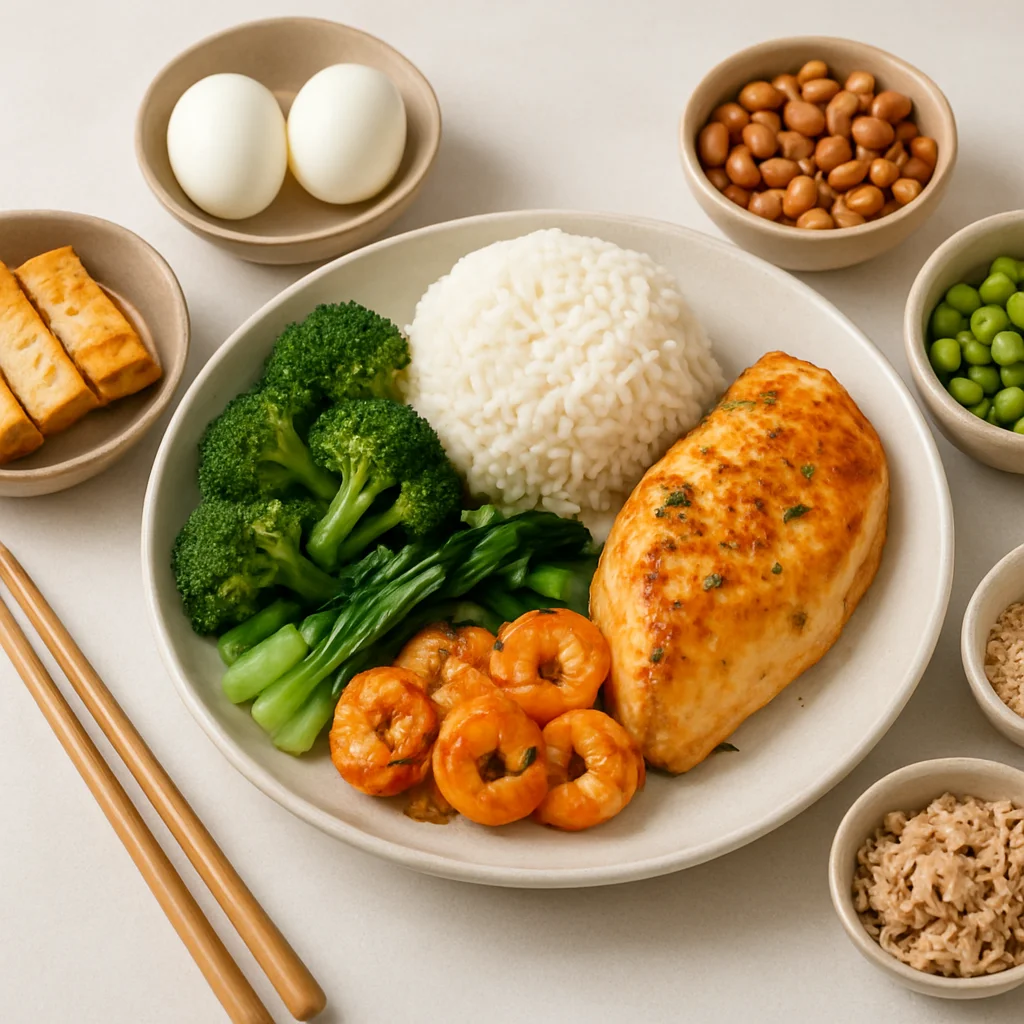
The easiest way to build a high-protein day is to use foods that are cheap, familiar, and easy to batch cook. Singapore gives you plenty of those if you know where to look.
Affordable animal protein options
These are the workhorses:
- Eggs: around S$2.80–S$4.50 for 10, depending on brand and size
- Chicken breast or thigh: often S$6–S$10 per kg in supermarkets, sometimes less at wet markets
- Dory, tenggiri, canned tuna, sardines: budget-friendly and easy to store
- Greek yogurt: look for plain unsweetened tubs at FairPrice or Cold Storage
- Milk / high-protein milk: useful if you want a quick add-on
Eggs are still one of the best-value foods around. Two whole eggs plus two egg whites gives you a solid protein hit without making the meal overly heavy. If you’ve ever tried to meal prep six days of egg whites and then questioned your life choices, you know why balance matters.
Chicken breast remains the default for many meal preppers because it’s predictable. But chicken thigh can be a better choice for some people because it stays juicier after reheating. That matters more than food influencers admit.
Plant-based protein that actually works
If you prefer more plant-forward meals, Singapore has good options:
- Tau kwa (firm tofu)
- Tempeh
- Edamame
- Soy milk
- Lentils
- Chickpeas
- Mixed beans
Tofu and tempeh are especially useful because they’re easy to season with local flavours. Tempeh sambal, tofu with soy sauce and sesame, or pan-seared tau kwa with garlic and chilli can all fit a high protein meal plan Singapore without feeling like punishment.
Seafood and local hawker-friendly protein
Fish is underrated in meal planning because people assume it must be expensive. It doesn’t have to be.
- Canned tuna: simple, portable, cheap
- Mackerel: rich in protein and omega-3 fats
- Tenggiri: common at wet markets, good for grilling or curry
- Prawns and squid: useful for quick stir-fries
- Steamed fish: great for family meals when you don’t want heavy oil
If you’re eating hawker food, look for fish soup, yong tau foo, economy rice with extra meat/fish, sliced fish bee hoon, or mixed rice with double protein. Ask for less rice, more vegetables, and gravy on the side when possible. Small requests, big difference.
[IMAGE: Singapore high-protein grocery haul with eggs, chicken, tofu, Greek yogurt, and fish. Alt text: Affordable high protein foods in Singapore supermarket shopping basket]
How to build a high-protein meal plan Singapore style
A solid meal plan doesn’t start with recipes. It starts with a structure you can repeat on busy days.
A simple formula works well:
- Protein: 25–40g per meal
- Vegetables: at least 1–2 fists
- Carbs: adjust to training and goals
- Fat: keep moderate, especially if cutting calories
For people managing insulin resistance or blood sugar swings, the order of eating can help a little too. Starting with protein and vegetables before starches may reduce post-meal glucose spikes for some people, especially when the meal is higher in fibre. It’s not magic. It just gives your body a less chaotic blood sugar ride.
Example breakfast
A practical breakfast for a high protein meal plan Singapore:
- 2 whole eggs
- 2 egg whites
- 1 slice wholemeal toast or 1 small chapati
- Tomato, cucumber, or sautéed spinach
- Black coffee or unsweetened tea
That lands around 25–30g protein, depending on portions. If you’re hungrier in the morning, add plain Greek yogurt or a piece of fruit.
Example lunch
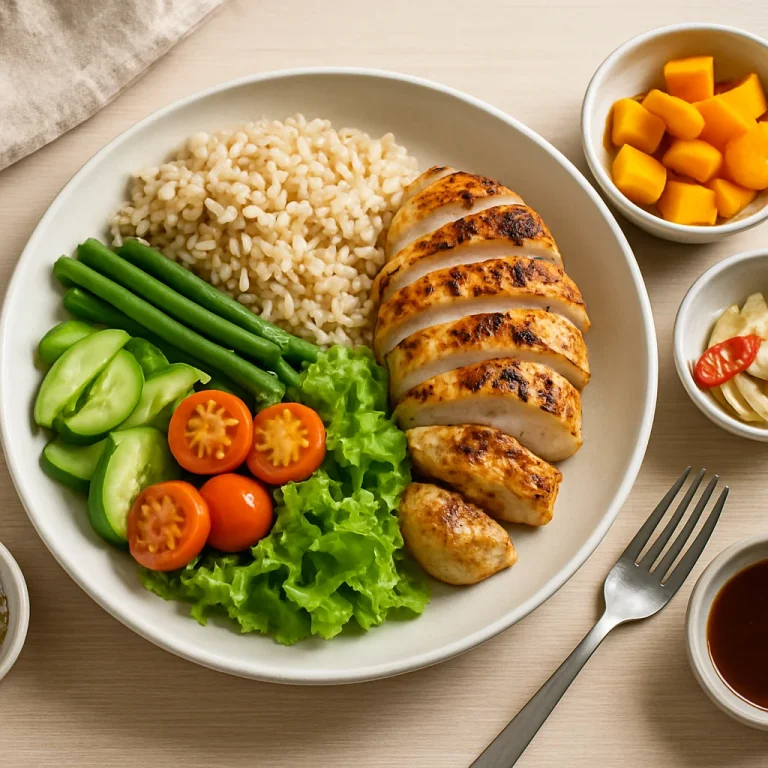
A lunch bowl could be:
- Grilled chicken thigh or breast
- Brown rice or white rice, controlled portion
- Stir-fried kai lan or broccoli
- Tofu cubes or edamame on the side
- Light soy, garlic, and chilli
This is the kind of meal that works for office workers because it reheats well and doesn’t get sad by 1pm. Rice is not the enemy. Oversized rice portions with too little protein are the usual problem.
Example dinner
For dinner, keep things simple:
- Steamed fish with ginger
- Tofu and mushrooms
- A smaller serving of rice or sweet potato
- Stir-fried leafy greens
This style is especially useful if you train in the evening. You get protein for recovery without a heavy, oily meal that makes sleep worse.
A one-day high-protein menu using local foods
Here’s a realistic day that fits a high protein meal plan Singapore setup.
Breakfast
- 2 eggs
- 2 egg whites
- 1 slice wholemeal bread
- 1 small banana
Approx protein: 24–28g
Lunch
- Chicken breast rice bowl
- 150g chicken breast
- 1 cup rice
- Cabbage, carrots, cucumber
- Light sauce
Approx protein: 35–40g
Snack
- Plain Greek yogurt
- 1 apple
- 1 tablespoon chia seeds
Approx protein: 15–18g
Dinner
- Steamed fish
- Tofu
- Stir-fried bok choy
- Small serving of rice
Approx protein: 30–35g
Optional evening snack
- Soy milk or a boiled egg
Approx protein: 7–10g
Total daily protein: roughly 110–130g. That’s enough for many active adults trying to lose fat while keeping muscle, assuming body size and energy needs are in that range.
If you want help turning that into a full weekly plan, [INTERNAL LINK: macro-based meal planning for Singapore families] is a useful next step.
Meal prep tips that save time and sanity
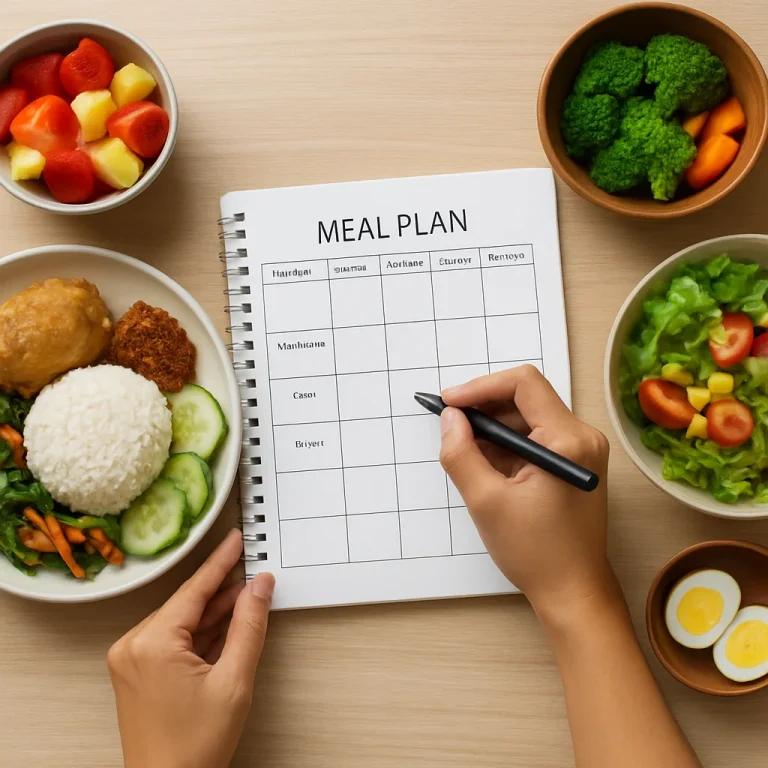
Meal prep doesn’t have to mean Sunday chaos and 18 containers. A smarter method is to prep ingredients, not just meals.
Here’s what works well in real kitchens:
- Cook 2 proteins at once, not 5
- Use one tray bake for chicken, tofu, and vegetables
- Batch-cook rice or sweet potato for 2–3 days
- Keep sauces separate so meals don’t get soggy
- Season differently using the same base ingredients
For example, one batch of chicken breast can become black pepper chicken, soy-garlic chicken, or curry chicken depending on the sauce. Same protein. Less boredom. Less food waste. Less “I can’t eat this again” at 9pm on Wednesday.
If you’re feeding a family, use shared base ingredients and change the seasoning at the end. That makes a high protein meal plan Singapore easier for everyone, especially when one person wants lower carbs and another wants more rice because they train hard.
[IMAGE: meal prep containers with chicken, tofu, rice, and vegetables. Alt text: High protein meal prep containers with local Singapore foods]
High protein meal plan Singapore for fat loss, muscle gain, and blood sugar control
Protein isn’t just for gym people who own shaker bottles. It serves different goals in different ways.
For fat loss
Protein helps reduce hunger, which makes calorie control easier. In practice, this means fewer random snacks and less “I’ll just have one biscuit” turning into six.
Good fat-loss habits:
- Prioritise protein at each meal
- Keep vegetables high
- Use measured rice portions
- Avoid drinking too many calories
A calorie deficit still matters most for fat loss. Protein just makes the deficit more tolerable.
For muscle gain or body recomposition
If you’re lifting weights, protein supports recovery and muscle building. Pair it with enough carbs to fuel training and enough total calories to support progress.
A useful setup is:
- Protein at every meal
- Carbs around workouts
- Fats moderate, not excessive
That matters because a high protein meal plan Singapore should support training performance, not leave you flat and grumpy by leg day.
For insulin resistance or prediabetes support
Protein and fibre can help steady meals, especially when paired with legumes, vegetables, and smaller refined-carb portions. But food quality and total energy intake still matter. You don’t need to eat like a monk with a spreadsheet, but you do need consistency.
Helpful habits:
- Choose whole grains when they suit you
- Add vegetables first
- Use beans, tofu, and fish often
- Limit sugary drinks and desserts
If you’re on medication for diabetes or have kidney issues, work with your healthcare team before making big protein changes. That’s not a formality. It matters.
Common mistakes people make
A lot of meal plans fail for very ordinary reasons.
- Too little protein at breakfast
- Too much sauce, oil, or gravy
- Only eating chicken breast until burnout hits
- Ignoring fibre
- Building meals that don’t fit family routines
- Using protein as a reason to overeat overall
Another common issue is assuming every meal has to be “clean” to count. Not true. A chicken rice meal with less rice, extra chicken, and vegetables can fit a good plan. A perfect meal you won’t eat again is less useful than a decent meal you’ll repeat.
Also, watch kidney health considerations. If you have chronic kidney disease or reduced kidney function, high-protein eating may need medical supervision. One size rarely fits all, and kidneys are not keen on being crowd-sourced.
A simple weekly structure you can repeat
If you want a system rather than random inspiration, use this weekly template:
- 2 chicken meals
- 2 fish meals
- 2 tofu/tempeh meals
- 1 legume-based meal
- 2–3 breakfast options
- 2 snack options
This keeps shopping simple and avoids decision fatigue. You can buy:
- Chicken breast or thigh
- Eggs
- Tofu and tempeh
- Canned tuna
- Fish from wet market
- Greek yogurt
- Veg like cai xin, broccoli, cucumber, tomato, spinach
- Rice, oats, sweet potatoes, wholemeal bread
- Fruit like bananas, apples, papaya, guava
Aim for 20g+ fibre daily, and if you can, push closer to 25–30g by including vegetables, legumes, and whole grains. Fibre helps satiety and supports gut health. It also makes meals less likely to feel like air dressed as food.
[INTERNAL LINK: high fibre meal ideas for blood sugar control]
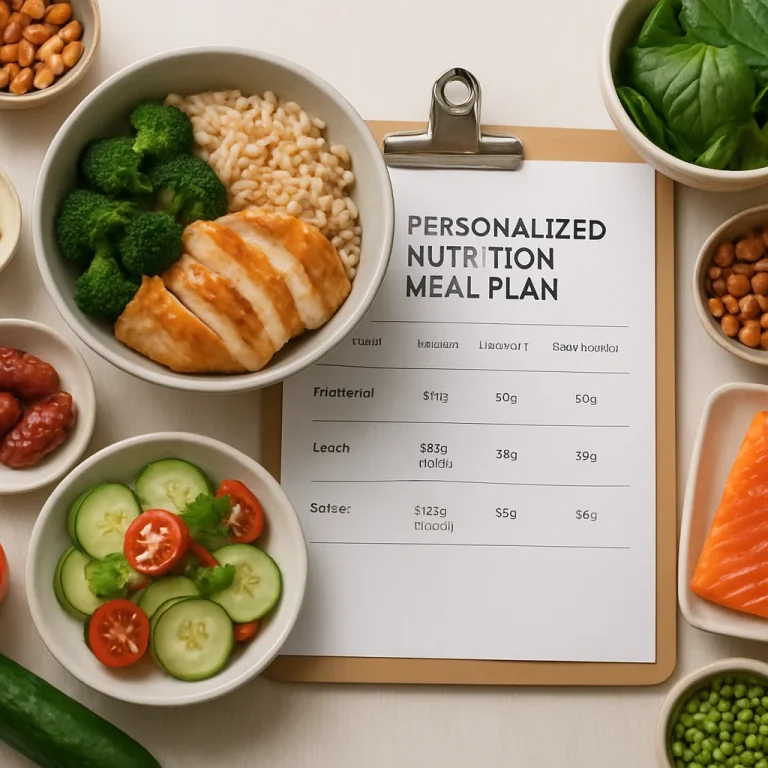
What a good meal-planning tool should do
Not all meal planners are built the same. A useful one should calculate calories from actual activity patterns, not a generic “moderate exercise” label that tells you almost nothing. It should also adjust macros as you drag meals around and show whether your protein target still holds.
For families, the best system keeps the same meal across members while changing portions. That’s how you avoid making three different dinners and losing your will to cook. For trainers, client management and branded PDF exports matter because paperwork should be efficient, not a second job.
That’s the idea behind KnowMeal: simple, local, practical planning for people who want results without eating like a robot. If that sounds like your kind of setup, it’s worth exploring.
FAQ
What is a good protein target for weight loss?
A common range is 1.6 to 2.2g per kg body weight per day, especially if you’re active. Higher protein helps with fullness and can reduce muscle loss during dieting. If you have kidney disease, check with a clinician first.
Can I build a high protein meal plan Singapore style on a budget?
Yes. Eggs, tofu, tempeh, canned tuna, chicken thigh, soy milk, and local fish can keep costs reasonable. Buying from wet markets and cooking in batches usually helps more than chasing expensive “fitness foods.”
Is chicken breast the only good protein choice?
No. Chicken breast is convenient, but chicken thigh, fish, eggs, tofu, tempeh, Greek yogurt, and legumes all work well. Variety also helps you stick with the plan longer.
How much fibre should I eat with a high protein diet?
Aim for at least 20g daily, and many adults do better around 25–30g. Add vegetables, fruit, oats, beans, and whole grains to keep digestion and appetite in a better place.
Can high protein meals help with blood sugar control?
They can help by slowing digestion and improving satiety, especially when paired with fibre and controlled carb portions. Still, total calorie intake, carb quality, activity, and medication all matter. Food is part of the picture, not the whole painting.
Do I need supplements to hit my protein goal?
Not necessarily. Many people can hit their target with regular food if meals are planned well. Supplements can be convenient, but whole foods should do most of the heavy lifting.
Final thoughts
A well-built high protein meal plan Singapore doesn’t need fancy ingredients or extreme rules. It needs enough protein, enough fibre, reasonable portions, and foods you’ll actually eat again next week.
Start with local staples, keep meals simple, and adjust portions around your training and health goals. If you want a meal plan that calculates your needs, supports family cooking, and makes macro tracking less annoying, KnowMeal can help you build it properly. [INTERNAL LINK: personalised meal planning platform]
Key Takeaways
- Protein improves fullness and muscle recovery.
- Local foods keep meal plans affordable.
- Aim for 25–40g protein per meal.
- Fibre should reach at least 20g daily.
- Family meals work best with shared bases.
- Kidney conditions need medical supervision.
Frequently Asked Questions
Q: What protein amount should I aim for daily?
Is a high protein meal plan Singapore expensive?
Can I do this if I don’t eat much meat?
Will protein help me feel less hungry?
What if I have high blood pressure or diabetes?
Can KnowMeal help with family meal prep?
Build your own **high protein meal plan Singapore** with KnowMeal and make meal prep simpler, smarter, and more consistent. Try it to get personalised macros, local whole-food meal ideas, and family-friendly planning that actually fits real life.