Meal Prep Planner for Families | Shared Meal Plan
meal prep planner for families
A meal prep planner for families helps everyone eat from the same base meals while still meeting different calorie and macro needs. The best systems are simple: plan shared proteins, vegetables, and carbs, then adjust portions per person instead of cooking separate dinners like a short-order chef with a rice cooker.
This guide shows you how to build a family meal prep system that works in real life. You’ll learn how to coordinate meals for different appetites, how to shop once for the week, how to keep prep practical, and how to use macros without turning dinner into a spreadsheet war.
Why a meal prep planner for families saves time, money, and sanity
A good family meal planner does more than list recipes. It reduces decision fatigue, cuts food waste, and keeps weekday meals from collapsing into last-minute takeaway. For families in Singapore, that matters because the easiest fallback is often hawker food or delivery, and while there’s nothing wrong with that, daily costs add up fast.
A simple home-cooked dinner for four can often stay around S$12–S$25 if you build it from affordable staples like eggs, tofu, chicken thigh, canned sardines, kai lan, cabbage, carrots, and brown rice. Compare that with four delivery meals at S$10–S$18 each, and the savings become obvious after one week, not one year.
The other win is consistency. Families trying to manage weight, blood sugar, or blood pressure usually do better with repeated meals they can tolerate and enjoy, rather than “health” meals nobody wants to eat twice. That’s why the best meal prep planner for families is flexible enough to handle a hungry teenager, a parent cutting back on carbs, and a grandparent who needs softer textures and lower salt.
[INTERNAL LINK: family meal planning basics]
What makes family meal prep different from solo meal prep?
Solo meal prep is about one person’s targets. Family meal prep has to balance different preferences, age groups, and schedules, often with one person doing most of the cooking.
That means the plan needs:
- Shared core meals
- Adjustable portions
- Simple storage
- One grocery list
- Low-friction reheating
If the plan requires three sauces, two pans, and perfect timing, it won’t survive Thursday.
Build a family meal plan around shared components
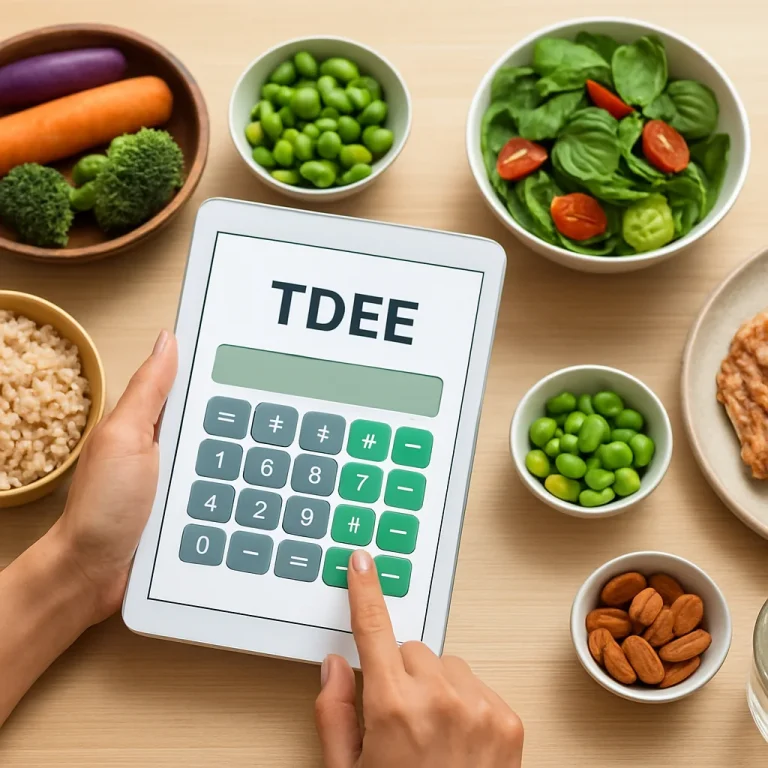
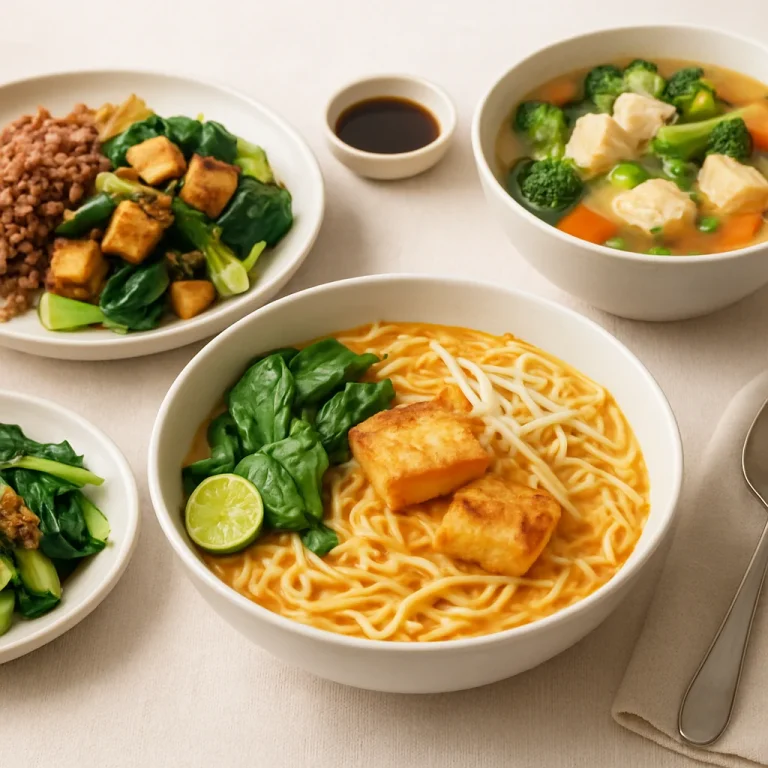
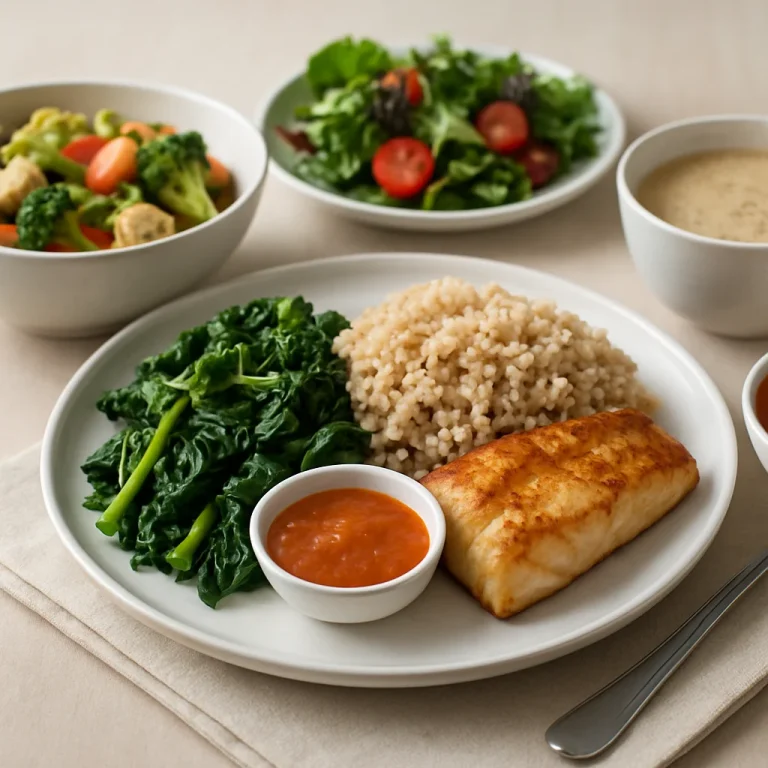
The easiest way to run a meal prep planner for families is to plan by components instead of full plated meals. Pick a protein, a vegetable, a carb, and one or two sauces or seasonings. Then mix and match across meals.
A practical example:
- Protein: soy-ginger chicken thigh, tofu, or steamed fish
- Vegetables: bok choy, cabbage, beansprouts, cucumber
- Carbs: jasmine rice, red rice, sweet potato, wholemeal bread
- Sauces: sambal, black pepper gravy, garlic soy, yogurt-lime dressing
This approach works because families don’t need five different dinners. They need one dinner that can be portioned differently. A child may eat more rice, an adult trying to lose weight may take more vegetables and protein, and someone managing blood sugar may keep carbs smaller and add extra fibre.
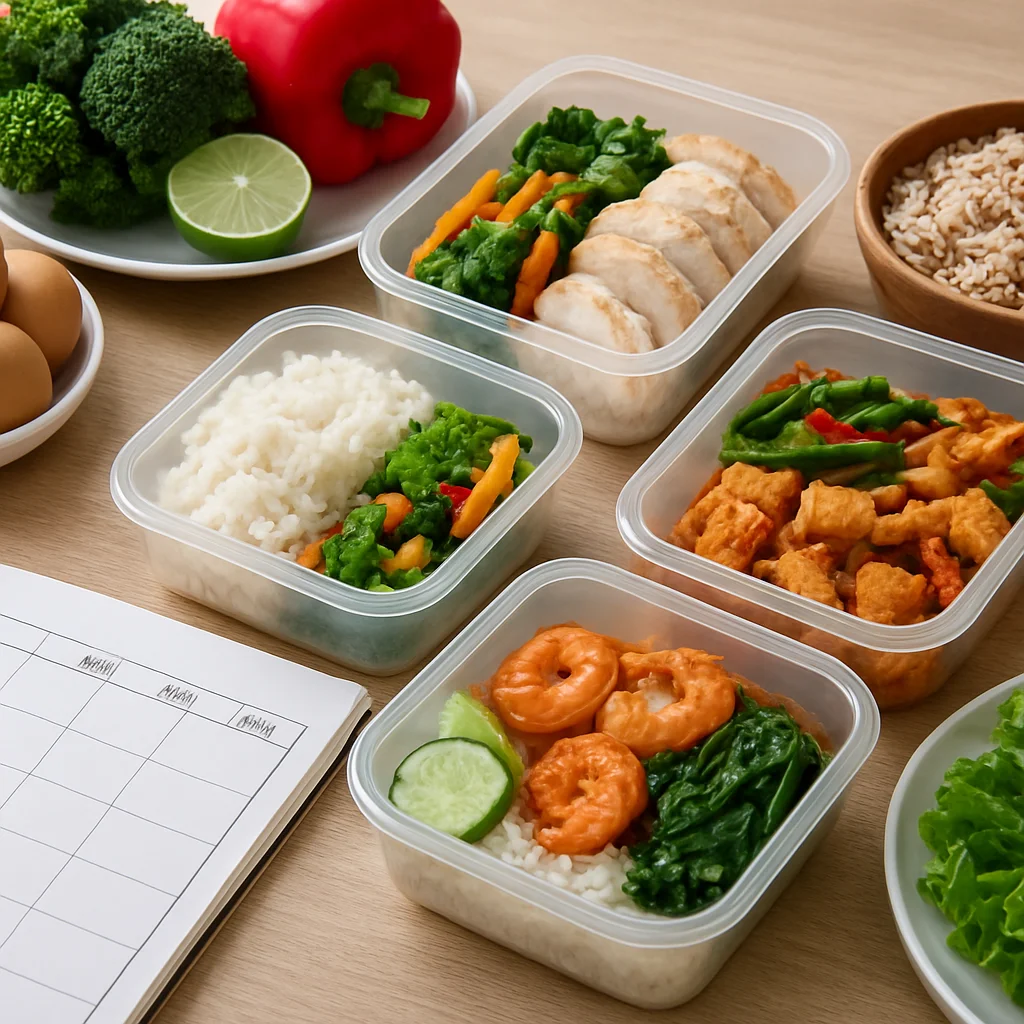
Here’s a real-world pattern I’ve seen work well: roast a tray of chicken thighs at 200°C for 25–30 minutes, steam two vegetables, and cook a pot of rice. That same base becomes rice bowls, lettuce wraps, and leftovers for lunch without forcing anyone to eat the same texture three days in a row. Texture fatigue is real.
[IMAGE: family meal prep containers on kitchen counter with rice, chicken, vegetables | alt text: Family meal prep containers with rice chicken and vegetables for shared weekly planning]
A simple family plate formula
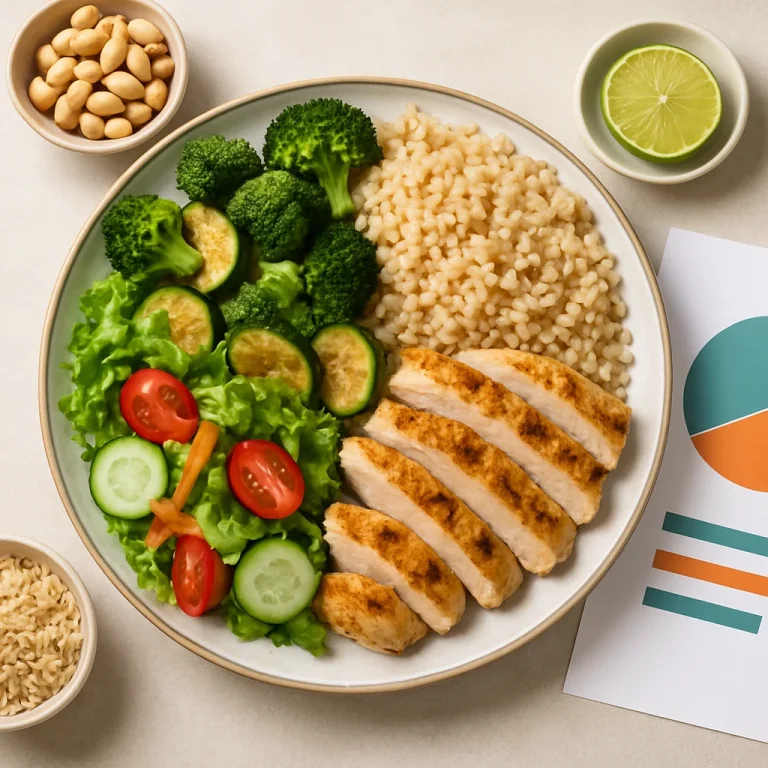
For most families, start with:
- 1 palm protein per adult
- 1–2 fists of vegetables
- 1 cupped hand of carbs
- 1 thumb of fat from oil, nuts, or avocado
For children, active adults, or anyone trying to gain muscle, carbs may be larger. For someone managing insulin resistance or weight loss, the plate may tilt toward more protein and vegetables with a smaller carb portion. This is one reason meal prep planner for families tools can be useful: they let you keep the same meal while adjusting portions cleanly.
How to meal plan for different family members without cooking twice
Family members rarely need completely different foods. They usually need different amounts and occasional substitutions. That’s a relief, because cooking twice is a fast path to burnout.
Start by grouping your household into simple needs:
- Kids or teens: more carbs, familiar flavours, simple textures
- Adults focusing on fat loss: higher protein, more fibre, measured carbs
- Older adults: softer textures, lower sodium, easier chewing
- Active family members: more total calories and carbs around training
You don’t need to turn dinner into a lab experiment. You do need enough structure to stop accidental under-eating or over-serving. For example, if one family member needs 1,800 kcal and another needs 2,400 kcal, the meal can still be the same chicken stir-fry. The difference is in rice portion, added snacks, and whether they take the extra egg.
A good meal prep planner for families also helps prevent the silent fridge problem: one person assumes there’s food, another assumes someone else cooked, and suddenly everyone is staring at condiments.
Macro basics for families, kept simple
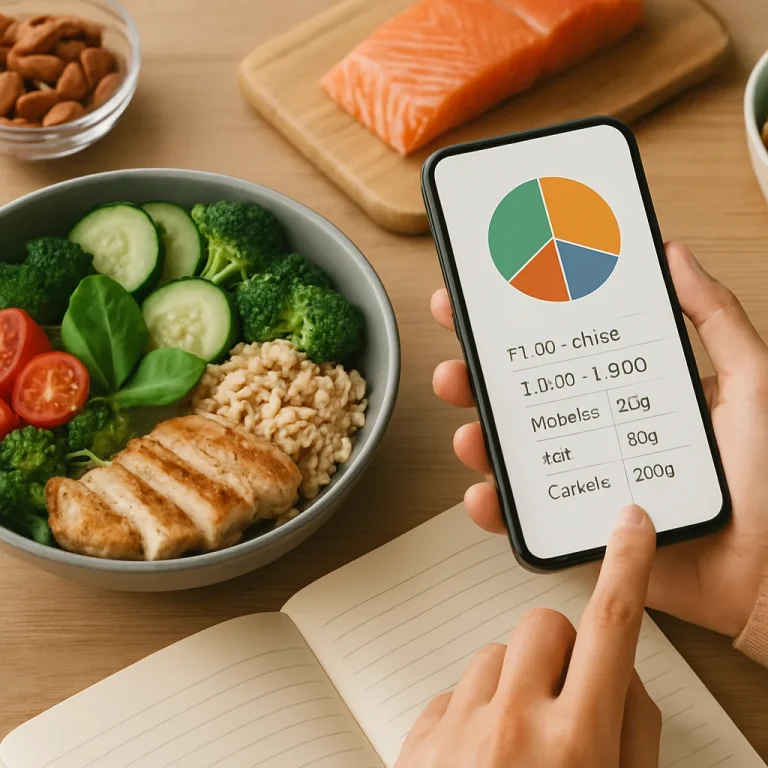
You don’t need to obsess over every gram to get value from macros. The short version:
- Protein supports muscle and satiety
- Carbs provide energy for work, school, and exercise
- Fat supports hormones and helps meals feel satisfying
If a family is trying to improve body composition, aim to include protein in every meal. For many adults, that means eggs at breakfast, chicken, fish, tofu, tempeh, Greek yogurt, or lean pork at lunch and dinner. A 2020 review in the British Journal of Sports Medicine supports higher-protein diets for preserving lean mass during weight loss, especially when paired with resistance training.
For blood sugar management, fibre matters too. Practical targets are 20g+ daily, and more is often better if digestion tolerates it. Add vegetables, chia, oats, legumes, edamame, and whole grains gradually. Go too hard too fast and your stomach will file a complaint.
A practical weekly workflow for shared grocery planning
The weekly workflow matters more than the recipe itself. A meal prep planner for families should make shopping and prep feel routine, not heroic.
Use this sequence:
- Choose 3 proteins for the week.
- Choose 4–6 vegetables with different textures.
- Choose 2 carb bases.
- Choose 2 sauces or flavour profiles.
- Check what’s already in the fridge.
- Write one grocery list only.
A sample Singapore grocery list might include:
- Chicken thigh, eggs, tofu
- Cai xin, cabbage, carrot, cucumber, frozen broccoli
- Jasmine rice, sweet potatoes, wholemeal bread
- Garlic, ginger, spring onion, black pepper
- Low-sodium soy sauce, canned tomatoes, plain yogurt
You can buy many of these at NTUC FairPrice, Sheng Siong, Cold Storage, or a neighbourhood wet market. Wet markets often give better value on leafy vegetables and fish, while supermarkets are better for consistency and packaged staples. I’ve seen cabbage priced around S$1.50–S$3.00 a head depending on size and outlet, which is exactly why shopping seasonally matters.
Batch prep without turning Sunday into punishment
Batch prep should be light enough to repeat. A realistic weekly session might take 60–90 minutes:
- 20 minutes washing and chopping
- 25 minutes cooking protein
- 15 minutes cooking carb base
- 15 minutes steaming or stir-frying vegetables
- 10 minutes portioning and labeling
Keep one cutting board for raw protein and another for vegetables if you can. It’s not glamorous, but neither is food poisoning.
[IMAGE: ingredients laid out for weekly meal prep in Singapore kitchen | alt text: Weekly meal prep ingredients laid out for family grocery planning in Singapore]
How to keep everyone eating the same meal at the same time
Family mode works best when the meal is built around one shared base, not separate dishes with different pans and timings. This is one of the strongest advantages of a meal prep planner for families: you can align the meal, then personalize portions.
Here’s how to do it:
- Cook one protein in a mild seasoning
- Add sauces at the table
- Use bowls or segmented containers
- Let each person build their portion
For example, if you cook minced chicken with garlic, onion, and tomato, one person can eat it over rice, another in lettuce cups, and another with extra vegetables and less rice. Same shopping list. Same cooking session. Less chaos.
This style also suits family members with health concerns. Someone managing high blood pressure can skip extra soy sauce. Someone with insulin resistance can reduce rice and add more vegetables. Someone trying to gain muscle can add an extra egg or larger serving of chicken.
Adjusting for insulin resistance and blood pressure
Families often have mixed goals, especially when one person is watching glucose and another is watching sodium. The fix is not separate cooking. It’s smarter defaults.
Helpful adjustments include:
- Use low-sodium soy sauce
- Flavor with garlic, ginger, lime, chili, and herbs
- Add fibre-rich vegetables first
- Keep sugary sauces as optional, not automatic
- Pair carbs with protein and vegetables
For blood pressure, the American Heart Association recommends limiting sodium, and in practice that means being careful with processed sauces, instant seasoning packets, and high-salt soups. For insulin resistance, a more balanced plate and consistent meal timing often works better than extreme carb bans that people quit by Wednesday.
Example 3-day family meal prep plan
Here’s a simple sample that keeps prep manageable and uses overlapping ingredients. It’s not fancy. It is repeatable, which is the point.
Day 1
Lunch: Chicken rice bowl with cucumber and sautéed kailan Dinner: Tofu and egg stir-fry with brown rice Snack: Papaya or apple slices
Day 2
Lunch: Minced chicken lettuce wraps with sweet potato Dinner: Steamed fish, cabbage, and rice Snack: Yogurt or boiled eggs
Day 3
Lunch: Leftover fish rice bowl with beansprouts and carrots Dinner: Beef or chicken vegetable soup with wholemeal bread Snack: Peanuts or edamame in controlled portions
This kind of plan lets you reuse ingredients without feeling like you’re eating the exact same thing on a loop. There’s enough variation to keep the family on board, but not so much variety that shopping becomes a scavenger hunt.
If you want to make this easier, try using a digital planner that supports shared groceries and portion adjustments. That’s where a meal prep planner for families becomes more than a notes app with optimism.
Common mistakes families make with meal prep
The biggest mistake is planning for a fantasy version of the week. Real families deal with overtime, tuition, sports, fatigue, and the occasional “I’m not eating that” from the smallest household dictator.
Watch out for these:
- Too many recipes, not enough overlap
- No backup meals for busy nights
- Overbuying produce that spoils quickly
- Ignoring snack planning
- Cooking meals nobody actually likes
Another mistake is trying to make every meal perfectly healthy, which usually means meals become joyless and unsustainable. A better target is mostly whole foods, mostly at home, most of the time. That leaves room for hawker meals, birthdays, and the kind of life that includes school pickups and Monday traffic.
A note on kidney health and family planning
If someone in the family has kidney disease or reduced kidney function, protein and potassium needs may differ a lot from standard guidance. That person should follow their clinician’s advice, not generic internet advice, including mine. A family meal prep planner for families can still help, but the portions and ingredients may need medical tailoring.
How KnowMeal fits family meal planning
KnowMeal is built for families who want a more structured system without making meal prep complicated. It supports shared planning, macro-based portions, and meal coordination so one person doesn’t have to manually juggle everyone’s needs.
That matters because family meal planning is often less about “what should we eat?” and more about “how do we make one dinner work for four people with different goals?” KnowMeal’s shared grocery management and family mode are designed for exactly that. It also helps when you want one meal plan with adjustable portions rather than separate spreadsheets for each person.
[INTERNAL LINK: personalised family meal planning]
When a structured planner is worth it
A planning tool is useful if:
- You cook for 3–5 people
- You want shared grocery lists
- You’re managing weight or blood sugar
- You need repeatable weekly meals
- You’d rather save time than reinvent dinner
If that sounds familiar, a meal prep planner for families can save more than time. It can reduce the daily mental load of feeding people, which is a very underappreciated household task.
FAQ: meal prep planner for families
Q: How many meals should I prep for a family each week?
A: Most families do well with 3–5 core dinners and leftovers for lunches. That gives enough variety without making grocery shopping or cooking too complicated. Start smaller if your schedule is already packed.
Q: What foods are best for family meal prep in Singapore?
A: Affordable staples like eggs, chicken thigh, tofu, cabbage, kai lan, cucumber, sweet potato, and rice work well. They’re easy to find at NTUC FairPrice, Sheng Siong, wet markets, and many neighborhood shops. They also reheat better than delicate dishes.
Q: How do I meal prep for picky eaters?
A: Keep the base meal simple and let people add sauces, toppings, or sides. If one child hates vegetables mixed into the dish, serve them on the side. That tiny bit of flexibility prevents a lot of table drama.
Q: Can family meal prep help with weight loss?
A: Yes, because it makes portions more predictable and reduces random snacking or takeaway. The key is balancing protein, fibre, and portions, not starving anyone. A shared meal plan makes consistency easier.
Q: Is it okay if family members eat different portions?
A: Absolutely. The same meal can support different goals when portion sizes change. That’s one of the smartest ways to keep family cooking efficient without forcing everyone into the same calorie target.
Q: How do I keep family meal prep from getting boring?
A: Rotate flavours, not entire cooking systems. Use different sauces, herbs, spice blends, and carb bases while keeping the same core ingredients. That keeps prep efficient and meals more appealing.
Key takeaways
- Shared meals beat separate cooking.
- Portion size solves most differences.
- Weekly overlap saves time and money.
- Protein, fibre, and simple carbs matter.
- Flexible planning prevents weekday chaos.
- One grocery list keeps things practical.
PRIMARY CTA
If you want a meal prep planner for families that handles shared groceries, portions, and health goals without the spreadsheet headache, try KnowMeal. Build one family plan, adjust servings for each person, and make weeknight dinners easier to manage.
Key Takeaways
- Shared components make family cooking easier.
- Portion adjustments solve different calorie needs.
- Protein and fibre should anchor every meal.
- Batch prep works best in 60–90 minutes.
- One grocery list reduces waste and stress.
- Flexible planning beats perfect planning.
Frequently Asked Questions
Q: How many meals should I prep for a family each week?
What foods are best for family meal prep in Singapore?
How do I meal prep for picky eaters?
Can family meal prep help with weight loss?
Is it okay if family members eat different portions?
How do I keep family meal prep from getting boring?
Ready to make family meals simpler? Start with KnowMeal and build a shared meal plan that keeps groceries, portions, and macros in one place. Try it and cut the weekly dinner scramble down to size.