Affordable Healthy Meals Singapore | Budget Meal Ideas
affordable healthy meals Singapore
Affordable healthy meals Singapore can absolutely be high-protein, filling, and practical without depending on expensive “health” products. If you buy the right proteins, vegetables, and pantry staples from places like FairPrice, Sheng Siong, Giant, and wet markets, you can build balanced meals that support weight loss, muscle gain, and blood sugar control.
This article shows you what to buy, what it costs, and how to turn budget ingredients into real meals people actually want to eat. You’ll learn how to shop for low-cost proteins, affordable vegetables, carbs that won’t wreck your budget, and pantry staples that make meal prep easier across Singapore and Southeast Asia.
Why affordable healthy eating works better than “clean eating”
The cheapest healthy meals are usually the simplest ones. Rice, eggs, tofu, chicken thigh, canned tuna, cabbage, kangkong, oats, and frozen vegetables can cover most nutrition needs if portions are planned well.
I’ve seen too many people spend more money on “fit” snacks, imported granola, and protein bars than on proper lunch and dinner ingredients. That gets old fast, and your wallet notices before your waistline does.
For weight management, the basics matter most:
- Protein helps preserve muscle and improves fullness.
- Carbs give energy for work, training, and daily life.
- Fat supports hormones and helps meals taste satisfying.
- Fibre helps digestion and blood sugar stability.
A useful target for many adults is 20g+ fibre daily, and that’s very achievable with vegetables, legumes, oats, and whole grains. If you’re managing insulin resistance or prediabetes, the overall meal pattern matters more than chasing one “superfood.”
[INTERNAL LINK: How to set calories and macros for fat loss]
What makes a meal affordable in Singapore?
A meal is affordable when it gives you enough protein and volume without relying on premium ingredients. In Singapore, the best-value options are usually:
- Eggs at roughly S$3.50–S$6.00 for a tray, depending on brand and size
- Tofu at about S$1.20–S$2.50 per block
- Chicken thigh or breast often around S$7–S$12/kg at wet markets or promotions
- Canned tuna around S$1.20–S$2.50 per can, depending on brand and type
- Cabbage, kangkong, bean sprouts, carrots as low-cost vegetables with good yield
Prices move around, of course. Promos at FairPrice or Sheng Siong can shift things quickly, and wet markets are often cheaper in the morning than late afternoon. If you’ve ever bought “healthy” berries at full price in Singapore, you already know this country has opinions about food inflation.
Low-cost proteins that actually work
Protein is the anchor. If you get this right, the rest becomes much easier.
Best budget protein sources in Singapore
Here are the most practical options I use again and again when building affordable healthy meals Singapore style:
- Eggs: easy, versatile, and fast
- Tofu: soft tofu, firm tofu, tau kwa
- Chicken thigh: cheaper than breast, still high in protein
- Chicken breast: useful for lower-fat meal plans
- Canned tuna or sardines: shelf-stable and fast
- Tempeh: high-protein, good texture, affordable
- Greek yogurt / high-protein yogurt: use selectively if budget allows
- Frozen edamame: useful but usually pricier than tofu or eggs
Chicken thigh is often the best compromise for taste and cost. It stays juicy after reheating, which is important because dry chicken breast can feel like punishment disguised as meal prep.
Smart protein buying tips
A few practical habits save money:
- Buy family packs and portion them at home
- Choose bone-in cuts when price matters more than convenience
- Rotate between animal and plant proteins
- Check unit price per 100g, not just pack price
- Use canned fish for emergency meals, not every meal
For kidney health concerns, protein should be personalised. If someone has diagnosed kidney disease, protein targets should be reviewed with a medical professional. This article is informational only, not medical advice.
[IMAGE: Affordable protein tray with eggs, tofu, chicken thighs, and canned tuna — alt text: Budget-friendly protein sources for healthy meals in Singapore]
Vegetables that stretch meals and keep fibre up
Vegetables are where affordable healthy meals Singapore really shine. They add volume, micronutrients, and fibre without blowing the budget.
Best-value vegetables
These tend to be affordable, easy to find, and simple to cook:
- Cabbage
- Kangkong
- Choy sum
- Bean sprouts
- Carrots
- Cucumber
- Bok choy
- Tomatoes
- Frozen mixed vegetables
- Okra
Cabbage is one of the best bargains. It lasts longer than leafy greens and works in stir-fries, soups, slaws, and fried rice. Kangkong and bean sprouts are cheap, fast-cooking, and very local. Frozen vegetables are underrated too; they’re often picked and packed quickly, which helps preserve quality.
Easy ways to cook more vegetables
You don’t need fancy recipes. Try:
- Stir-fry with garlic and a teaspoon of oil
- Soup with tofu and vegetables
- Add extra veg to omelette fillings
- Steam and top with soy sauce and sesame oil
- Mix into fried rice or noodles to increase volume
If blood pressure is a concern, go easy on sauces like oyster sauce, kecap manis, and sambal-heavy mixes. They taste great, but sodium adds up faster than most people expect.
[INTERNAL LINK: Low-sodium meal planning for high blood pressure]
Budget carbs that support energy and fullness
Carbs get blamed for too much. Then people end up hungry, cranky, and staring at the pantry at 10 p.m. The better question is which carbs are affordable, filling, and easy to portion.
Good low-cost carb options
These are some of the most useful:
- Rice: white, brown, or mixed-grain
- Oats
- Sweet potatoes
- Wholemeal bread
- Wholegrain noodles
- Pasta
- Corn
- Pumpkin
- Bananas
Rice remains the backbone of many Southeast Asian meals, and that’s fine. The trick is portioning it properly and pairing it with enough protein and vegetables. For some people with insulin resistance, smaller rice portions plus more vegetables and protein work well. There’s no need to fear rice like it owes you money.
How to portion carbs without overthinking
A simple starting point:
- 1 fist of rice or noodles for a lighter meal
- 1 to 2 fists for more active individuals
- Add more vegetables first if hunger is high
- Keep sauces moderate
If you train hard, walk a lot, or have an active job, carbs are not the enemy. They’re fuel. The goal is to match intake to activity, not eat like a marathoner on rest day unless you actually are one.
Pantry staples that make cheap healthy cooking easier
The cheapest meal plan is the one you can repeat. That means keeping the right pantry items on hand.
Worth keeping at home
These staples make cooking faster and more consistent:
- Soy sauce
- Light oyster sauce
- Black pepper
- Garlic
- Onions
- Canned tomatoes
- Tomato paste
- Cooking oil
- Oats
- Brown rice or jasmine rice
- Salt, in moderation
A little seasoning goes a long way. The difference between “healthy but sad” and “healthy but I’d eat this again” is often just garlic, pepper, and not overcooking the vegetables into submission.
The best cheap flavour boosters
If you want meals that taste good without spiking the budget:
- Garlic and ginger
- Calamansi or lime
- Chili flakes
- Curry powder
- Five-spice powder
- Toasted sesame seeds, used sparingly
These are useful because they turn basic ingredients into meals with personality. That matters when you’re cooking the same five items every week.
[IMAGE: Simple pantry staples arranged on a kitchen counter — alt text: Affordable pantry essentials for healthy meal prep in Singapore]
Sample affordable healthy meals Singapore families can make
These are the kinds of meals that actually fit a weekday routine. They use local ingredients, are easy to scale, and don’t demand chef-level energy after work.
1) Chicken, cabbage, and rice bowl
Ingredients
- Chicken thigh slices
- Cabbage
- Garlic
- Rice
- Soy sauce
Why it works This gives you protein, fibre, and enough carbs for a proper meal. Cabbage bulks the dish up cheaply, and chicken thigh stays tender after reheating.
Rough cost Often around S$2.50–S$4.00 per serving, depending on chicken price and portion size.
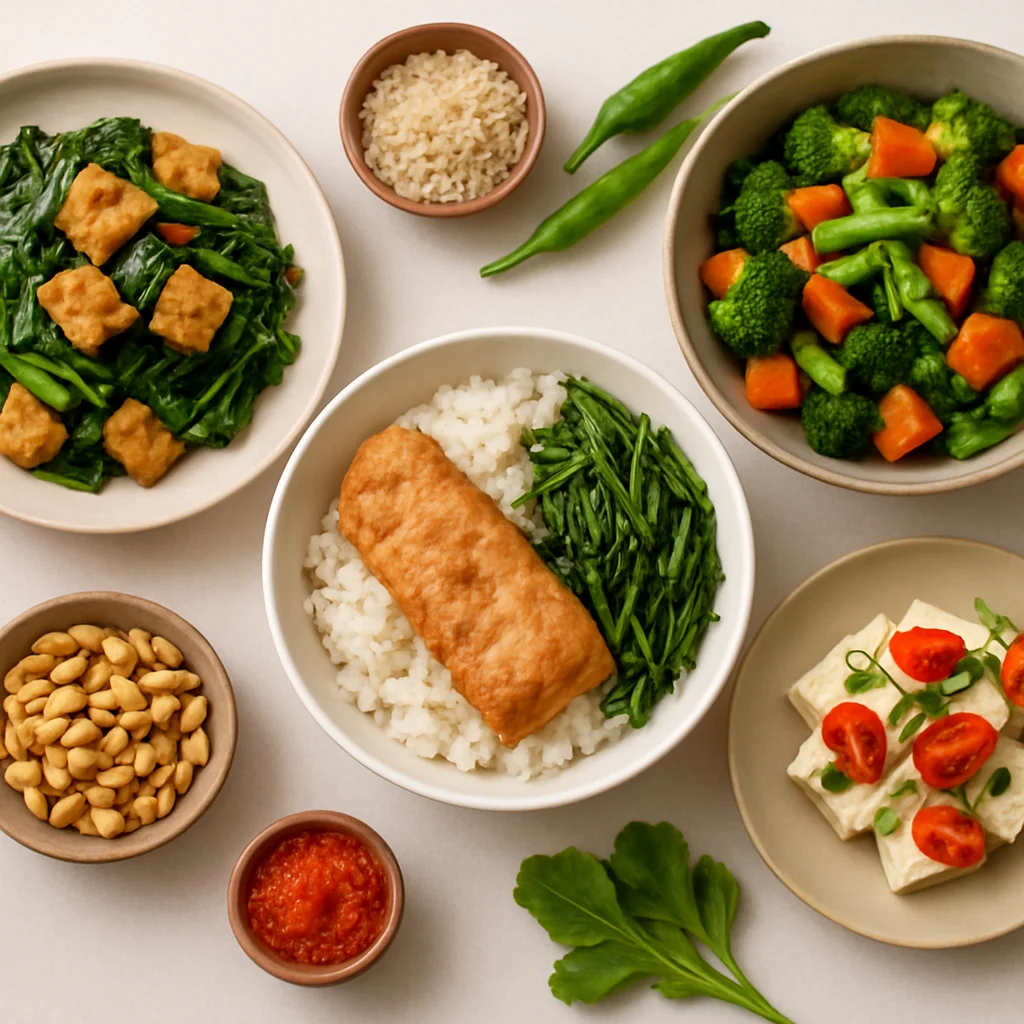
2) Tofu, egg, and kangkong stir-fry
Ingredients
- Firm tofu or tau kwa
- Eggs
- Kangkong
- Garlic
- A small amount of oil
Why it works This is very budget-friendly, high in protein, and fast. It’s also a good option for days when you don’t feel like cooking meat.
3) Tuna tomato pasta with vegetables
Ingredients
- Canned tuna
- Wholemeal pasta
- Canned tomatoes
- Onion
- Carrot or frozen veg
Why it works This stores well and is easy to prep in bulk. It’s also a useful office lunch option because it tastes fine after reheating, which is more than can be said for some “meal prep” experiments.
4) Oats with eggs and fruit
Ingredients
- Rolled oats
- Eggs
- Banana or apple
- Peanut butter, optional
Why it works A budget breakfast or even dinner if you’re in a rush. Oats support fibre intake, and eggs keep protein up.
5) Sardine cucumber rice plate
Ingredients
- Canned sardines
- Rice
- Cucumber
- Tomato
- Lime
Why it works Cheap, quick, and surprisingly balanced. Sardines also give useful omega-3 fats, though sodium can be high, so check the label.
[INTERNAL LINK: High-protein meal prep ideas for busy weekdays]
Meal prep tips that save time and money
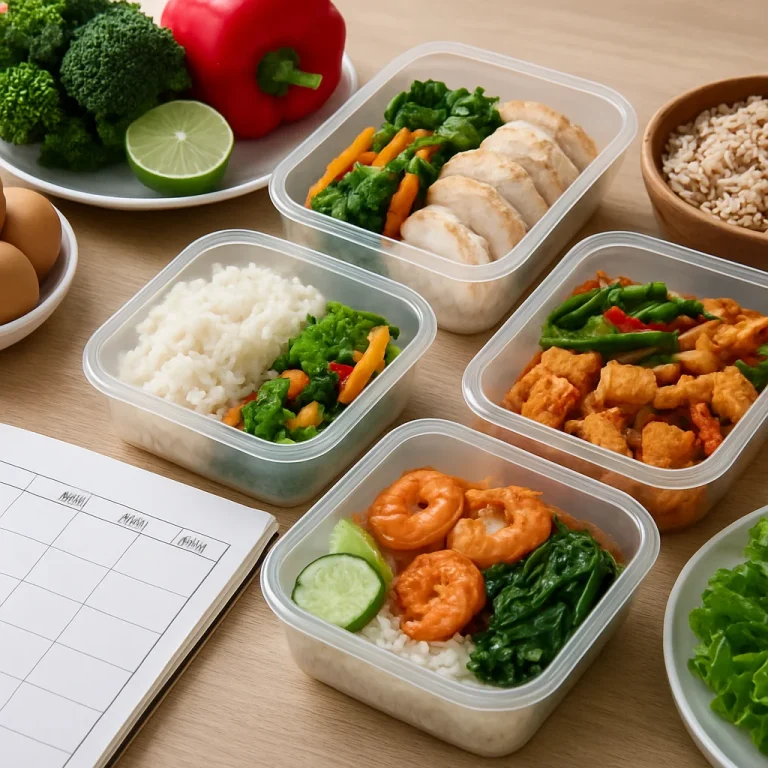
The first time you batch cook, it may feel like you’ve chosen a part-time job. After two or three weeks, it becomes normal.
Practical prep system
Try this:
- Cook 2 proteins for the week
- Prep 2 vegetables
- Make 1 carb base
- Keep 1 backup meal in the freezer or pantry
For example:
- Protein: chicken thigh + tofu
- Vegetables: cabbage + bok choy
- Carb: rice
- Backup: canned tuna pasta
This lowers decision fatigue. It also reduces food waste, which is where a lot of “budget” eating quietly stops being budget.
Storage and food safety
Cooked food generally keeps 3–4 days in the fridge if handled properly. Rice should be cooled quickly and stored safely, especially in Singapore’s warm climate, to reduce food safety risks. Reheat thoroughly until steaming hot.
If you meal prep for a family, use a shared grocery list and plan around one main dinner format. KnowMeal’s family mode is built for exactly this kind of routine: same meal, easier cooking, fewer complaints, less “I thought we had leftovers.”
How to build a cheap meal plan for weight loss
Weight loss doesn’t require expensive ingredients. It requires consistency, a calorie target, and meals that keep you full enough to stick with the plan.
A simple formula
Each meal should include:
- 1 palm of protein
- 1–2 fists of vegetables
- 1 cupped hand of carbs
- 1 thumb of fat
That’s a good visual starting point for many people. If your body recomposition goal includes building muscle, increase protein and keep meals spread through the day.
Common mistakes
I see these often:
- Buying too little protein and getting hungry
- Depending on salads that don’t fill you up
- Using too much oil “because it’s healthy”
- Overbuying produce and throwing half away
- Choosing expensive convenience foods over simple home cooking
If you have insulin resistance, a helpful approach is usually to keep meals protein-forward, add fibre, and avoid sugary drinks. That doesn’t mean never eating rice, noodles, or fruit. It means balancing portions and timing.
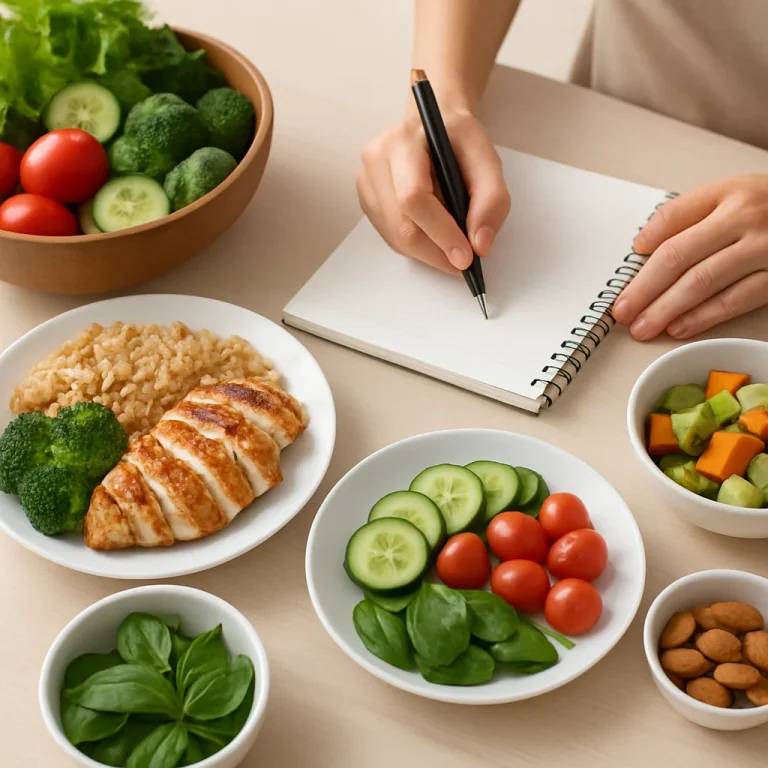
[IMAGE: Simple plate method with rice, chicken, and vegetables — alt text: Balanced affordable meal for weight loss in Singapore]
Sample 3-day affordable meal structure
Here’s a basic framework using affordable healthy meals Singapore ingredients.
Day 1
- Breakfast: oats, banana, eggs
- Lunch: chicken cabbage rice bowl
- Dinner: tofu and bok choy with rice
Day 2
- Breakfast: wholemeal toast, eggs, cucumber
- Lunch: tuna tomato pasta with vegetables
- Dinner: sardine rice plate with tomato and greens
Day 3
- Breakfast: oats with peanut butter and fruit
- Lunch: chicken stir-fry with kangkong and rice
- Dinner: egg tofu soup with vegetables and sweet potato
This kind of rotation keeps shopping simple. It also makes it easier to track calories and macros without needing a spreadsheet that looks like tax season.
When budget food still needs a personalised plan
Not every healthy meal plan should look the same. A retired senior with lower appetite, a father trying to lose belly fat, and a personal trainer’s client trying to build muscle will need different calorie and protein targets.
That’s where personalised planning helps. KnowMeal uses TDEE-based calorie targeting and macro-optimised meal plans so you can match meals to your actual life, not a generic template. It also supports family meal planning, shared grocery lists, and drag-and-drop meal swaps with real-time macro updates.
If you want a practical way to keep food affordable while still hitting health goals, that’s the part to look at. The tool should simplify your week, not create another app you have to “manage.”
FAQ
What are the cheapest healthy foods in Singapore?
Eggs, tofu, chicken thigh, cabbage, kangkong, oats, rice, and canned tuna are usually the best value. They’re easy to find in FairPrice, Sheng Siong, Giant, and wet markets.
Can I eat affordably and still lose weight?
Yes. Weight loss depends on calorie intake, protein, and consistency more than expensive ingredients. A budget meal plan with enough protein and vegetables usually works better than random “healthy” snacks.
Are rice and noodles okay for healthy eating?
Yes, when portioned properly and paired with protein and vegetables. If you have insulin resistance or prediabetes, smaller carb portions and more fibre can help with blood sugar control.
How much protein should I aim for?
It depends on your body size, activity level, and goal. Many people do well with protein spread across meals, but kidney health conditions need individual medical guidance. This article is informational only, not medical advice.
What’s a realistic budget for healthy meals in Singapore?
It varies, but home-cooked meals can often be kept around S$2.50–S$5.00 per serving depending on protein choices and portion sizes. Promotions, wet market prices, and family pack buying can lower costs further.
How can I make meal prep less boring?
Use a few reliable sauces and rotate proteins, vegetables, and carb bases. Small changes like garlic, ginger, lime, curry powder, or chili flakes can make the same ingredients feel new without adding much cost.
Key Takeaways
- Cheap meals can still be high-protein.
- Eggs, tofu, and chicken are budget winners.
- Cabbage and kangkong stretch meals well.
- Rice works when portions are planned.
- Pantry staples reduce cooking stress.
- Meal prep saves money and decision fatigue.
- Personalised macros help match real goals.
Primary CTA
If you want affordable healthy meals Singapore residents can actually stick to, try KnowMeal’s personalised meal planning. Build calorie-aware, macro-balanced meal plans for yourself or your whole family, and make healthy eating simpler this week.
Disclaimer: This content is for informational purposes only and is not medical advice. For diagnosed conditions such as diabetes, kidney disease, hypertension, or other medical concerns, please consult a qualified healthcare professional.
Key Takeaways
- Cheap meals can still be high-protein.
- Budget proteins anchor better meal plans.
- Fibre-rich veg improves fullness and health.
- Rice is fine with smart portions.
- Meal prep reduces waste and spending.
- Personalised macros beat generic diet rules.
Frequently Asked Questions
Q: What are the cheapest healthy foods in Singapore?
Can I eat affordably and still lose weight?
Are rice and noodles okay for healthy eating?
How much protein should I aim for?
What’s a realistic budget for healthy meals in Singapore?
How do I make meal prep less boring?
Want a meal plan that fits your budget, goals, and family routine? Use KnowMeal to generate personalised, macro-based meals with Singapore-friendly ingredients and easier grocery planning.