Beginner’s Guide to Meal Prep for Busy Weekdays
Meal prep for beginners does not need to be complicated, restrictive, or time-consuming. If your weekdays are packed with work, family, school runs, or gym sessions, a simple meal prep routine can help you eat better, save money, and reduce decision fatigue without spending your whole Sunday in the kitchen.
This guide walks you through the basics of meal prep for beginners, from choosing meals and portioning ingredients to storing food safely and building a routine you can actually stick to. Whether your goal is fat loss, muscle gain, or just making healthy eating easier, you’ll learn how to keep things practical and sustainable.
Table of Contents
- What Is Meal Prep?
- Why Meal Prep Works for Busy Weekdays
- How to Start Meal Prep for Beginners
- Best Foods for Simple Meal Prep
- Step-by-Step Meal Prep System
- Portioning, Calories, and Macros
- Storage and Food Safety Tips
- Budget-Friendly Meal Prep Tips
- Sample Meal Prep Plan for a Busy Week
- Common Meal Prep Mistakes to Avoid
- Conclusion
What Is Meal Prep?
Meal prep simply means planning, cooking, or assembling meals ahead of time so your future self has less work to do. For some people, it means cooking full lunches and dinners for the week. For others, it means prepping ingredients like washed vegetables, cooked rice, marinated proteins, or overnight oats.
The best approach depends on your schedule, food preferences, and goals. There is no single “correct” way to do it. The main idea is to make healthy eating easier when life gets busy.
Why Meal Prep Works for Busy Weekdays
Meal prep for beginners works because it reduces the number of decisions you need to make each day. When you are tired or rushed, you are more likely to order takeout, skip meals, or grab snacks that do not keep you full for long.
- Saves time: You cook once and eat multiple times.
- Reduces stress: Fewer “What’s for dinner?” moments.
- Supports health goals: Easier to stay consistent with calories and macros.
- Can save money: Less food waste and fewer last-minute purchases.
- Improves consistency: Helpful for fat loss, muscle gain, and family meal routines.
If you want a broader system for planning your week, [LINK_TO: How to Build a Simple Weekly Meal Planning System That Saves Time and Reduces Stress] pairs well with meal prep and helps you stay organised.
How to Start Meal Prep for Beginners
If you are new to meal prep for beginners, start small. You do not need to prep breakfast, lunch, dinner, and snacks all at once. Begin with one meal, one day, or one protein source.
Start with one simple goal
Choose a realistic target, such as preparing weekday lunches or having two ready-to-eat dinners in the fridge. Success comes from consistency, not perfection.
Pick meals you already enjoy
Do not force yourself into complicated recipes. Use familiar meals like chicken rice bowls, stir-fried vegetables with tofu, lean beef with sweet potatoes, or salmon with mixed greens. The easier the meal, the more likely you are to repeat it.
Choose a prep style that fits your life
- Full meal prep: Cook complete meals in advance.
- Ingredient prep: Wash, chop, and portion ingredients for quick cooking.
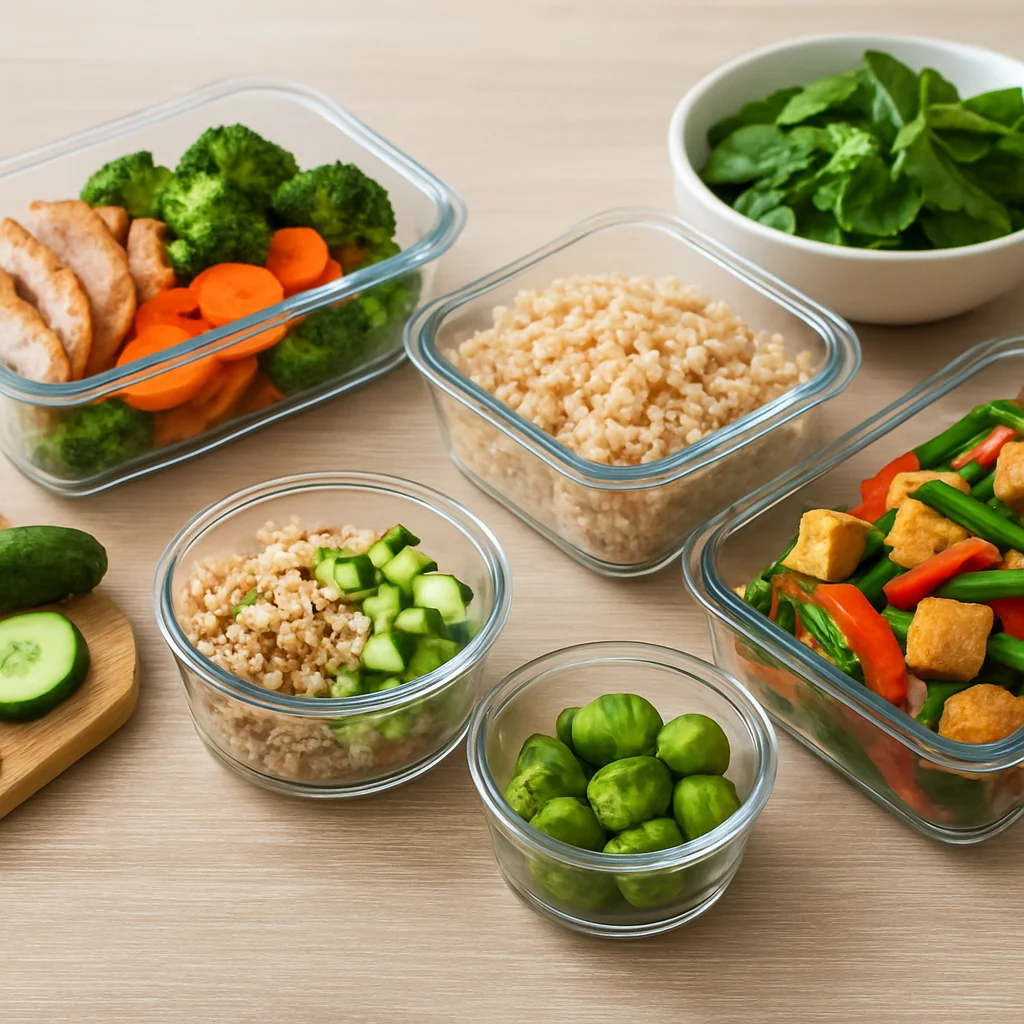
- Mix-and-match prep: Prepare proteins, carbs, and vegetables separately.
For people focused on body composition, [LINK_TO: Macro Meal Plan for Easy Weight Loss & Muscle Gain] can help you structure meals around your goals.
Best Foods for Simple Meal Prep
The best meal prep foods are those that reheat well, stay fresh, and are easy to portion. In Singapore and Southeast Asia, whole foods work especially well because they are flexible, affordable, and easy to build into balanced meals.
Protein options
- Chicken breast or chicken thigh
- Eggs and egg whites
- Fish like salmon, tuna, or ikan merah
- Tofu and tempeh
- Lean beef, turkey, or minced pork
- Greek yogurt or cottage cheese for snacks
Carbohydrate options
- Jasmine rice or brown rice
- Sweet potatoes
- Oats
- Wholegrain noodles
- Quinoa
- Fruits like bananas, apples, and berries
Vegetable options
- Broccoli
- Carrots
- Baby spinach
- Cabbage
- Capsicum
- Cauliflower
- Long beans and bok choy
If you prefer a simple, nutrient-dense approach, [LINK_TO: Whole Food Meal Plan for Easy, Healthy Weight Loss] is a useful companion resource.
Step-by-Step Meal Prep System
A clear system makes meal prep for beginners much easier. Use the steps below as a repeatable weekly routine.
1. Decide how many meals you need
Start by counting the meals you want to prep. For example, you may need five weekday lunches and three dinners. This prevents overcooking and food waste.
2. Choose 2 to 3 core recipes
Keep variety simple. A small menu is easier to shop for and prep. For example:
- Chicken, rice, and roasted vegetables
- Tofu stir-fry with noodles
- Egg muffins with fruit and yogurt for breakfast
3. Make your grocery list
Group your list by protein, vegetables, carbs, fats, and pantry items. This speeds up shopping and helps you avoid impulse buys. If budgeting is important, [LINK_TO: How to Build a Simple Grocery Budget System That Saves Money and Reduces Stress] can help you keep meal prep affordable.
4. Prep in the right order
Start with tasks that take the longest, such as rice, roasted potatoes, or marinating meat. While those cook, wash vegetables, prepare sauces, and portion snacks. This keeps your kitchen workflow efficient.
5. Assemble meals
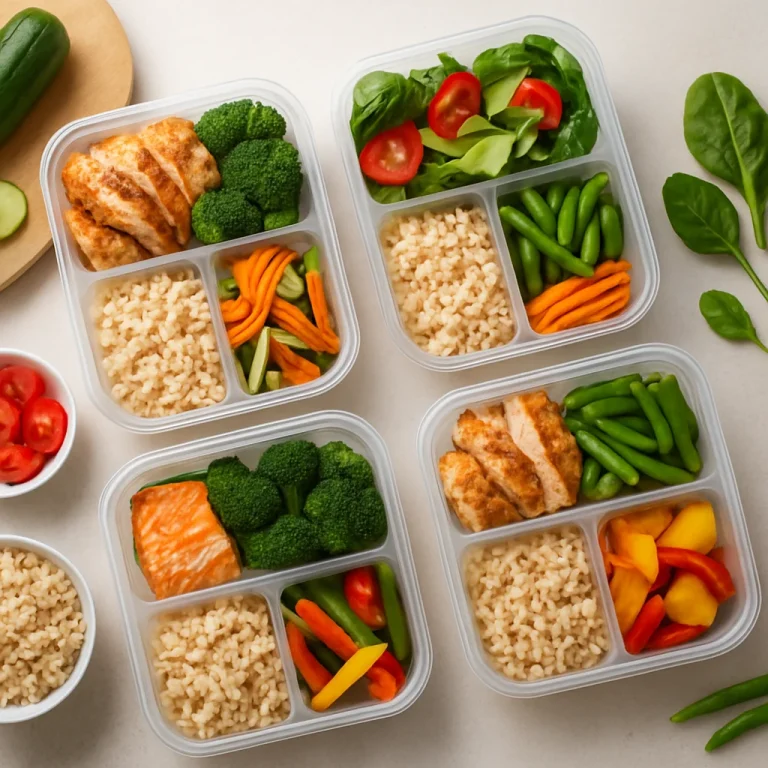
Use containers to portion meals evenly. A simple formula works well: protein + carb + vegetables + optional healthy fat. For example, grilled chicken, brown rice, and steamed broccoli with a drizzle of sesame oil.
6. Store and label everything
Label containers with the meal name and date if needed. Put grab-and-go meals at eye level in the fridge so you actually use them during busy weekdays.
Portioning, Calories, and Macros
One of the biggest benefits of meal prep for beginners is that it helps with portion control. If your goals include fat loss or muscle gain, understanding calories and macros makes prep even more effective.
Calories determine overall energy intake, while macros—protein, carbohydrates, and fats—help shape how meals support your goal. If you want a simpler explanation, [LINK_TO: What Are Macros in Food? Simple Guide] is a great starting point.
How to portion without overthinking
- Protein: Aim for a palm-sized portion per meal
- Carbs: Use a fist-sized portion as a starting point
- Vegetables: Fill at least half the container
- Fats: Add a thumb-sized serving of oils, nuts, seeds, or avocado
If you want more precision, [LINK_TO: How to Count Macros for Beginners | KnowMeal] can help you track your intake more accurately. You can also use the [LINK_TO: Calorie Calculator for Fat Loss | KnowMeal Guide] or [LINK_TO: Macro Calculator for Weight Loss | KnowMeal] to estimate targets.
For Singaporean users looking for maintenance estimates before planning meals, [LINK_TO: TDEE Calculator Singapore for Smarter Meal Planning] can be a practical next step.
Meal prep for body recomposition
If your goal is to lose fat while maintaining or building muscle, prioritise protein and consistent portions. A higher-protein routine can improve fullness and make it easier to stay on track. If this is your focus, [LINK_TO: High Protein Meal Plan Singapore for Fat Loss] may give you more meal ideas.
Storage and Food Safety Tips
Meal prep is only helpful if your food stays safe and tastes good. Store food properly so your meals remain fresh during the week.
- Cool food before refrigerating: Let hot food cool slightly before sealing containers.
- Use airtight containers: Helps preserve freshness and texture.
- Refrigerate promptly: Do not leave cooked food out for too long.
- Rotate meals: Eat the oldest meals first.
- Freeze extra portions: Useful if you batch cook more than three to four days’ worth.
In general, most cooked meals are best eaten within 3 to 4 days when refrigerated properly. For longer storage, freezing is the safer option.
Budget-Friendly Meal Prep Tips
Meal prep for beginners does not have to be expensive. In fact, it can be one of the best ways to eat well on a budget because you buy in planned quantities and waste less food.
- Buy proteins in bulk when on sale
- Use frozen vegetables for convenience and value
- Choose versatile ingredients that work in multiple meals
- Repeat affordable staples like eggs, tofu, chicken, rice, and oats
- Use sauces and spices to change flavour without buying many ingredients
For more ideas on keeping healthy eating affordable in Singapore, see [LINK_TO: Affordable Healthy Meals Singapore | Budget Meal Ideas].
If you want a structure for spending less with less stress, [LINK_TO: How to Build a Simple Personal Budget System That Saves Time and Reduces Stress] and [LINK_TO: Budget Planner Template for Beginners: A Weekly System That Actually Sticks] can help you align your food spending with your bigger budget.
Sample Meal Prep Plan for a Busy Week
Here is a simple example of a beginner-friendly meal prep plan that balances convenience, taste, and nutrition.
Sunday prep session
- Cook a pot of rice or sweet potatoes.
- Roast a tray of mixed vegetables.
- Pan-fry or bake chicken breast and tofu.
- Prepare a simple sauce, such as soy-garlic, peanut-lime, or tomato herb.
- Portion fruit, yogurt, or boiled eggs for snacks.
Weekday meals
- Breakfast: Overnight oats with yogurt and banana
- Lunch: Chicken rice bowl with broccoli and carrots
- Dinner: Tofu stir-fry with noodles and vegetables
- Snack: Boiled eggs, fruit, or Greek yogurt
If you are cooking for multiple people, [LINK_TO: Easy Healthy Family Dinner Ideas for Busy Weeknights] offers helpful inspiration for family-friendly meals that still work for prep.
Common Meal Prep Mistakes to Avoid
Many people give up on meal prep because they make it harder than it needs to be. Avoid these common mistakes so your routine lasts.
Trying to prep too much at once
Start with a few meals, not a full week of complicated recipes. Big plans often fail when they meet a busy schedule.
Using only meals you do not enjoy
If the food is boring, you will not want to eat it. Choose meals you genuinely like and rotate sauces, seasonings, and sides.
Ignoring your schedule
If you know your weekdays are unpredictable, prep flexible ingredients rather than sealed-up full meals that may feel repetitive.
Not accounting for your goals
Meal prep should support your objective, whether that is weight loss, muscle gain, or stable energy. If you need help adjusting intake over time, [LINK_TO: Macro Based Diet Management: Update Calories & Macros] can be useful.
Skipping a weekly review
A quick reflection helps you improve. Ask yourself: What meals were easiest? What went to waste? What should I prep again next week? This kind of review keeps your system efficient. If you want to extend that habit beyond food, [LINK_TO: How to Create a Simple Weekly Life Admin System That Saves Time and Reduces Stress] is a great companion read.
Conclusion
Meal prep for beginners is one of the simplest ways to make healthy eating easier during busy weekdays. You do not need a perfect kitchen setup, advanced cooking skills, or an elaborate menu. Start small, keep your meals familiar, and build a routine around foods you enjoy and goals you actually care about.
Once you have the basics in place, meal prep can save time, reduce stress, support fat loss or muscle gain, and help you stay consistent even on your busiest weeks. If you are ready to make weekday meals easier, start with one meal plan, one grocery list, and one prep session this week.
Ready to simplify your routine? Explore more KnowMeal guides and tools to build a meal prep system that fits your schedule, budget, and goals.