
Weight Loss Meal Plan Singapore | Simple Whole Foods
weight loss meal plan Singapore
A weight loss meal plan Singapore works best when it uses familiar foods, keeps portions realistic, and gives you enough protein and fibre to stay full. The goal isn’t eating “diet food” forever; it’s building a plan you can repeat with hawker meals, supermarket staples, and home-cooked dishes.
This guide shows you how to create a practical fat-loss plan using local foods, how to balance calories and macros without obsessive tracking, and how to prep meals for yourself or your family. You’ll also learn what to buy at NTUC FairPrice, Cold Storage, Sheng Siong, wet markets, and even the hawker centre when life gets busy.
Why most weight loss plans fail in Singapore
A lot of people start with motivation and end with a sad container of boiled chicken breast. That’s usually not a calorie problem alone. It’s a plan problem.
Most failed diets in Singapore share the same issues:
- Meals are too restrictive.
- Protein is too low.
- Fibre is missing.
- The food feels disconnected from real life.
- Social eating gets ignored.
If your lunch plan falls apart the moment someone brings in chicken rice or kway teow, it’s not sustainable. A better weight loss meal plan Singapore uses food you already recognise, then adjusts portions and meal frequency so you can still eat with family, colleagues, and friends.
For many adults, the missing piece is not “discipline.” It’s structure. A simple calorie target, enough protein, and a repeatable grocery list beat random meal skipping almost every time. One practical setup I’ve seen work well is 3 meals a day with one protein-forward snack, especially for people with office jobs and evening exercise.
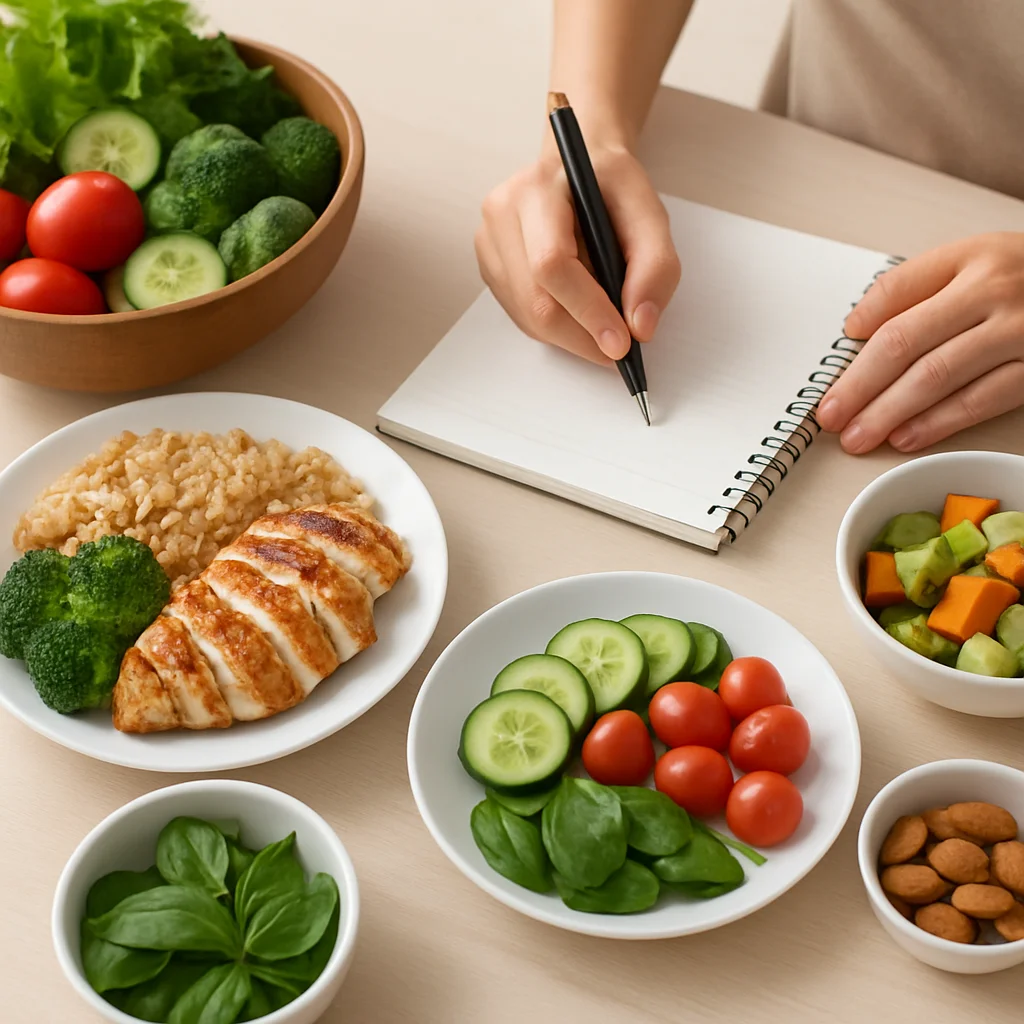
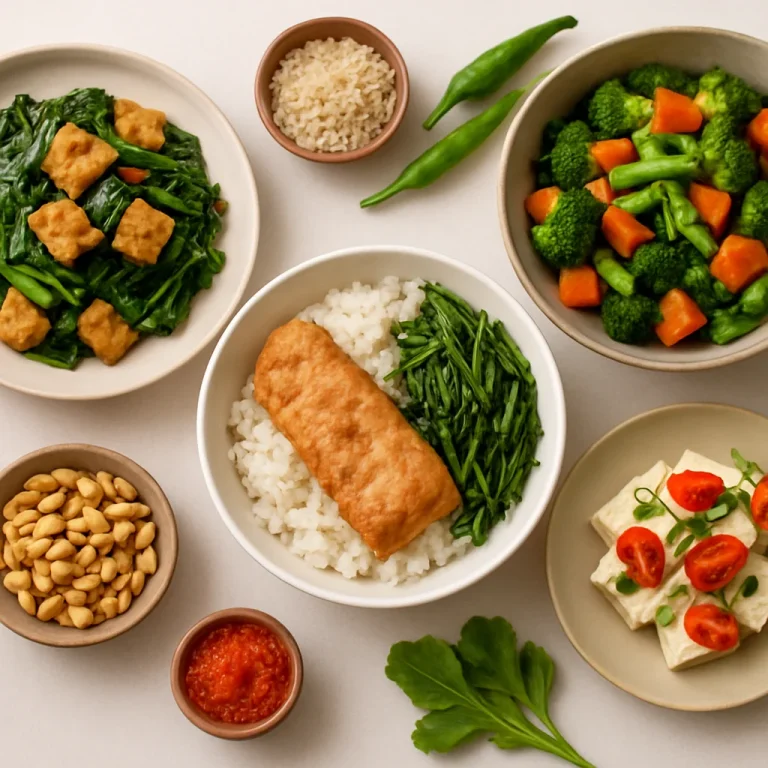
[IMAGE: Balanced local lunch plate with chicken, rice, and vegetables + alt text: Singapore weight loss meal plan with rice, chicken, and vegetables]
How calories and macros actually work for fat loss
A weight loss meal plan Singapore should start with calories, then macros. Calories drive fat loss, while macros help you feel full and preserve muscle.
Here’s the simple version:
- Protein helps maintain muscle and supports fullness.
- Carbs provide energy for work, training, and daily movement.
- Fat supports hormones and helps meals taste less miserable.
That last part matters. Bland food rarely survives week three.
For fat loss, a common starting point is a calorie deficit of around 300–500 kcal per day. That usually leads to about 0.25–0.75 kg per week, depending on body size, activity, sleep, and how closely you stick to the plan. Faster isn’t always better, especially if you want to keep muscle while losing fat.
A useful macro target for many adults is:
- Protein: 1.6–2.2 g per kg body weight
- Fat: at least 20–30% of calories
- Carbs: fill the rest based on activity
For example, a moderately active 75 kg adult aiming to lose fat may do well on 1,800–2,000 kcal, with around 130–160 g protein daily. That’s not a magic number. It’s just a practical range that can be adjusted based on results and hunger.
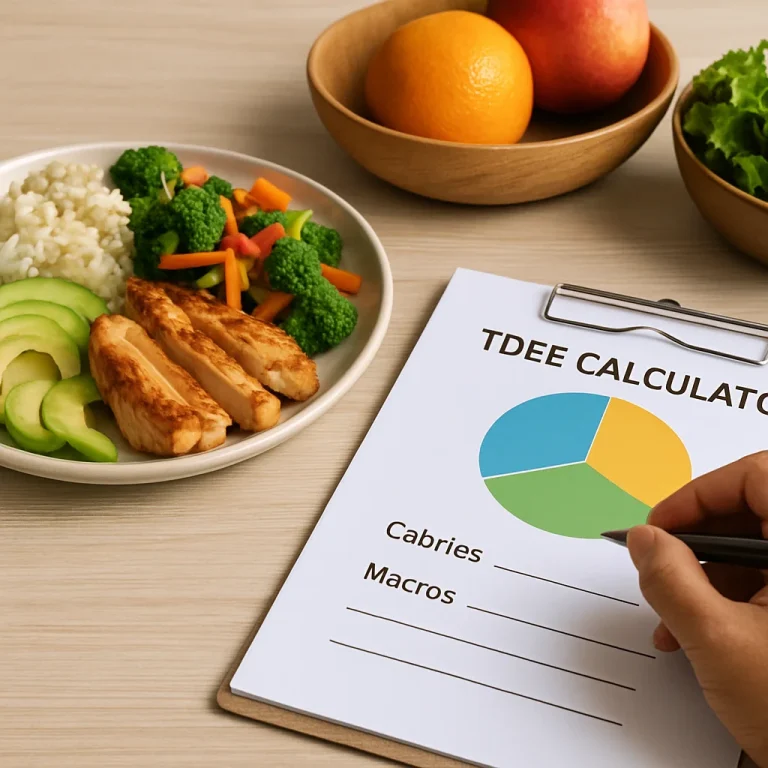
If you want a more personalised setup, [INTERNAL LINK: calorie and macro calculator] is the right place to start.
What a realistic weight loss meal plan Singapore looks like
The best plans are boring in a good way. Repetition reduces decision fatigue, and decision fatigue is why people end up with fried prata at 10 p.m.
A realistic weight loss meal plan Singapore usually includes:
- Breakfast: protein + fibre
- Lunch: rice or noodles in controlled portions
- Dinner: protein, vegetables, and a modest carb serving
- Snacks: fruit, yoghurt, eggs, or edamame
The point isn’t to eliminate carbs. It’s to stop carbs from taking over the plate. White rice can stay. Mee pok can stay. Even kopi can stay if you account for sugar and milk.
A simple plate guide works well:
- Half plate: vegetables
- One quarter: protein
- One quarter: carbs
For people who don’t want to measure every gram, this is often enough. For more precise tracking, weigh your rice and protein for two weeks, then use that data to eyeball portions later.
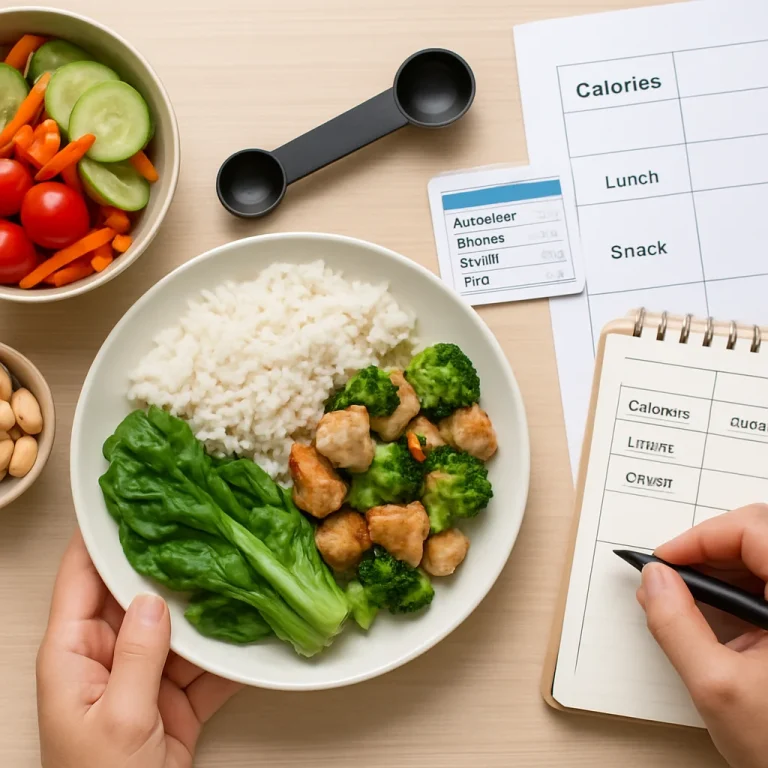
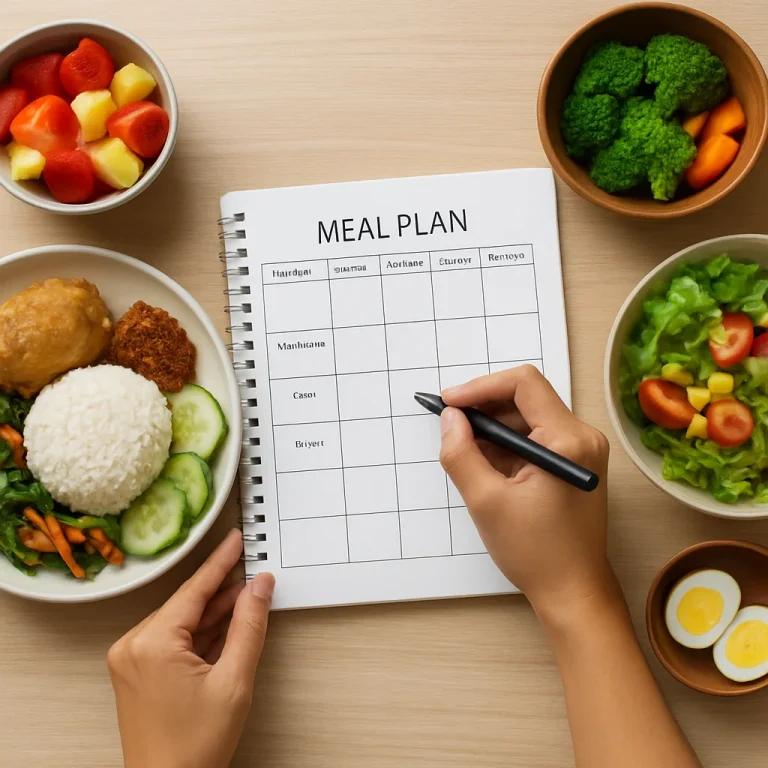
[IMAGE: Portion guide on Singapore plate + alt text: portion-controlled weight loss meal plan Singapore plate with vegetables protein and rice]
Best local foods for fat loss without feeling deprived
Singapore has no shortage of foods that support fat loss. The trick is choosing the versions that don’t quietly double your calories.
Proteins that work well
These are affordable, accessible, and easy to prep:
- Eggs
- Skinless chicken breast or thigh
- Fish slices
- Tuna in spring water
- Tofu
- Tempeh
- Low-fat Greek yoghurt
- Edamame
- Prawns
At wet markets, chicken breast and whole fish are often cheaper than people expect. At supermarkets, a 1 kg pack of frozen dory or salmon portions can be useful, though salmon is pricier and better used a few times a week rather than daily.
Carbs that fit a weight-loss plan
Carbs are not the enemy. Portion size is the issue.
Good options include:
- Brown rice
- White rice in measured portions
- Oats
- Sweet potato
- Wholemeal bread
- Quinoa
- Fruit
- Plain noodles in controlled amounts
A portion of cooked rice around 100–150 g is often enough for lunch or dinner when paired with enough protein and vegetables.
Vegetables and fibre sources
Aim for 20 g+ fibre daily, and more if your gut tolerates it. Fibre helps fullness, blood sugar control, and bowel regularity. That last one isn’t glamorous, but it’s real life.
Good picks:
- Kai lan
- Bok choy
- Spinach
- Cabbage
- Cucumber
- Tomato
- Mushrooms
- Carrots
- Okra
- Beans and lentils
If you’re managing insulin resistance or prediabetes, fibre-rich meals are especially helpful. A 2020 meta-analysis in The BMJ found higher fibre intake was associated with lower risk of several chronic diseases, including improved cardiometabolic outcomes. That doesn’t mean fibre fixes everything, but it does make your meals work harder for you.
Sample 1-day weight loss meal plan Singapore
Here’s a practical day of eating that uses common local ingredients.
Breakfast
- 2 boiled eggs
- 1 slice wholemeal toast
- 1 small banana
- Black coffee or kopi kosong
Lunch
- 120–150 g grilled chicken
- 100–120 g cooked rice
- Stir-fried kai lan and mushrooms
- Clear soup
Snack
- Plain Greek yoghurt
- 1 apple or guava
Dinner
- Steamed fish with ginger and soy
- Tofu
- Cabbage and bok choy
- Small serving sweet potato
This kind of plan is easy to repeat and easy to shop for. It also gives you enough protein across the day instead of dumping everything into dinner like a stressed raccoon.
A day like this usually lands around 1,700–1,900 kcal, depending on cooking oil and portions. Protein can reach 120 g+ without supplements, if portions are set properly.
If you want help building your own version, [INTERNAL LINK: personalised meal planning for weight loss] can save a lot of guesswork.
Hawker food swaps that still let you eat out
You don’t need to avoid hawker centres. You need a strategy.
A good weight loss meal plan Singapore includes eat-out options because life is messy and lunch meetings exist for reasons no one fully understands.
Better hawker choices
- Cai fan: choose 1 protein, 2 vegetables, less gravy, smaller rice portion
- Yong tau foo: soup base, more tofu and vegetables, fewer fried items
- Fish soup: ask for less rice, add vegetables
- Ban mian soup: ask for less noodles, extra greens, lean protein
- Chicken rice: go for steamed chicken, less rice, skip skin, add soup
- Economic bee hoon: choose veggie-heavy servings, avoid fried sides
Better ordering habits
- Ask for less rice
- Choose soup-based dishes more often
- Skip sweet drinks
- Share fried items instead of making them the main event
- Add vegetables when you can
A chicken rice meal can fit fat loss. So can nasi padang. The calories just add up faster than people think, especially with sauces, oils, and extra rice. A plate of nasi padang with beef rendang, fried egg, sambal long beans, and rice can easily hit 800–1,000 kcal before drinks.
Meal prep tips for busy adults and families
Meal prep should make weekdays easier, not turn Sunday into a second job.
For solo prep, I like a simple formula:
- Cook 2 proteins
- Prep 2 vegetables
- Batch cook 1 carb
- Keep 2 quick snacks
For example:
- Roast chicken thighs with garlic and black pepper
- Steam broccoli and cabbage
- Cook a pot of rice
- Stock fruit, yoghurt, and boiled eggs
For families, a shared-meal setup is often more realistic. Everyone eats the same lunch or dinner, with portion sizes adjusted by age and goal. That reduces kitchen workload and keeps food costs under control.
A family-friendly weight loss meal plan Singapore can use the same base meal for all members:
- Parent cutting calories: smaller rice, more veg
- Active teen: larger carb portion
- Grandparent: softer vegetables and moderate sodium
- Young child: smaller portions, less spice
That’s a lot easier than cooking four separate dinners. Nobody has time for that unless they enjoy domestic chaos.
What to watch if you have insulin resistance, high blood pressure, or kidney concerns
People with metabolic issues need more than “eat less.”
For insulin resistance, the biggest wins usually come from:
- More protein
- More fibre
- Fewer sugary drinks
- Controlled carb portions
- Consistent meal timing
For high blood pressure, focus on:
- Less processed food
- More potassium-rich foods like spinach, avocado, and bananas
- Lower-sodium sauces
- More home cooking
For kidney health, dietary needs can vary a lot based on your condition and labs. Protein targets, potassium, phosphorus, and sodium may need adjustment, so this is where a doctor or dietitian matters.
A strict low-carb plan is not automatically better. In fact, for many people, a moderate-carb, higher-protein meal structure is easier to sustain and less socially awkward. That matters more than internet food drama.
Practical grocery list from Singapore supermarkets and wet markets
If you shop in Singapore, your list should be simple enough to repeat every week.
Proteins
- Eggs
- Chicken breast or thigh
- Tofu
- Tempeh
- Fish fillets
- Tuna cans in water
- Greek yoghurt
Carbs
- Oats
- Brown rice
- White rice
- Sweet potatoes
- Wholemeal bread
- Bananas
- Apples
Vegetables
- Bok choy
- Kai lan
- Lettuce
- Cabbage
- Tomatoes
- Cucumbers
- Mushrooms
- Spinach
Extras
- Olive oil
- Garlic
- Ginger
- Soy sauce
- Black pepper
- Sesame oil
- Low-sugar chilli paste
A week of basic whole-food shopping can be kept fairly affordable. Many people can cover breakfasts and home dinners for under S$60–S$100 per week per adult, depending on protein choices and whether they buy salmon like it’s a personality trait.
How to know your plan is working
Track the right things, not every emotional fluctuation after lunch.
Look for these signs over 2–4 weeks:
- Body weight trends down slowly
- Waist measurement reduces
- Energy stays steady
- Hunger is manageable
- Workouts don’t collapse
A good weight loss meal plan Singapore should help you lose fat without feeling wiped out by Wednesday. If weight isn’t moving after two to three weeks, adjust by 100–150 kcal per day or increase activity slightly. Small changes are easier to maintain than dramatic cuts.
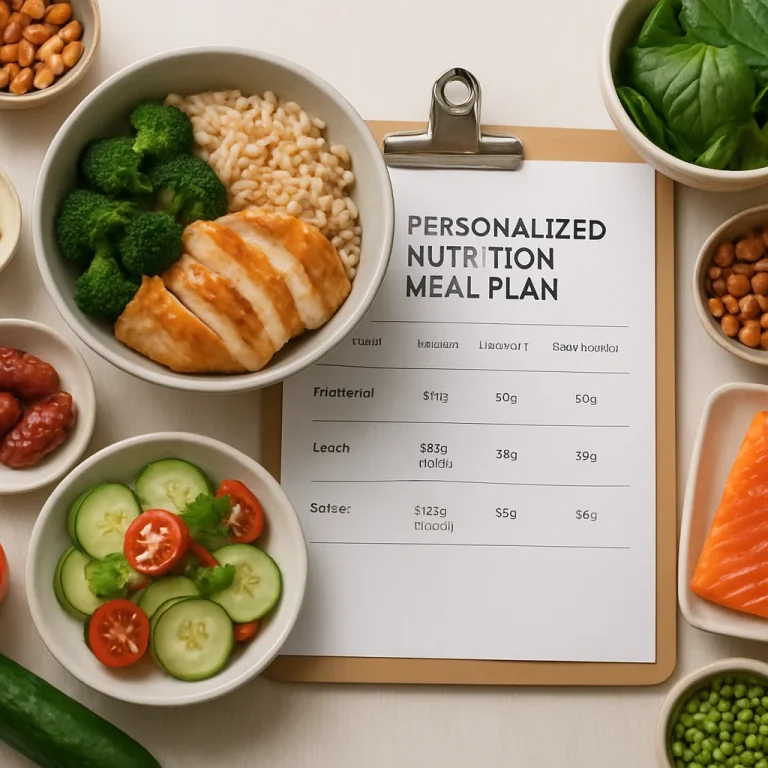
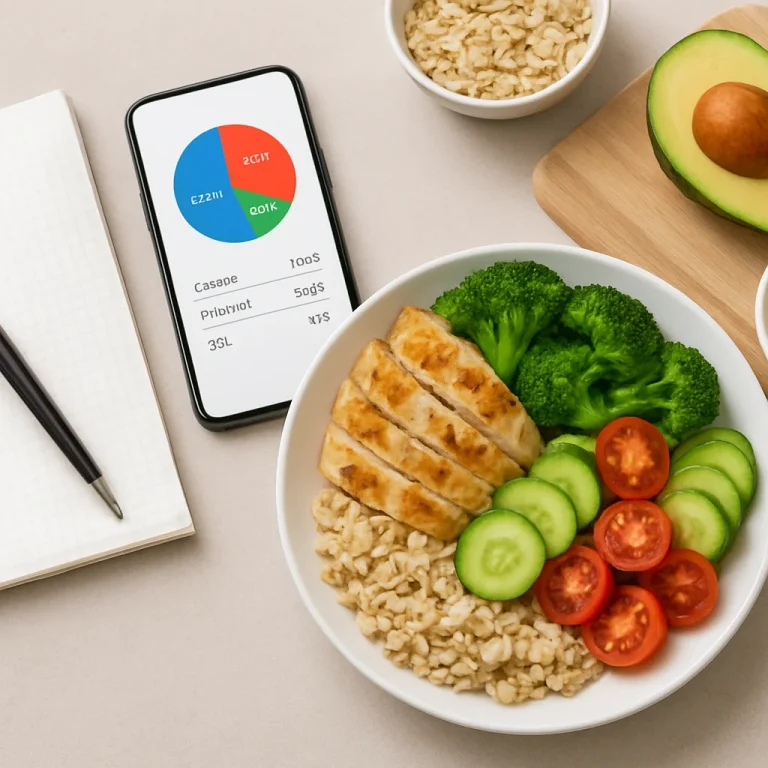
[IMAGE: Weekly meal prep containers + alt text: meal prep containers for weight loss meal plan Singapore with chicken rice and vegetables]
FAQ: weight loss meal plan Singapore
Here’s a quick FAQ section you can use for planning or schema markup.
Can I eat rice and still lose weight?
Yes. Rice fits a fat-loss plan when the portion is controlled and the meal includes enough protein and vegetables. The issue is usually the total calorie load, not rice itself.
How much protein do I need for weight loss?
A useful target is 1.6–2.2 g per kg body weight daily. Protein helps preserve muscle while you lose fat and keeps meals more satisfying.
Is hawker food bad for weight loss?
No, but portion sizes and cooking methods matter. Soup-based meals, lean proteins, and smaller rice portions make hawker eating much easier to fit into a calorie target.
What if I’m always hungry on a diet?
Increase protein, vegetables, and fibre first. Also check whether your calorie deficit is too aggressive, because a plan you can’t live with usually fails fast.
Can families follow the same meal plan?
Yes. Family mode works well when everyone eats the same food and only portions change. That saves time, reduces cooking stress, and makes grocery shopping simpler.
Do I need supplements to lose weight?
Not usually. Most people do better with whole foods, enough protein, and a repeatable routine. Supplements are not a substitute for a decent meal plan.
Final thought
A good weight loss meal plan Singapore should feel practical on a Tuesday night, not just impressive on paper. If your plan uses familiar foods, enough protein, enough fibre, and portions you can repeat, you’re far more likely to stick with it long enough to see real results.
If you want a plan built around your calorie target, family size, or training goals, KnowMeal can help you generate a personalised meal plan using everyday Singapore foods, with smarter portions and less guesswork. This content is informational only and not medical advice. If you have diabetes, kidney issues, hypertension, or other health conditions, speak with a qualified healthcare professional for personalised guidance.
Key Takeaways
- Start with calories, then balance macros.
- Use local foods you’ll actually repeat.
- Protein and fibre improve fullness and control.
- Hawker food can still fit fat loss.
- Family meal prep reduces weekday decision fatigue.
- Adjust portions before cutting out entire food groups.
Frequently Asked Questions
Q: Can I eat rice and still lose weight?
How much protein do I need for weight loss?
Is hawker food bad for weight loss?
What if I’m hungry all the time on my diet?
Can families follow the same meal plan?
Do I need supplements to lose weight?
Build a **personalised weight loss meal plan Singapore** with KnowMeal and get macro-targeted meals made from familiar local foods. Start with your goals, family size, or client list, and make daily eating easier to follow.
One Comment