Custom Meal Plan Builder for Flexible Nutrition
custom meal plan builder: how to make eating well actually stick
A custom meal plan builder helps you match food to your real life, not the other way around. It lets you set calories and macros for your goals, then build meals around foods you already buy, cook, and enjoy. That’s why people stick with it longer than rigid diet templates.
If you’ve tried a “perfect” plan and abandoned it by Thursday, this article will show you a better way. You’ll learn how a custom meal plan builder works, why flexibility matters for fat loss and muscle gain, how to keep favourite dishes in the rotation, and how to use simple whole foods available in Singapore supermarkets and wet markets.
Why rigid meal plans fail so often
Most meal plans fail for one boring reason: they don’t fit the person. A plan built for a 22-year-old gym-goer eating six meals a day will collapse fast if you’re a parent juggling school drop-off, work, MRT rides, and dinner for three people who all want something slightly different.
I’ve seen this repeatedly when reviewing meal prep routines. The food itself may be fine. The problem is usually friction: too many ingredients, too many steps, or meals that feel socially impossible.
That’s where a custom meal plan builder makes a real difference. It lets you keep structure without turning every meal into a spreadsheet punishment.
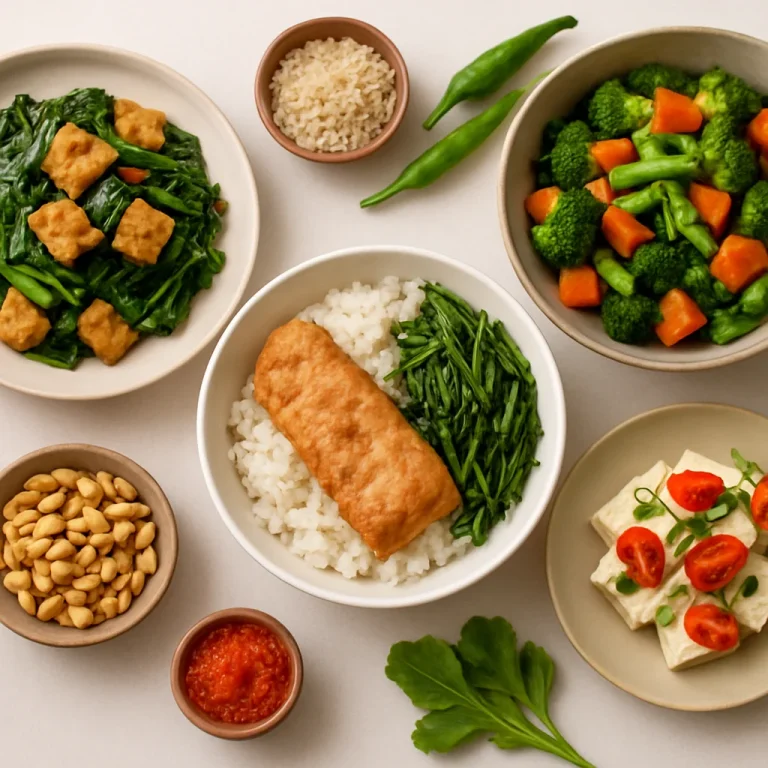
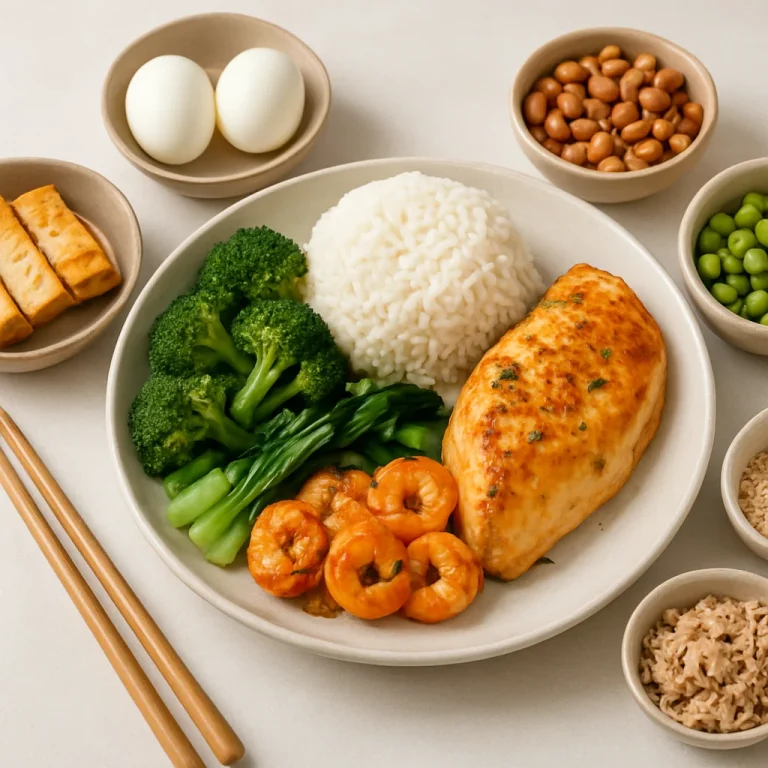
A rigid plan also tends to ignore the messy parts of eating in Singapore and Southeast Asia. Hawker meals, family dinners, office lunches, and weekend gatherings don’t follow a neat Western meal-prep rhythm. A plan that can flex around chicken rice, cai png, ikan bakar, chapati, tofu, eggs, and local vegetables is simply more usable.
[IMAGE: Meal prep containers with rice, chicken, veg — alt text: Singapore-style meal prep containers with rice, chicken, and vegetables]
What a custom meal plan builder actually does
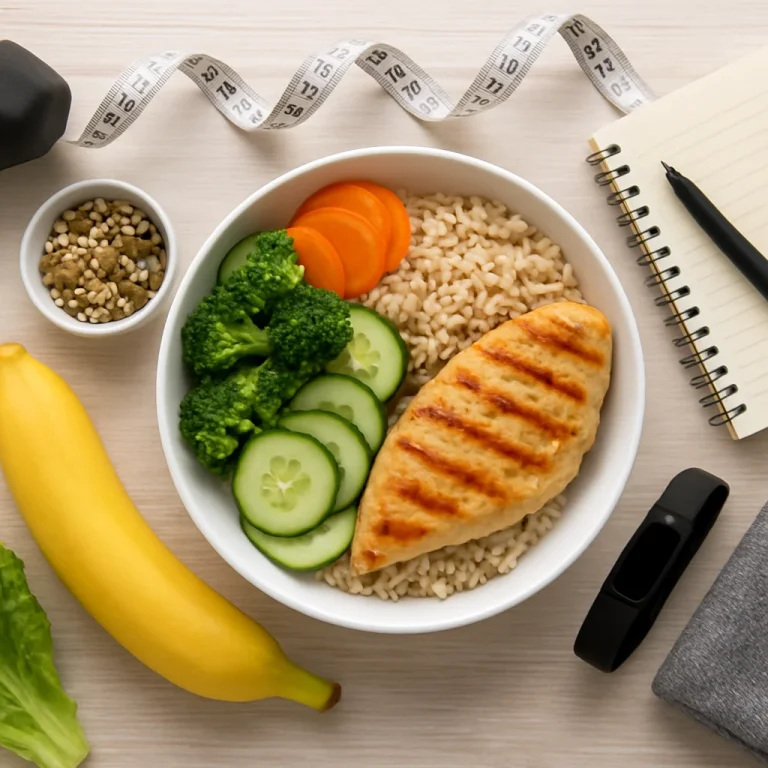
A good builder starts with your goal, then turns that into a daily calorie and macro target. For example, a weight loss plan might target a controlled deficit, while a muscle gain plan needs enough calories and protein to support training. A body recomposition plan usually sits somewhere in between, with more attention on protein and meal quality.
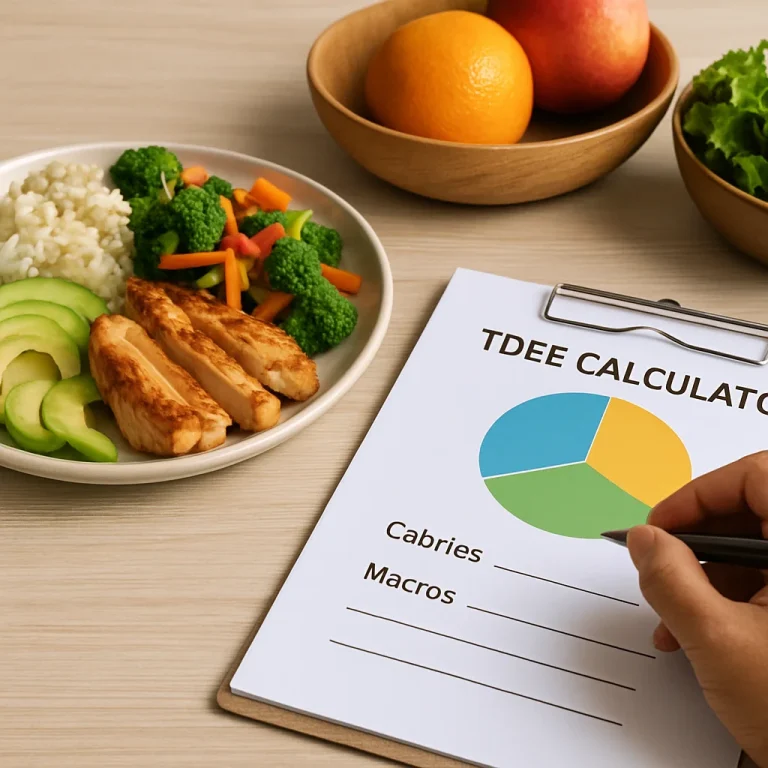
KnowMeal uses TDEE-based calorie targeting, which means your daily energy needs are calculated from your lifestyle, work type, and exercise sessions with duration. That matters more than a simple 1-to-5 activity scale. A nurse on rotating shifts, a software engineer who walks 12,000 steps a day, and a trainer doing two daily sessions do not belong in the same bucket.
A useful builder then maps those targets into actual meals. The better systems do this with guardrails, not chaos:
- Max-2-per-food variety so you don’t end up with three eggs in every meal because the algorithm got lazy.
- Must-have foods for personal preference or dietary needs.
- Calorie-budget-aware generation so one big breakfast doesn’t wreck the rest of the day.
That’s the difference between theory and dinner.
How to keep favourite foods without wrecking progress
The best plans don’t ban your favourite foods. They budget for them. That sounds obvious, but many people still treat food choices like morality plays.
A custom meal plan builder should help you keep foods like:
- Hainanese chicken rice
- Wholemeal bread with peanut butter
- Greek yogurt or soy yogurt
- Eggs, tofu, tempeh, edamame
- Brown rice, oats, sweet potato, quinoa
- Mackerel, salmon, sardines, ikan kembung
- Gai lan, bok choy, kangkong, cabbage, tomatoes
The trick is portion control and meal balance. For example, a lunch of chicken rice can still fit a fat-loss plan if you:
- choose steamed or roasted chicken
- go easy on rice portion
- request less oil where possible
- add vegetables or soup
- keep the rest of the day lower in fats if the meal is richer
That kind of flexibility is practical. It also means you don’t have to announce to your family that you’re “off rice now,” which tends to be received about as well as unsolicited tax advice.
A simple macro explanation that actually helps
Most people don’t need a lecture. They need a plain-English rule:
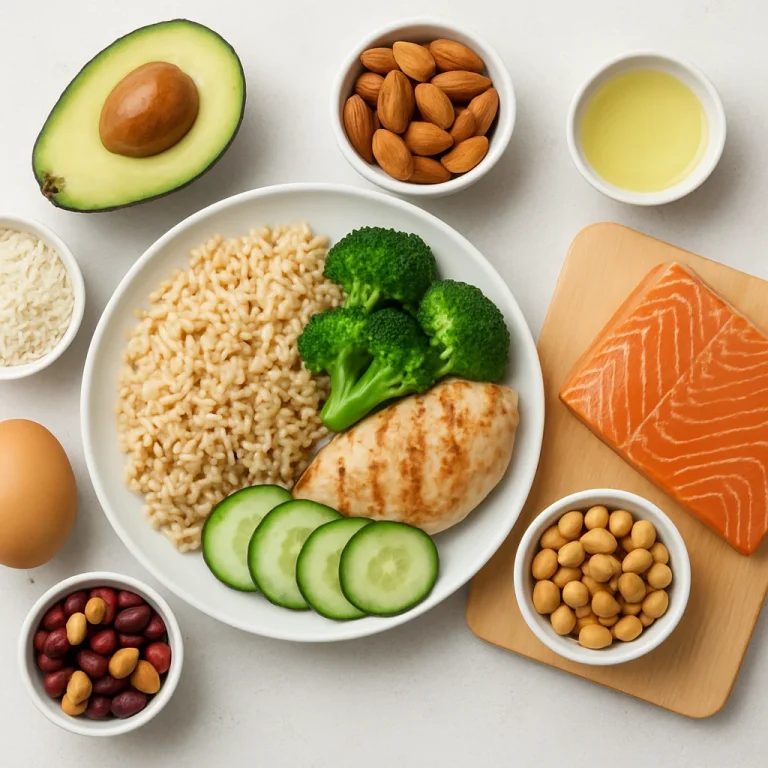
- Protein helps preserve and build muscle.
- Carbs support energy, training, and recovery.
- Fat supports hormones and helps meals feel satisfying.
If you’re trying to lose fat while keeping muscle, protein matters a lot. Research published in journals like the American Journal of Clinical Nutrition and JISSN consistently supports higher protein intakes during weight loss and resistance training for preserving lean mass. That doesn’t mean everyone needs extreme numbers. It does mean protein shouldn’t be an afterthought.
For many adults, aiming for 20g+ fibre daily is also useful, especially if blood sugar control and fullness matter. In practice, that usually means adding vegetables, fruit, oats, chia, beans, lentils, or edamame instead of relying only on white rice and lean meat.
[INTERNAL LINK: How protein, carbs, and fat work together]
Meal planning for insulin resistance, blood pressure, and kidney health
A custom meal plan builder is especially useful when health goals are part of the picture, not just aesthetics. But the details matter.
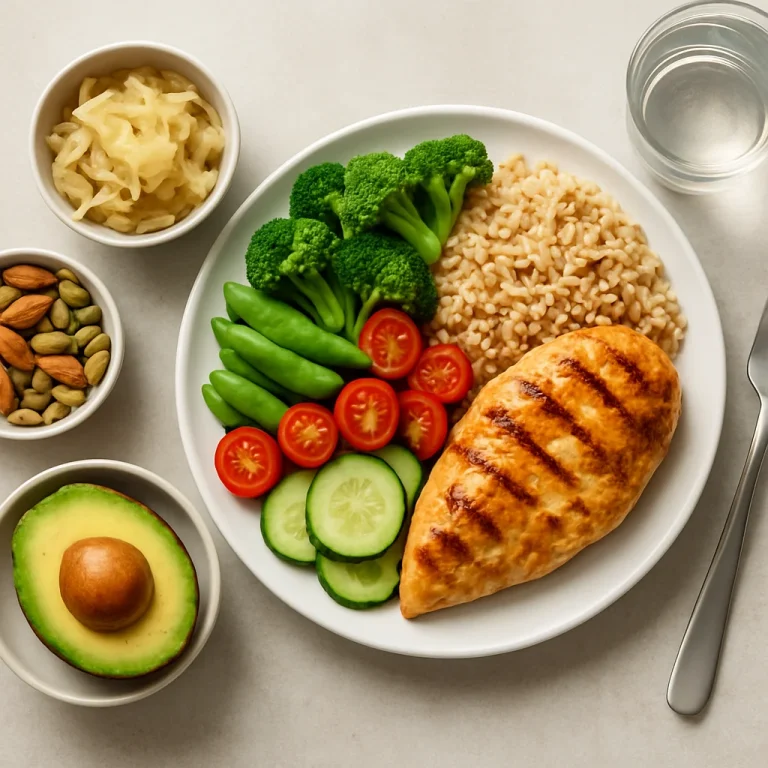
For insulin resistance or blood sugar management, meals built around protein, fibre, and minimally processed carbs usually work better than meals that are mostly refined starch. That might mean:
- brown rice instead of large white rice portions
- whole oats instead of sweetened cereal
- tofu, fish, chicken breast, eggs, or legumes as protein anchors
- vegetables at lunch and dinner, not just as decoration
For high blood pressure, sodium control matters. Hawker food can be delicious and salty enough to knock your socks off. A builder can help by making it easier to plan more home-cooked meals using herbs, garlic, ginger, black pepper, lime, and chilli for flavour instead of relying on heavy sauces.
For kidney health considerations, protein targets may need medical review depending on the individual. That’s why a good platform should support flexibility, but not pretend to replace a clinician. If someone has diagnosed kidney disease, they should follow guidance from their doctor or dietitian before using any macro-based plan.
A practical builder makes room for these realities instead of pretending everyone can eat the same “clean” template and magically improve.
Family meal prep without cooking three separate dinners
Family mode is one of the most underrated features in a custom meal plan builder. If you’ve ever cooked for a spouse, two kids, and a parent, you know the pain of meal drift. One person wants more rice, another wants less spice, and someone else wants the chicken “not touching the sauce.”
A smarter system aligns meals across members so everyone eats the same main food at the same meal. That keeps cooking sane. Instead of making four separate dinners, you build one shared meal and adjust portions.
Example:
- Adult on fat loss: more vegetables, measured rice, standard protein portion
- Teen athlete: larger carb portion, same chicken and vegetables
- Older adult: moderate carbs, lower sodium seasoning
- Child: smaller portion, familiar foods, less spice
That’s far more sustainable than separate menus. It also makes shared grocery lists easier, which matters when your weekly shop includes both FairPrice and the wet market.
A good family plan also reduces waste. You’re less likely to buy random ingredients for one recipe that only gets cooked once. KnowMeal’s approach to shared planning is designed for this exact problem.
[IMAGE: Family meal prep with aligned portions — alt text: Family meal prep with same meal, different portion sizes for each member]
How the algorithm should build meals, not just calories
A decent meal planner doesn’t just hit numbers. It should make meals that are actually pleasant to eat.
That means using rules like:
- budget-aware ingredients
- variety control
- preference filters
- meal-slot balancing
- macro updates when you drag and drop foods
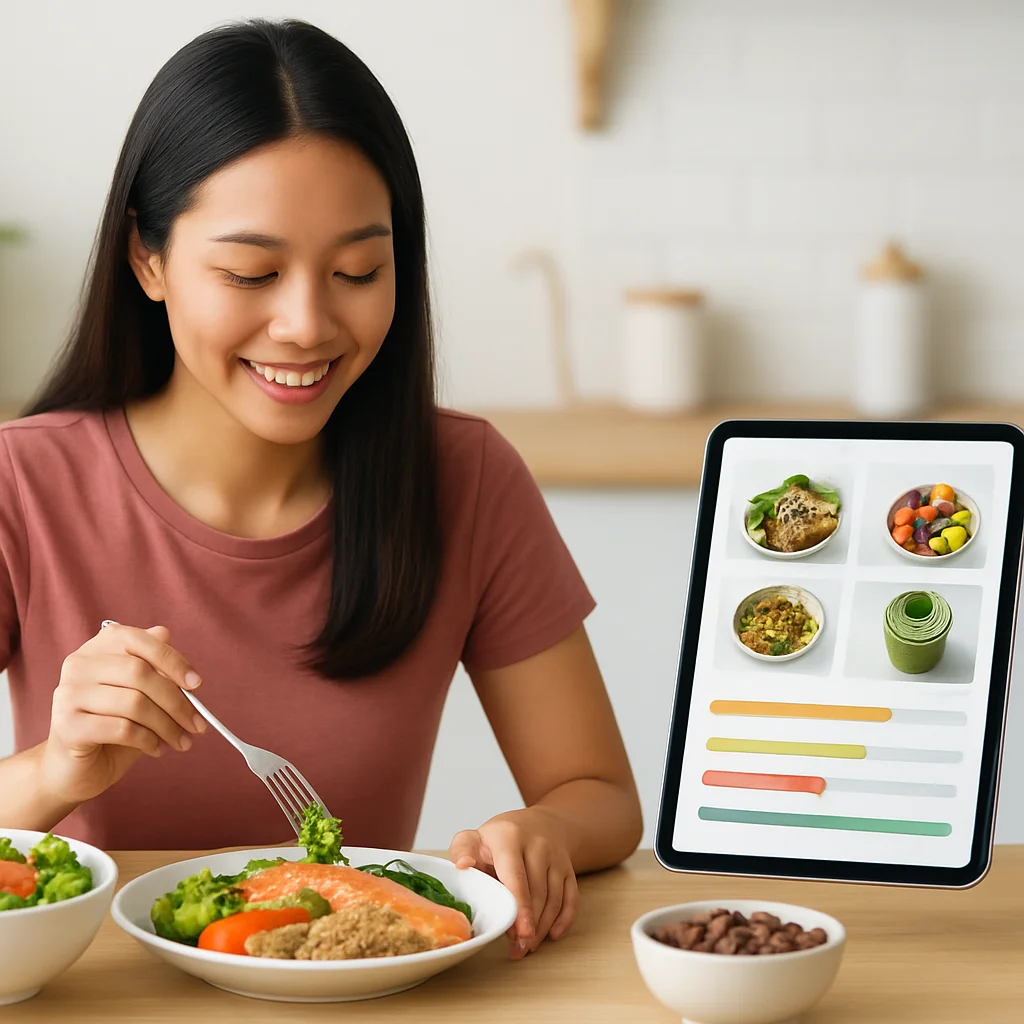
If you swap chicken thigh for tempeh, the protein and fat totals should update immediately. If you move oats from breakfast to snack, the calories should move too. That kind of real-time feedback helps users learn what portion changes actually do.
It also helps avoid accidental overengineering. Some people start with “healthy” intentions and end up with five vegetables, two sauces, a marinade, and a kitchen sink. The result is edible, but no one wants to cook it twice.
A custom meal plan builder should aim for meals you’d realistically repeat:
- egg and avocado toast
- soy milk oats with berries
- rice, fish, greens, and soup
- tofu stir-fry with noodles
- Greek yogurt with fruit and nuts
These are not glamorous meals. They are usable meals. That’s the point.
How to make meal prep faster during a busy week
Most people don’t need more motivation. They need less decision fatigue.
A few practical tactics help:
- Batch-cook proteins: chicken breast, tofu, minced turkey, fish portions
- Cook one carb base: rice, sweet potato, oats, or noodles
- Prep vegetables simply: steam, blanch, stir-fry, or roast
- Use repeatable sauces: sambal, black pepper, garlic-soy, tomato-based
- Keep backup foods: canned tuna, eggs, frozen veg, tofu, edamame
A strong custom meal plan builder should support these habits by letting you reuse favourite meals while changing portions. That way you’re not reinventing Tuesday lunch every week.
For Singapore grocery shopping, the basics are affordable and easy to find:
- Eggs: often around S$3–6 per dozen depending on brand
- Tofu: frequently under S$2 per block
- Oats: commonly S$4–8 per bag
- Frozen vegetables: often S$2–5
- Chicken breast or thigh: price varies by cut and promotion, but still practical for home cooking
- Cabbage, kangkong, chye sim, bok choy: usually budget-friendly at wet markets
That kind of food base makes long-term planning more realistic than importing exotic ingredients from five countries and hoping Tuesday cooperates.
[INTERNAL LINK: Budget-friendly Singapore whole foods for meal prep]
Who gets the most value from a custom meal plan builder
This tool isn’t only for people chasing visible abs. It helps several groups for different reasons.
Health-conscious adults
If you’re trying to lose fat, improve blood sugar, or maintain weight without obsession, a custom system gives you structure without turning meals into a punishment.
Busy families
Family meal mode keeps the same meal on the table for everyone. That saves time, money, and the emotional labour of cooking like a short-order chef.
Personal trainers
A trainer managing up to 100 clients needs consistency, branded communication, and quick plan updates. Exportable PDFs with logo, tagline, and promotional content make client handoffs cleaner.
Seniors
Older adults often do better with simple meal repetition, adequate protein, and familiar food textures. A builder can support softer foods, fibre-rich options, and lower-sodium choices without making meals complicated.
If you’re not sure where to start, a short planning session often reveals more than a whole month of guesswork. That’s a good moment to use a meal planner that builds around your actual schedule, not your ideal schedule from a motivational poster.
What to look for before choosing a platform
Not every meal planner deserves your time. Some are glorified recipe lists with calorie labels pasted on top.
Look for these features:
- TDEE-based calorie targets
- Custom macro settings
- Real-time meal editing
- Family meal alignment
- Shared grocery lists
- Branded PDF exports
- Clear tolerance ranges for tracking, such as calories ±50, protein ±10g, carbs ±8g, and fat ±5g
Also check whether the food database reflects real life. If the list is full of imported powders and boutique snacks, it’s not designed for most households in Singapore. A useful platform should prioritise whole foods, local staples, and flexible cooking methods.
If you want a more sustainable system, the builder should make nutrition easier, not more performative.
Common mistakes when using a meal builder
A custom meal plan builder works best when users avoid a few predictable traps.
- Making meals too restrictive: You’ll comply for three days, then rebel with a pastry.
- Ignoring fibre: Low-fibre plans often leave people hungry.
- Overestimating training calories: A tough workout doesn’t justify a second dinner the size of Jurong.
- Forgetting sodium: Especially relevant for blood pressure management.
- Chasing perfection: Good enough, repeated, beats perfect, abandoned.
The goal is consistency. Small improvements, repeated for months, beat dramatic resets every Monday.
FAQ about custom meal plan builders
A final note before the FAQs: meal planning should support your health, not stress you out. If you have a medical condition, get personalised advice from a qualified clinician alongside any app-based planning.
Is a custom meal plan builder good for weight loss?
Yes, if it helps you stay within a calorie target consistently. It works best when the plan includes foods you actually like, enough protein, and enough fibre to keep hunger manageable. The best results usually come from a plan you can follow for months, not days.
Can I still eat local Singapore food?
Absolutely. A good builder should include foods like chicken rice, fish soup, tofu dishes, eggs, rice, noodles, and hawker-style vegetables. The key is portioning and choosing cooking methods that fit your goal.
How does it help with body recomposition?
Body recomposition usually needs enough protein, sensible calories, and regular resistance training. A custom meal plan builder helps by matching meals to your training load and keeping protein high enough to support muscle repair.
Is it suitable for families?
Yes, especially if the platform supports family mode. That lets you plan one shared meal and adjust portions for each person, which saves time and reduces cooking stress.
What if I have high blood pressure or insulin resistance?
A builder can help you structure lower-sodium, higher-fibre, and more balanced meals. It’s useful for day-to-day planning, but it’s not medical treatment, so you should still follow your doctor’s or dietitian’s guidance.
Do I need to count every calorie perfectly?
No. Rounded calorie counts and tolerance ranges are usually enough for practical tracking. A good system should help you stay consistent without turning your lunchbox into a lab report.
The simple truth about sticking with nutrition
The plans that last are the ones that respect your habits, schedule, and food culture. A custom meal plan builder makes that possible by turning nutrition into a repeatable routine instead of a temporary burst of discipline.
If you want a meal system that fits Singapore life, supports your health goals, and keeps favourite foods on the menu, start with something flexible. Then keep it boring in the best possible way.
[IMAGE: Custom meal plan dashboard on laptop — alt text: Custom meal plan builder dashboard showing calories, protein, carbs, and meal swaps]
Start with a plan that fits real life
If you’re ready to stop guessing, use a personalised meal plan that adapts to your goals, family needs, and local food preferences. KnowMeal is built for practical, Singapore-friendly nutrition planning with real macro tracking and easy meal customisation.
[INTERNAL LINK: Build your personalised meal plan today]
Key Takeaways
- Flexible plans beat rigid diet templates
- Protein, carbs, and fat serve different roles
- Family mode simplifies shared meal prep
- Real-time swaps keep plans practical
- Fibre helps satiety and blood sugar
- Local foods make consistency easier
Frequently Asked Questions
Q: What is a custom meal plan builder?
Is a custom meal plan builder useful for fat loss?
Can I use it if I eat Singapore hawker food?
How does family meal planning work?
Is this suitable for people with insulin resistance?
Do I need to count macros perfectly?
Build a personalised meal plan that fits your goals, your family, and your favourite foods. Try KnowMeal to make calorie and macro tracking simpler, smarter, and actually livable.