How to Build a Simple Weekly Meal Planning System That Saves Time and Reduces Stress
A weekly meal planning system is one of the simplest ways to save time, reduce mental load, and make healthier food choices without feeling overwhelmed. Instead of deciding what to eat at the last minute, you create a repeatable structure that fits your schedule, budget, and family preferences. For busy households in Singapore and across Southeast Asia, this can mean fewer impulse takeouts, less food waste, and more confidence around mealtimes.
In this guide, you’ll learn how to build a practical weekly meal planning system from scratch, including a simple framework for planning meals, shopping efficiently, and making the process sustainable long term. Whether your goal is family harmony, weight management, or simply fewer stressful weekdays, this article gives you a complete system you can use every week.
Table of Contents
- Why a Weekly Meal Planning System Works
- The Core Principles of a Simple System
- How to Build Your Weekly Meal Planning System
- Simple Weekly Meal Plan Templates
- Shopping and Prep Without the Stress
- How to Make It Work for Families and Budgets
- Common Mistakes to Avoid
- Conclusion and Next Steps
Why a Weekly Meal Planning System Works
The biggest benefit of a weekly meal planning system is that it reduces decision fatigue. When you decide what to cook only once per week, you free up mental energy for work, parenting, training, and everything else competing for attention. You also make your food environment more intentional, which supports healthier eating patterns and a calmer home routine.
A good system also helps you:
- Save time by removing daily guesswork.
- Reduce stress by making dinners and lunches predictable.
- Spend less by shopping with a plan instead of reacting to cravings.
- Waste less food by buying ingredients you know you will use.
- Eat better by building meals around protein, fibre, and whole foods.
For people focused on body recomposition, fat loss, or insulin resistance reversal, planning ahead is especially useful because it makes portion control and balanced meals much easier to maintain. If you want a more customised approach, you may also like [LINK_TO: Personalised Nutrition Meal Plan for Any Goal].
The Core Principles of a Simple System
The best weekly meal planning system is not the most complicated one. It is the one you can repeat consistently. Keep these principles in mind:
1. Keep the number of decisions low
Don’t plan from scratch every week. Use a structure such as the same breakfast rotation, a few standard lunches, and 3 to 5 dinner templates. Repetition is not boring when it reduces friction.
2. Build meals around protein first
Protein keeps meals satisfying and supports muscle maintenance, appetite control, and stable energy. For families and fitness-focused individuals, this is often the foundation of an effective weekly meal planning system. If you need inspiration, see [LINK_TO: High Protein Meal Plan Singapore for Fat Loss] and [LINK_TO: High-Protein Lunch Ideas for Busy Weekdays].
3. Use flexible meal categories
Instead of planning exact recipes for every single day, group meals into categories such as stir-fries, soups, rice bowls, wraps, noodles, and tray bakes. This keeps your plan adaptable when schedules change.
4. Match your plan to your real life
Your meal plan should reflect your actual week. If Monday is busy, plan a 15-minute dinner. If Wednesday is a training day, plan a higher-protein meal. If weekends are for family gatherings, leave room for flexibility.
5. Make leftovers work for you
One of the easiest ways to save time is to deliberately cook extra servings for lunch or the next day’s dinner. This makes planning easier and reduces kitchen time significantly.
How to Build Your Weekly Meal Planning System
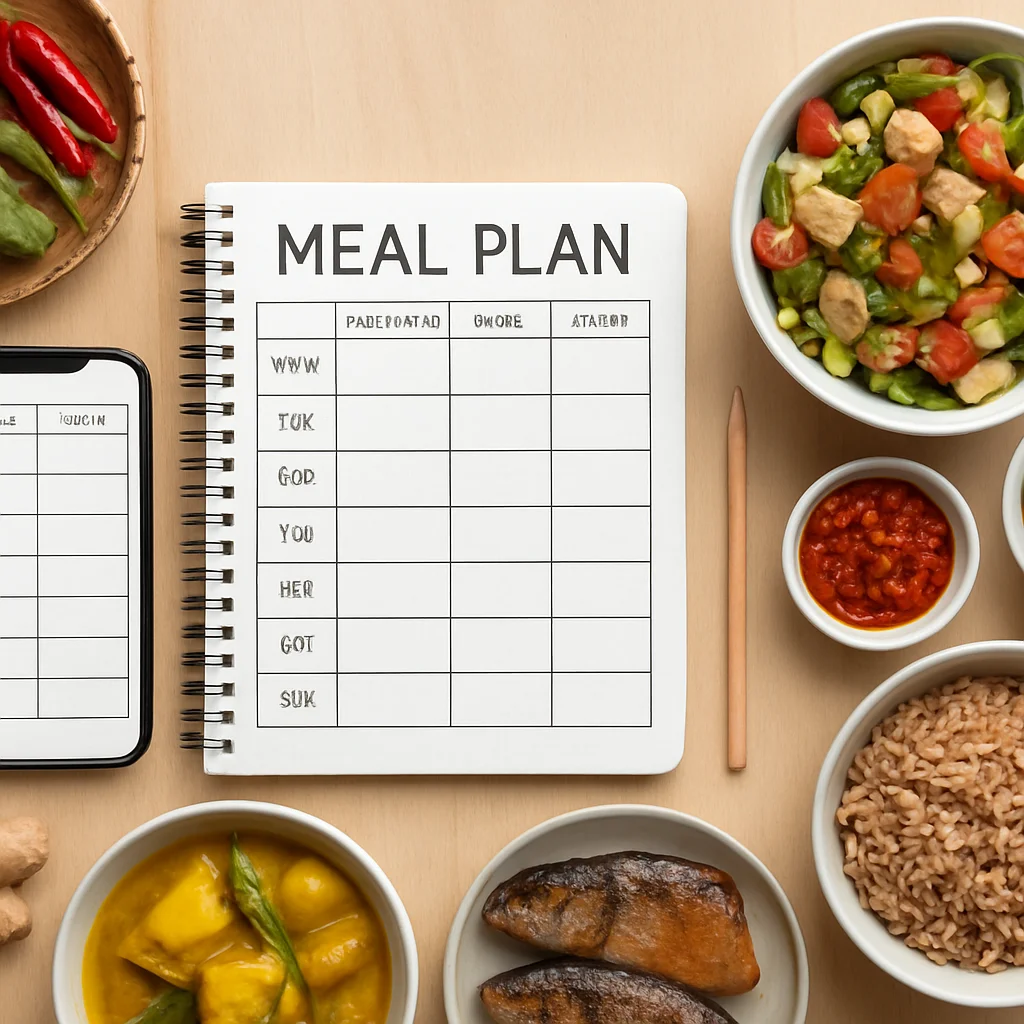
Step 1: Set your weekly structure
Start by deciding how many breakfasts, lunches, dinners, and snacks you actually need. A family of four will have a very different rhythm from a single professional or a couple with active children. Write down the number of meals you need for the coming week.
A simple structure might look like this:
- Breakfasts: 3 to 4 repeatable options
- Lunches: 2 to 3 batch-friendly meals
- Dinners: 4 to 5 core dinners, plus 1 flexible night
- Snacks: 2 to 3 default options
Step 2: Choose your meal themes
Meal themes simplify planning. For example:
- Monday: Quick stir-fry or one-pan meal
- Tuesday: Rice bowl or grain bowl
- Wednesday: Soup, stew, or curry
- Thursday: Pasta, noodles, or wraps
- Friday: Family favourite or takeaway-style homemade meal
This type of structure is especially useful for busy households looking for practical options like [LINK_TO: Easy Healthy Family Dinner Ideas for Busy Weeknights] or [LINK_TO: Quick Dinner Ideas for Busy Weeknights: A Simple 30-Minute Meal System].
Step 3: Pick your recipes from a small rotation
Instead of trying new recipes every week, create a short list of reliable meals you enjoy. Aim for 10 to 15 go-to recipes that use overlapping ingredients. This helps you shop more efficiently and reduces the cognitive load of meal planning.
Examples of a useful rotation include:
- Chicken rice bowls with vegetables
- Salmon or tofu with roasted vegetables
- Egg-based breakfasts for busy mornings
- Minced meat or lentil stir-fry with rice
- Soup with protein and wholegrain toast
For more breakfast ideas, you can explore [LINK_TO: High-Protein Breakfast Ideas for Busy Mornings].
Step 4: Build meals from a simple formula
A repeatable formula makes your weekly meal planning system easier to maintain. A good balanced plate often includes:
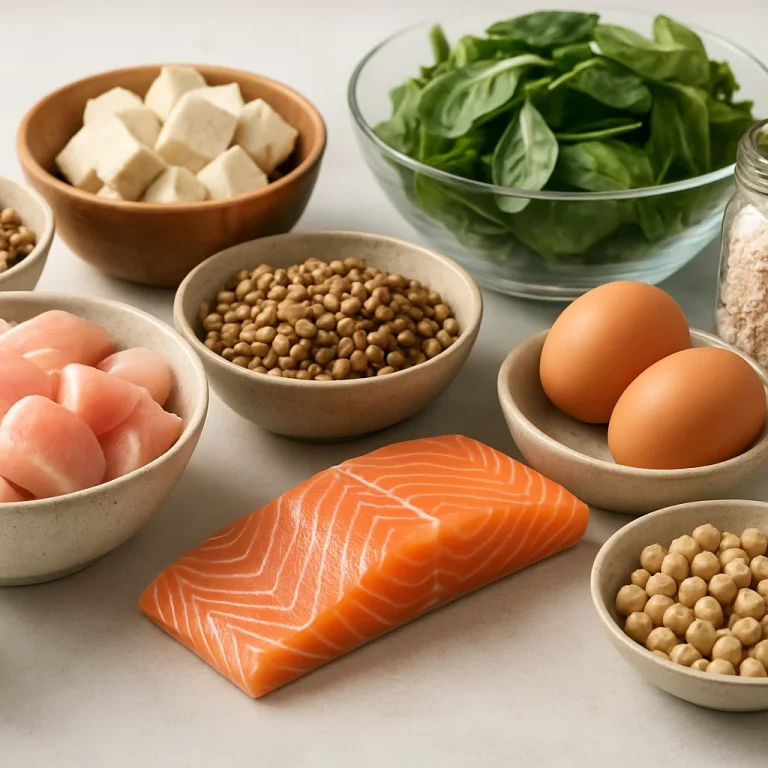
- 1 protein source: chicken, fish, eggs, tofu, tempeh, Greek yogurt, lean beef
- 1 or 2 vegetables: leafy greens, broccoli, cabbage, cucumber, tomatoes, carrots, mushrooms
- 1 carbohydrate source: rice, sweet potato, oats, noodles, potatoes, wholegrain bread
- 1 flavour element: sambal, herbs, curry paste, garlic, ginger, lime, soy sauce
This formula works well for Singaporean and Southeast Asian food styles because it can be adapted to local dishes while still supporting healthier, more balanced eating.
Step 5: Create your shopping list from the plan
Once your meals are selected, turn them into a grocery list immediately. Group items by category: proteins, vegetables, carbohydrates, pantry staples, dairy, and snacks. This is where the system starts saving real time because the shopping trip becomes faster and more intentional.
If you want a practical framework, read [LINK_TO: How to Build a Cheap Healthy Grocery List for Weekly Family Meals] and [LINK_TO: Family Meal Planning on a Budget: The Complete System for Saving Time and Money].
Step 6: Block a prep window
Choose one short prep window each week, such as Sunday afternoon or Monday evening. You don’t need to meal prep everything. Even 30 to 60 minutes can make a big difference if you wash vegetables, cook rice, hard-boil eggs, marinate protein, or portion snacks in advance.
If your household shares meals, a tool like [LINK_TO: Meal Prep Planner for Families | Shared Meal Plan] or [LINK_TO: Shared Grocery List Meal Planner for Families] can make coordination much easier.
Simple Weekly Meal Plan Templates
The following templates can help you start quickly and stay consistent.
Template 1: The busy workweek plan
- Breakfast: Overnight oats, eggs, yogurt, or toast with protein
- Lunch: Leftovers, salad bowls, or rice and protein packs
- Dinner: 3 fast meals, 1 batch meal, 1 flexible night
- Snacks: Fruit, nuts, boiled eggs, yogurt, edamame
Template 2: The family-friendly plan
- Breakfast: Repeatable high-protein options
- Lunch: Sandwiches, wraps, or leftover dinner boxes
- Dinner: Familiar meals with simple sides for children and adults
- Weekend: One larger batch meal and one flexible family outing meal
You can also reference [LINK_TO: Easy Budget Family Dinner Ideas for Busy Weeknights], [LINK_TO: Cheap Healthy Lunch Ideas for Families on a Budget], and [LINK_TO: Budget-Friendly Weekly Meal Plan for Families: Simple, Flexible, and Affordable].
Template 3: The fat-loss and high-protein plan
- Breakfast: High-protein, low-prep meals
- Lunch: Lean protein with vegetables and controlled carbs
- Dinner: Simple whole-food meals with consistent portions
- Snacks: Protein-forward snacks to manage hunger
For a more targeted structure, visit [LINK_TO: Weight Loss Meal Plan Singapore | Simple Whole Foods] or [LINK_TO: Personalised Nutrition Meal Plan for Any Goal].
Shopping and Prep Without the Stress
A common reason meal planning fails is that people try to do too much at once. The goal is not to create a perfect pantry or spend your entire weekend cooking. The goal is to remove friction during the week.
Use a “top-up plus stock-up” shopping style
Buy your core weekly ingredients in one main grocery trip, then do small top-ups for fruit, milk, or fresh vegetables if needed. This avoids daily shopping and helps you stay within budget.
Prep only the highest-impact items
Focus on what saves the most time:
- Cook one or two proteins in advance
- Wash and chop vegetables
- Cook grains such as rice or quinoa
- Make a simple sauce or dressing
- Portion snacks and lunch boxes
Use overlapping ingredients
A smarter weekly meal planning system uses ingredients across multiple meals. For example, a roast chicken can become dinner one night, wraps the next day, and soup later in the week. Vegetables can be used in stir-fries, salads, and omelettes.
This kind of ingredient overlap is a key reason systems like [LINK_TO: Ultimate Family Meal Planning Guide: Save Time, Money, and Stress Every Week] are so effective.
How to Make It Work for Families and Budgets
If you are feeding a family, your weekly meal planning system needs to handle different appetites, preferences, and schedules. The good news is that a simple system often works better than a complicated one.
Plan around anchor meals
Anchor meals are dependable meals everyone likes. Rotate these regularly so there is always something familiar on the table. This reduces resistance from children and saves parents from having to negotiate dinner every night.
Keep one flexible night
Every week should include one buffer meal, such as leftovers, breakfast-for-dinner, freezer food, or a simple takeout backup. That flexibility prevents your plan from collapsing when life gets busy.
Make budget-friendly swaps
- Choose eggs, tofu, chicken thighs, or canned fish as affordable proteins
- Use seasonal vegetables and frozen produce
- Buy rice, oats, noodles, and potatoes in practical quantities
- Batch cook soups, curries, and stews
For more help, see [LINK_TO: Meal Planning for Families: A Simple Weekly System That Saves Time and Money] and [LINK_TO: 7-Day Meal Plan for Busy Families: Easy, Affordable, and Flexible].
Common Mistakes to Avoid
Planning too many new recipes
If every week feels like a cooking challenge, the system will not last. Keep your rotation small and familiar.
Shopping without checking what you already have
Before buying groceries, look through your fridge, freezer, and pantry. You may already have the base for one or two meals.
Ignoring your busiest days
Most meal planning fails on the days when energy is lowest. Put the easiest meals on your busiest days.
Not planning for leftovers
Leftovers are not an accident; they are a strategy. If you cook with leftovers in mind, you will save both time and money.
Making the plan too rigid
A good weekly meal planning system should guide you, not trap you. Leave room for swaps, eat-out meals, and changing schedules.
Conclusion and Next Steps
A simple weekly meal planning system can transform your week by cutting stress, reducing food waste, and making healthier meals easier to maintain. The best systems are not complicated; they are clear, repeatable, and tailored to real life. Start with a weekly structure, use a small rotation of meals, build your shopping list from the plan, and prep only the highest-impact items.
Once you have the basics in place, you can refine your approach for your family, your budget, or your nutrition goals. If you want a more personalised and flexible way to plan meals, explore [LINK_TO: Custom Meal Plan Builder for Flexible Nutrition] or browse more practical meal planning resources at KnowMeal.
Ready to make weekday eating easier? Start building your own weekly meal planning system today and turn stressful mealtimes into a calm, repeatable routine you can stick to.