Healthy Family Meal Prep Singapore | KnowMeal
healthy family meal prep Singapore
Healthy family meal prep Singapore works best when you repeat one simple workflow: plan 3–5 meals, shop once, batch-cook the components, then mix and match across the week. That approach saves time, keeps grocery costs predictable, and makes it easier for everyone at home to eat the same food without cooking three separate dinners. You’ll also learn how to build meals around protein, carbs, and fats in a way that supports weight loss, muscle gain, or better blood sugar control.
If you’ve been trying to feed a family in Singapore while also caring about calories, protein, and fibre, this guide is for you. I’ll show you a practical batch-cooking system, what to buy from common Singapore supermarkets and wet markets, how to portion meals for different family members, and how to avoid the usual meal-prep trap: cooking a fridge full of food nobody wants by Wednesday.
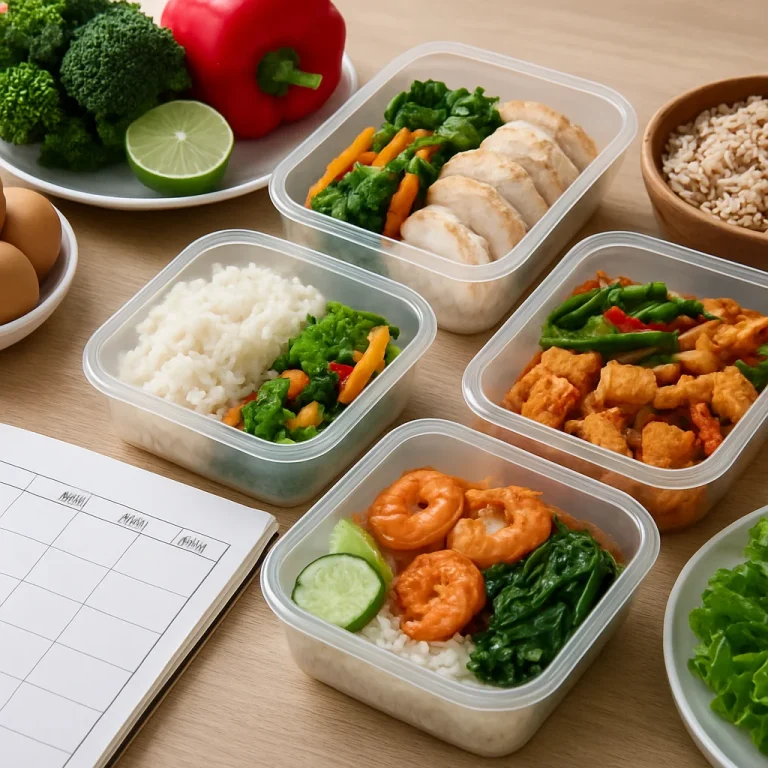
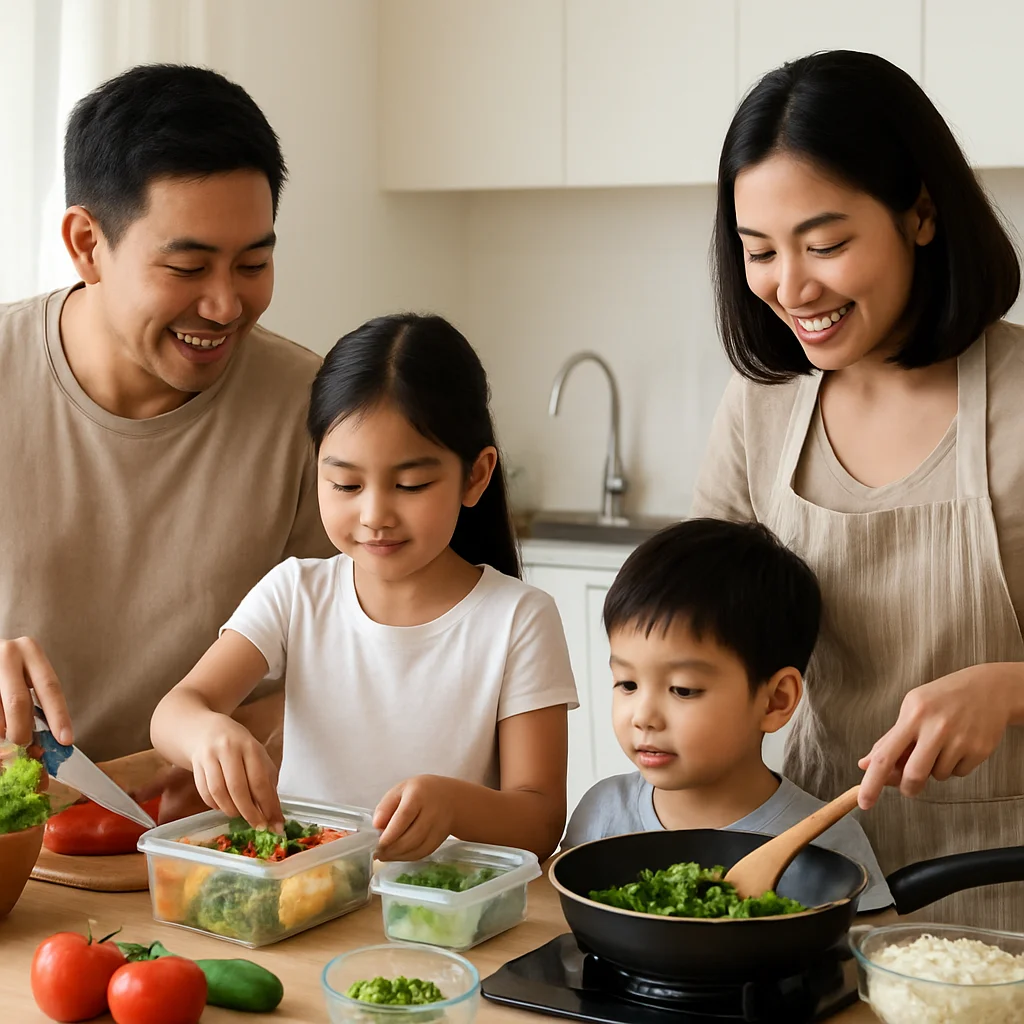
[IMAGE: Family meal prep containers on a kitchen counter, varied whole foods, chicken, rice, vegetables, labeled containers — alt text: Family meal prep Singapore with balanced whole foods in labeled containers]
Why family meal prep works better than daily cooking
The biggest win is consistency. When dinner is already planned, you’re less likely to default to takeaway because everyone is tired and hungry at 7.30 pm. That’s especially useful in Singapore, where grab-and-go options are everywhere and can quietly blow up your sodium and calorie intake.
I’ve seen families do best when they stop aiming for “perfect” and start aiming for repeatable. A simple rotation of 6–8 meals is enough to keep things interesting without forcing you to reinvent lunch and dinner every day.
There’s also a money angle. A week of home-prepped meals built from eggs, tofu, chicken thighs, minced pork, ikan kembung, brown rice, sweet potato, kang kong, cabbage, carrots, and Greek yogurt often costs less than several days of food delivery. Prices vary, of course, but in Singapore I regularly see:
- Eggs: around S$3.20–S$5.50 per tray depending on brand and size
- Tofu: often under S$2 per block at supermarkets
- Chicken thighs: commonly cheaper than breast by weight
- Brown rice / basmati rice: usually more economical in larger bags
- Leafy veg like kailan, chye sim, and kang kong: often affordable at wet markets
Healthy family meal prep Singapore also gives you better control over sodium. That matters for people managing high blood pressure, water retention, or just the post-hawker stall “why am I so thirsty?” feeling.
Transitioning from the why to the how, the next step is setting a system that doesn’t rely on willpower.
The repeatable family meal prep workflow
The simplest workflow has five steps. It sounds almost too plain, which is usually a good sign.
1) Pick your planning window
Most families do well with either:
- 3-day prep if fridge space is tight
- 5-day prep for a standard workweek
- 2 prep sessions weekly if the family prefers fresher food
For busy households, I usually recommend one main prep day on Sunday and a short top-up on Wednesday. That keeps vegetables fresher and reduces the “everything tastes like Monday lunch by Thursday” problem.
2) Choose 3 proteins, 2 carbs, 4 vegetables
Keep the matrix small. Example:
- Proteins: chicken thigh, eggs, tofu
- Carbs: jasmine rice, sweet potato
- Vegetables: broccoli, cabbage, spinach, carrots, cucumber, tomatoes
This gives you enough variety for different meals without turning grocery shopping into a scavenger hunt. It also helps you build a healthy family meal prep Singapore routine that works with local groceries rather than imported trend foods you’ll use once and forget.
3) Assign one flavour profile per batch
Don’t season everything the same way unless you enjoy boredom. Pick one or two profiles:
- Soy-garlic
- Black pepper
- Turmeric-cumin
- Miso-ginger
- Lemongrass-lime
- Tomato-herb
For Singaporean kitchens, soy-garlic and black pepper usually get the most mileage. A quick marinade of light soy sauce, garlic, ginger, and a little sesame oil works well for chicken, tofu, and mushrooms. If you’re watching sodium, use less soy and bulk up flavour with garlic, onion, lime juice, pepper, and herbs.
4) Batch-cook components, not finished “perfect meals”
This is where most people overcomplicate things. Cook:
- proteins
- grains/starches
- vegetables
- one sauce or condiment
Then assemble at mealtime. That keeps textures better and makes the food more flexible for family members with different appetites.
[IMAGE: Meal prep component layout with proteins, rice, vegetables, sauces separated — alt text: Batch-cooked meal prep components for family meal planning Singapore]
5) Portion after cooling
Let hot food cool first, then portion into containers. This reduces condensation and soggy rice. If you pack steaming food straight away, you’re basically building a humidity experiment.
For food safety, refrigerate within 2 hours of cooking. In Singapore’s heat, don’t leave it out longer than needed. The Singapore Food Agency guidance and general food safety practice both point in the same direction: cool promptly, store properly, and reheat thoroughly.
Transitioning from workflow to actual shopping, the next section is where the plan becomes practical and affordable.
Smart grocery shopping in Singapore
A good grocery list saves more time than a fancy recipe ever will. When I shop for a family meal prep week, I usually split the list into four buckets:
Proteins
Affordable options in Singapore include:
- Eggs
- Chicken thighs or drumsticks
- Minced chicken or pork
- Firm tofu
- Tempeh
- Canned tuna or sardines
- Fish like batang, dory, or ikan kembung
If you’re choosing fish, oily fish like ikan kembung can be a solid budget option and supports heart health because it naturally contains omega-3 fats. For seniors or anyone with chewing issues, minced meat, steamed fish, and tofu are easier to work with.
Carbohydrates
Pick carbs that work for energy and satiety:
- Jasmine rice
- Brown rice
- Basmati rice
- Sweet potato
- Oats
- Wholemeal bread
- Rice noodles for occasional variety
If someone in the family has insulin resistance or prediabetes, I’d still avoid demonising carbs. Instead, pair them with protein and fibre, and keep portions sensible. A 1:1:2 plate balance—protein, carbs, vegetables—often works better than low-carb extremes that nobody sticks with.
Vegetables
Go for local, affordable, and forgiving vegetables:
- Kang kong
- Chye sim
- Cabbage
- Carrots
- Broccoli
- Cauliflower
- Spinach
- Cucumber
- Tomatoes
- Bean sprouts
Cabbage and carrots are especially useful because they last longer and survive reheating better than delicate greens. For fibre, aim for 20g+ daily per adult where possible. That’s one reason I like adding a big veg side to lunch and dinner, not just a token cucumber slice next to the rice.
Flavour builders
These help you avoid bland meal-prep fatigue:
- Garlic
- Onion
- Ginger
- Lime
- Chilli padi
- Light soy sauce
- Black pepper
- Sesame oil
- Tomato paste
- Turmeric
- Cumin
If your family likes local flavours, you can lean into sambal-style heat, ginger scallion, or curry spices without turning every meal into a sodium bomb.
You can also use [INTERNAL LINK: family grocery list templates] and [INTERNAL LINK: budget meal planning tips] to keep the process faster each week.
Transitioning from shopping to cooking, the next section covers batch techniques that actually hold up in real life.
Batch-cooking methods that save time
The best prep methods are the ones you’ll repeat. A Sunday session should feel efficient, not like a cooking marathon.
Oven tray-bakes
Tray-bakes are ideal for chicken, tofu, pumpkin, broccoli, and carrots. Spread ingredients in one layer, toss with oil and seasonings, then roast at 200°C for 20–35 minutes depending on the food.
A practical example:
- Chicken thighs: 25–30 minutes
- Tofu cubes: 20–25 minutes
- Broccoli: 12–15 minutes
- Carrots: 20–25 minutes
Use parchment paper if you hate scrubbing trays. I do.
Rice cooker and pot cooking
A rice cooker is still one of the most useful appliances in a Singapore home. Cook a batch of rice, then cool it quickly before portioning. For variety, mix white rice with brown rice, or add sweet potato cubes into a separate steaming basket.
Stir-fry in stages
If you’re cooking vegetables for the week, don’t overcook them into retirement. Stir-fry sturdy vegetables first, then add leafy greens last. A quick method:
- Heat oil.
- Add garlic and onion.
- Add protein.
- Add harder vegetables.
- Finish with leafy greens and sauce.
This works well for kang kong, bok choy, and cabbage. It keeps texture better than dumping everything into one pan and hoping for magic.
Boil and chill for grab-and-go items
Hard-boiled eggs, edamame, and blanched vegetables are useful for breakfast boxes and snacks. Boil eggs for 9–11 minutes, then cool in ice water for easy peeling. If you’ve ever wrestled a badly peeled egg at 8 am, you know why this matters.
[IMAGE: Oven tray-bake chicken and vegetables in foil-lined tray — alt text: Easy oven tray-bake for healthy family meal prep Singapore]
How to build meals for different family members
A healthy family meal prep Singapore plan should not force every person to eat the same amount. Adults, teens, seniors, and active kids all need different portions, even if the dish is the same.
A simple structure:
- Protein: adjust by appetite and goals
- Carbs: increase for active family members, reduce for weight loss goals
- Vegetables: keep generous across the board
- Fats: add modestly through cooking oil, avocado, nuts, or sesame
Example plate setup
For a parent aiming for fat loss:
- 1 palm protein
- 1 cupped hand carbs
- 2 fists vegetables
For a gym-going partner aiming for muscle gain:
- 1.5–2 palms protein
- 1–2 cupped hands carbs
- 2 fists vegetables
For an older adult focused on blood sugar stability:
- Protein at every meal
- Moderate carbs
- Plenty of fibre-rich vegetables
- Lower sodium sauces
That flexibility is one reason family meal prep works. You cook one base meal and adjust the portions instead of cooking separate menus for everyone.
If you want a more precise method, [INTERNAL LINK: TDEE-based calorie planning] and [INTERNAL LINK: macro targets made simple] can help you set portions by goal rather than guesswork.
Transitioning from portioning to nutrition, let’s keep the macro side simple and realistic.
Making macros work without overcomplicating dinner
You do not need to weigh every grain of rice forever. That’s how meal prep becomes a part-time accounting job.
Start with the basics:
- Protein helps preserve and build muscle
- Carbs give energy and support training and daily activity
- Fats support hormones and help meals feel satisfying
For most families, the main win is simply getting enough protein at each meal. Common protein sources in Singapore households include eggs, chicken, tofu, tempeh, fish, Greek yogurt, and lean pork. I’ve found that people stick to meal prep much better when protein is visible and plentiful, not hidden in a tiny corner like an afterthought.
For people managing insulin resistance, the goal is usually better meal composition rather than extreme restriction. Pair carbs with protein and fibre, choose less processed staples, and avoid sugary drinks. White rice can still fit. So can noodles, if portions are sensible and the rest of the plate isn’t a sodium festival.
For kidney health concerns, especially if someone already has diagnosed kidney disease, protein targets should be discussed with a clinician or dietitian. That’s not a “trust the app” situation.
Transitioning from nutrition to storage, the final practical piece is keeping food safe and usable.
Storage, reheating, and food safety for Singapore homes
Singapore kitchens are warm. Food left out too long degrades fast, both in texture and safety.
A few habits make a big difference:
- Cool cooked food quickly in shallow containers
- Refrigerate within 2 hours
- Label containers with date and meal
- Reheat until piping hot
- Use the oldest food first
Rice deserves extra care. Cooked rice should be cooled promptly and stored properly to reduce the risk of bacterial growth. That’s not melodrama; it’s sensible handling.
Most prepped meals keep well for:
- 3–4 days in the fridge for many cooked dishes
- Up to 2–3 months in the freezer for cooked proteins and sauces
For best texture, freeze sauces separately. Coconut-based curries, tomato sauces, and marinated proteins usually thaw better than already mixed rice bowls.
A practical routine is to keep:
- 2–3 days of meals in the fridge
- 2–3 servings in the freezer
- fresh fruit and salad items for quick add-ons
That approach reduces waste and gives you a backup when a work meeting runs late or the kids decide the rice is “wrong.” Kids are nothing if not consistent in their opinions.
A sample 5-day healthy family meal prep Singapore plan
Here’s a simple example using affordable ingredients available around Singapore:
Prep list
- Chicken thighs
- Eggs
- Firm tofu
- Brown rice
- Sweet potatoes
- Broccoli
- Cabbage
- Carrots
- Cucumbers
- Garlic, ginger, soy sauce, pepper, sesame oil
Batch cook
- Roast soy-garlic chicken thighs
- Pan-sear tofu
- Boil eggs
- Cook brown rice
- Roast sweet potatoes
- Stir-fry cabbage and carrots
- Slice cucumbers for fresh sides
Meal rotation
- Monday lunch: chicken, rice, broccoli
- Monday dinner: tofu, sweet potato, cabbage
- Tuesday lunch: chicken rice bowl with cucumber
- Tuesday dinner: egg and tofu salad plate
- Wednesday lunch: chicken, rice, carrots
- Wednesday dinner: freezer backup or fresh top-up cook
This kind of plan keeps shopping simple and allows family members to mix the same foods in different ways. One person can eat more rice, another can add extra vegetables, and everyone still shares the same kitchen effort.
Common mistakes families make
The most common mistake is trying to prep too many dishes at once. Six recipes sound impressive. They also turn Sunday into a demolition site.
Other mistakes I see often:
- Buying too many fresh items that spoil quickly
- Ignoring sodium in sauces
- Skipping fibre
- Making meals too low in protein
- Forgetting that family members may need different portions
- Cooking food nobody actually likes
Healthy family meal prep Singapore works when the food is familiar enough to eat again, flexible enough to adjust, and simple enough to repeat next week.
If you want a system that handles family portions, grocery lists, and macro targets without spreadsheet chaos, KnowMeal can help you plan meals around your household and goals.
FAQ
Is healthy family meal prep Singapore expensive?
Not necessarily. If you use affordable staples like eggs, tofu, chicken thighs, cabbage, and rice, meal prep can cost less than frequent takeaway. The real cost creep usually comes from too many specialty items, snacks, and food waste.
How many days of meals should I prep at once?
Most families do well with 3 to 5 days. If fridge space is limited or you prefer fresher vegetables, split the prep into two shorter sessions each week. That usually beats one giant cooking marathon.
What foods are best for insulin resistance?
Focus on meals with protein, fibre, and controlled portions of carbs. Good options include eggs, tofu, fish, chicken, leafy greens, cabbage, brown rice, and sweet potato. Avoid sugary drinks and oversized portions of refined carbs.
Can I meal prep for kids and adults together?
Yes, and it’s often easier than cooking separately. Use the same foods, then adjust the portions: more carbs for active kids, more protein and vegetables for adults, and milder seasoning if needed. Shared meals are the point.
How do I keep meal prep from getting boring?
Rotate flavours, not just ingredients. A chicken dish can taste different with soy-garlic, black pepper, turmeric-cumin, or ginger-lime seasoning. Also, changing the sauce can make plain rice feel like a new meal.
What if someone in my family has kidney issues or diabetes?
Meal prep can still work, but the plan should be adjusted carefully. For kidney disease, protein and minerals may need individual guidance from a doctor or dietitian. For diabetes or insulin resistance, portion control, fibre, and balanced meals matter more than extreme carb cutting.
Key Takeaways
- Plan fewer meals, repeat them weekly.
- Batch-cook components, not complicated dishes.
- Use affordable Singapore staples first.
- Keep protein visible at every meal.
- Store and cool food safely.
- Adjust portions for each family member.
- Rotate flavours to prevent boredom.
- Prioritise fibre-rich vegetables daily.
Primary CTA
If you want a healthier, easier system for healthy family meal prep Singapore, try KnowMeal to build personalised meal plans, shared grocery lists, and family-friendly macro targets in one place. Start planning meals that fit your household, your budget, and your real life — not a fantasy kitchen with unlimited time.
Key Takeaways
- Repeat a simple weekly prep workflow.
- Batch-cook components for flexible meals.
- Use affordable Singapore grocery staples.
- Keep protein, fibre, and portions balanced.
- Store food safely and reheat properly.
- Rotate flavours to avoid meal-prep fatigue.
Frequently Asked Questions
Q: Is healthy family meal prep Singapore expensive?
How many days should I prep at once?
Can I meal prep for kids and adults together?
What foods help with insulin resistance?
How do I stop meal prep from getting boring?
Is this advice medical?
Want a smarter way to manage **healthy family meal prep Singapore** without spreadsheets and guesswork? Try KnowMeal to build personalised meal plans, shared grocery lists, and macro-based family menus that fit your routine.