A Simple Meal Prep System for Busy Weeks
If you want meal prep for busy weeks to feel realistic instead of restrictive, the key is to keep the system simple. You do not need to cook every meal from scratch or spend your whole Sunday in the kitchen. You just need a repeatable structure that saves time, supports your health goals, and makes it easier to eat well on hectic days.
For busy professionals, parents, and anyone juggling work, family, and fitness, a good meal prep system reduces decision fatigue and makes healthy eating automatic. The best approach is built around a few flexible meals, easy ingredients, and smart planning. If you are also trying to stay consistent with weekly routines, you may find [LINK_TO: A Practical Guide to Weekly Planning for Busy People] helpful as a companion to this guide.
Why Meal Prep for Busy Weeks Works So Well
Most people do not fail because they lack discipline. They struggle because busy weeks create too many small decisions: what to buy, what to cook, what to eat, and when to eat it. A simple meal prep system removes those decisions before the week starts.
With meal prep for busy weeks, you can:
- save time during rushed weekday mornings and evenings
- reduce takeout and last-minute food spending
- stay aligned with fat loss, muscle gain, or maintenance goals
- eat more balanced meals with enough protein, fibre, and energy
- make healthy choices feel easier when life gets chaotic
This approach is especially useful if you are working on body recomposition or managing appetite and blood sugar more intentionally. For a deeper look at nutrient balance, see [LINK_TO: What Are Macros in Food? Simple Guide] and [LINK_TO: How to Count Macros for Beginners | KnowMeal].
The Simple Meal Prep Framework: 3-2-1
The easiest system is the 3-2-1 framework. It keeps prep manageable while still giving you enough variety to avoid boredom.
3 proteins
Choose three protein options for the week. Protein helps with fullness, muscle repair, and stable energy. Good choices include:
- grilled chicken breast or thigh
- hard-boiled eggs
- tofu or tempeh
- lean minced turkey or chicken
- fish fillets such as salmon, cod, or ikan merah
2 vegetables
Select two vegetables that are easy to cook and store well. Think of:
- broccoli
- bok choy
- cabbage
- carrots
- cucumber
- frozen mixed vegetables
1 carbohydrate base
Pick one or two carbs that reheat well and suit your goals:
- brown rice
- jasmine rice in controlled portions
- sweet potatoes
- wholemeal noodles
- oats
If you want a Singapore-friendly version of this approach, [LINK_TO: Singaporean Food Healthy Meal Plan for Real Life] and [LINK_TO: Healthy Eating for Busy Professionals | KnowMeal] can help you build meals around familiar foods.
How to Set Up Meal Prep for Busy Weeks in 5 Steps
1. Plan your week before shopping
Start by checking your calendar. Identify your busiest days, travel days, or evenings when you know you will be tempted to skip cooking. Then decide how many breakfasts, lunches, and dinners you actually need. This prevents over-prepping and wasted food.
If planning feels like a separate skill you need to build, [LINK_TO: How to Build a Simple Weekly Meal Planning System That Saves Time and Reduces Stress] is a great next step.
2. Choose meals you can repeat
Busy weeks are not the time for complicated recipes. Repeatability is a strength, not a weakness. A simple combo like chicken rice bowls, tofu stir-fry with vegetables, or eggs with oats can cover multiple meals without much effort.
Try to build 2 to 3 core meals and rotate sauces or sides for variety. That keeps prep efficient while still making the week feel fresh.
3. Prep ingredients, not just full meals
If assembling full containers feels overwhelming, prep components instead. Wash vegetables, cook a batch of rice, roast protein, and portion snacks. Ingredient prep gives you more flexibility and makes it easier to mix and match meals.
This is also a useful strategy if you are managing budget and time at the same time. For cost-conscious planning, visit [LINK_TO: Affordable Healthy Meals Singapore | Budget Meal Ideas] and [LINK_TO: How to Build a Simple Grocery Budget System That Saves Money and Reduces Stress].
4. Use containers that make portioning easy
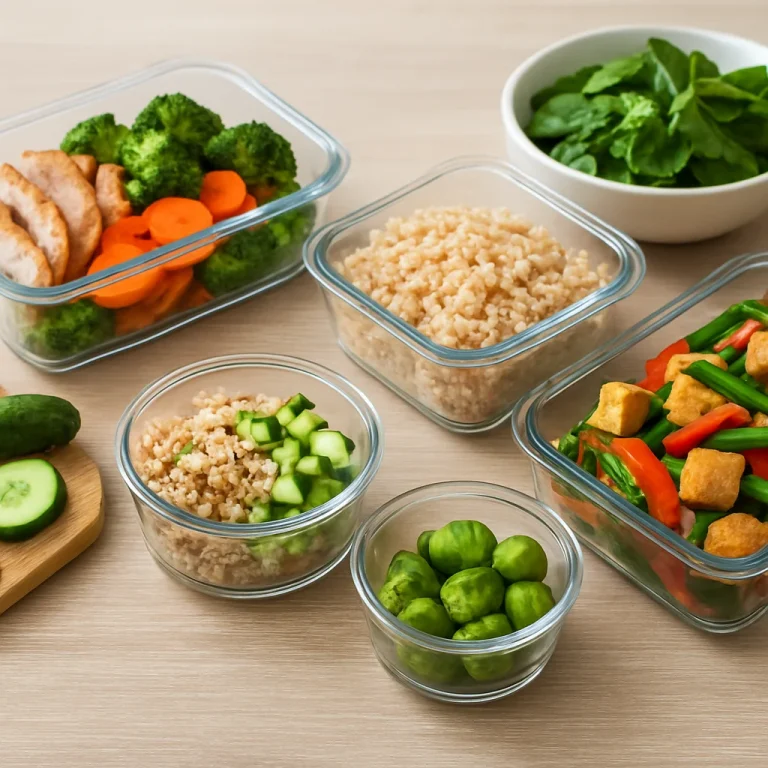
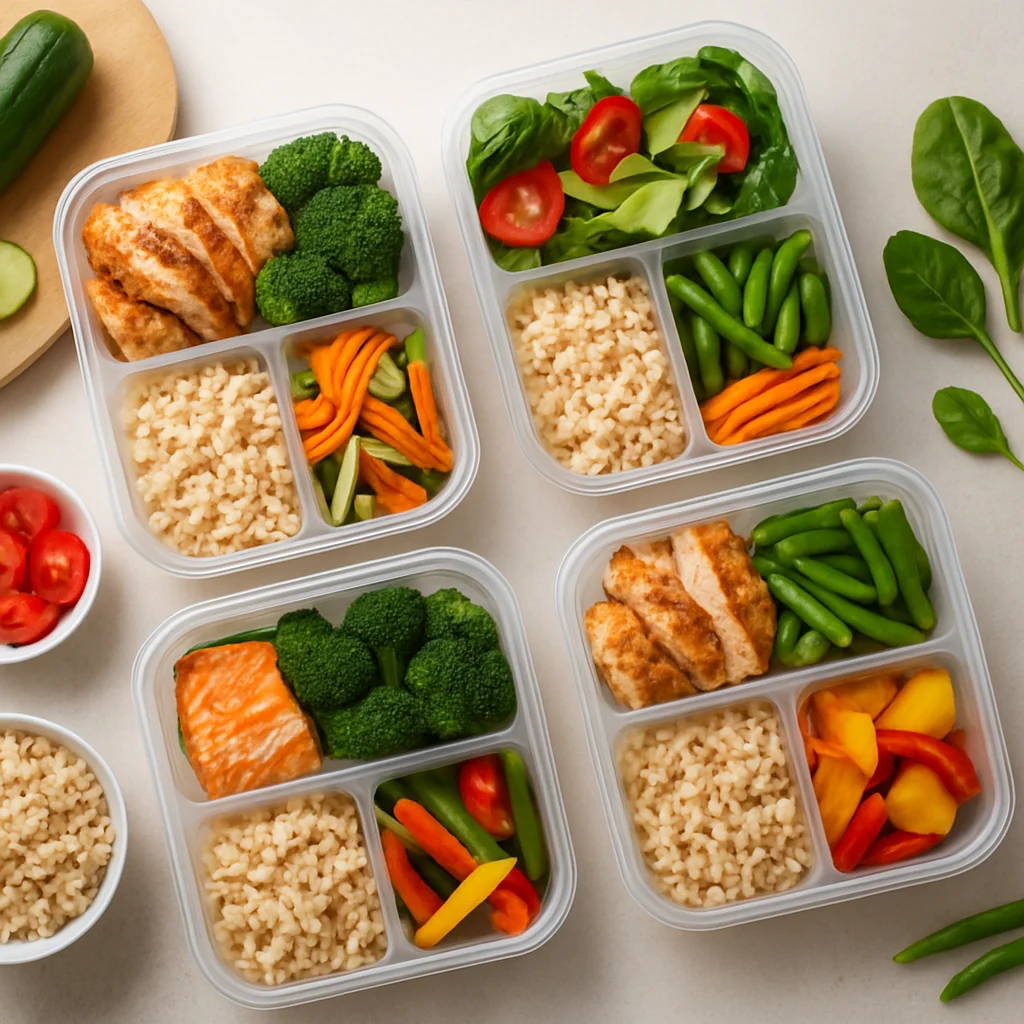
Choose clear containers so you can see what is inside. Stackable, microwave-safe containers make weekday meals faster and reduce cleanup. If your goal is fat loss or better portion control, pre-portioning meals can help you stay on track without constantly measuring during the week.
If you want a tool to estimate portions more precisely, [LINK_TO: Macro Calculator for Weight Loss | KnowMeal] and [LINK_TO: Calorie Calculator for Fat Loss | KnowMeal] are useful references.
5. Build a backup plan
Even the best system needs backup options. Keep a few emergency foods on hand, such as tuna, yogurt, fruit, frozen vegetables, eggs, or pre-cooked protein. That way, one unexpected meeting or late night will not derail your whole week.
A Realistic Sunday Prep Routine
A good meal prep routine does not have to take all day. You can complete a useful reset in about 60 to 90 minutes.
- Start with a grocery check and make a short list.
- Wash, chop, and store vegetables first.
- Cook proteins in batches using simple seasoning.
- Prepare one carb base such as rice, sweet potato, or oats.
- Assemble 2 to 4 meals and store the rest as components.
- Pack snacks and breakfast items where you can see them.
If your Sundays already feel packed, pairing this with [LINK_TO: A Simple Sunday Reset Routine for a More Productive Week] can make the habit even easier to maintain.
Simple Meal Ideas for Busy Weeks
You do not need dozens of recipes. Start with a few meals that fit your taste, schedule, and goals.
- Chicken rice bowl: grilled chicken, brown rice, cucumber, and a light soy-lime dressing
- Egg and vegetable breakfast box: boiled eggs, cherry tomatoes, sautéed greens, and fruit
- Tofu noodle bowl: tofu, wholemeal noodles, cabbage, carrots, and sesame dressing
- Salmon sweet potato plate: baked salmon, roasted sweet potato, and broccoli
- Overnight oats: oats, Greek yogurt, chia seeds, and berries
These meals work well because they are balanced, portable, and easy to repeat. They also support sustainable eating habits better than all-or-nothing dieting.
How to Make the System Sustainable
The best meal prep system is the one you can follow during real life, not just when motivation is high. Keep it sustainable by using these rules:
- cook enough for 3 to 4 days, not necessarily the whole week
- repeat meals on your busiest days and save variety for calmer days
- use frozen vegetables when fresh prep is too much
- buy convenience items that reduce friction, such as pre-washed greens
- adjust portions based on your hunger, training, and goals
If your goal is weight loss, a whole-food approach often works best because it is filling and easier to regulate. You can explore this further with [LINK_TO: Whole Food Meal Plan for Easy, Healthy Weight Loss].
Final Thoughts on Meal Prep for Busy Weeks
Meal prep for busy weeks does not need to be complicated to work. When you focus on a few proteins, vegetables, and carb bases, you create a system that saves time, lowers stress, and supports healthier choices all week long.
Start small, repeat what works, and build from there. If you want more practical support, explore the linked guides and create a routine that fits your schedule, goals, and lifestyle. Ready to make healthy eating easier? Start with one prep session this week and build your system from there.