
The Best Weekly Reset Checklist for a Calm, Productive Week
Why a weekly reset checklist matters
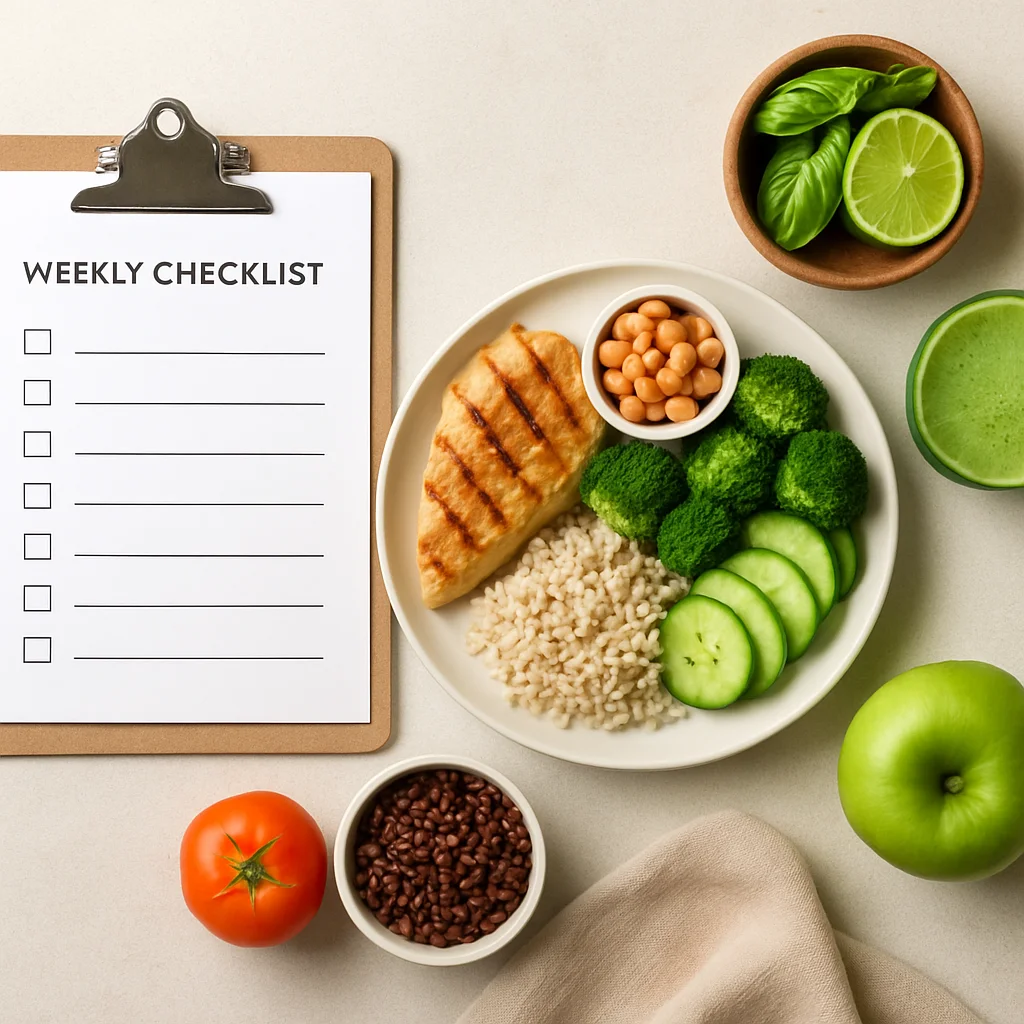
A weekly reset checklist is one of the simplest ways to reduce stress, get organised, and start Monday feeling calm instead of overwhelmed. Instead of reacting to the week as it happens, you create a small system that helps you review, plan, and prepare in advance. That means fewer forgotten tasks, less decision fatigue, and a smoother routine for work, meals, and home life.
For busy professionals, parents, and anyone juggling multiple responsibilities, a weekly reset checklist can be the difference between a chaotic week and a focused one. It works especially well when paired with a practical planning method like [LINK_TO: The Ultimate Weekly Planning System for Busy People] and a simple routine like [LINK_TO: A Simple Sunday Reset Routine for a More Productive Week].
The best part? You do not need a complicated system. A calm, productive week usually starts with a few repeatable steps that take less than an hour.
The best weekly reset checklist
Use this weekly reset checklist at the end of the week, ideally on Sunday afternoon or evening. Think of it as a small reset for your calendar, your mind, and your environment.
- Review the past week
Look back at what went well, what felt stressful, and what still needs attention. This is not about judging yourself. It is about spotting patterns so next week runs more smoothly.
- Clear your workspace
A tidy desk or clean work area helps you start fresh. Put away loose papers, clear cups or clutter, and make space for the week ahead. If your home needs a broader reset, pair this step with [LINK_TO: Simple Home Organization Checklist for Busy Households].
- Check your calendar
Review appointments, deadlines, school events, meetings, and social plans. Add important dates now so nothing sneaks up on you midweek.
- Write your top 3 priorities
Choose the three most important outcomes for the week. This helps you focus on meaningful progress instead of trying to do everything at once.
- Plan your meals
Meal planning is one of the fastest ways to reduce weekday stress. Decide what you will eat for breakfast, lunch, dinner, and snacks. For an easy food-first approach, see [LINK_TO: A Simple Meal Prep System for Busy Weeks] and [LINK_TO: Beginner’s Guide to Meal Prep for Busy Weekdays].
- Create a grocery list
Once your meals are planned, write a grocery list based on what you already have at home. This reduces waste and keeps your shopping focused. If you want a more structured approach, explore [LINK_TO: How to Build a Simple Grocery Budget System That Saves Money and Reduces Stress].
- Reset laundry and household tasks
Put a load of laundry in, fold clean clothes, take out rubbish, or handle one small home task that would otherwise interrupt your week. These tiny resets prevent small chores from piling up.
- Prepare your work essentials
Charge devices, refill your water bottle, pack your bag, and gather anything you need for Monday. This lowers friction and helps you begin the week with momentum.
- Set up your mornings
Choose the outfit you will wear, prep breakfast if needed, and make sure your morning feels easy. A good week often starts with a realistic morning rhythm, so it may help to read [LINK_TO: How to Build a Realistic Morning Routine That Actually Sticks].
- Do a quick money check-in
Take a few minutes to look at upcoming expenses, bills, or spending plans. Even a short review can reduce financial stress and help you feel more in control. If you want a broader system, check out [LINK_TO: How to Build a Simple Personal Budget System That Saves Time and Reduces Stress].
How to make your weekly reset checklist easy to stick to
The best weekly reset checklist is the one you actually use. If your routine feels too long or too strict, you will stop doing it. Keep it simple, repeatable, and realistic for your lifestyle.
1. Keep the reset under one hour
You do not need to spend an entire evening planning. A 30- to 60-minute reset is usually enough for most people. Focus on the highest-impact tasks only.
2. Use the same order every week
When your checklist follows the same sequence, it becomes easier to remember. Your brain learns the pattern, and the process starts to feel automatic.
3. Build around your real life
If you have children, shift work, business travel, or shared household responsibilities, adjust the checklist to fit your routine. Productivity should support your life, not fight against it.
4. Combine planning with meals
Food is one of the biggest sources of weekly friction. By planning meals alongside your tasks, you save time and make healthier choices easier. For Singapore-friendly ideas, see [LINK_TO: Singaporean Food Healthy Meal Plan for Real Life] or [LINK_TO: Healthy Eating for Busy Professionals | KnowMeal].
5. Keep your food goals simple
If you are working on fat loss, energy, or body recomposition, your weekly reset can support those goals too. A simple meal structure and clear grocery plan can make healthy eating feel more manageable. Learn more in [LINK_TO: Whole Food Meal Plan for Easy, Healthy Weight Loss] or [LINK_TO: What Are Macros in Food? Simple Guide].
A calm weekly reset workflow you can copy
If you want a simple starting point, use this flow every weekend:
- Review last week
- Clean your desk and living space
- Check calendar and deadlines
- Write your top 3 priorities
- Plan meals for the week
- Make your grocery list
- Prep clothes, bags, and essentials
- Do one money check-in
- Set your Monday morning up for success
This approach works because it connects the key areas that affect your week: time, food, home, and energy. When those parts are organised, everything else feels easier.
Common mistakes to avoid
Even a great weekly reset checklist can fail if it becomes too complicated. Watch out for these common mistakes:
- Trying to plan every minute instead of focusing on priorities
- Ignoring meals and then relying on last-minute food decisions
- Making the checklist too long to complete consistently
- Skipping review and repeating the same problems each week
- Forgetting Monday prep, which creates a rushed start
To keep things sustainable, treat your checklist like a support tool, not a test.
Conclusion: build a reset that helps you breathe easier
A good weekly reset checklist does not just make you more productive; it helps you feel calmer, more prepared, and more in control of your time. When you review your week, plan your meals, organise your space, and set clear priorities, you give yourself a better chance at a smoother start every Monday.
Start small, stay consistent, and make the checklist fit your real life. If you want to go further, explore [LINK_TO: A Practical Guide to Weekly Planning for Busy People] and [LINK_TO: How to Build a Simple Weekly Meal Planning System That Saves Time and Reduces Stress].
Ready to make your next week feel lighter and more organised? Save this weekly reset checklist and start your Sunday reset today.