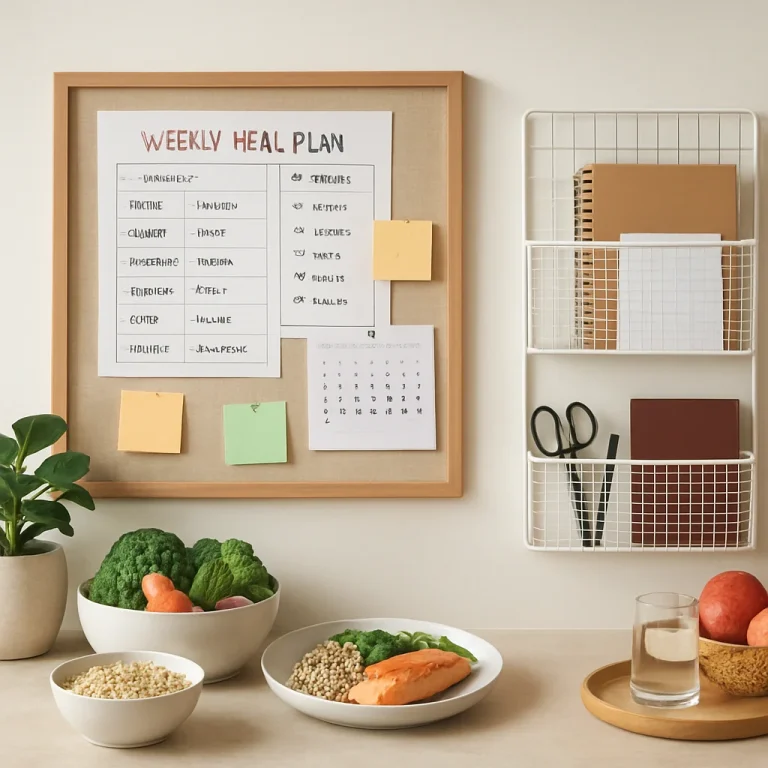

How to Make a Family Lunch Planner That Saves Time Every Week
A family lunch planner can save hours each week, reduce last-minute stress, and make weekday meals feel far more manageable. Instead of scrambling to figure out what everyone will eat, you create one simple system that answers the same question every day: “What’s for lunch?”
If your household is juggling school, work, activities, and different food preferences, lunch often becomes the meal that gets overlooked. That usually leads to expensive takeout, repetitive sandwiches, forgotten leftovers, and rushed decisions. The good news is that a family lunch planner does not need to be complicated. In fact, the best one is usually the easiest to maintain.
Why a Family Lunch Planner Makes Weekly Life Easier
A family lunch planner helps you turn lunch from a daily emergency into a predictable routine. When lunch is planned ahead, you buy groceries with purpose, prep smarter, and avoid wasting food that sits untouched in the fridge.
It also creates more consistency for the whole family. Kids know what to expect. Adults know what to pack. And anyone with health goals can keep meals aligned with their needs, whether that means higher protein, lower sugar, or more balanced portions.
If you already use a weekly system at home, your lunch planner fits naturally into that structure. It can sit alongside your [LINK_TO: How to Set Up a Family Calendar System That Everyone Actually Uses], or be part of your [LINK_TO: How to Create a Weekly Planning System That Reduces Stress]. The goal is not perfection. The goal is fewer decisions during busy mornings.
Start with a Simple Weekly Lunch Structure
The easiest family lunch planner starts with structure, not recipes. Pick a basic weekly framework that repeats. For example:
- Monday: leftovers or reset lunch
- Tuesday: sandwich or wrap day
- Wednesday: rice bowl or noodle bowl
- Thursday: salad, soup, or lighter meal
- Friday: flexible mix-and-match lunch
This approach makes planning faster because you are only choosing within categories, not starting from scratch every week. It also helps when you are trying to support different nutritional goals. For instance, a rice bowl can easily become a higher-protein option, while a sandwich day can work for both adults and children with different fillings.
Choose a lunch format that fits your household
Think about what your family actually eats. A family lunch planner only works if the meals are realistic for your routine. Ask yourself:
- Do lunches need to be packable?
- Will anyone eat at home during the day?
- Do you need hot meals or room-temperature meals?
- Are there dietary needs to consider?
If you have family members managing blood sugar, it may help to plan lunches around steady energy and balanced macronutrients. You can use ideas from [LINK_TO: Diabetes Friendly Meal Plan Singapore Guide] or [LINK_TO: Insulin Resistance Meal Plan for Better Blood Sugar] to build lunches that support better glucose control.
Build Your Family Lunch Planner Around Repeatable Ingredients
The fastest way to save time is to reuse ingredients in different ways. A strong family lunch planner relies on a short list of versatile foods that can be mixed into multiple meals.
For example, one grocery list could support several lunches:
- Cooked chicken or tofu
- Boiled eggs
- Brown rice or quinoa
- Wholegrain bread or wraps
- Cucumber, tomatoes, lettuce, carrots
- Fruit like apples, bananas, or mandarins
- Hummus, yogurt, or simple dressings
With these staples, you can build wraps, rice bowls, bento boxes, salads, and quick snack-style lunches. This also keeps shopping simpler and reduces waste.
Use a “mix and match” lunch formula
A reliable formula can make lunch planning much easier:
- Choose a protein: chicken, eggs, tuna, tofu, tempeh, beans
- Add a carb: rice, bread, noodles, potatoes, crackers
- Include vegetables: fresh, cooked, or raw
- Add fruit or a small snack: to round out the meal
This method works especially well for busy households because it gives you flexibility without losing structure. It also supports body composition goals when meals are built intentionally. If that is relevant for your household, you may want to explore [LINK_TO: Body Recomposition Meal Plan for Fat Loss + Muscle] for more balanced meal ideas.
Make the Planner Visible and Easy to Use
A family lunch planner only saves time if everyone can see it. Hidden notes in a phone app or a meal plan buried in a notebook are easy to forget. Put the planner where it will be used.
Good visibility options include:
- A whiteboard on the fridge
- A printed weekly lunch chart
- A section in your household command center
- A page inside your family binder
If your home already has a central system, add lunch planning there. A [LINK_TO: How to Create a Household Command Center That Keeps Your Family on Track] or [LINK_TO: How to Build a Family Information Hub That Keeps Everything in One Place] can be a perfect place to store weekly lunch ideas, grocery lists, and prep notes.
For families that prefer paper-based systems, a [LINK_TO: How to Create a Home Paperwork System That Prevents Lost Documents] or [LINK_TO: How to Create a Family Information Binder That Everyone Can Use] can help keep lunch menus organized alongside other home routines.
Prep Lunch Components During a Weekly Reset
The best family lunch planner is paired with a simple prep routine. You do not need to cook every lunch in advance. Instead, prepare the parts that save the most time.
During your weekly reset, you can:
- Wash and chop vegetables
- Cook one or two proteins
- Portion fruit into containers
- Boil eggs for easy grab-and-go lunches
- Make a batch of rice, pasta, or quinoa
- Restock lunchboxes, containers, and reusable utensils
This kind of prep works especially well when paired with [LINK_TO: A Simple Weekly Reset Routine That Makes Monday Feel Easier]. If Sundays are already your planning day, lunch prep can be a small part of that rhythm instead of a separate task.
Keep lunch prep to 30 minutes or less
To make the system sustainable, keep prep realistic. Choose two or three items to prep each week. That is usually enough to make weekday lunches much easier without creating burnout.
A helpful rule: if it takes too long, simplify it. A good family lunch planner should reduce stress, not add another chore to your list.
Plan for Different Ages and Appetites
One reason lunch planning gets messy is that different family members need different portions and foods. Children may want smaller servings and familiar foods. Teens may need more food. Adults may need lunches that are more filling and balanced.
To keep things flexible, use the same lunch base and adjust portions by person. For example:
- Kids: smaller wraps, cut fruit, simple sides
- Teens: larger portions, extra protein, more snacks
- Adults: balanced meals with protein, fiber, and healthy fats
If you are planning lunches for older adults, you may also want to consider texture, digestion, and protein needs. A gentle, practical approach can be found in [LINK_TO: Healthy Meal Planning for Seniors | Simple SG Meals].
Connect Lunch Planning to the Rest of the Household Routine
Lunch planning becomes much easier when it is not treated as a stand-alone task. Tie it to your family’s existing routines so it happens automatically.
For example:
- Review lunches during the weekly family meeting
- Add lunch items to the family calendar
- Assign packing responsibilities by day
- Check lunch supplies during the weekly home reset
If your household already uses a planning rhythm, you can strengthen it with [LINK_TO: How to Create a Family Weekly Planning Meeting That Actually Sticks] or [LINK_TO: How to Build a Household Routine That Actually Sticks]. For families that need help staying organized all week, [LINK_TO: A Simple Family Calendar Setup for Busy Households] and [LINK_TO: Weekly Family Calendar Template That Keeps Busy Households Aligned] can support the process.
You can also combine lunch planning with other home systems such as [LINK_TO: How to Build a Family Chore Chart That Actually Gets Used] or [LINK_TO: How to Create a Family Cleaning Schedule That People Actually Follow], especially if you want one family member to handle lunch setup on certain days.
Sample Family Lunch Planner Template
Here is a simple template you can use right away:
- Monday: leftovers + fruit
- Tuesday: chicken or tofu wraps + veggie sticks
- Wednesday: rice bowls + boiled egg
- Thursday: sandwich + yogurt + fruit
- Friday: mixed lunchbox with whatever remains
This kind of rotating plan saves time because it removes decision fatigue. It also makes grocery shopping much easier since your ingredients are tied to a repeatable system.
Conclusion: Make Lunch Planning Simple, Not Perfect
A family lunch planner works best when it is easy to follow, easy to see, and easy to repeat. Start with a basic weekly structure, reuse ingredients, prep a few components ahead of time, and connect lunch planning to your home routine. Small systems like this can create a big difference in how calm your weekdays feel.
If you want less stress and fewer lunch-time decisions, begin with one simple weekly lunch plan and adjust from there. The best planner is the one your family will actually use.
Call to action: Set up your first family lunch planner today using a 5-day template, then add it to your weekly planning routine so next week starts smoother.