
Budget-Friendly Weekly Meal Plan for Families: Simple, Flexible, and Affordable
Table of Contents
- Why this budget-friendly weekly meal plan for families works
- How to build a budget-friendly weekly meal plan for families
- Smart grocery strategies to save money
- Sample 7-day budget family meal plan
- Affordable breakfast, lunch, and dinner ideas
- How to make it flexible for picky eaters and busy schedules
- Meal prep tips that cut costs and time
- How to keep the plan healthy without overspending
- Singapore-friendly budget meal planning tips
- Final tips and next steps
Why this budget-friendly weekly meal plan for families works
A budget friendly weekly meal plan for families is one of the easiest ways to reduce food waste, lower grocery spending, and make weeknight dinners less stressful. Instead of deciding what to eat every day, you plan around a few affordable ingredients that can be reused across multiple meals. This creates a simple system that saves time, keeps meals balanced, and helps families stay consistent even when schedules are busy.
The best part is that budget meal planning does not have to mean boring food. With a few core proteins, vegetables, grains, and pantry staples, you can create meals that are flexible, filling, and family-friendly. It also works well for households that want healthier eating habits without the high cost of takeout or specialty ingredients. If you want to go deeper into systems that save time, see [LINK_TO: Meal Planning for Families: A Simple Weekly System That Saves Time and Money].
How to build a budget-friendly weekly meal plan for families
Start by choosing a simple structure for the week. Most families do well with a repeatable pattern: easy breakfasts, packable lunches, and 3 to 4 core dinners that can be rotated or repurposed. This reduces decision fatigue and helps you buy only what you need.
1. Pick 2 to 3 affordable proteins
Protein is often the most expensive part of the grocery bill, so choose versatile, lower-cost options such as eggs, tofu, chicken thighs, canned tuna, tempeh, lentils, or minced meat in bulk. These ingredients can be stretched into stir-fries, soups, rice bowls, wraps, and pasta dishes.
2. Add budget-friendly carbohydrates
Rice, oats, potatoes, sweet potatoes, wholemeal bread, noodles, and pasta are filling staples that help stretch meals further. They are also easy to batch cook and combine with vegetables and protein.
3. Use vegetables that last longer
Choose hardy vegetables such as cabbage, carrots, onions, frozen mixed vegetables, broccoli, kangkong, spinach, and tomatoes. Frozen vegetables are especially useful because they are affordable and reduce spoilage.
4. Plan one or two “mix-and-match” meals
Meals like fried rice, noodle soup, burrito bowls, curry rice, and stir-fry plates can be made from leftover ingredients. This flexibility is what makes a budget friendly weekly meal plan for families sustainable. For quick evening options, explore [LINK_TO: Easy Budget Family Dinner Ideas for Busy Weeknights] and [LINK_TO: Quick Dinner Ideas for Busy Weeknights: A Simple 30-Minute Meal System].
Smart grocery strategies to save money
Good meal planning starts before you enter the kitchen. A smart grocery strategy can cut costs significantly without sacrificing quality.
- Shop with a list: Always buy from a shared grocery list so you avoid duplicate purchases and impulse buys. Try [LINK_TO: Shared Grocery List Meal Planner for Families].
- Build meals around promotions: Look for weekly discounts on eggs, chicken, tofu, canned fish, and seasonal produce.
- Buy in bulk when it makes sense: Rice, oats, flour, noodles, and frozen proteins often cost less per serving in larger packs.
- Use the freezer wisely: Freeze bread, meat portions, chopped herbs, and leftover cooked food in family-sized servings.
- Plan for leftovers: Cook once and eat twice. For example, roast chicken can become sandwiches, soup, or fried rice the next day.
If your family needs more structure, use [LINK_TO: Meal Prep Planner for Families | Shared Meal Plan] to map out meals, prep tasks, and shopping before the week starts.
Sample 7-day budget-friendly weekly meal plan for families
Below is a flexible sample plan that uses simple ingredients across multiple meals. You can swap any protein, vegetable, or carb based on what is on sale or already in your pantry.
Day 1
- Breakfast: Oatmeal with banana and peanut butter
- Lunch: Egg and cucumber sandwiches
- Dinner: Chicken vegetable rice bowl with stir-fried cabbage
Day 2
- Breakfast: Scrambled eggs with toast
- Lunch: Leftover chicken rice bowl
- Dinner: Tofu and mixed vegetable stir-fry with noodles
Day 3
- Breakfast: Yogurt with fruit and oats
- Lunch: Tuna mayo wraps with lettuce
- Dinner: Minced meat tomato pasta with side salad
Day 4
- Breakfast: Overnight oats
- Lunch: Leftover pasta
- Dinner: Lentil curry with rice and spinach
Day 5
- Breakfast: Peanut butter toast and fruit
- Lunch: Rice bowl with leftover lentil curry
- Dinner: Egg fried rice with carrots, peas, and onions
Day 6
- Breakfast: Soft-boiled eggs with wholemeal toast
- Lunch: Fried rice leftovers
- Dinner: Simple fish or tofu soup with noodles and vegetables
Day 7
- Breakfast: Oat pancakes or banana oats
- Lunch: Sandwiches with leftover protein and vegetables
- Dinner: Family tray bake with potatoes, carrots, and chicken or tofu
This is a flexible template, not a rigid schedule. If your family prefers more variety, you can combine this with [LINK_TO: 7-Day Meal Plan for Busy Families: Easy, Affordable, and Flexible].
Affordable breakfast, lunch, and dinner ideas
Budget-friendly breakfast ideas
Breakfast should be simple, nutritious, and fast. Great low-cost options include oats, eggs, toast, bananas, yogurt, and peanut butter. Families with active kids or parents who need staying power may benefit from more protein at breakfast, so visit [LINK_TO: High-Protein Breakfast Ideas for Busy Mornings] and [LINK_TO: High-Protein Breakfast Ideas for Busy Weekdays].
Affordable lunch ideas
Lunch is easiest when it comes from leftovers or meal-prepped staples. Rice bowls, wraps, sandwiches, noodle containers, soup thermoses, and pasta salads are all practical. For more ideas, see [LINK_TO: Easy High-Fiber Lunch Ideas for Busy Weekdays] and [LINK_TO: High-Protein Lunch Ideas for Busy Weekdays].
Cheap but satisfying dinner ideas
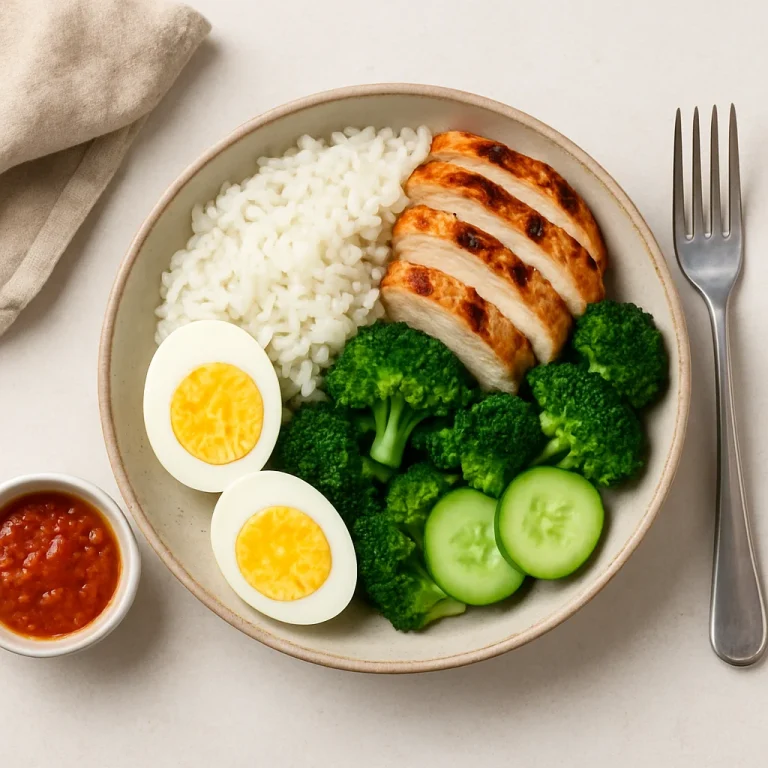
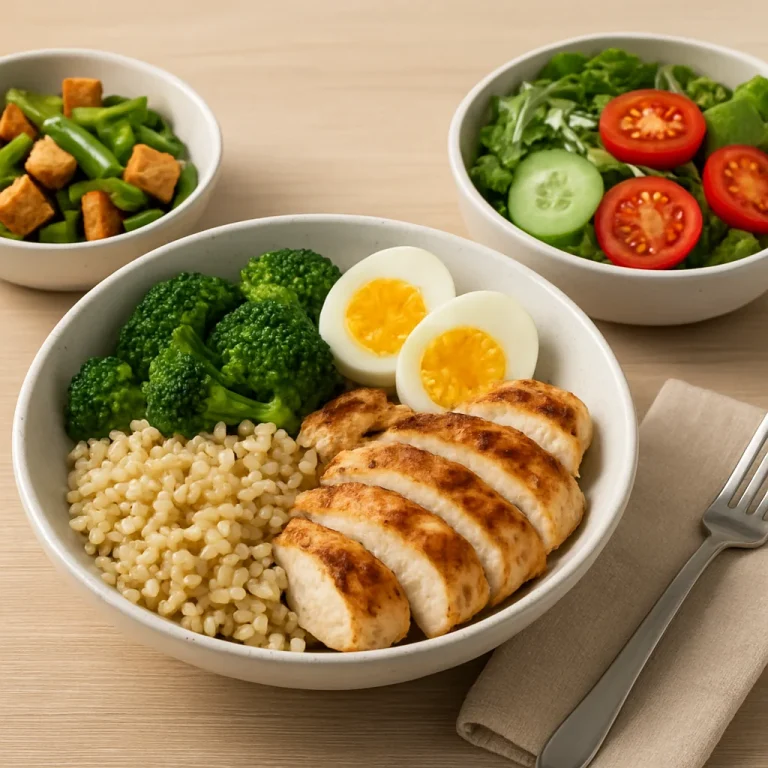
Dinner does not need expensive ingredients to feel complete. Build the plate using this simple formula: one protein, one carb, and two vegetables. Dishes like curry rice, fried rice, noodle soup, omelette rice, pasta, and sheet-pan dinners are affordable and easy to scale. If you want more variety, [LINK_TO: Easy Budget Family Dinner Ideas for Busy Weeknights] is a helpful companion article.
How to make it flexible for picky eaters and busy schedules
Family meal planning works best when it can adapt to real life. A rigid plan often fails because children’s preferences change, work runs late, or someone is not in the mood for a certain dish. Flexibility keeps the plan sustainable.
- Use a base-and-topper system: Serve the same base meal, then let family members add toppings or sauces they like.
- Offer simple swaps: Replace rice with noodles, chicken with tofu, or vegetables based on preference.
- Keep 2 emergency meals: Store eggs, frozen vegetables, and noodles for nights when everything changes.
- Repeat winning meals: If a meal is cheap, fast, and well-liked, make it again. Repetition saves money.
For families who want an easier system, [LINK_TO: Healthy Meal Planning for Busy People: A Simple System That Actually Sticks] offers a practical approach that can be adapted for homes with kids and mixed schedules.
Meal prep tips that cut costs and time
Meal prep does not need to mean cooking everything on Sunday. Even 30 to 45 minutes of prep can reduce stress during the week.
- Wash and chop vegetables in advance: Store them in containers so cooking starts faster.
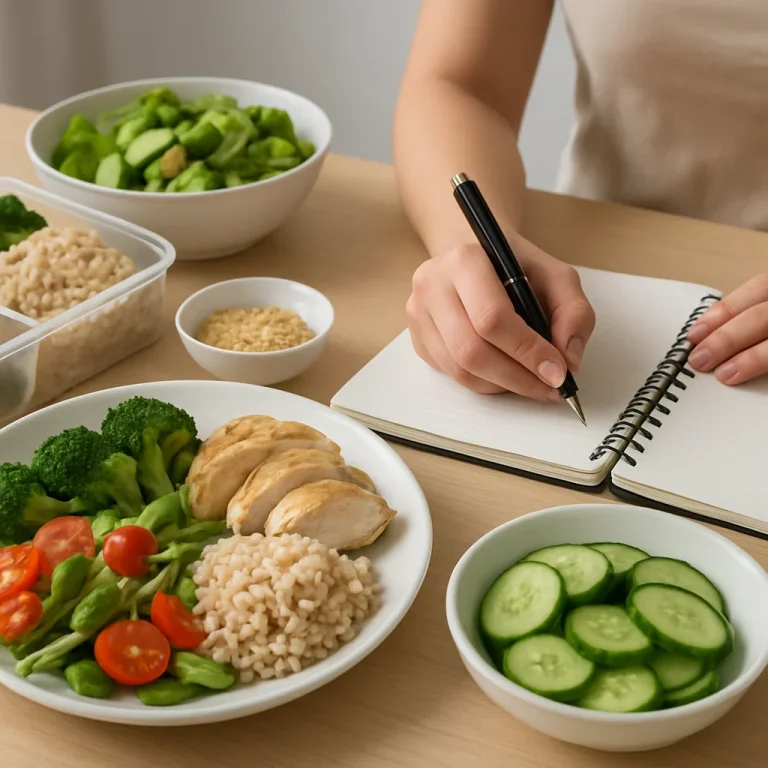
- Cook one or two batch staples: Prepare rice, boiled eggs, chicken, or lentils at the start of the week.
- Make a multipurpose sauce: A simple garlic soy sauce, curry sauce, or tomato base can turn basic ingredients into different meals.
- Portion snacks: Fruit, yogurt, nuts, and crackers are easier to manage when portioned ahead.
- Label leftovers: This helps reduce waste and makes it easier for everyone to know what is available.
If you want a more guided tool, the [LINK_TO: Daily Meal Plan Generator for Smarter Meals | KnowMeal] can help you create an organised plan faster. You may also like [LINK_TO: Family Meal Planning App for Easier Weekly Meals] for a more convenient routine.
How to keep the plan healthy without overspending
A budget-friendly plan can still support good nutrition. In fact, a well-structured budget friendly weekly meal plan for families often improves health because it reduces reliance on fried takeout, sugary snacks, and oversized portions.
To keep meals balanced, aim for:
- Protein: eggs, tofu, fish, chicken, beans, lentils, yogurt
- Fiber: vegetables, fruit, oats, whole grains, legumes
- Healthy fats: peanuts, peanut butter, seeds, avocado, olive oil in moderation
- Hydration: water, clear soups, unsweetened tea
For families interested in weight management or better body composition, meal planning can be adjusted around calorie needs and macros. If that is your goal, you may find [LINK_TO: TDEE Calculator Singapore: Set Calories and Macros], [LINK_TO: Healthy Meal Plan Singapore | Affordable Whole Foods], [LINK_TO: Weight Loss Meal Plan Singapore | Simple Whole Foods], and [LINK_TO: Body Recomposition Meal Plan for Singapore] useful.
If your household wants higher-protein meals on a budget, check out [LINK_TO: What to Eat When You Need High Protein on a Budget: 7-Day Grocery and Meal Strategy] and [LINK_TO: High-Protein Budget Grocery List for Busy Weekdays].
Singapore-friendly budget meal planning tips
For Singaporean families, budget planning can be especially effective when you work with familiar whole foods and practical local staples. Think rice, eggs, tofu, noodles, frozen vegetables, ikan, chicken, tempeh, lentils, and seasonal produce from wet markets or budget supermarkets.
Local-friendly meal ideas include:
- Egg fried rice with mixed vegetables
- Tofu and cabbage stir-fry with rice
- Chicken soup with carrot, potato, and noodles
- Minced meat bee hoon
- Simple curry with potatoes and vegetables
- Oats, eggs, and fruit for breakfast
These meals are affordable, satisfying, and easy to adapt to different family tastes. If you want a Singapore-focused whole-food approach, explore [LINK_TO: Healthy Meal Plan Singapore | Affordable Whole Foods] and [LINK_TO: Weight Loss Meal Plan Singapore | Simple Whole Foods].
Final tips for sticking to your family meal plan
The most effective budget meal plan is the one your family can actually follow. Keep it simple, repeat the meals that work, and use the same ingredients in multiple ways across the week. That is how you save money without feeling restricted.
Here are the biggest takeaways:
- Plan around affordable, versatile ingredients.
- Reuse leftovers and batch-cooked staples.
- Shop with a shared list and buy only what you need.
- Keep meals flexible for picky eaters and changing schedules.
- Focus on simple, healthy foods that the whole family enjoys.
Conclusion
A budget friendly weekly meal plan for families does not need to be complicated, time-consuming, or bland. With a few core ingredients, a flexible structure, and smart grocery habits, you can feed your family well while staying within budget. The key is consistency: choose simple meals, reuse ingredients, and build a routine that works for your household.
If you are ready to make family meals easier, start with a shared plan, a practical grocery list, and a few go-to recipes that you can repeat every week. For more support, explore [LINK_TO: Shared Grocery List Meal Planner for Families], [LINK_TO: Meal Prep Planner for Families | Shared Meal Plan], and [LINK_TO: Custom Meal Plan Builder for Flexible Nutrition].
Call to action: Try this weekly plan for your next grocery shop, then adjust it to match your family’s tastes, schedule, and budget. Small changes can make a big difference.