

Meal Planning for Families: A Simple Weekly System That Saves Time and Money
Meal planning for families does not have to mean strict recipes, boring leftovers, or spending your whole Sunday in the kitchen. With a simple weekly system, you can reduce stress, save money, and make it easier for everyone at home to eat better—without overthinking every meal.
For busy parents and caregivers, the real goal of meal planning for families is consistency. When you know what is for breakfast, lunch, and dinner, you avoid last-minute takeout, wasted groceries, and the daily question of “What are we eating tonight?” This guide walks you through a practical system that works for real family life, including picky eaters, busy schedules, and different nutrition needs.
Why meal planning for families matters
When families plan meals ahead of time, they usually spend less, waste less, and eat more consistently. Instead of buying random ingredients that expire in the fridge, you shop with a purpose. Instead of ordering food because you are too tired to decide, you already have a backup plan. That is why meal planning for families is one of the simplest habits that can improve both nutrition and household routines.
It also helps families make healthier choices more often. If your kitchen is stocked with ingredients for easy meals, you are more likely to cook at home. That matters for children, adults trying to manage weight, and anyone aiming for better energy, better digestion, or more stable blood sugar. If you want a broader system for busy households, you may also like [LINK_TO: Healthy Meal Planning for Busy People: A Simple System That Actually Sticks].
Set your family meal planning goals
Before you create a weekly plan, define what success looks like for your family. The best meal planning for families system is the one that solves your actual problems, not someone else’s ideal routine.
Common family meal planning goals
- Save time: Fewer daily decisions and shorter cooking time.
- Save money: Less takeaway, fewer impulse purchases, and less food waste.
- Eat healthier: More whole foods, more vegetables, and better portions.
- Support fitness goals: Higher protein meals for body recomposition or satiety.
- Reduce stress: More predictable routines for everyone in the household.
If your family has different nutrition needs, planning becomes even more useful. For example, one parent may want higher protein for muscle gain, while another wants more balanced portions for weight management. A flexible system can handle that. Tools like a [LINK_TO: Personalised Nutrition Meal Plan for Singapore] or [LINK_TO: TDEE Calculator Singapore: Set Calories and Macros] can help you set a better baseline.
A simple weekly meal planning system
The easiest meal planning for families method is to repeat a simple structure every week. You do not need 21 brand-new recipes. You need a system that reduces decision fatigue and makes grocery shopping easier.
Step 1: Pick your meals for the week
Start by choosing a few main meals, then repeat them strategically. For example:
- 2 breakfast options
- 2 lunch options
- 3 to 4 dinner options
- 1 or 2 flexible snacks
Repetition is a strength, not a weakness. Families often do better when they rotate familiar meals instead of starting from scratch every day. If you need ideas, use [LINK_TO: High-Protein Breakfast Ideas for Busy Weekdays] and [LINK_TO: High-Protein Lunch Ideas for Busy Weekdays] to make weekday planning easier.
Step 2: Build around core ingredients
Choose ingredients that can be used in multiple meals. For example:
- Chicken thighs or breast
- Eggs
- Tofu or tempeh
- Rice, noodles, oats, or potatoes
- Frozen vegetables
- Fruit for snacks and breakfast
Core ingredients reduce waste because one item can show up in several meals. Roasted chicken can become rice bowls one night, wraps the next day, and soup later in the week.
Step 3: Plan for leftovers on purpose
Instead of treating leftovers as an accident, use them as part of the plan. Leftover rice can become fried rice, leftover vegetables can be added to noodles, and leftover protein can be turned into wraps or salads. This is one of the fastest ways meal planning for families saves both time and money.
Step 4: Write one grocery list for the whole week
Once the meals are set, create a single grocery list by category: proteins, vegetables, fruit, staples, dairy, pantry items, and snacks. A clear list prevents overbuying and makes shopping faster. If your household wants more structured shopping, check out [LINK_TO: High-Protein Budget Grocery List for Busy Weekdays] and [LINK_TO: What to Eat When You Need High Protein on a Budget: 7-Day Grocery and Meal Strategy].
How to build balanced family meals
The best meal planning for families is not only about convenience. It should also support energy, growth, recovery, and satiety. A balanced meal usually includes protein, fibre-rich vegetables or fruit, and a satisfying carbohydrate source.
The simple family plate method
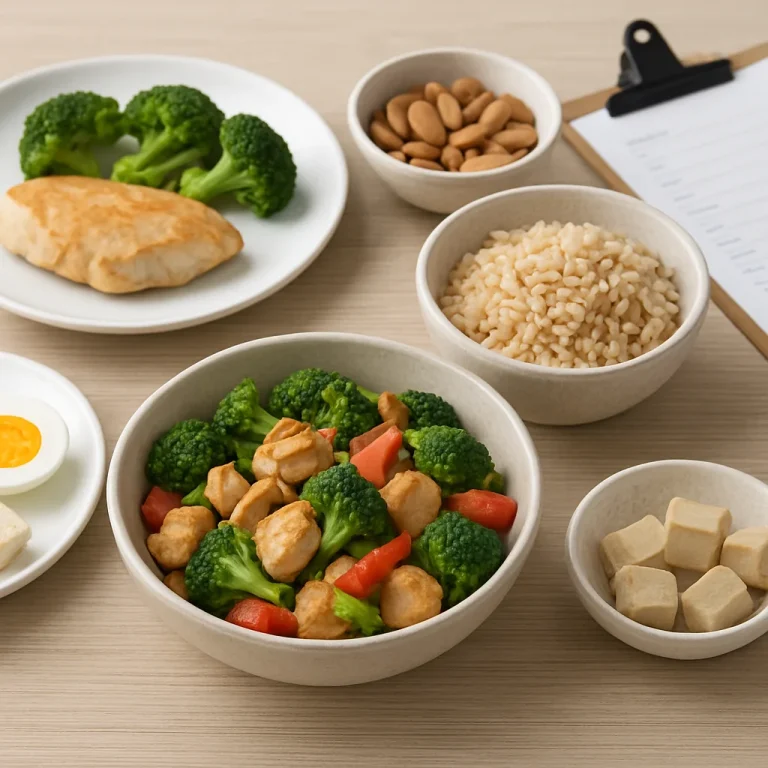
- Protein: Chicken, fish, eggs, tofu, tempeh, lean meat, yogurt, beans
- Vegetables: Bok choy, kailan, carrots, tomatoes, cucumber, broccoli, cabbage
- Carbohydrates: Rice, noodles, oats, wholegrain bread, sweet potato, noodles
- Healthy fats: Avocado, nuts, seeds, olive oil, sesame oil
For many families in Southeast Asia, this can be built around familiar foods like rice, soup, stir-fries, noodle dishes, and one-pot meals. The goal is not to replace family favourites, but to make them more nourishing and practical.
Why protein matters for families
Protein helps with fullness, muscle maintenance, and steady energy. It is especially useful for active parents, growing children, and people working on fat loss or body recomposition. If that is your goal, you may also find [LINK_TO: Body Recomposition Meal Plan for Singapore] helpful. You do not need to count every gram, but aiming to include a strong protein source at each meal is a smart habit.
Smart grocery shopping and budgeting
One of the biggest benefits of meal planning for families is financial control. When you shop with a plan, you are less likely to buy duplicate items or convenience foods you do not need.
Budget-saving grocery strategies
- Shop from a list only. Avoid random add-ons.
- Buy versatile ingredients. Choose foods that work in multiple meals.
- Use frozen vegetables and fruit. They are practical, affordable, and low-waste.
- Choose store brands where it makes sense.
- Plan around what is already at home. Check pantry and freezer first.
- Keep a meal budget. Weekly or monthly budgets keep spending predictable.
If you want affordable meal planning ideas using whole foods, see [LINK_TO: Healthy Meal Plan Singapore | Affordable Whole Foods]. For families trying to stretch protein dollars, [LINK_TO: What to Eat When You Need High Protein on a Budget: 7-Day Grocery and Meal Strategy] is also a useful companion resource.
How to reduce food waste
Food waste often happens when plans are too ambitious. Keep your weekly plan realistic and avoid buying ingredients for recipes you may not actually cook. If you know your family is busy on Wednesdays, do not schedule a complicated meal for that night. Use your easiest meal instead.
Meal prep without the overwhelm
Meal prep does not need to be a full day of cooking. In fact, for many families, a light prep routine works better than a big batch-cooking session.
Try a 60-minute prep routine
- Wash and chop vegetables
- Cook one or two proteins
- Cook a grain like rice or quinoa
- Make one sauce or dressing
- Boil eggs or prepare snack boxes
This gives you a head start without making meal prep feel like another job. You are simply reducing friction so weeknight meals are faster to assemble.
Examples of flexible prep
- Roast a tray of chicken and vegetables for 2 to 3 meals
- Cook a pot of rice to pair with different dishes
- Prepare a soup base that can be reheated across multiple days
- Pre-portion fruit, yogurt, or nuts for grab-and-go snacks
Families with very busy schedules may prefer a digital system. A [LINK_TO: Family Meal Planning App for Easier Weekly Meals] or [LINK_TO: Daily Meal Plan Generator for Smarter Meals | KnowMeal] can simplify planning, especially if you are juggling school, work, and activities.
How to handle picky eaters and busy schedules
Picky eaters can make meal planning for families feel harder than it needs to be. The key is to plan meals that allow choice and flexibility without cooking separate dinners for everyone.
Strategies for picky eaters
- Serve meals in components instead of mixing everything together
- Offer one familiar food alongside one new food
- Use sauces, dips, and toppings to make meals feel more familiar
- Keep one “safe” meal in rotation each week
For example, a rice bowl can let each person choose their own topping. One child may prefer chicken and cucumber, while another chooses egg, corn, and soy sauce. The whole family eats from the same meal, but with more flexibility.
Strategies for busy weeknights
- Use a “backup dinner” like eggs on toast, soup, or frozen dumplings
- Schedule slow-cooker or one-pan meals on your busiest day
- Double a recipe and freeze half for another week
- Keep pantry staples available for emergency meals
That way, if your day goes off track, your family still has a healthy option instead of defaulting to expensive takeaway.
Sample family weekly plan
Here is a simple example of meal planning for families using familiar, affordable ingredients.
Breakfast
- Oatmeal with banana and peanut butter
- Eggs with toast and fruit
Lunch
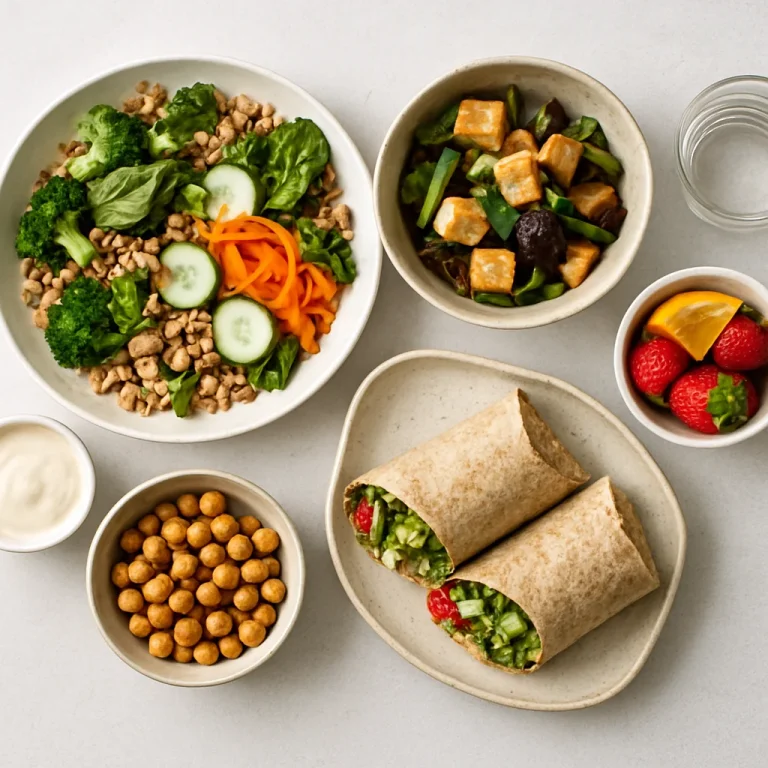
- Chicken rice bowls with vegetables
- Sandwiches or wraps with tuna, egg, or tofu
Dinner
- Stir-fried chicken, cabbage, and rice
- Fish soup with noodles and greens
- Tofu and vegetable fried rice
- Minced meat pasta with side salad
Snacks
- Yogurt and fruit
- Boiled eggs
- Roasted nuts
- Cut fruit or cheese sticks
This kind of plan works because it is repeatable, affordable, and easy to adapt. If you want more personalised support, try [LINK_TO: Custom Meal Plan Builder for Flexible Nutrition] or [LINK_TO: Personalised Nutrition Meal Plan for Singapore].
Helpful tools and next steps
If you want your meal planning to feel easier, start with systems that remove guesswork. A good meal planner, grocery list template, or macro calculator can make a big difference. For families aiming to improve health, lose fat, or build muscle, personalised planning is often the most sustainable approach.
You do not need to overhaul your entire kitchen. Start with one week, one grocery list, and one simple routine. Then refine what works. Over time, meal planning for families becomes less like a chore and more like a practical rhythm that supports your budget, your schedule, and your health goals.
Conclusion
Meal planning for families is one of the easiest ways to save time, reduce food waste, and make healthier meals feel more manageable. The best system is simple: choose a few repeatable meals, shop with a focused list, prep only what you need, and keep flexible backup options for busy days. Small improvements add up quickly when they fit real family life.
Ready to make family meals easier? Start with a simple weekly plan today, and use KnowMeal’s personalised tools to build a system that fits your household, budget, and nutrition goals.
One Comment